
Featured Industrial Steel Products
Premium structural steel, precision coils, and custom fabricated products from our Tianjin manufacturing base.
-
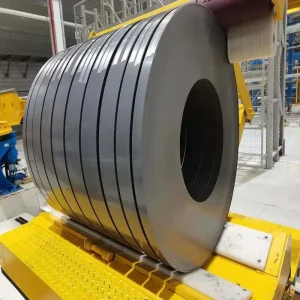 Wholesale Silicon steel coil (CRNGO) Manufacturers, FactoriesView Product Spec
-
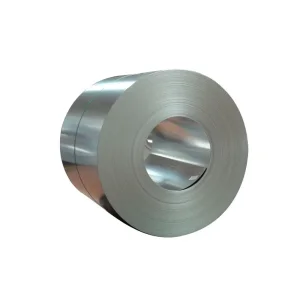 Wholesale Customized Galvanized Steel Coils - ASTM A653 DX51D Z275View Product Spec
-
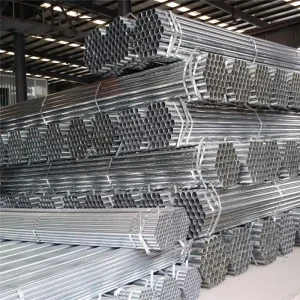 Wholesale Thick-Wall Pre-Galvanized Steel Pipe for Greenhouse StructureView Product Spec
-
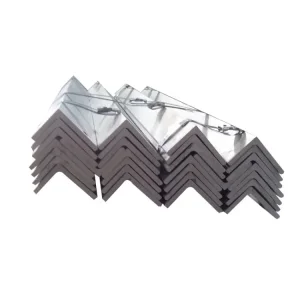 Q195 Q215 Hot Rolled Steel Angle Iron Beams for Structural ApplicationsView Product Spec
-
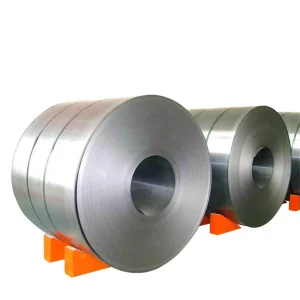 Cold Rolled High Strength Steel Sheets for Extra Deep Drawing QualityView Product Spec
-
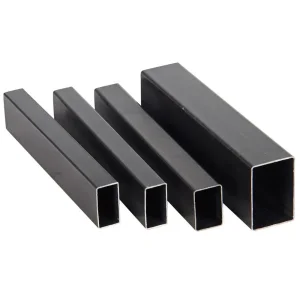 50x50mm Square Tubing Metal Square Pipe for Steel Fence PostsView Product Spec
-
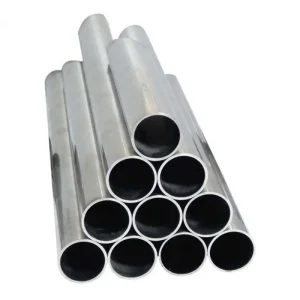 High Zinc Hot-Dip Galvanized Steel Pipes for Agricultural GreenhouseView Product Spec
-
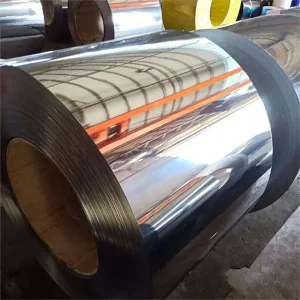 High-Quality Electrolytic Tinplate (ETP) & TFS Tin Clad Steel SheetView Product Spec
The Science of Hot Rolled Pickled & Oiled (HRPO) Steel
Eliminating iron oxide scale to unlock superior surface workability, laser cutting speeds, and tool-preserving formability without cold-reduction premiums.
Continuous Hydrochloric Acid Pickling
During conventional hot rolling, molten steel combines with atmospheric oxygen at temperatures above 800°C, forming a hard, abrasive iron oxide scale layer (FeO, Fe₂O₃, Fe₃O₄) approximately 10 to 20 microns thick. Our continuous pickling line passes the hot-rolled strip through a series of temperature-controlled Hydrochloric Acid (HCl) baths (70°C–85°C).
This chemical reaction dissolves oxide scale down to the base metal substrate without causing hydrogen embrittlement or surface pitting.
Electrostatic Corrosion-Inhibiting Oiling
Immediately following acid neutralisation and high-pressure deionised water rinsing, the bare metal is thoroughly hot-air dried and fed into an electrostatic oiler. An anti-corrosive, non-drying industrial oil film is applied evenly at tight weight tolerances (0.5 to 2.5 g/m² per side).
This oil barrier seals the clean, reactive steel surface against atmospheric oxidation, guaranteeing a 3 to 6-month rust-free shelf life during ocean shipping and humid storage.
Tooling Longevity & Laser Efficiency
Unpickled mill scale acts as a severe abrasive agent against stamping dies, press brake tooling, and forming rolls. Removing this scale increases die life by up to 300% to 500%.
Furthermore, modern Fiber Laser cutting machines achieve up to 40% faster cutting speeds on HRPO steel compared to black hot-rolled sheet, while eliminating edge burrs, scale pops, and optical sensor feedback errors caused by flaking rust.
Material Comparative Analysis: HR vs. HRPO vs. Cold Rolled (CR)
Understanding the mechanical, visual, and cost trade-offs allows procurement specialists to optimize total bill-of-materials (BOM) expenditure.
| Performance Metrics | Hot Rolled Black (HR) | Hot Rolled Pickled & Oiled (HRPO) | Cold Rolled Sheet (CR / SPCC) |
|---|---|---|---|
| Surface Condition | Rough, dark iron oxide mill scale | Clean, silver/grey metallic, oil protected | Smooth, bright, high-lustre matte finish |
| Thickness Range | 1.5 mm – 25.0 mm | 1.2 mm – 10.0 mm | 0.3 mm – 3.0 mm |
| Dimensional Tolerance | Standard (ASTM A568 Class 1) | Tightened (ASTM A568 / EN 10051) | Precision (ASTM A568 Class 2 / EN 10131) |
| Laser Cutting Quality | Poor; scale causes burrs & beam reflection | Excellent; clean edges, high velocity | Superior; maximum precision on thin gauges |
| Paint & Coating Adhesion | Requires prior sandblasting/pickling | Direct powder coating/painting after degreasing | Direct electro-painting / powder coating |
| Relative Cost Index | Baseline (100%) | Moderate Premium (+8% to +12%) | High Premium (+25% to +40%) |
International Standard Equivalence & Mechanical Property Matrix
Direct factory supply manufactured strictly in accordance with ASTM, EN, JIS, and GB standards for seamless global tender approval.
| Steel Grade Standard | Commercial Quality (CQ) | Drawing Quality (DQ) | Deep Drawing Quality (DDQ) | High-Yield Structural Grades |
|---|---|---|---|---|
| Japanese Standard (JIS G3131 / G3101) | SPHC | SPHD | SPHE | SS400 / SPH440 |
| American Standard (ASTM A1011 / A1011M) | CS Type A / B / C | DS Type A / B | DDS / EDDS | SS Grade 36 / 40 / 50 |
| European Standard (EN 10111 / EN 10025) | DD11 | DD12 | DD13 / DD14 | S235JR / S355JR |
| Chinese National Standard (GB/T 700 / GB/T 699) | Q195 / Q235B | 08F / 10F | 08AL (Deep Draw) | Q355B / Q460D |
| Yield Strength (MPa) | 175 – 280 | 140 – 240 | 130 – 210 | ≥ 355 – 460 |
| Tensile Strength (MPa) | 270 – 400 | 270 – 370 | 270 – 350 | 490 – 630 |
| Elongation A50mm (%) | ≥ 28% | ≥ 33% | ≥ 38% | ≥ 20% |
Quality Control & Certification Protocol
Every order of HRPO steel sheet and coil is accompanied by an original EN 10204 3.1 Mill Test Certificate (MTC) detailing ladle heat chemical analysis (C, Mn, P, S, Si, Al) and mechanical testing results. Third-party testing by SGS, TÜV, or Bureau Veritas is fully accommodated upon request.
Strict Environmental & Regulatory Compliance
Our acid recovery plants recycle over 99.5% of waste hydrochloric acid via closed-loop spray roasting technology. Materials supplied comply completely with EU REACH Regulation (EC) No 1907/2006 and RoHS directive standards, ensuring no toxic heavy metals or unapproved rust-inhibiting chemical residues.
Dimensional & Flatness Control
Utilizing 4-high and 6-high hydraulic automatic gauge control (AGC) finishing mills, our HRPO sheets feature ultra-tight thickness tolerances complying with EN 10051 Restrictive Tolerance Class S. Advanced roller levellers guarantee flatness below 3 mm per meter.
China Supply Chain Dominance & Tianjin Logistics Hub
Capitalizing on integrated upstream steelmaking and strategic deep-water maritime logistics to deliver unmatched cost efficiency and speed.
Upstream Raw Steel Integration
Located in Jinghai District, Tianjin—the heart of China's primary steel manufacturing corridor—our facility secures direct hot-rolled master coil supply from top-tier state mills (such as HBIS, Shougang, and Baosteel). This raw material integration ensures consistent chemical purity, uniform grain structure, and competitive base pricing.
Precision Processing Capabilities
Our factory houses state-of-the-art heavy-duty coil slitting and cut-to-length (CTL) processing lines. We can supply HRPO in master coils (up to 30 MT), slit coils (minimum width 30 mm), or customized rectangular sheets (thickness 1.2 mm to 10.0 mm; length up to 12,000 mm) with precision resquared edges.
Seaworthy Export Packaging
To prevent ocean rust and mechanical handling damage during long-distance transit, sheets are wrapped in anti-corrosion VCI film, reinforced with corrugated metal edge protectors, secured on heavy-duty wooden skids, and bound with high-tensile steel strapping (minimum 4 radial and 3 circumferential straps).
Port Proximity & Container Loading
Situated just 70 kilometers from Tianjin Xingang Port (Northern China's largest sea freight gateway), we maintain direct inland logistics channels. We offer flexible sea shipping options including 20ft Heavy/Break-bulk containerization, moisture-absorbent desiccant packs, and specialized open-top/rack loading.
Integrated HRPO Production & Quality Assurance Workflow
A fully automated, digitally monitored six-stage manufacturing process guarantees batch-to-batch consistency.
Master Coil Uncoiling
Hot rolled coil is mounted onto the pay-off reel, uncoiled, and flattened by entry leveller rolls.
Scale Breaking & Flash Welding
Mechanical flex-rolling cracks surface scale; strip ends are flash-butt welded for continuous processing.
Multi-Stage HCl Acid Pickling
Strip passes through heated hydrochloric acid tanks to strip all oxides down to bare metallic steel.
Rinsing, Drying & Oiling
High-pressure pure water wash, hot air thermal drying, and electrostatic uniform oil misting.
Laser Inspection & Slitting
Online optical cameras inspect surface defects while edge trimmers cut exact requested width.
End-Use Engineering & Sector-Specific Demand
Why tier-1 automotive stampers, HVAC fabricators, and structural tube manufacturers specify HRPO steel sheet over conventional grades.
Automotive Stamping & Chassis Components
HRPO in deep drawing grades (SPHD, SPHE, ASTM A1011 DS) is widely utilized for automotive control arms, frame cross-members, wheel rims, brake pedal brackets, and underbody structural stampings. The absence of scale eliminates abrasive wear on complex progressive stamping dies, while providing an ideal substrate for post-assembly E-coating (electro-deposition painting).
HVAC Ducting & Electrical Enclosures
Manufacturer of commercial HVAC compressor housings, electrical junction boxes, transformer casings, and server rack cabinets rely on HRPO sheet. Its superior surface flatness and uniform oil film ensure consistent robotic laser welding, clean 90-degree press brake bending without surface cracking, and flawless powder coat finish adhesion.
Precision Tubing & Cold-Formed Profiles
ERW pipe mills producing precision structural tubing, automotive exhaust components, and furniture hollow sections (SHS / RHS) utilize HRPO slit coils. Scale-free strip edges ensure immaculate high-frequency induction weld seams with zero oxide inclusions, preventing seam splits during subsequent hydroforming or expansion.
Decarbonization, Advanced High-Strength Steel (AHSS) & Automation
How modern steelmaking innovations are reshaping the global Hot Rolled Pickled and Oiled sheet market.
Eco-Friendly Closed-Loop Acid Pickling
Global environmental regulations are driving steel mills toward zero-discharge pickling lines. Next-generation acid recovery units convert iron chloride waste solutions into high-purity iron oxide powder (used in soft ferrite magnets) while re-generating 99.5% of pure hydrochloric acid, reducing the carbon footprint of HRPO processing by over 35%.
Lightweighting via High-Strength HRPO (HSLA)
To reduce vehicle kerb weight and structural material usage without sacrificing structural safety, automotive OEMs are transitioning from conventional SPHC to High-Strength Low-Alloy (HSLA) pickled steels (S355MC, S420MC, S700MC). These ultra-fine-grained micro-alloyed steels achieve high yield strength while maintaining excellent cold formability and bendability.
AI Surface Vision Inspection Systems
Replacing manual visual checks, modern high-speed pickling lines integrate AI-powered optical surface defect inspection cameras. Operating at strip speeds of up to 300 meters per minute, multi-angle CCD sensors detect micro-scratches, pinholes, residual scale patches, and oil non-uniformity in real-time, storing digital surface quality maps for every delivered coil.
Frequently Asked Questions (FAQ)
Expert metallurgical and commercial answers to clear your technical and purchasing inquiries.
What is the main difference between Hot Rolled Pickled & Oiled (HRPO) and Cold Rolled (CR) steel?
HRPO steel is hot-rolled steel that has undergone acid pickling to remove black surface scale and has been oiled to prevent rust. It retains the mechanical properties and cost structure of hot-rolled steel while providing a clean surface. Cold Rolled (CR) steel undergoes additional room-temperature mechanical rolling, resulting in thinner gauges (typically under 1.5mm), higher hardness, tighter dimensional tolerances, and a brighter surface finish, but at a significantly higher cost premium (+25% to +40%).
How long does the rust-inhibiting oil film last on HRPO steel sheet?
Our electrostatic application of neutral rust-inhibiting oil (typically 0.5 to 2.5 g/m² per side) provides effective corrosion protection for 3 to 6 months under standard dry, indoor storage conditions and proper ocean-freight VCI packaging. If long-term outdoor storage is required, custom heavier oil coating or dry-lube/alkali-washable protective films can be specified.
How do I remove the protective oil before painting or welding HRPO sheets?
The protective oil film used on our HRPO sheets is formulated for easy removal using standard industrial alkaline degreasing solutions, mild solvent washes, or automated thermal degreasing wash tunnels used in powder coating and electro-painting (E-coat) lines. For standard MIG/TIG welding, light surface oil does not impede weld quality, though degreasing is recommended for laser welding.
What thickness tolerances can your factory guarantee for HRPO steel?
We supply HRPO sheets and coils manufactured to tight thickness tolerances strictly complying with ASTM A568 / A635 or European EN 10051 Restrictive Class S standards. For instance, on a 3.0 mm nominal thickness sheet, our hydraulic AGC mill maintains tolerance within ±0.04 mm, preventing wall thickness variation during stamping or forming.
Which steel grades are recommended for deep drawing applications?
For severe deep drawing or complex stamping parts (e.g., deep automotive oil pans or spherical pressings), we recommend specifying JIS SPHD / SPHE, ASTM A1011 DS (Drawing Steel) or DDS (Deep Drawing Steel), or EN 10111 DD13 / DD14. These grades feature low carbon content (≤ 0.08% C), high elongation (≥ 33% to 38%), and favorable plastic strain ratios (r-value).
What is the Minimum Order Quantity (MOQ) and lead time for wholesale orders?
Our standard MOQ for mill-direct customized production (custom thickness, width, or grade) is 25 Metric Tons (one full container load). For standard stocked master coils (e.g., SPHC / Q235B in 2.0mm, 2.5mm, 3.0mm, 4.0mm, 6.0mm), trial orders from 5 to 10 MT are accepted. Typical production lead time is 15 to 25 days from contract confirmation to Tianjin Port delivery.
Explore Our Full Steel Product Catalog
Export-grade coated coils, structural tubes, tinplate, and specialized steel profiles available for worldwide shipment.
-
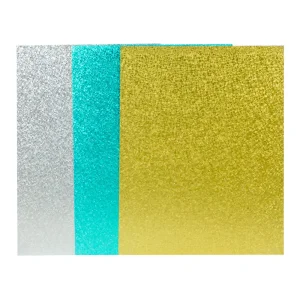 High-Quality Galvalume Aluzinc Roofing Sheets & Metal Roofing PanelsView Product Spec
-
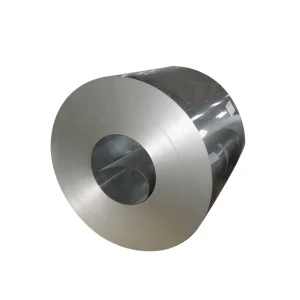 Customized Hot Dip Galvanized Steel Coils ASTM A653 DX51D Z275View Product Spec
-
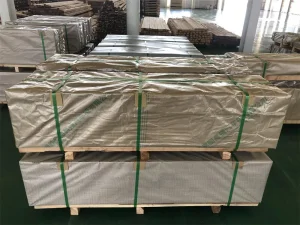 Electro-Galvanized Steel Plate SECC/SECD/SECE 20/20 Coating QualityView Product Spec
-
China Silicon Steel Coil (CRNGO) for Electrical & Magnetic Alloy NeedsView Product Spec
-
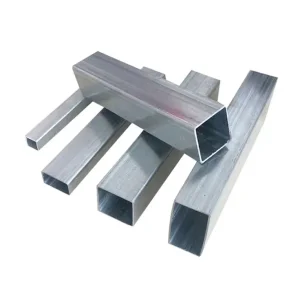 Pre-Galvanized Steel Tube 20*20 SHS RHS Rectangular Hollow SectionView Product Spec
-
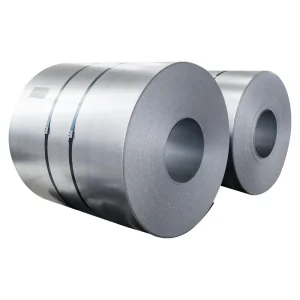 Galvannealed Steel Coil DC51D DX51D ZF60 ZF275 Zinc-Iron Alloy CoatingView Product Spec
-
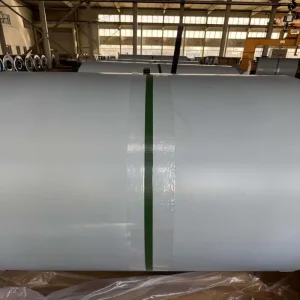 High-Quality Electrogalvanized Steel Sheets with SPCC/SPCD GradesView Product Spec
-
Electrolytic Tinplate & TFS Tin Clad Steel for Container & PackagingView Product Spec
Partner with China's Premier HRPO Steel Factory
Need customized slitting widths, specific oil film weights, or immediate mill price quotations? Our technical metallurgical sales engineers respond within 24 hours.
Request Factory Quote & MTC Sample