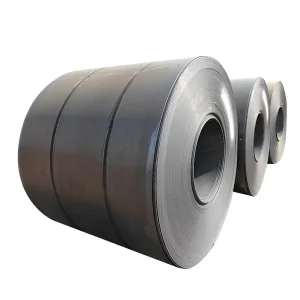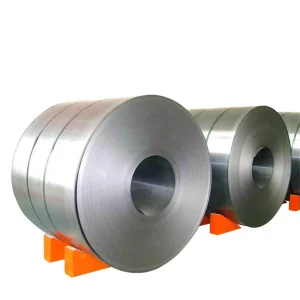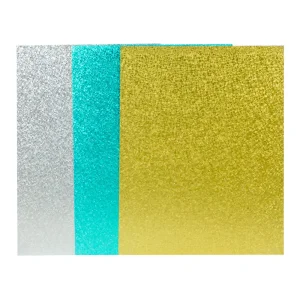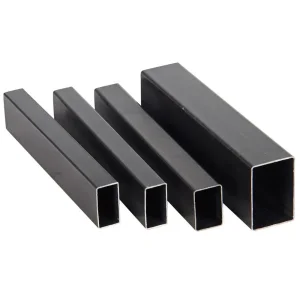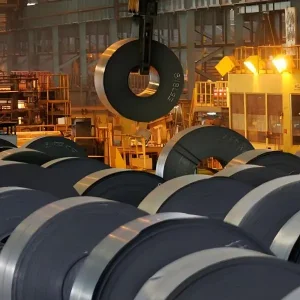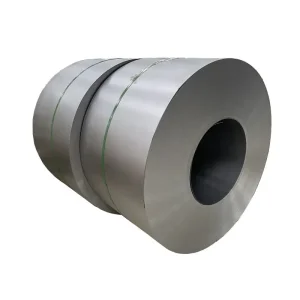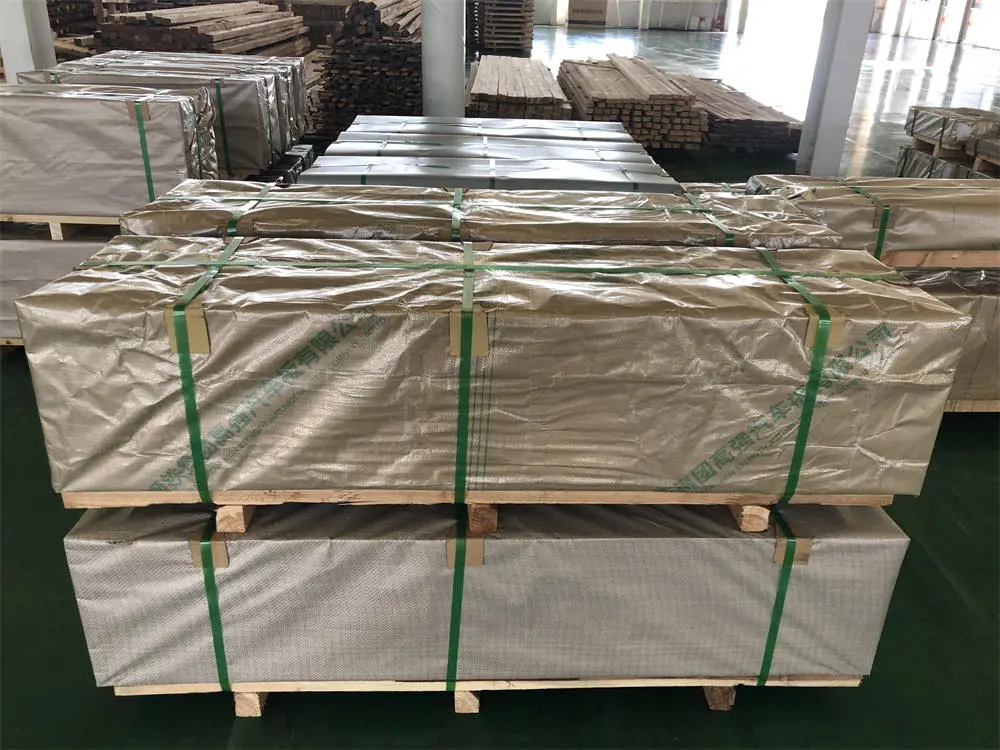
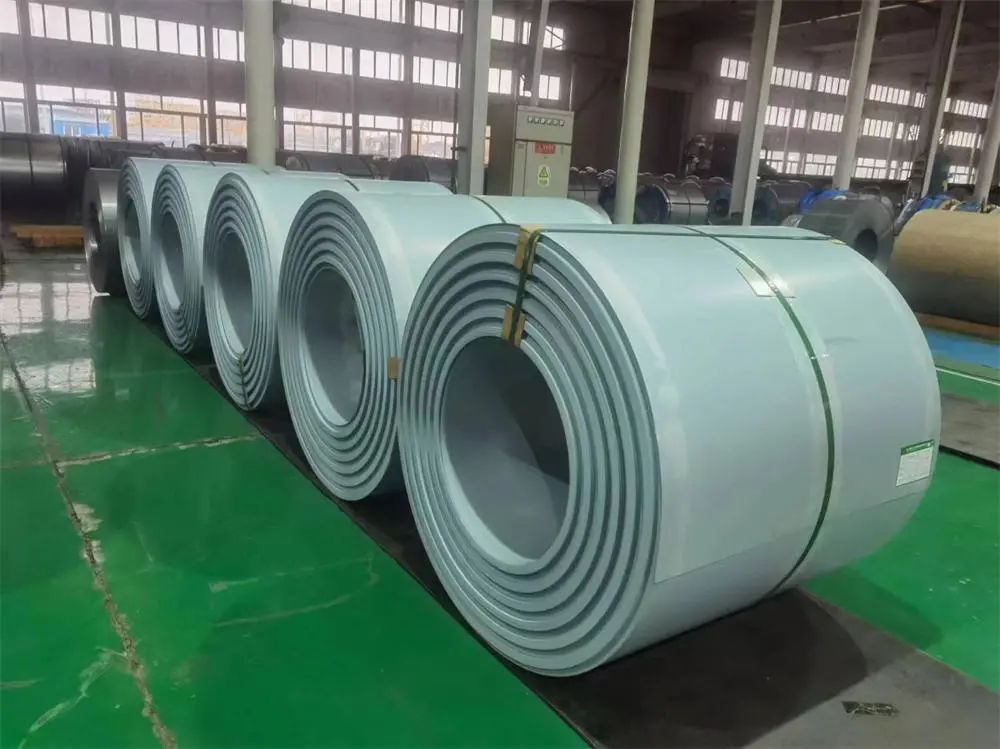
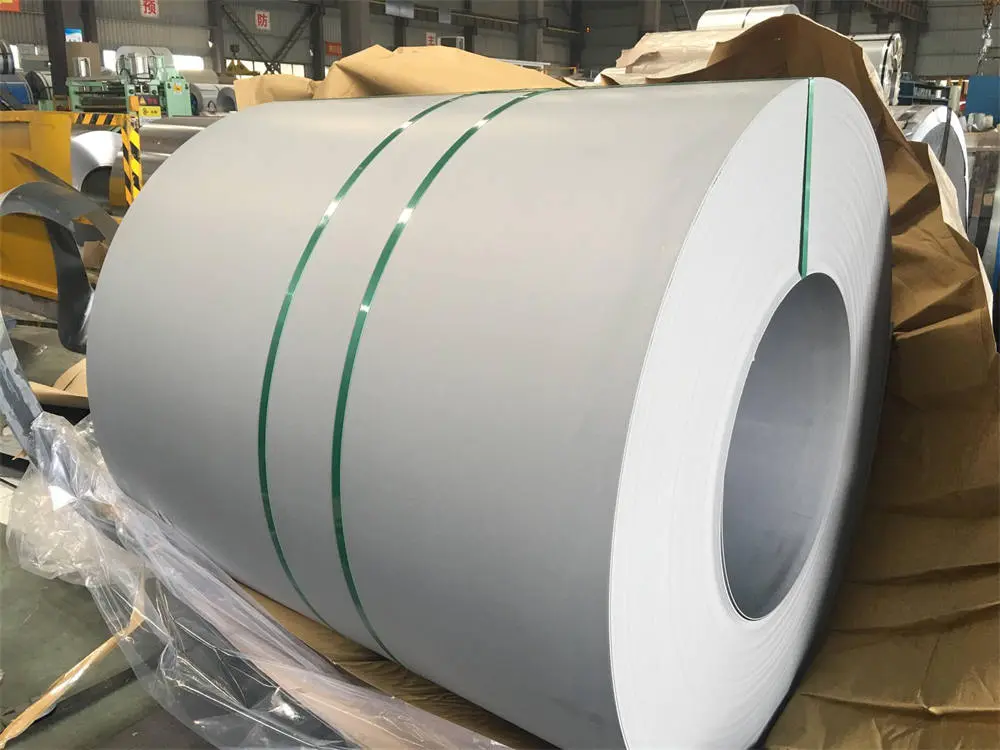
High-Quality China Electro-Galvanized Steel Plate SECC/SECD/SECE 20/20 Coating - Quality from Trusted Suppliers and Factory Supplier, Factory
Product Description
SMSTEEL Product Description
| Series | Galvanized oiled sheet | Galvanized fingerprint-resistant sheet | Special fingerprint-resistant sheet for TV/MNT backplane | Low gloss galvanized fingerprint-resistant sheet | Self-lubricating fingerprint-resistant sheet special for motor |
|---|---|---|---|---|---|
| Grade | SECC-O SECD-O SECE-O |
SECC-NM | SECD-N5 SECE-N5 |
SECC-NM | SECC-SL SECD-SL |
| Thickness | 0.4--1.6mm | ||||
| Width | 900mm--1350mm | ||||
| Inner diameter of coil sheet | 610mm | ||||
| Weight per roll | 6-13T | ||||
| Zinc layer thickness | 3um Single side | ||||
| Zinc layer weight | 20g/m2 Single side | ||||
| Coating layer thickness | Oiling: 500mg/m2 Single side | Fingerprint resistance: Single side.1-1.4um | Fingerprint resistance: Single side.1.8-2.2um. | ||
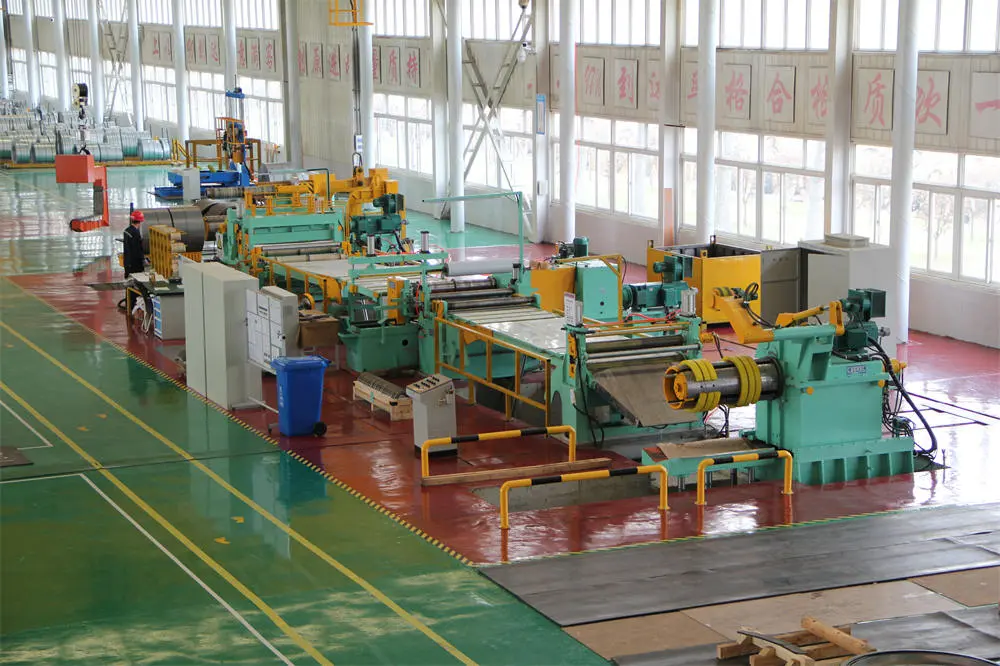
The Electroplating Production Process
Below is a detailed description of the important steps in the electroplating process:
1. Surface Preparation and Pretreatment:
This is the most crucial step in the electroplating process, as the surface of the steel sheet must be perfectly prepared before electroplating. This process includes the following steps:
a. Surface Cleaning: Thoroughly clean the steel sheet to remove impurities, dust, and grease. This ensures that the electroplated layer can firmly and evenly adhere to the metal surface.
b. Surface Pretreatment: The steel sheet can be pretreated using methods such as sandblasting, abrasion, or chemical cleaning. This helps create a smooth and uniform surface, enhancing the adhesion of the electroplated layer.
2. Electroplating Process:
After the steel sheet’s surface is prepared, the electroplating process begins. This process usually takes place in a container with an electroplating solution. The steps in the electroplating process include:
a. Pre-treatment: Before immersing the steel sheet into the electroplating solution, it undergoes pre-treatment by immersion in an alkaline solution to clean the surface once again and increase the metal’s conductivity.
b. Zinc Electroplating: The steel sheet is fully immersed in the zinc plating solution. As the current passes through the solution, zinc ions are released, leading to the electroplating process. Zinc ions are deposited onto the surface of the steel sheet, forming a firmly adhered zinc layer.
c. Adjusting the Plating Layer: Adjusting the current and contact time in the electroplating process can control the thickness of the zinc plating layer. This helps regulate the quality and thickness of the electroplated layer to meet specific product requirements.
Applications of Electroplated Steel
1. Construction Industry:
Electroplated steel is widely used in the construction industry, especially in infrastructure and industrial architecture projects. Thanks to its corrosion resistance and durability, it is favored for manufacturing roofing sheets, water pipes, drainage pipes, faucets, and ventilation systems in construction projects. Electroplated steel is also used to shield and protect other metal components, enhancing their lifespan and reducing the impact of weather and the environment on large construction projects.
2. Automotive and Motorcycle Industry:
In the automotive and motorcycle industries, electroplated steel is applied to produce exterior parts and components of vehicles. The zinc electroplating layer protects the vehicle frame and other metal surfaces from corrosion caused by water, dust, and environmental pollutants. This prolongs the life of the vehicle and maintains its external beauty for an extended period. Additionally, electroplated steel is used in the production of load-bearing components, such as sliders, kickstands, and other mechanical parts, to strengthen the vehicle’s durability and resilience.
3. Consumer Goods Manufacturing:
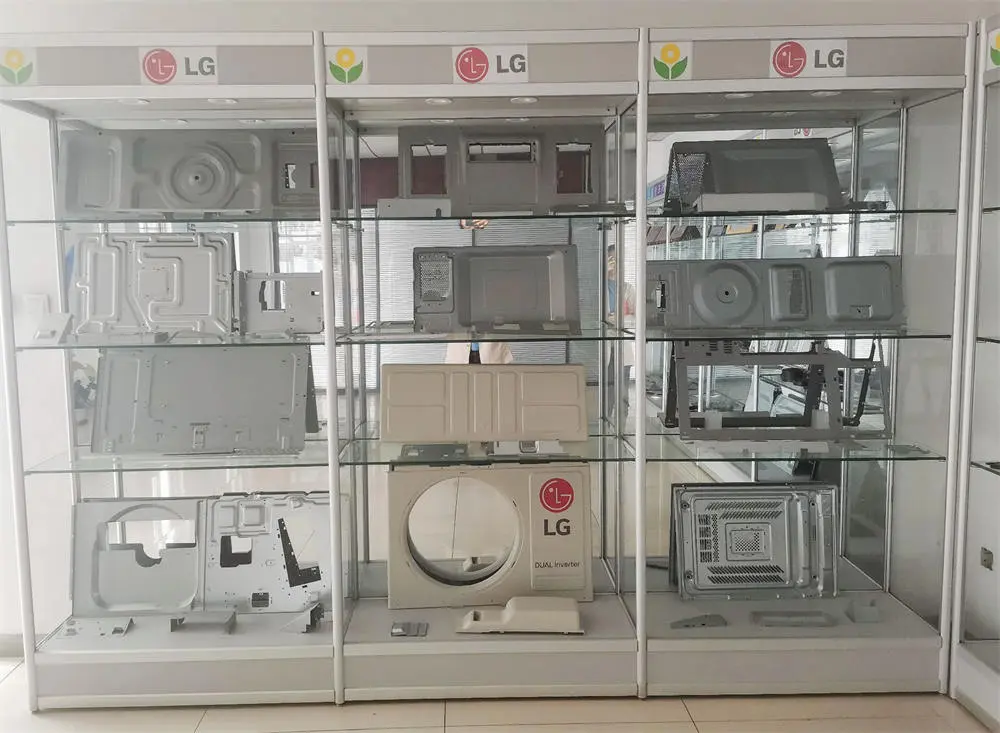
Electroplated steel finds diverse applications in the manufacturing of consumer goods and household products. For instance, in the electronics industry, it is used to create a corrosion and oxidation-resistant layer for electronic components like screws, buttons, and circuits. In the household goods industry, electroplated steel is commonly employed to produce shiny and corrosion-resistant products such as pots, pans, dishes, and other household items.
4. Various Applications in Daily Life:
Apart from traditional industries, electroplated steel has many other applications in daily life. For example, it is used to produce decorative items, advertising signs, and aesthetically pleasing interior furnishings. It is also utilized in manufacturing equipment and systems in customs, agriculture, and the oil and gas industry. The steel type has become an integral part of daily life, significantly contributing to the progress and development of numerous societal fields.
Conclusion
Electroplated steel has firmly established its essential role in protecting and strengthening steel products. With its superior corrosion resistance, diverse aesthetics, cost-effectiveness, and environmental protection, electroplated steel drives advancements in various industrial sectors and positively impacts our daily lives. Currently, the demand for electroplated steel is continuously increasing, creating a broad and promising outlook for future development.
Why choose coiled nails?
- High Capacity: Coiled nails allow for extended use without frequent reloading, improving productivity.
- Durability: Made from high-quality materials, coiled nails withstand the toughest conditions.
- Versatility: Perfect for wood framing, decking, fencing, and more.
- Rust Resistance: Options include galvanized or stainless-steel coatings, ensuring long-lasting performance.
- Ultimate Solution: For projects that demand speed, precision, and strength, coiled nails are the ultimate fastening solution.