Mill-Direct Export Coated Steel Coils & Sheets


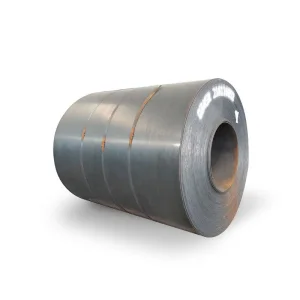

The Global Coated Steel Market Landscape: Macro Shifts & Technical Dynamics
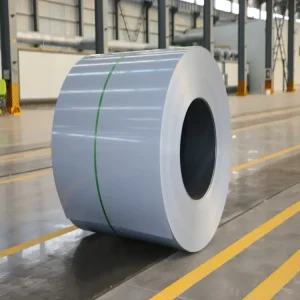
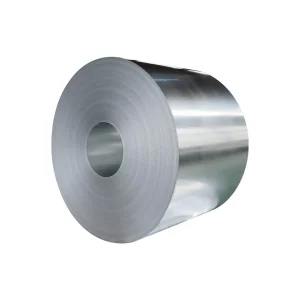
Coated steel flat products—encompassing Hot-Dip Galvanized (GI), Galvalume (55% Al-Zn), Zinc-Aluminum-Magnesium (ZM/AZM), Electro-Galvanized (EG/SECC), and Pre-Painted Steel Coils (PPGI/PPGL)—form the primary structural baseline for modern industrial economies.
Annual Demand & Economic Volatility
With global production exceeding 180 million metric tons annually, demand is driven by rapid urban infrastructure expansion, renewable energy transitions, and clean-energy automotive manufacturing. Procurement engineers face fluctuating zinc and aluminum benchmark prices on the LME (London Metal Exchange), requiring high-precision forward purchasing hedging.
TCO & Life Cycle Optimization
Modern project developers are prioritizing Total Cost of Ownership (TCO) over initial material acquisition prices. High-durability coatings like ZM alloy systems extend asset longevity to 30–50 years in severe C4/C5 marine environments without maintenance intervention, drastically reducing operational downtime.
Decarbonization & Green Steel
Strict Carbon Border Adjustment Mechanisms (CBAM) in the EU and equivalent environmental mandates in North America have forced steelmakers to adopt low-carbon substrate melting via Electric Arc Furnaces (EAF) powered by renewable grids, coupled with zero-emission chemical passivation lines.
Chinese Coated Steel Manufacturing: Precision, Scale & Supply Chain Integration
China’s leadership in global coated steel production is rooted in advanced metallurgic processing lines, automated quality assurance, and complete industrial cluster integration from raw iron ore processing to final coil slitting.
1. Integrated Steelmaking Clusters
Tianjin and coastal industrial zones bring hot-rolling mills, cold-rolling mills, galvanizing lines, and deep-sea port terminals into a unified ecosystem. This vertical alignment eliminates inland logistics delays and minimizes substrate temperature degradation during raw coil handling.
2. Automated Continuous Galvanizing Lines (CGL)
State-of-the-art CGL facilities employ real-time air-knife pressure adjustments linked to laser thickness sensors. This maintains tight coating weight tolerances (from Z60 up to Z600 g/m²) across wide strip speeds reaching 200 meters per minute.
3. High-Precision Alloy & Surface Passivation
Modern Chinese factories integrate online furnace tension control, nitrogen wiping, and induction annealing to manufacture specialized grades like DX53D/DX54D, high-strength G550, and self-healing Zn-Al-Mg coatings with chromate-free surface treatments.
Coating Chemistries & Micro-Structural Performance Matrix
Selecting the optimal coated steel specification requires understanding the sacrificial cathodic protection mechanisms and barrier properties of distinct metallic alloys.
| Coating Type | Alloy Composition | Sacrificial Protection | Salt Spray Resistance (NSS) | Primary Industrial Applications |
|---|---|---|---|---|
| Hot-Dip Galvanized (GI) | 99% Pure Zinc (Zn) | Excellent cathodic protection for sheared cut edges. | 240 – 500 Hours (Z275) | HVAC ducting, framing sections, general agricultural pipes, cable trays. |
| Galvalume (GL / AZ) | 55% Al, 43.4% Zn, 1.6% Si | High-temperature heat reflectivity + dense barrier layer. | 1,000 – 1,500 Hours (AZ150) | Architectural roofing sheets, high-heat furnace panels, metal buildings. |
| Zinc-Aluminum-Magnesium (ZM/AZM) | Zn + 1.5-11% Al + 1.5-3% Mg | Self-healing Simonkolleite film over exposed cut edges. | 2,000 – 4,000+ Hours | Solar PV ground mounting structures, highway barriers, coastal infrastructure. |
| Electro-Galvanized (SECC/SECD) | Pure Zinc Electrolytic Layer | Ultra-smooth surface finish for precision stamping. | 96 – 120 Hours (Unpainted) | Computer chassis, home appliances, automotive interior door panels. |
| Aluminized Silicon (AS / Type 1) | 90% Al, 10% Si Alloy | Heat resistance up to 500°C without discoloration. | 800 – 1,200 Hours | Commercial baking trays (burger buntrays), automotive exhaust systems. |
| Tinplate (ETP / TFS) | Electrolytic Tin / Chromium Clad | Food-safe barrier layer, highly weldable and ductile. | Application-specific lacquers | Food cans, aerosol containers, industrial chemical packaging, crowns. |
Localized Application Scenarios & Real-World Demands
Coated steel must be matched to operational stressors—ranging from chemical fertilizer exposure in agricultural greenhouses to high thermal cycling in industrial baking facilities.
1. Solar Photovoltaic Mounting Tracking Structures
Utility-scale solar farms built in desert, tropical, or saline-alkali environments demand Zn-Al-Mg (ZM275) steel plates. Field drilling and punching on solar racks expose raw steel edges; ZM’s self-healing corrosion properties flow zinc-magnesium hydroxychloride over cuts, eliminating the need for post-fabrication hot-dip galvanizing dipped baths.
2. Commercial Food Baking & Confectionery Equipment
Industrial burger buntrays and bread pan manufacturers rely on DX53D and DX54D grade Aluminized Silicon (AS) coils. The AS coating maintains thermal stability under constant 200°C–450°C baking oven cycles, non-stick surface uniformity, and zero toxic off-gassing during commercial food preparation.
3. High-Humidity Agricultural Greenhouses
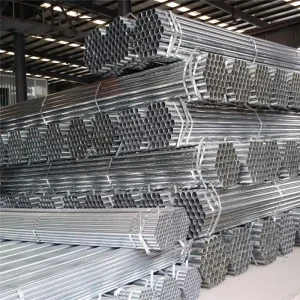
Modern agricultural greenhouses utilize thick-wall pre-galvanized and high-zinc hot-dip galvanized steel pipes. Exposure to chemical fertilizers, organic acids, and continuous 95%+ relative humidity requires a minimum zinc coating thickness of 275 g/m² up to 600 g/m² to prevent white rust and structural collapsing.
4. Precision Consumer Electronics & Home Appliances
Enclosures for servers, audio equipment, and air conditioners require SECC / SECD Electro-Galvanized steel sheets with finger-print resistant (AFP) organic treatments. The smooth micro-surface allows precision micro-stamping without coating flaking or micro-cracking.
5. Architectural Roofing & High-Strength Cladding
Extreme weather roofing panels utilize G550 grade PPGI / PPGL corrugated metal plates. Featuring yield strengths exceeding 550 MPa, these pre-painted galvanized sheets withstand extreme wind uplift forces, tropical storm rains, and high ultraviolet solar radiation.
6. Rigid Sanitary Packaging & Can Manufacturing
The global food packaging industry demands Electrolytic Tinplate (ETP) and Tin Free Steel (TFS). Providing airtight seals, chemical inertness to acidic foodstuffs, and superior surface printability for high-speed lithographic branding.
Future Trends Driving the Coated Steel Ecosystem
The next decade of coated steel production will be defined by nanoscale surface coatings, digital coil tracking, and eco-compliant passivations.
Trivalent Chrome & Bio-Polymer Passivation
With global environmental directives phase-out Hexavalent Chromium (Cr6+), advanced mills have transitioned to 100% RoHS-compliant Trivalent Chromium (Cr3+) passivations and bio-based thin organic coatings (TOC) that offer superior anti-fingerprint and lubricity properties during roll forming.
Ultra-Thin High-Performance Alloy Layers
Nanotechnology-assisted zinc pot control enables the deposition of ultra-thin Zn-Al-Mg-Ni alloy coatings. These coatings match or exceed the corrosion resistance of legacy Z600 hot-dip zinc coatings while consuming 40% less raw zinc material, reducing dead coil weight for ocean freight.
Digital QR Traceability & Smart Mill Certificates
Leading Chinese exporters are embedding unique QR codes onto every individual coil body and eye-to-sky wooden pallet. Field inspectors can scan the code to instantly download digital Mill Test Certificates (MTC EN 10204 3.1), chemical ladle analysis, and original spectrographic test logs.
Global Procurement Checklist: How to Source Coated Steel Safely
Mitigate international import risks, prevent surface white rust in ocean transit, and verify mill specifications before issuance of Irrevocable L/C or T/T wire transfers.
1. Coating Weight Verification
Ensure the specification explicitly defines triple-spot check values vs continuous single-spot values (e.g., ASTM A653 G90 / EN 10346 Z275 = 275 g/m² total both sides). Demand magnetic gauge or weigh-strip-weigh chemical testing prior to container loading.
2. Seaworthy Export Packaging
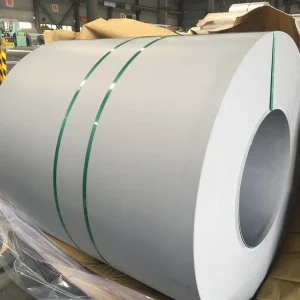
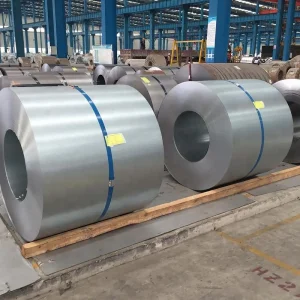
Coils shipped across ocean routes require multi-layer protection: waterproof VCI (Vapor Corrosion Inhibitor) paper, outer steel protective rings, plastic corner protectors, and heavy-duty steel bands fixed onto vertical eye-to-sky or horizontal wooden skids.
3. Mechanical Grade Matching
Distinguish between commercial forming grades (DX51D, CS Type B) and structural load-bearing grades (S350GD, S550GD, SS Grade 80). Using commercial quality steel for high-wind roof purlins can lead to structural yield failure.
Coated Steel Purchasing & Technical Q&A
What is the main difference between Hot-Dip Galvanized (GI) and Galvalume (GL) coated steel?
Why are Zinc-Aluminum-Magnesium (ZM/AZM) coatings replacing traditional galvanized steel in solar mounting structures?
How do DX53D and DX54D Aluminized Silicon (AS) coils perform in baking pans and food tray applications?
What surface spangle options are available for Galvanized Steel Coils and how do they affect end-use?
1. Regular Spangle: Visible crystalline zinc flowers, suitable for unpainted structural ducting and outdoor pipes.
2. Minimized Spangle: Barely visible zinc crystals skin-passed for smoother texture.
3. Zero Spangle (Extra Smooth): Complete absence of visible zinc crystals, achieved via specialized cooling or zinc bath additions, mandatory for high-gloss appliance painting and auto body panels to prevent paint surface telegraphing.
What is the shelf life of pre-galvanized vs hot-dip galvanized steel pipes in humid transit conditions?
What mill test certificates (MTC) and quality documentation should accompany an ocean shipment?
Explore Complete Industrial Steel Coil & Pipe Supply