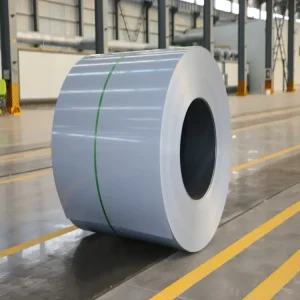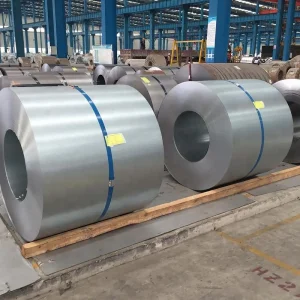
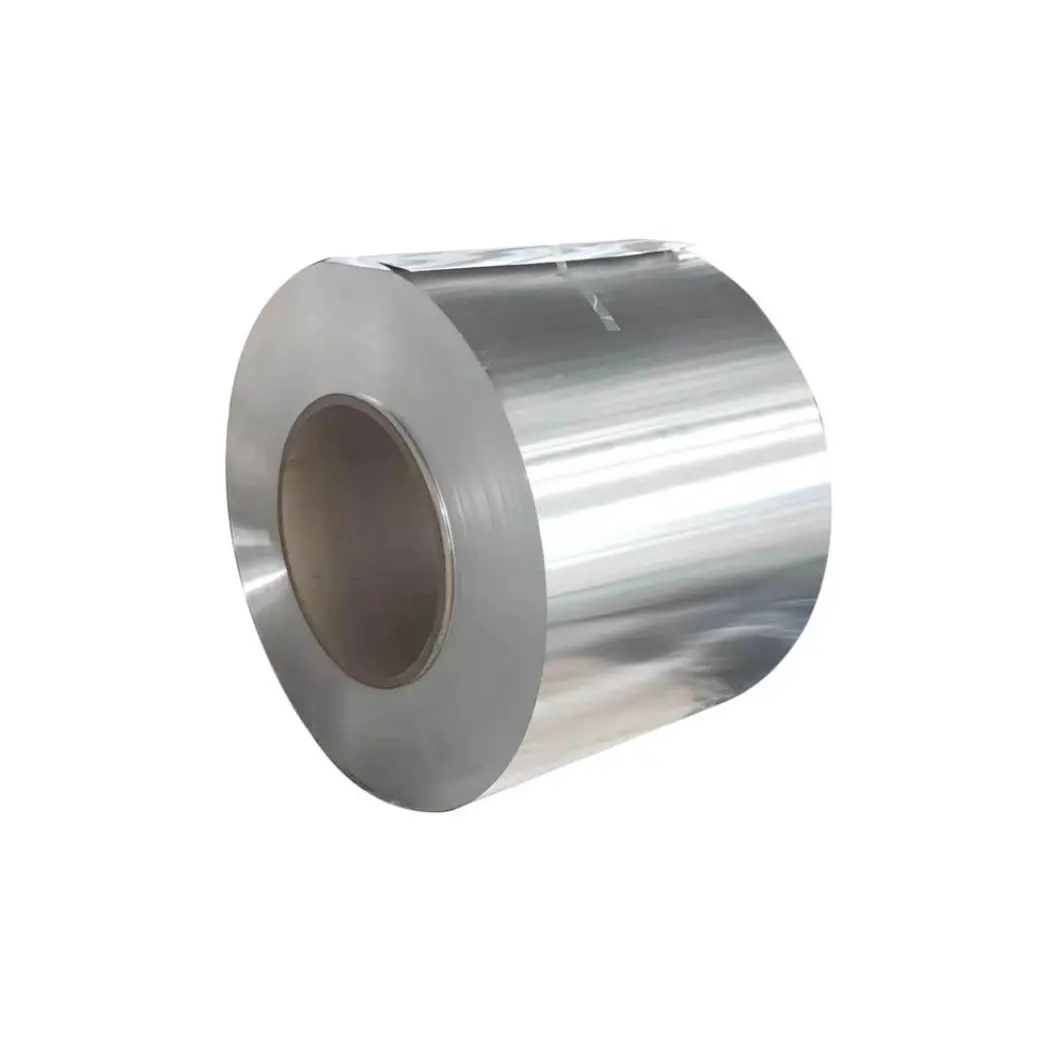
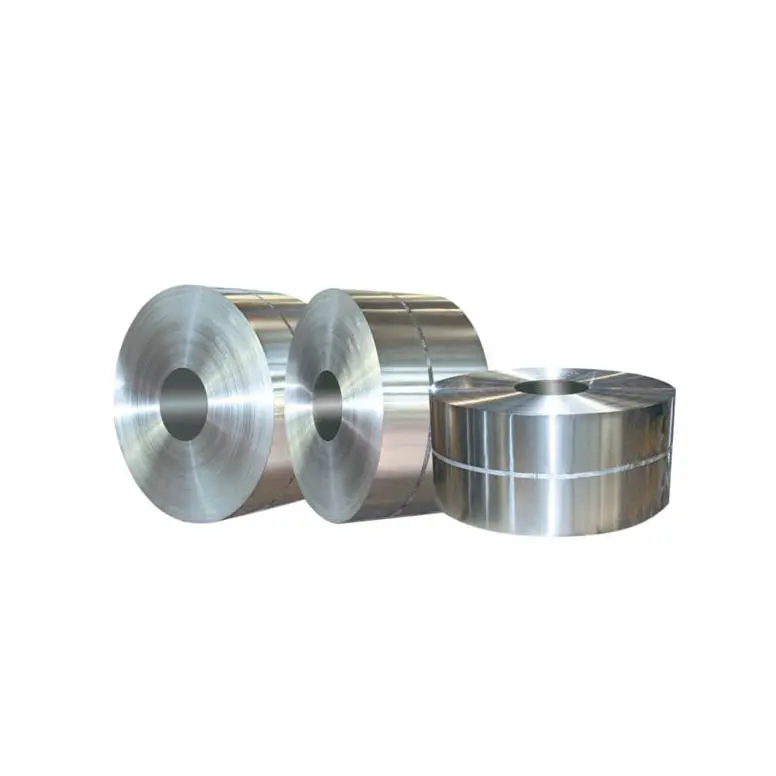
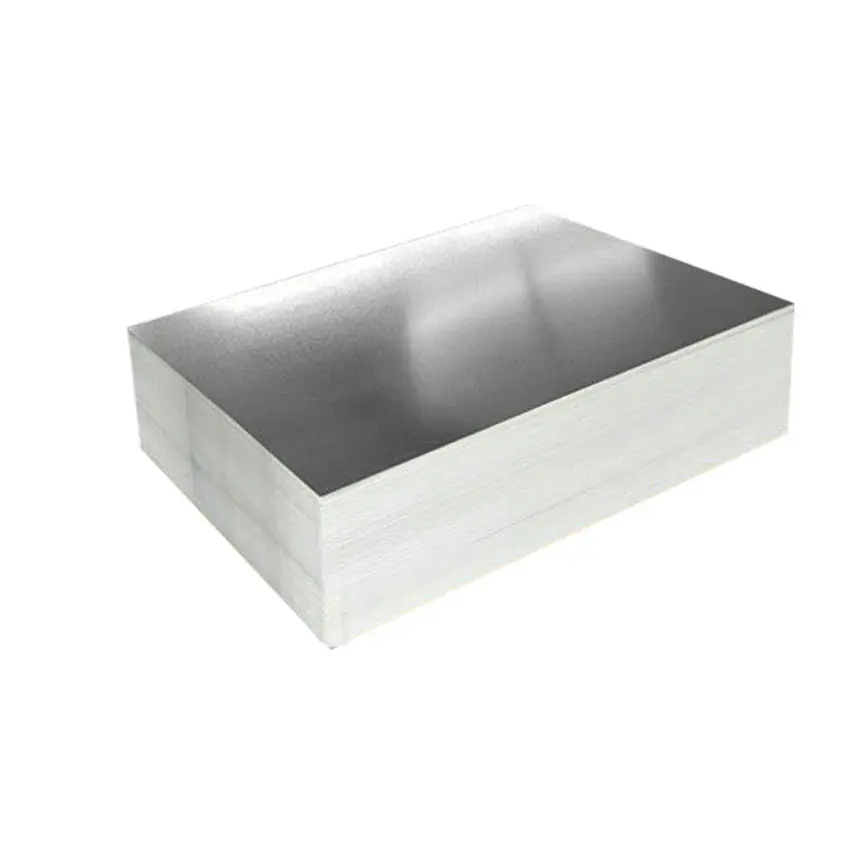
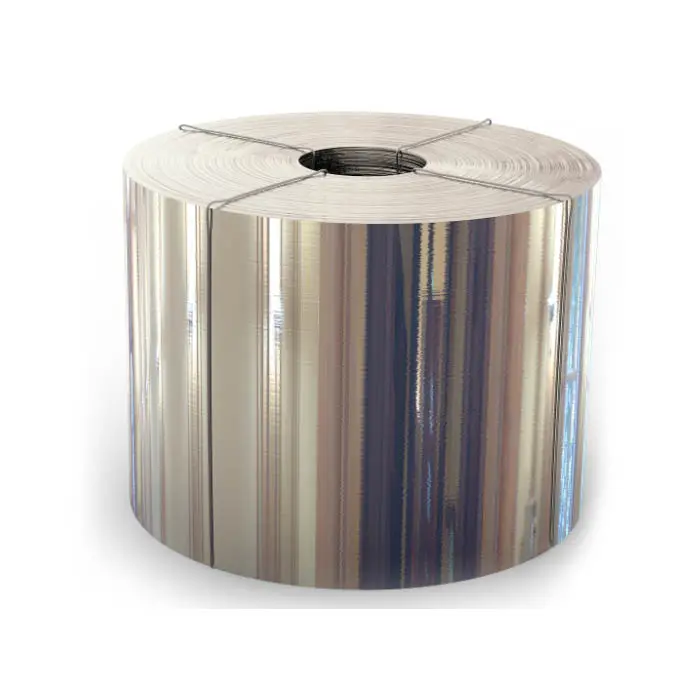
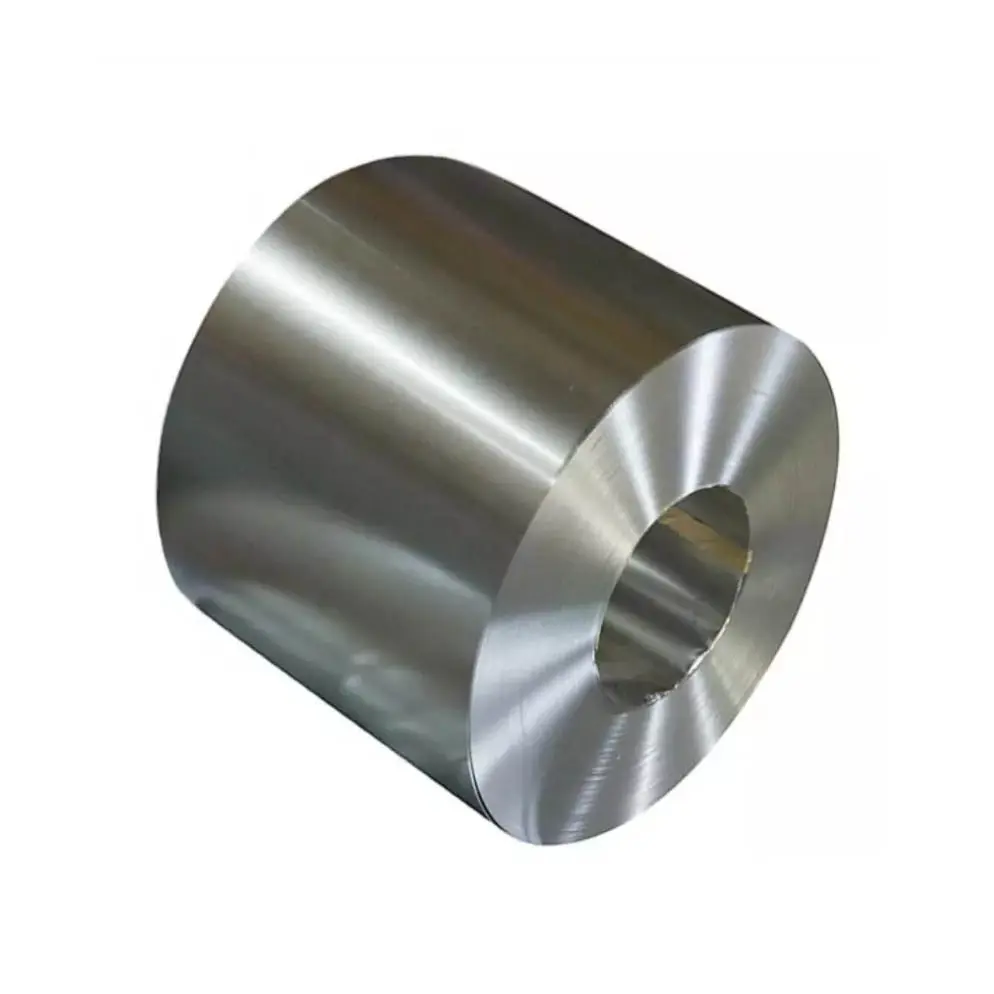
High-Quality Electrolytic Tinplate ETP and TFS Tin Clad Steel or for Packaging Manufacturer, Factories
Product Description
Tinplate / Tin Coils Specifications
| Product | Tinplate/ Tin coils |
| Standard | GB/T 2520-2008, JIS G3303-2008, DIN EN 10203-1991 and ASTM A623M-2011 |
| Material | SPCC, MR, SPCH |
| Thickness Available | 0.135-0.7mm (tolerance -/+0.01 mm) |
| Width Available | 300~1250mm (Tolerance: 0~3mm) or as per customers' requires |
| Coils ID | 508 / 610 |
| Tin Coating | 2.8g/2.8g, 5.6g/5.6g, 2.8/5.6, 2.0/2.0 gr/m² or according to customer's requirement |
| Temper | T2, T2.5, T3, T3.5, T4, T5, DR7, DR7M, DR8 BA & CA |
| Annealing | CA (Continuous annealing) and BA (Batch annealing) |
| Surface | Bright/Stone/Silver finish with passivation treatment; DOS oil |
| Usage | Widely used for metal packaging industry, such as making cans for food, tea, oil, paints, chemicals, aerosol, gifts, printing. |
| Certificate | ISO, BV, SGS |
Product Advantages
Product Description
Tinplate can be found everywhere in our household. Tinplate concerns thinly-rolled sheet steel on which a thin layer of tin is applied.
This layer of tin protects the metal against corrosion. Tinplate is often used as packaging material. Think of aerosols/spray cans, beverage cans, bottle caps and crown corks, but also paint cans as well as wrapping paper for chocolate and candies.
Tinplate is very well-suited for recycling purposes, as opposed to plastic and other synthetic packaging materials. Like many other metals, tinplate is 100% recyclable. The sustainable and circular character of tinplate contributes to the large-scale usage of tinplate as packaging material, such as in the food industry.
Tinplate is used for making all types of containers such as food cans, beverage cans, 18-liter cans, and artistic cans. Its applications are not limited to containers; recently, tinplate has also been used for making electrical machinery parts and many other products.