
Stainless Steel Supplier & Factories
Comprehensive Technical Procurement Guide, Metallurgical Grade Benchmarking, and Direct Mill Manufacturing Capacities from China’s Premier Stainless Steel Infrastructure
Primary Stainless Steel & Structural Coil Products
Mill-direct cold-rolled, hot-rolled, and precision-coated steel coils engineered for global industrial, architectural, and structural applications.
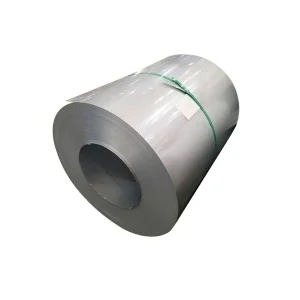
High-Quality 2B BA No.1 No.4 Hl 8K Cold Rolled 201 304 304L 316 316L 309S 310S 321 430 2205 904L Roll Stainless Steel Coi Supplier, Factory
View Product Details →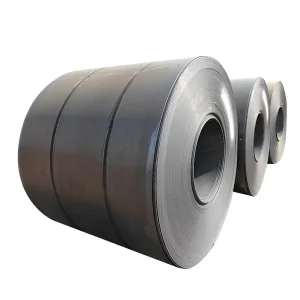
High-Quality Hot Rolled Steel Plate from China Suppliers – Quality Products from Reliable Factory Manufacturers, Factories
View Product Details →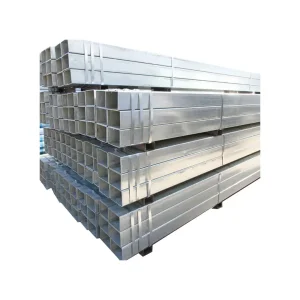
Wholesale 40x40 Tube Shs Hot Dip 200*100 Rectangle Galvanized Square Steel Pipe Manufacturers, Suppliers
View Product Details →
Wholesale High-Quality Hot Rolled Pickled & Oiled (HRPO) Steel from China Suppliers & Factory - Smooth Finish and Fabricating Advantages Manufacturer, Factory
View Product Details →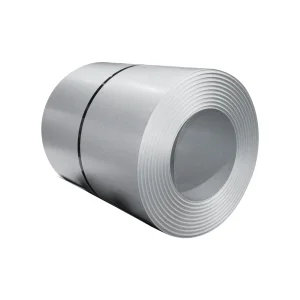
Wholesale China Suppliers Factory ZM AZM Coated Steel Sheet 275g Zinc Aluminum Magnesium for Solar Mounting Structures Supplier, Factory
View Product Details →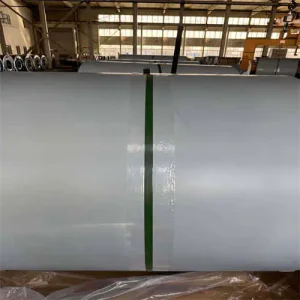
High-Quality China Suppliers Factory: High-Quality Electrogalvanized Steel Coils for Door Gates Supplier, Suppliers
View Product Details →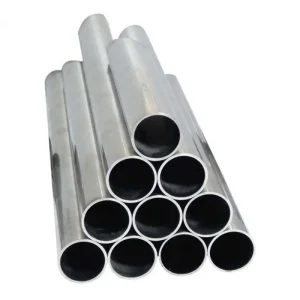
Wholesale High Zinc Hot-Dip Galvanized Steel Pipes - China Suppliers & Factory for Greenhouse and Agricultural Applications Manufacturer, Manufacturers
View Product Details →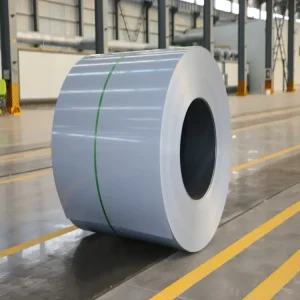
High-Quality China G550 PPGI PPGL Galvanized Corrugated Metal Roof Sheets - Suppliers & Factory Direct Quality Roofing Solutions Manufacturers, Factory
View Product Details →Global Stainless Steel Industry Landscape & Industrial Macro-Dynamics
An authoritative analysis of global production shifts, raw material economics, and China's central position in advanced stainless steel manufacturing.
The global stainless steel industry represents a cornerstone of modern industrial infrastructure, aerospace engineering, chemical processing, and sustainable architecture. Accounting for over 58 million metric tons of crude stainless steel output annually, the global market is undergoing a rapid evolution driven by high-efficiency smelting technologies, decarbonization imperatives, and demanding corrosion-resistant application requirements. Procurement executives, project engineers, and industrial buyers no longer evaluate stainless steel purely on price per ton; instead, value verification requires an end-to-end understanding of metallurgical purity, phase-structure stability, micro-alloying precision, and supply chain reliability.
China's dominance in stainless steel manufacturing (accounting for over 56% of worldwide production) stems from radical technological integration. By coupling Nickel Pig Iron (NPI) rotary kiln-electric furnace (RKEF) hot-metal charging directly with Argon Oxygen Decarburization (AOD) converters, modern Chinese mills have eliminated remelting energy penalties, cutting carbon footprints by up to 18% while achieving unmatched chemical homogeneity across 300-series and duplex grades.
Global demand patterns are expanding beyond traditional architectural cladding and consumer appliances. Major growth drivers include solar photovoltaic mounting structures, hydrogen storage vessel liners, marine desalination pipelines, and high-nickel electric vehicle battery enclosure systems. To navigate this complex procurement market, strategic buyers must align with suppliers capable of providing full metallurgical traceability, certified EN 10204 3.1/3.2 Mill Test Certificates (MTC), and bespoke surface finishing engineering.
Comprehensive Stainless Steel Metallurgy & Grade Selection Framework
Engineering breakdown of Austenitic, Ferritic, Martensitic, and Duplex crystal structures, alloying elements, and pitting resistance metrics.
Stainless steel derives its passivation capability from a microscopic chromium-oxide (Cr₂O₃) surface layer that spontaneously forms in the presence of oxygen. However, selecting the optimal grade requires balancing mechanical yield strength, thermal expansion, pitting corrosion resistance, and chloride stress-corrosion cracking (SCC) immunity. The Pitting Resistance Equivalent Number (PREN) serves as the industry-standard mathematical metric for evaluating localized corrosion resistance:
Austenitic Family (300 & 200 Series)
Featuring a Face-Centered Cubic (FCC) crystal lattice stabilized by Nickel and Manganese. Non-magnetic in annealed state, exhibiting supreme ductility, cryogenic toughness, and excellent weldability. Grades include 304/304L (18/8 standard), 316/316L (Molybdenum-enhanced for chloride environments), and heat-resistant 309S/310S (up to 1150°C oxidation resistance).
Duplex & Super Duplex (2205 / 904L)
Engineered with a balanced 50/50 phase ratio of Austenite and Ferrite. Offers double the yield strength of 304/316 stainless steel combined with exceptional resistance to stress corrosion cracking (SCC) in marine, offshore oil & gas, and aggressive acid environment operations. PREN values range from 32 to >43.
| Grade Designation | Microstructure | Nominal Composition (% Cr - Ni - Mo) | PREN Value | Primary Industrial Application |
|---|---|---|---|---|
| AISI 201 | Austenitic (Low-Ni) | 16-18 Cr / 3.5-5.5 Ni / 0.15 N (High Mn) | ~17.5 | Decorative trim, food catering equipment, structural posts |
| AISI 304 / 304L | Austenitic Standard | 18-20 Cr / 8-10.5 Ni / 0 Mo | ~19.0 | General fabrication, dairy processing, architectural panels |
| AISI 316 / 316L | Austenitic Marine | 16-18 Cr / 10-14 Ni / 2.0-3.0 Mo | ~25.0 | Chemical reactors, pharmaceutical equipment, marine fittings |
| AISI 321 | Ti-Stabilized Austenitic | 17-19 Cr / 9-12 Ni / Ti = 5x(C+N) | ~20.0 | Aircraft exhaust manifolds, expansion bellows, furnace tubing |
| AISI 430 | Ferritic | 16-18 Cr / <0.75 Ni / 0 Mo | ~16.5 | Home appliances, dishwasher liners, automotive interior trim |
| Duplex 2205 | Austenitic-Ferritic | 22-23 Cr / 4.5-6.5 Ni / 3.0-3.5 Mo / 0.14-0.20 N | ~35.0 | Desalination plants, pulp & paper digesters, subsea pipelines |
| Super Austenitic 904L | High-Alloy Austenitic | 19-23 Cr / 24-28 Ni / 4.0-5.0 Mo / 1.0-2.0 Cu | ~36.5 | Sulfuric acid production, seawater cooling systems, refineries |
Surface Metallurgy & Mechanical Finishing Standards
Surface roughness ($R_a$) directly governs cleanability, bacterial adhesion, and localized pitting susceptibility. Modern mills supply a range of mechanical and chemical surface finishes:
- No.1 Finish: Hot-rolled, annealed, and descaled (pickled). Uniform matte finish used in industrial tanks and heavy structural components.
- 2B Finish: Cold-rolled, heat-treated, pickled, followed by a light skin-pass roll. Smooth, moderately reflective surface ideal for deep drawing and general fabrication.
- BA (Bright Annealed): Cold-rolled and bright annealed in a controlled atmosphere (Hydrogen/Nitrogen) furnace. Ultra-smooth, mirror-like finish preserving high reflectivity.
- No.4 / Hairline (HL): Polished with 150-240 grit abrasives. Unidirectional linear grain pattern widely specified for architectural elevator panels, kitchen facades, and cleanrooms.
- 8K Mirror Polishing: Precision chemical-mechanical polishing yielding an optic-grade, distortion-free reflective mirror surface.
China Manufacturing Ecosystem & Operational Cost Advantages
Why leading global EPCs, stockists, and OEMs source raw stainless steel and structural sections directly from Chinese manufacturing hubs.
Vertical Value Chain Integration
Chinese factories operate end-to-end integration: from overseas nickel mining investments and molten NPI transport to 20-high Sendzimir cold-rolling mills and automated slitting lines, reducing middleman markups by 15-22%.
Precision Tolerance & Quality Control
State-of-the-art AGC (Automatic Gauge Control) laser measurement systems guarantee ultra-tight wall thickness and strip tolerances ($\pm 0.02\text{ mm}$), ensuring zero jam-ups during high-speed automated stamping and roll-forming.
Port Logistics & Rapid Lead Times
Direct positioning near major deep-water seaports (Tianjin, Shanghai, Ningbo) enables optimized seaworthy packing (wooden pallets, VCI anti-rust paper, steel strapping) and fast containerized or breakbulk shipping schedules.
Targeted Industrial Applications & Material Performance Specifications
Matching material microstructures with operational stress environments, chemical exposure, and architectural longevity criteria.
1. Solar Energy Infrastructure & Green Hydrogen
Next-generation solar farms deployed in coastal or desert environments demand extreme atmospheric corrosion resistance. High-zinc hot-dip galvanized steel, Zinc-Aluminum-Magnesium (ZM/AZM 275g) coatings, and 304/316 stainless fasteners provide a maintenance-free 25-year service life against salt-spray pitting and galvanic degradation.
2. Commercial Food Processing & Bakery Manufacturing
Sanitary standards (FDA, EHEDG) mandate non-porous surfaces that prevent biofilm buildup. DX53D/DX54D Aluminized Silicon Coated steel coils and 304 2B/BA stainless steel offer thermal transfer efficiency, non-stick performance, and corrosion resistance against hot organic acids in commercial baking trays and food conveyors.
3. Chemical Processing, Desalination & Offshore Structures
Handling aggressive inorganic acids ($H_2SO_4, HCl$) and high-pressure saline brine requires Molybdenum and Nitrogen micro-alloyed materials. Duplex 2205 and Super Austenitic 904L prevent chloride pitting, crevice corrosion, and stress corrosion cracking in high-velocity pump casings, heat exchangers, and RO pressure vessels.
4. Architectural Facades & Automotive Engineering
Deep-drawing cold-rolled sheets with superior elongation allow flawless press-forming of complex automotive body panels, gate frames, and structural profiles (Q195/Q235/Q345 structural iron). Hairline (HL) and 8K mirror stainless sheets elevate modern skyscraper curtain walls.
Strategic Procurement Framework & Quality Verification Protocol
A step-by-step risk mitigation guide for international buyers issuing Requests for Quotation (RFQs) and auditing Chinese manufacturing facilities.
To eliminate procurement risks associated with grade substitution, thickness under-tolerance, or sub-standard surface pass Passivation, global engineering buyers must enforce a stringent quality audit workflow prior to bill of lading (B/L) release:
1. Chemical XRF & Spectrometric Verification
Mandate handheld XRF or optical emission spectrometry (OES) testing upon mill dispatch to confirm exact Nickel, Chromium, and Molybdenum weight percentages prior to coiling or bundling.
2. Mechanical Yield & NDT Testing
Verify tensile strength, yield stress ($R_{p0.2}$), elongation percentage, and Hardness (HV/HB/HRB). Pipe lines must undergo 100% continuous Eddy Current or Hydrostatic testing.
3. Documentation & Certification Traceability
Require EN 10204 3.1 Mill Test Certificates directly tied to heat numbers stamped on physical steel tags, backed by third-party inspection (SGS, BV, Intertek, TÜV).
Specialized Coated Steel, Pipes & Structural Processing Materials
Expanded industrial line including tinplate, pickling steel, high-tensile corrugated roofing sheets, and deep-drawing coils.
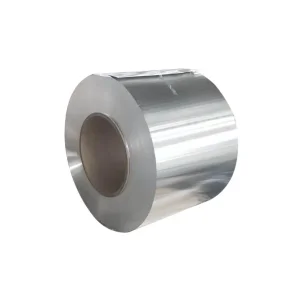
High-Quality Electrolytic Tinplate ETP and TFS Tin Clad Steel or for Packaging Manufacturer, Factories
View Product Details →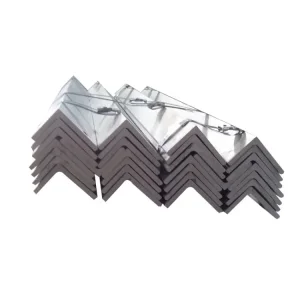
Wholesale Steel Processing Parts Q195 Q215 Hot Rolled steel angle iron beam steel structural Manufacturers, Supplier
View Product Details →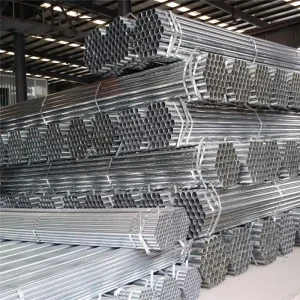
Wholesale Thick-Wall Pre-Galvanized Steel Pipe for Greenhouse - China Suppliers & Factory Quality at Competitive Prices Manufacturer, Supplier
View Product Details →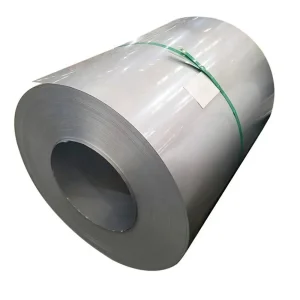
Wholesale China Suppliers Factory 8K Cold Rolled Stainless Steel Coil 201 304 316 430 2205 904L Suppliers, Factory
View Product Details →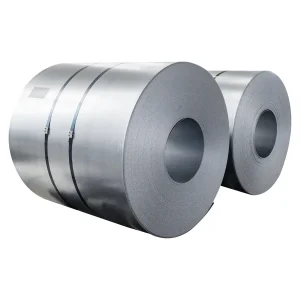
High-Quality China Suppliers Factory DX51D ZF60 ZF275 Galvannealed Steel Coil - Zinc Iron Alloy Coating for Welding and Painting Manufacturer, Manufacturers
View Product Details →
High-Quality China Suppliers Factory G550 PPGI PPGL Galvanized Corrugated Metal Roof Steel Sheets Suppliers, Factories
View Product Details →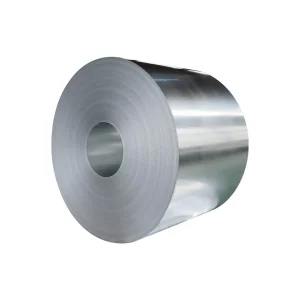
High-Quality China Suppliers Factory for DX53D DX54D Aluminized Silicon Coating Coils for Bread Pans and Burger Buntrays Manufacturer, Suppliers
View Product Details →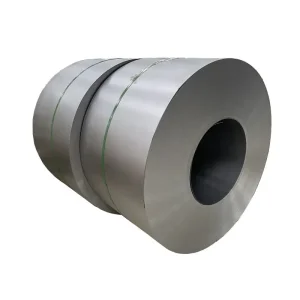
Wholesale High Strength Cold Rolled Steel Sheets for Extra Deep Drawing - Top China Suppliers & Factory Supplier, Suppliers
View Product Details →Future Industry Trends & Technological Innovations (2025–2030)
Emerging metallurgical horizons shaping global steel manufacturing and sustainable supply chain dynamics.
The next decade will witness a profound technological transformation in stainless steel manufacturing. As global environmental regulations tighten and clean energy infrastructure accelerates, leading mills are integrating advanced AI-driven process automation and low-carbon metallurgical pathways:
- Hydrogen-Based Direct Reduction (H2-DRI): Transitioning from coal-fired blast furnaces to green hydrogen reduction, dramatically minimizing Scope 1 carbon intensity in raw iron production.
- Ultra-Thin Precision Stainless Foil: Scaled production of $0.02\text{ mm} - 0.05\text{ mm}$ stainless steel foils required for hydrogen fuel cell bipolar plates, lithium battery current collectors, and flexible solar substrate panels.
- AI Optical Defect Scanning & Automated Sorting: High-speed surface inspection cameras operating on real-time neural networks, detecting micro-scratches, pinholes, and passivating defects at rolling speeds of up to 1,200 meters per minute.
- Zinc-Aluminum-Magnesium (ZM) Alloy Coatings: Rapidly replacing conventional hot-dip galvanizing in high-humidity and agricultural environments due to self-healing cut-edge corrosion protection.
Frequently Asked Questions: Technical Sourcing & Metallurgical Inquiries
Expert answers addressing critical procurement questions, material selection criteria, and order logistics.