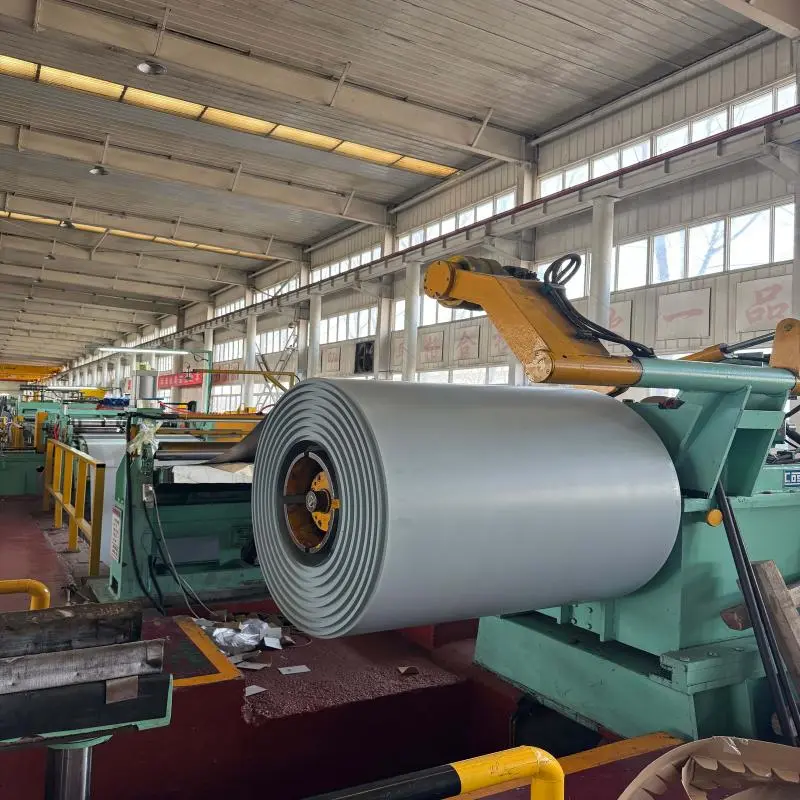
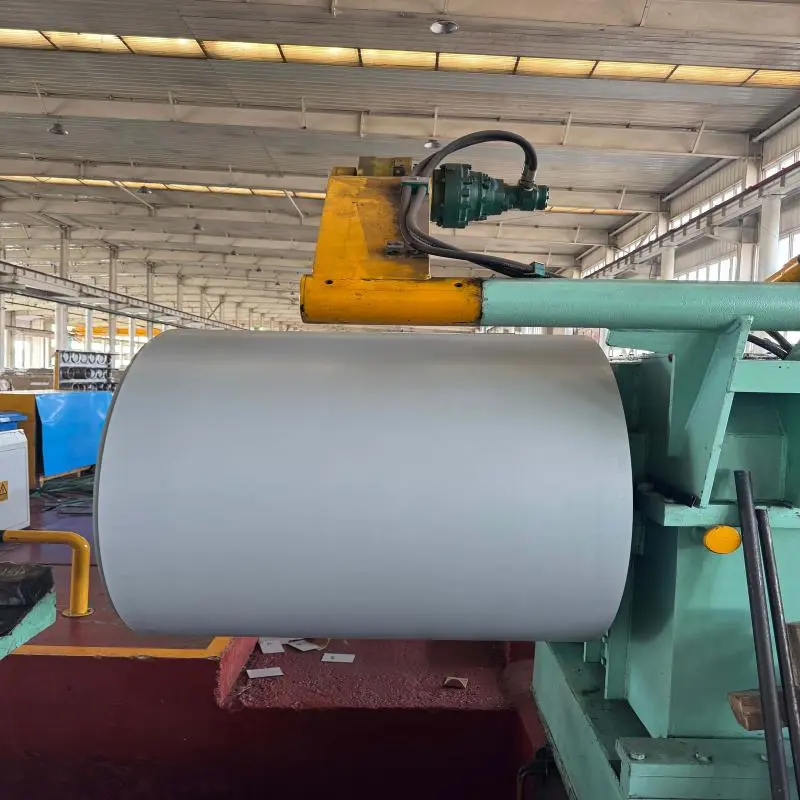
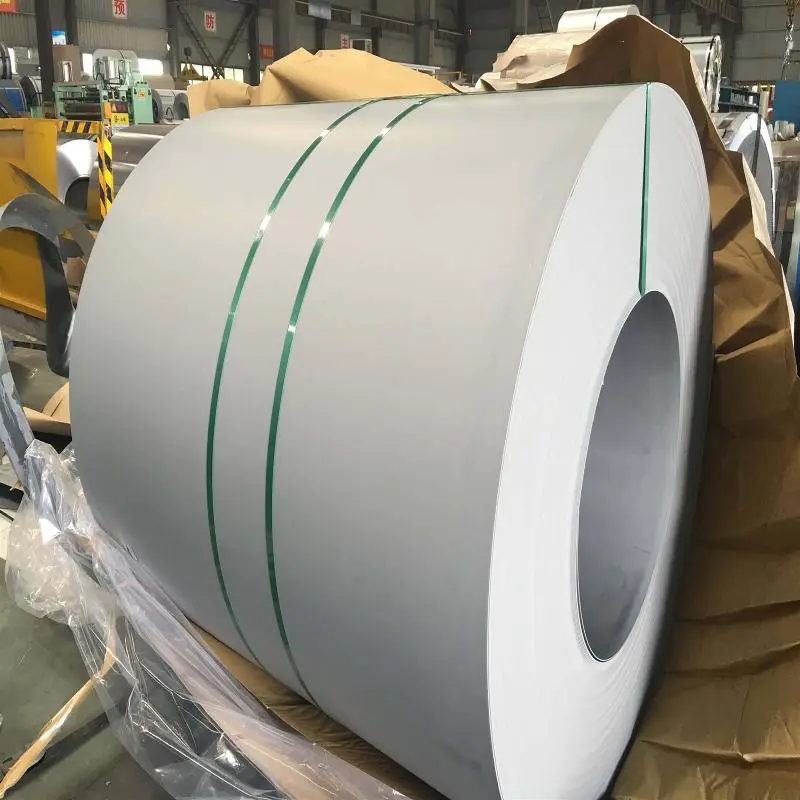
High-Quality Electrogalvanized Steel: Top Quality from China Suppliers & Factory with SPCC/SPCD Grades and Zinc Coating Options Supplier, Suppliers
Product Description
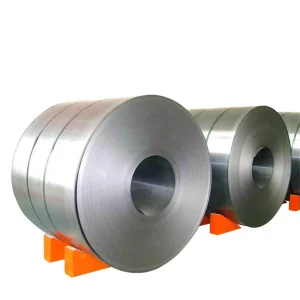
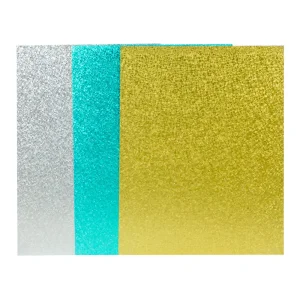
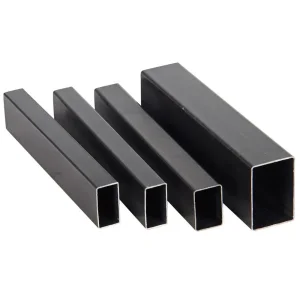
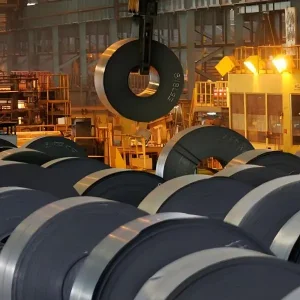
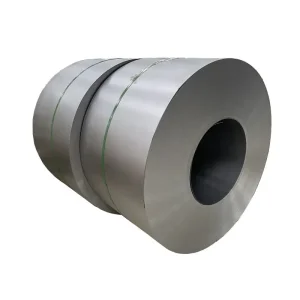
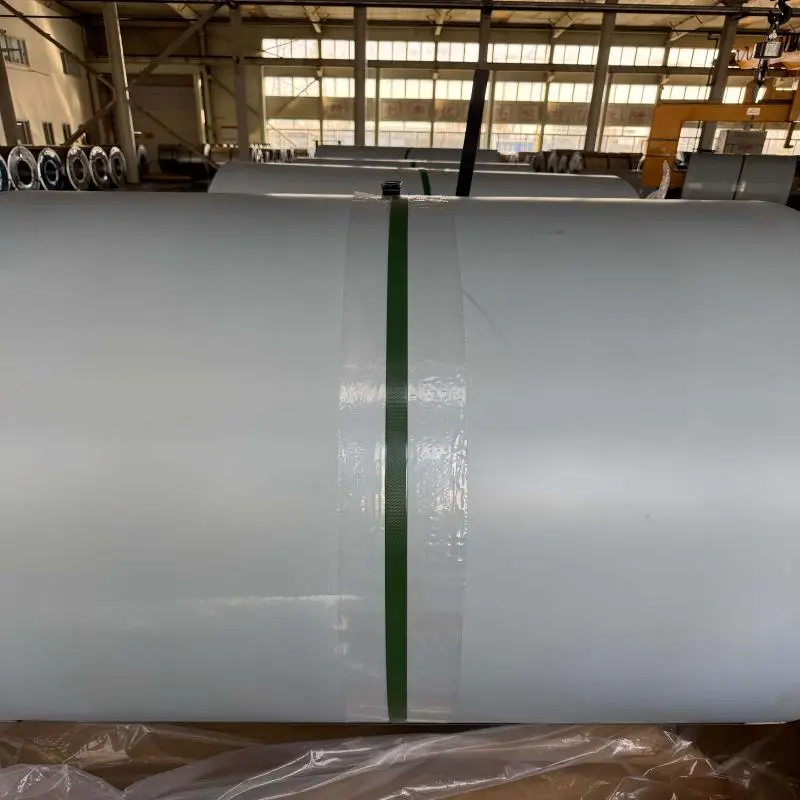
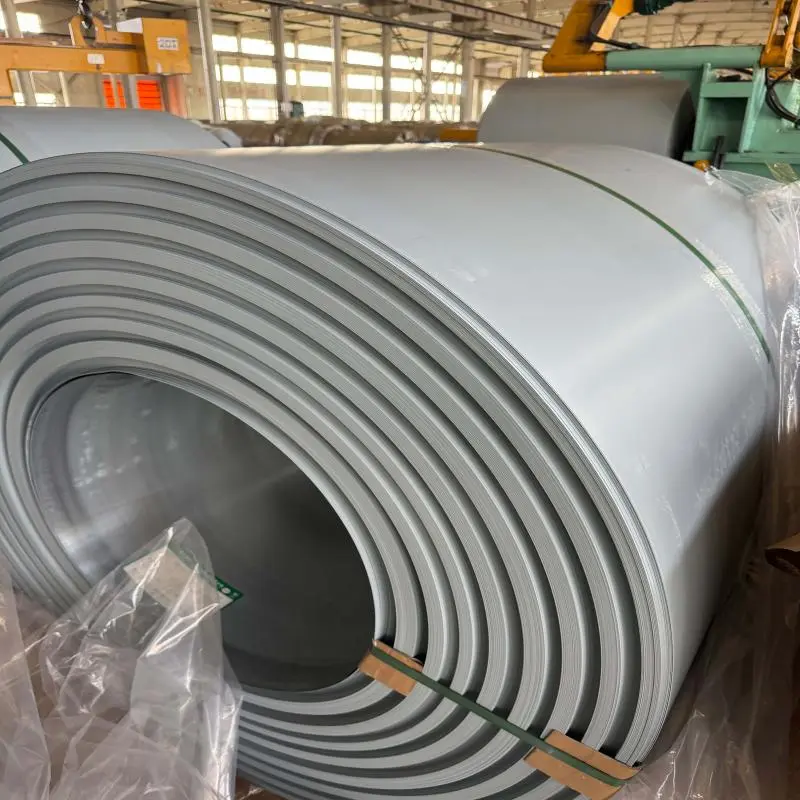
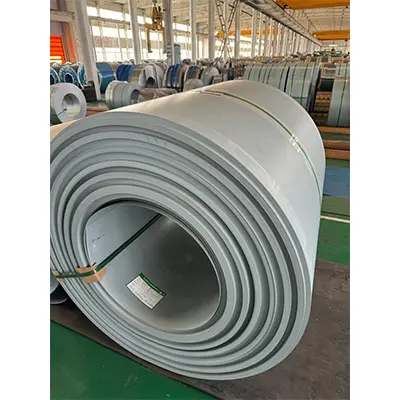
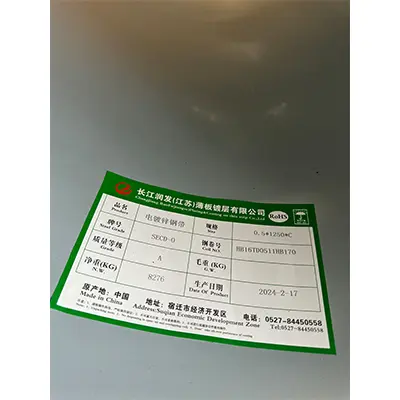
Electrogalvanized Products
Thus, standard steel grades become:
- SPCC → SECC
- SPCD → SECD
- SPCE → SECE
- SPCF → SECF
- SPCG → SECG
Electrogalvanizing Process
Electrogalvanizing electrodeposits a zinc layer onto steel substrates using DC current through a zinc-salt electrolyte solution. This process:
- Provides corrosion resistance
- Extends service life
- Enhances aesthetic quality
Corrosion Protection Mechanism
Zinc's oxidation resistance protects steel in both dry and humid environments. If damaged, a zinc-steel galvanic couple sacrificially protects the substrate.
What are the typical electrogalvanized products derived from standard steel?
Through the electrogalvanizing process, standard steel grades are transformed as follows: SPCC becomes SECC, SPCD becomes SECD, SPCE becomes SECE, SPCF becomes SECF, and SPCG becomes SECG.
How does the electrogalvanizing process work?
Electrogalvanizing electrodeposits a zinc layer onto steel substrates by running a direct current (DC) through a zinc-salt electrolyte solution.
What are the main benefits of electrogalvanizing?
The primary benefits include providing excellent corrosion resistance, significantly extending the service life of the material, and enhancing the overall aesthetic quality.
How does zinc protect the steel substrate from corrosion?
Zinc's natural oxidation resistance protects the steel in both dry and humid environments. If the surface is damaged, a zinc-steel galvanic couple is formed, which sacrificially protects the underlying steel substrate.
What does the standard surface preparation involve?
Surface preparation is the first step in the flow and involves alkaline degreasing, followed by a hot water rinse, acid pickling, and a final rinsing step before electroplating.
What steps are included in post-treatment and quality assurance?
Post-treatment involves chromate passivation, a hot water rinse, and drying. Finally, Quality Assurance ensures the product meets standards through rigorous inspection before packaging.