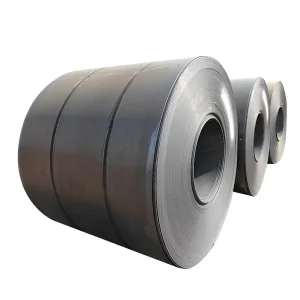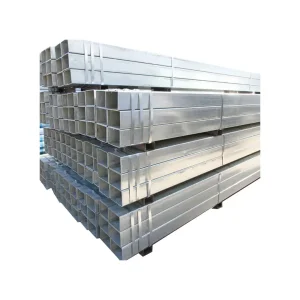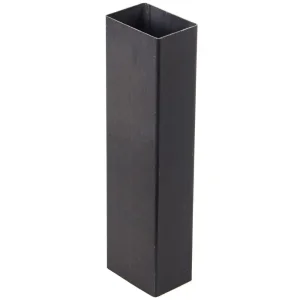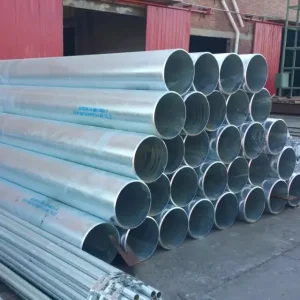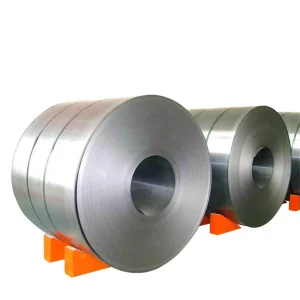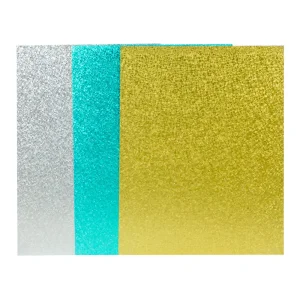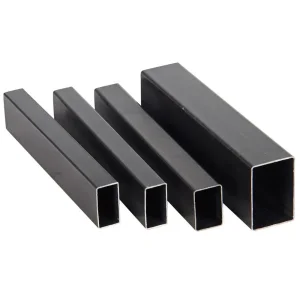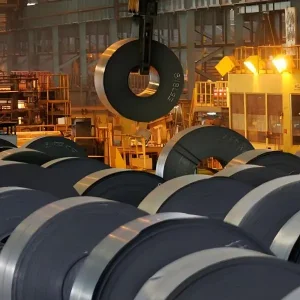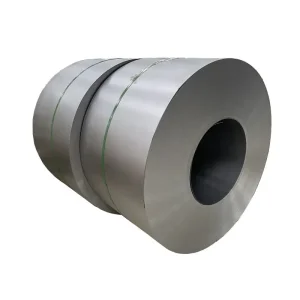
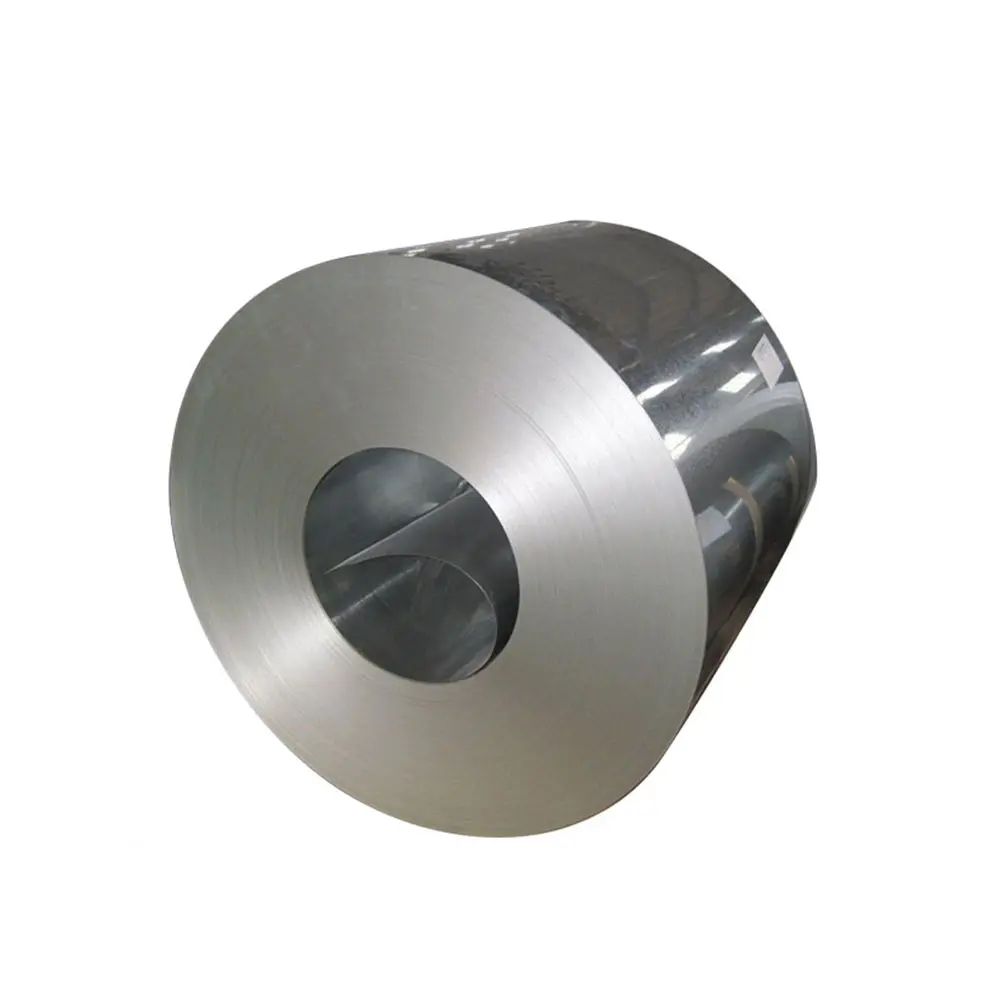
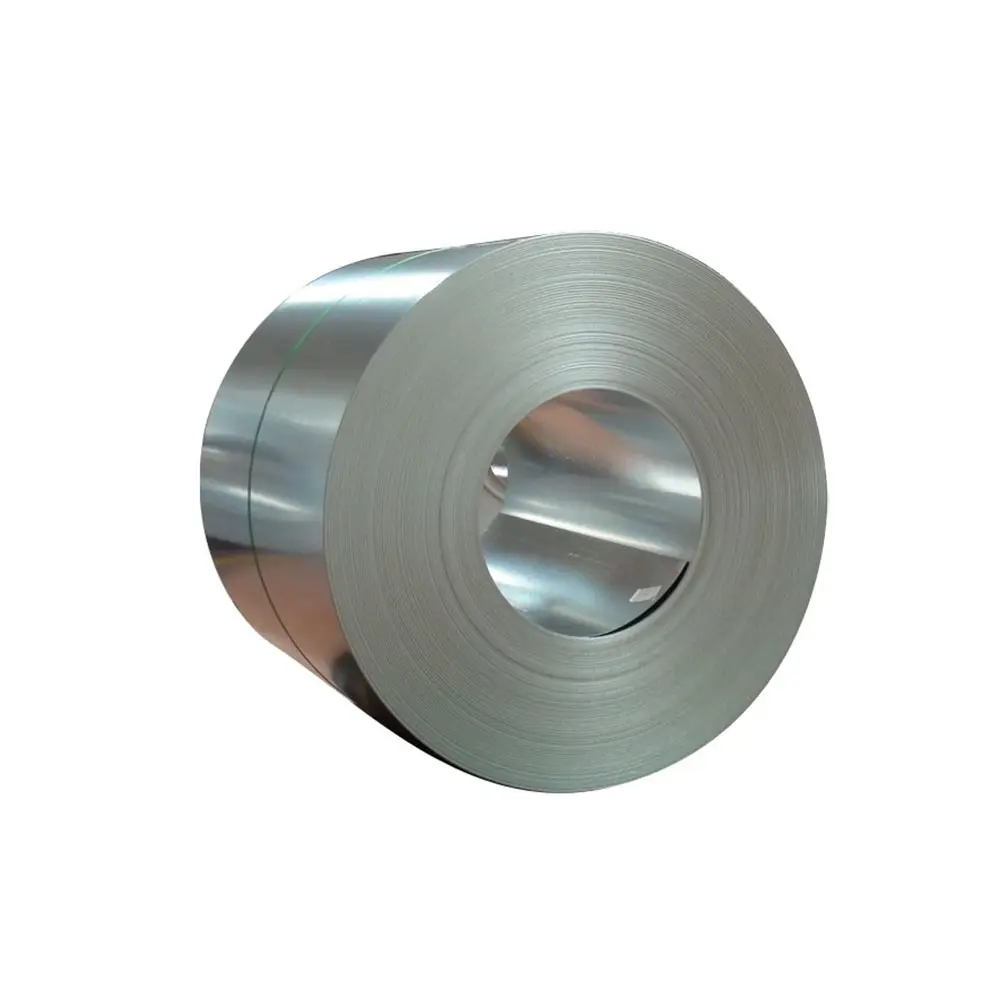
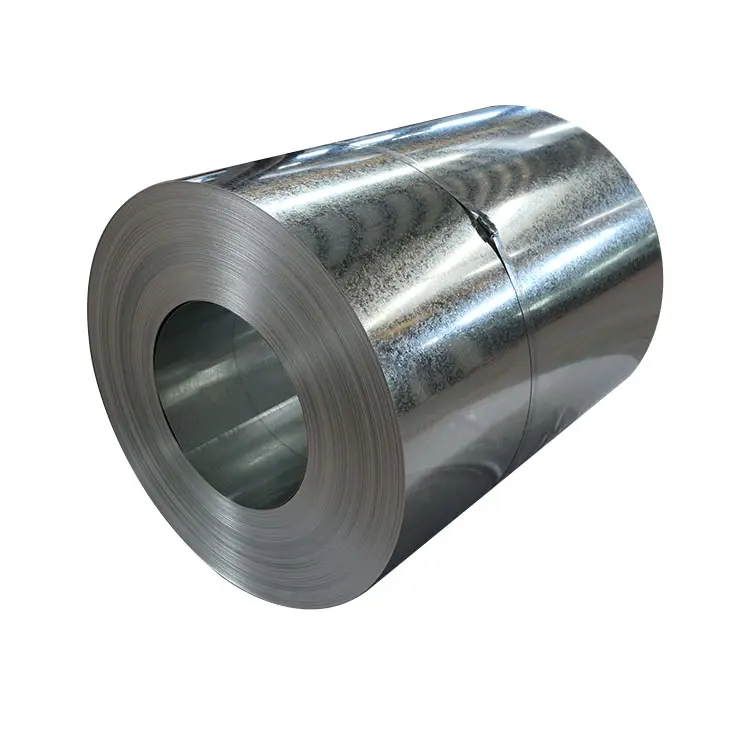
High-Quality Customized Hot Dip Galvanized Steel Coils ASTM A653 DX51D Z275 from China Suppliers and Factory Manufacturer, Suppliers
Product Description
SMSTEEL Galvanized Steel Coil/Strip With Deep Drawing More Details
| Product Name | Galvanized steel coil/strip with deep drawing |
| Technical Standard | EN10142, DIN 17162, JIS G3302, ASTM A653, SGH540, SGCD1, etc. |
| Steel Grade | Dx51D, Dx52D, Dx53D, DX54D |
| Type | Coil / Sheet / Plate / Strip |
| Thickness | 0.12-6.00mm, or customer's requirement |
| Width | 600mm-1500mm, according to customer's requirement |
| Type of Coating | Hot Dipped Galvanized Steel (HDGI) |
| Zinc Coating | 30-275g/m² |
| Quality | Approved by SGS, ISO |
| Package | Export standard package or according to customer requirements |
SMSTEEL Hot-Dip Galvanized Steel Benefits
Hot-dip galvanizing has been specified to combat steel corrosion for more than 100 years; however, the specification and use of galvanized steel evolves constantly as new markets emerge. Though corrosion resistance is inherent any time hot-dip galvanizing is utilized, there are a number of other benefits including low initial and life-cycle costs, durability, longevity, availability, versatility, sustainability, and aesthetics that lead to the specification of galvanized steel.
Steel is an abundant, efficient building material that provides specifiers design freedom. However, for projects exposed to the atmosphere and other harsh environments, it is critical to coat the steel for corrosion protection. Often large construction projects target a 50-100 year design life, highlighting the need for durable, long lasting corrosion protection. Hot-dip galvanizing (HDG) provides three levels of corrosion resistance to steel: barrier protection, cathodic protection, and the zinc patina.
Hot-dip galvanizing, like other coatings, isolates the steel from the environment providing basic, barrier protection. The intermetallic layers of the zinc coating are tightly bonded (~3600 psi) to the base steel making damage difficult. Galvanizing also provides cathodic protection, meaning the zinc will sacrifice itself to protect the underlying steel. Even if the coating is scratched, the surrounding zinc will continue to resist corrosion of the steel.
In addition to the barrier and cathodic protection, hot-dip galvanizing has a third level of protection - the zinc patina. As zinc is exposed to the environment, it naturally forms by-products on the surface which slows the corrosion rate and acts as an additional environmental barrier. When the zinc patina is fully developed, hot-dip galvanized steel will corrode at approximately 1/30th the rate of steel in the same environment.
Frequently Asked Questions
What technical standards do your galvanized steel coils meet?
Our galvanized steel coils and strips comply with multiple international standards, including EN10142, DIN 17162, JIS G3302, ASTM A653, SGH540, and SGCD1.
What are the available thickness and width dimensions?
We offer thicknesses ranging from 0.12mm to 6.00mm, and widths from 600mm to 1500mm. We can also customize dimensions according to specific customer requirements.
What are the main benefits of hot-dip galvanized steel?
Key benefits include excellent corrosion resistance, low initial and life-cycle costs, high durability, longevity, versatility, sustainability, and aesthetic appeal suitable for various markets.
How does hot-dip galvanizing protect steel from corrosion?
It provides three levels of protection: barrier protection (isolating steel from the environment), cathodic protection (zinc sacrifices itself to protect the steel), and the development of a zinc patina.
What happens if the galvanized coating gets scratched?
Thanks to cathodic protection, the surrounding zinc will sacrifice itself to protect the underlying exposed steel, continuing to effectively resist corrosion even if the coating is damaged.
What is the zinc patina and how does it help?
The zinc patina is a natural by-product that forms on the surface when zinc is exposed to the environment. It acts as an additional environmental barrier, slowing down the corrosion rate to approximately 1/30th the rate of bare steel.