
1. Macro-Industrial Ecosystem & Market Dynamics
Galvanized steel flat bars represent a critical foundation in modern civil engineering, electrical infrastructure, renewable energy racking, and industrial machinery fabrication. As global decarbonization mandates intensify, the demand for precision-engineered, corrosion-resistant steel profiles with strict dimensional consistency has reached unprecedented levels.
Global Demand Trends
Driven by mega-scale solar PV installations, high-voltage electrical grounding grids, and modular building construction, global flat bar consumption is expanding at a 5.8% CAGR through 2030.
Corrosion Standard Shifts
Adoption of ISO 1461, ASTM A123, and EN 10025 specifications ensures that standardized hot-dip galvanizing meets stringent environmental endurance metrics across tropical and sub-zero climates.
Supply Chain Optimization
Direct integration with primary Chinese steel mills provides international EPC contractors with direct-from-factory pricing, customized slitting sizes, and accelerated lead times.
2. Primary Industrial Steel Catalog (Featured Tier 1)
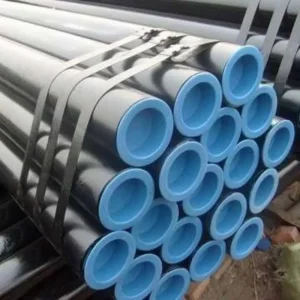
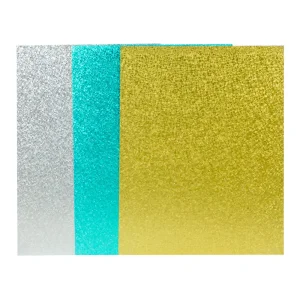
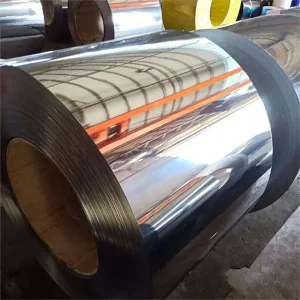
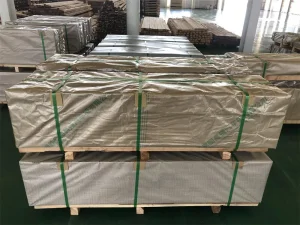
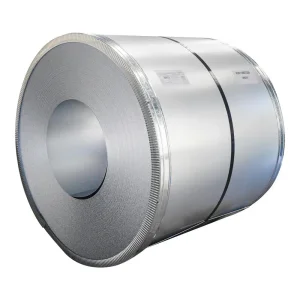
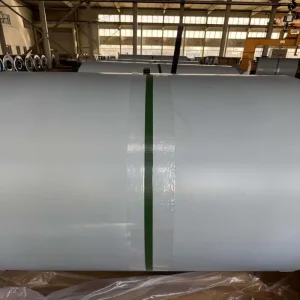
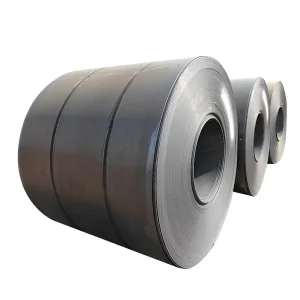
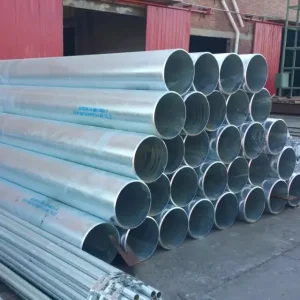
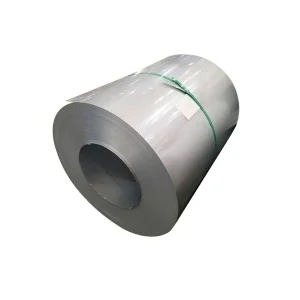
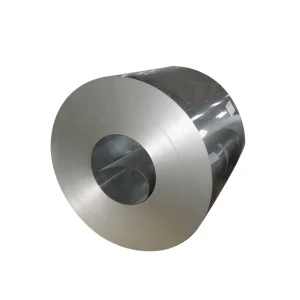
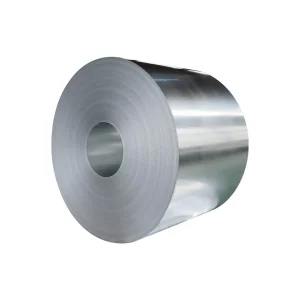
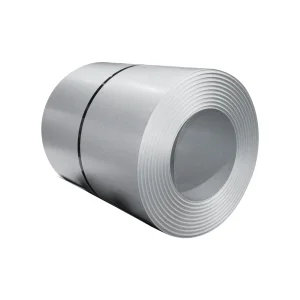
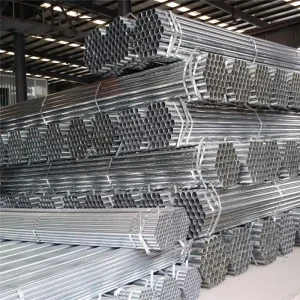
Explore our mill-direct inventory of structural tubulars, flat-rolled steel, coated coils, and engineered profiles manufactured in our 66,700 m² Tianjin production facility.
3. Comprehensive Galvanized Steel Flat Bar Size Specifications
Selecting the precise dimensions for hot-dip galvanized flat bars requires balancing yield strength requirements, weight-per-meter efficiency, and installation mechanics. Below is the standardized engineering dimension matrix covering commercial metric and imperial equivalents.
| Width (mm) | Thickness (mm) | Theoretical Weight (kg/m) | Standard Length (m) | Zinc Mass (g/m²) | Primary Application |
|---|---|---|---|---|---|
| 20 mm | 3.0 mm – 5.0 mm | 0.471 – 0.785 kg/m | 6.0 m / Custom | 200 – 300 g/m² | Light decorative trim, cable tray brackets |
| 25 mm | 3.0 mm – 6.0 mm | 0.589 – 1.178 kg/m | 6.0 m / 12.0 m | 275 – 450 g/m² | Electrical earthing strip, enclosure frames |
| 30 mm | 3.0 mm – 8.0 mm | 0.707 – 1.884 kg/m | 6.0 m / 12.0 m | 350 – 500 g/m² | Substation ground grids, fence posts |
| 40 mm | 4.0 mm – 10.0 mm | 1.256 – 3.140 kg/m | 6.0 m / 12.0 m | 450 – 600 g/m² | High-voltage earthing lines, structural bracing |
| 50 mm | 4.0 mm – 12.0 mm | 1.570 – 4.710 kg/m | 6.0 m / Custom | 500 – 600 g/m² | Solar racking purlins, heavy building framing |
| 65 mm – 100 mm | 6.0 mm – 20.0 mm | 3.062 – 15.70 kg/m | 6.0 m / 12.0 m | 550 – 850 g/m² | Bridge expansion joints, shipbuilding plates |
| 120 mm – 200 mm | 8.0 mm – 25.0 mm | 7.536 – 39.25 kg/m | 6.0 m / Custom | 600 – 1000 g/m² | Heavy civil infrastructure, crane gantry ties |
Dimensional Tolerance & Straightness Benchmarks (DIN 59200 / EN 10058)
Our manufacturing facilities maintain tight dimensional controls to prevent alignment errors during field installation or automated robotic welding.
Width Tolerance
Widths ≤ 35mm: ±0.75mm | Widths 40–75mm: ±1.00mm | Widths 80–150mm: ±1.50mm | Custom slitting available down to ±0.30mm.
Thickness Tolerance
Thickness ≤ 10mm: ±0.40mm | Thickness 11–20mm: ±0.60mm | Precision cold-rolled & galvanized flats maintain ±0.15mm.
Camber & Straightness
Maximum lateral deviation (camber) is held to ≤ 0.25% of total bar length (q ≤ 2.5mm per meter), preventing twisted structural assemblies.
4. Metallurgical Route & Advanced Galvanizing Technology
The durability of a galvanized flat bar relies on the chemical intermetallic bond formed between carbon steel substrate and molten zinc. Understanding the iron-zinc alloy phase layers is key to predicting performance in aggressive service environments.
Outer Pure Zinc Layer
100% Zn composition. Provides immediate atmospheric protection, ductile impact resistance, and a smooth aesthetic sheen (70–100 HV hardness).
FeZn13 Intermetallic
Monoclinic crystalline layer containing ~5.5% Fe. Harder than the base steel substrate (180 HV), delivering high resistance to abrasion.
FeZn10 Alloy Layer
Hexagonal structure containing ~7% to 11.5% Fe. Functions as an elastic buffer zone preventing coating delamination under bending loads.
Fe3Zn10 Bonding Interface
Cubic intermetallic layer with 21–28% Fe immediately adjacent to base metal, achieving atomic shear adhesion strength > 15 MPa.
Chemical Composition & Mechanical Steel Grades
Base feedstocks are sourced exclusively from top-tier primary steel mills (e.g., Baosteel, Shougang, HBIS) utilizing low-silicon chemistry (Sandelin effect mitigation: Si < 0.04% or 0.15% < Si < 0.25%) to prevent uncontrolled grey alloy growth during hot dipping.
| Steel Grade Standard | Carbon (C) Max | Manganese (Mn) | Yield Strength (MPa) | Tensile Strength (MPa) | Elongation (A5 Min) |
|---|---|---|---|---|---|
| Q195 (GB/T 700) | 0.12% | 0.50% | ≥ 195 MPa | 315 – 430 MPa | 33% |
| Q235B / S235JR (EN 10025-2) | 0.17% | 1.40% | ≥ 235 MPa | 360 – 510 MPa | 26% |
| Q355B / S355JR (EN 10025-2) | 0.24% | 1.60% | ≥ 355 MPa | 470 – 630 MPa | 22% |
| ASTM A36 | 0.26% | — | ≥ 250 MPa | 400 – 550 MPa | 20% |
5. Localized Application Engineering & Global Use Cases
Different regions and structural sectors impose distinct physical demands on galvanized flat bar dimensions. The following engineering scenarios illustrate specialized field integrations.
High-Voltage Substation Grounding
Typical Size: 40mm × 4mm, 50mm × 5mm
Requirement: Continuous heavy zinc mass (≥ 500 g/m²) embedded directly in subterranean soil. Provides low-resistance fault current dissipation path preventing electrolytic earth corrosion.
Solar PV Utility Mounting Systems
Typical Size: 30mm × 3mm, 40mm × 5mm
Requirement: Zn-Al-Mg (AZM275) alloy coated flats. Installed as tie bars and purlins in desert or coastal solar farms exposed to high UV, salt spray, and abrasive blowing sand.
Pre-Engineered Building (PEB) Flange Bracing
Typical Size: 50mm × 6mm, 75mm × 8mm
Requirement: High-yield Q355B steel flat bars utilized as diagonal tension braces across roof trusses and wall girts, stabilizing structural frames against extreme wind forces.
6. Quality Assurance, Inspection Protocols & Compliance
To ensure zero-defect delivery across international ports, SMSTEEL implements a rigorous 6-stage Quality Management System backed by Mill Test Certificates according to EN 10204 3.1.
Coating Mass Verification
Measured using magnetic induction thickness gauges (ISO 2178) across 5 designated test spots per bar, guaranteeing compliance with specified zinc mass (e.g., Z275, Z450, Z600).
Adhesion & Ductility Testing
Praz-Knife adhesion tests and 180° cold bend tests are conducted to confirm that iron-zinc intermetallic layers do not flake, peel, or crack under field fabrication.
Salt Spray Resistance (ASTM B117)
Accelerated salt fog corrosion testing verifies that passivated and chromate-free flat bars achieve > 1,000 hours without red rust initiation in severe marine simulations.
7. Future Technology Roadmap: Green Galvanizing & Next-Gen Alloys
As the steel industry moves toward net-zero manufacturing, SMSTEEL is pioneering green galvanizing operations and ultra-high-corrosion alloy chemistries.
Hydrogen-Fueled Heating
Transitioning zinc pot heating furnaces from natural gas to green hydrogen mixtures, cutting direct CO2 emissions by up to 40% per ton of processed flat bar.
Zn-Al-Mg-Rich Coatings
Deploying 3% Magnesium and 11% Aluminum ternary zinc baths that generate a dense simonkolleite film, offering 4x to 10x higher corrosion resistance than standard zinc coatings.
Smart Heat QR Tagging
Every flat bar bundle features laser-etched QR identifiers detailing heat number, zinc mass, chemical ladle analysis, and direct MTC cloud verification link.
8. Comprehensive Product Portfolio (Featured Tier 2)
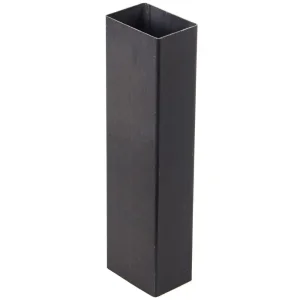
Discover our broader supply network including specialized alloy sheets, structural hollow sections, stainless coils, and greenhouse tubing solutions.
9. Frequently Asked Questions (Technical & Procurement FAQ)
Detailed answers to complex engineering, sizing, and supply chain queries raised by procurement officers, civil engineers, and steel distributors.