
Featured Industrial Flat-Rolled & Tubular Products
Explore our premier mill-direct portfolio engineered for heavy stamping, structural fabrication, precision welding, and deep drawing applications across international markets.
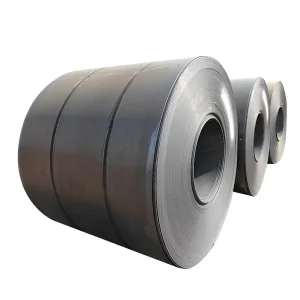
High-Quality Hot Rolled Steel Plate from China Suppliers – Quality Products from Reliable Factory Manufacturers
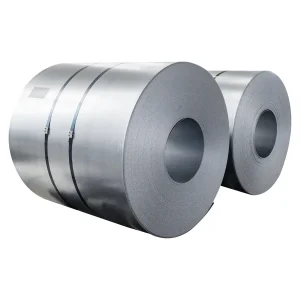
Wholesale China Suppliers Factory ZF Galvannealed Steel Coil DC51D Dx51d Zinc Iron Alloy Coating for Welding
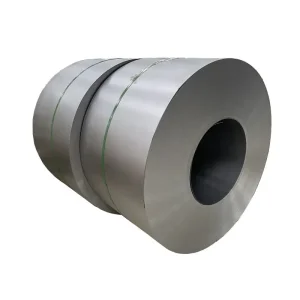
High-Quality Cold Rolled High Strength Steel Sheets for Deep Drawing | China Suppliers & Factory Manufacturer
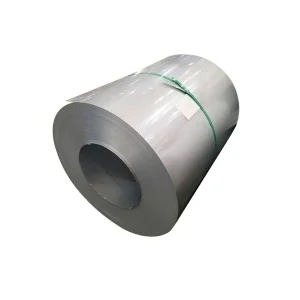
Wholesale High-Quality Cold Rolled Stainless Steel Coils 201, 304, 316 from China Suppliers - Trusted Direct Supply
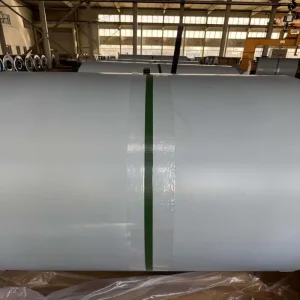
High-Quality Electrogalvanized Steel: Top Quality from China Suppliers with SPCC/SPCD Grades & Coating Options
Wholesale China Suppliers Factory 8K Cold Rolled Stainless Steel Coil 201, 304, 304L, 316, 316L, 310S, 430, 2205
Wholesale High-Quality Non-Grain Oriented Silicon Steel Coils M310 M350 M470 M600 M800 from China Suppliers
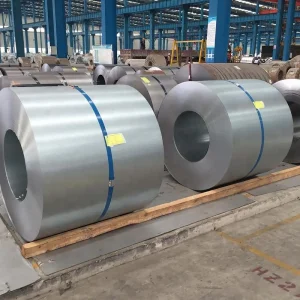
High-Quality China Galvanized Steel Coils from Leading Suppliers and Factory for Construction & Automotive
Executive Whitepaper Overview: What is Pickled and Oiled (HRPO) Steel?
In modern industrial manufacturing and global metal fabrication, Hot Rolled Pickled and Oiled (HRPO) steel sheet and coil represent an essential cost-performance bridge between raw hot rolled carbon steel and premium cold rolled sheet. During the standard hot-rolling process at elevated temperatures (typically exceeding 1,000°C), atmospheric oxygen reacts rapidly with the molten iron surface, generating a hard, abrasive iron oxide mill scale consisting of magnetite (Fe3O4), hematite (Fe2O3), and wüstite (FeO). This scale, while naturally protective against immediate weather exposure, severely impairs subsequent machining, laser cutting, welding, stamping, and automated electrostatic painting processes.
As a premier wholesale pickled and oiled steel sheet manufacturer and factory, our continuous pickling lines (CPL) subject prime hot-rolled substrate to a highly controlled, heated hydrochloric acid (HCl) bath solution. This chemical pickling process completely dissolves and strips the oxide mill scale layer down to the bare, ductile steel matrix. Immediately following high-pressure rinsing and hot-air drying, an electrostatic oil applicator coats the active metal surface with a micro-thin layer of rust-preventative oil (typically 0.5 to 2.0 g/m² film thickness). This oil layer seals the iron surface from atmospheric moisture and oxygen, granting an extended rust-free storage shelf life (up to 6 months under indoor warehouse conditions) while acting as a pre-lubricant during light stamping and forming operations.
E-E-A-T Technical Insight: HRPO steel sheet provides the tight dimensional tolerances, clean surface appearance, and enhanced tool-life benefits of Cold Rolled steel (CR), but at a cost structure significantly closer to Hot Rolled steel (HR). This renders pickled and oiled sheet the material of choice for high-volume automotive stamping, solar mounting racks, heavy machinery enclosures, and precision unpainted components.
Advanced 4-Stage HRPO Manufacturing Process
Our Tianjin production facility operates state-of-the-art continuous pickling lines equipped with automated acid density regulators, tension levellers, and electrostatic oilers.
1. Mechanical Scale Breaking
Raw HR coils undergo inline reverse-bending and tension levelling under controlled mechanical stress. This breaks the continuous brittle oxide scale layer, creating micro-cracks that allow hydrochloric acid to penetrate rapidly.
2. Hydrochloric Acid Bath
The strip passes through multi-stage cascade tanks filled with 15-20% concentrated HCl at 80°C–85°C. Chemical reaction: FeO + 2HCl → FeCl2 + H2O dissolves oxides completely without attacking base metal chemistry.
3. High-Pressure Rinse & Dry
Deionized water sprays operating at high pressure wash away residual iron chlorides (FeCl2) and acid film. Multi-stage hot-air dryers ensure a 100% moisture-free strip before chemical oil application.
4. Electrostatic Oiling & Slitting
A high-voltage electrostatic oil applicator deposits a ultra-uniform rust-preventative oil mist (0.5 to 2.0 g/m²). Coils are precision-slit or cut into flat sheet dimensions with strict edge-wave tolerances.
Global Industrial Status & Growth Drivers for HRPO Steel
The global demand for wholesale pickled and oiled steel sheet has experienced a steady compound annual growth rate (CAGR) exceeding 5.2% over recent years, driven primarily by light-weighting initiatives in automotive manufacturing, rapid expansion of solar PV mounting infrastructure, and automated sheet metal laser-cutting shops. According to world steel trade statistics, global consumption of HRPO steel exceeds 85 million metric tons annually, with major production and export nodes concentrated in China's Bohai Rim steel cluster, specifically Tianjin.
Industrial fabricators are increasingly shifting away from raw hot-rolled carbon steel plates due to environmental and operational constraints. In-house mechanical sandblasting or acid-dipping by end-fabricators generates significant hazardous waste, volatile emissions, and tool wear. By sourcing pre-pickled and oiled steel sheets direct from automated mill facilities, global buyers eliminate capital-intensive surface preparation steps, improve shop-floor clean hygiene, and extend tool die life in stamping operations by up to 300%.
Automotive & Heavy Equipment Shift
Major original equipment manufacturers (OEMs) specify HRPO sheets (ASTM A1011 SPHC / SPHD / SPHE or EN 10111 DD11 / DD12 / DD13) for vehicle chassis rails, suspension arms, clutch plates, and tractor frame brackets. The clean weldable surface reduces gas porosity during robotic metal active gas (MAG) welding.
Solar Tracking & Structural Framing
Utility-scale solar power projects demand heavy-gauge structural components (2.0mm – 6.0mm thickness) that undergo precision cold roll-forming and subsequent post-galvanizing or direct powder coating. HRPO sheet provides the ideal smooth, scale-free substrate for post-processing adhesion.
Localized Industry Application Scenarios
Pickled and oiled steel sheets are engineered to meet specialized regional, mechanical, and environmental demands across varied global industry verticals.
Automotive Chassis & Stamping
Deep-drawing grade HRPO sheets (SAPH370, SAPH440, DD13) are widely deployed in North American and European auto-stamping plants. Elimination of mill scale prevents die scratching and micro-cracking during complex press stamping.
Laser Cutting & CNC Sheet Metal
For job shops in Germany, Japan, and the Middle East operating high-power fiber lasers (6kW - 20kW), HRPO plates prevent laser beam reflection and spatter caused by mill scale pockets, boosting cutting speed by 25%.
HVAC, Racks & Compressor Shells
Used heavily in tropical and humid regions (Southeast Asia, South America) for air conditioner brackets, hermetic compressor shells, and heavy storage racking where direct powder coating requires a mirror-smooth oil-free surface upon degreasing.
Hot Rolled vs. Pickled & Oiled (HRPO) vs. Cold Rolled Steel
Selecting the optimal flat-rolled carbon steel grade requires balancing surface quality, mechanical ductility, dimensional thickness tolerance, and overall procurement cost. The engineering comparison matrix below details key performance benchmarks:
| Technical Parameter | Standard Hot Rolled (HR) | Pickled & Oiled (HRPO) | Cold Rolled Steel (CR) |
|---|---|---|---|
| Surface Condition | Black oxide scale present; rough surface | Silver-gray bare metal; light oil film | Smooth, bright metallic luster; oiled/dry |
| Surface Roughness (Ra) | 3.2 – 6.3 µm | 0.8 – 1.8 µm | 0.4 – 1.2 µm |
| Thickness Range | 1.5 mm – 25.0 mm | 1.2 mm – 6.0 mm (Up to 10mm) | 0.3 mm – 3.0 mm |
| Thickness Tolerance | Standard (±0.15 - ±0.25 mm) | Enhanced (±0.03 - ±0.08 mm) | Ultra-High (±0.01 - ±0.03 mm) |
| Laser Cutting Compatibility | Moderate; prone to scale popping | Excellent; consistent focus & speed | Superior; high precision micro-cuts |
| Paint / Coating Adhesion | Poor (scale peels off over time) | Excellent (after basic degreasing) | Superior (immediate electrostatic prep) |
| Relative Cost Index | 1.00 (Baseline) | 1.12 – 1.18 (Optimal Sweet Spot) | 1.35 – 1.50 (Premium) |
Frequently Asked Questions (FAQ)
Expert answers to critical engineering, procurement, and surface treatment inquiries regarding Pickled and Oiled Steel Sheet sourcing.
Under standard temperature-controlled indoor warehousing conditions (relative humidity below 60%), our electrostatic rust-preventative oil film protects against flash rust for 3 to 6 months. For transoceanic maritime transit, we offer heavy-duty VCI (Vapor Corrosion Inhibitor) waterproof wrapping to ensure pristine mill condition upon container unpacking.
For standard MIG/MAG electric resistance welding, light electrostatic oil burns off cleanly without causing weld porosity. However, for powder coating, electro-deposition painting (ED-coat), or high-aesthetic lacquer finishing, an alkaline wash or solvent degreasing step is recommended to achieve optimal bonding per ISO 8501 standards.
We supply wholesale HRPO sheets compliant with ASTM A1011 (CS Type A/B, SS Grade 33/36/40/50, HSLAS), EN 10111 (DD11, DD12, DD13, DD14), JIS G3131 (SPHC, SPHD, SPHE), and GB/T 700 (Q195, Q235B, Q355B). Mill Test Certificates (MTC) according to EN 10204 3.1 are provided with every shipment.
Acid pickling is a chemical surface treatment that removes surface impurities without altering the underlying core grain structure, tensile strength, or yield strength of the steel matrix. In fact, removing brittle mill scale improves total elongation and punch-stamping formability.
Yes. We supply Pickled Dry (HRD or HRPD) sheets upon request. However, dry pickled steel is extremely susceptible to atmospheric flash rust. Dry sheets are immediately packed with desiccant packs and air-tight VCI film, and must be processed or painted immediately upon receipt.
Our continuous tension-levelling and automated slitting equipment achieve precision thickness tolerances within ±0.03mm for thin gauges (1.5–3.0mm) and width tolerances within ±0.2mm for custom slit coil strips and cut-to-length flat sheets.
Coated Coils, Special Alloys & Structural Tubing
Explore additional factory-direct steel products including HRPO plates, coated coils, silicon steel laminations, and structural hollow sections.
Wholesale China Steel Flat Bars - Carbon and Galvanized Flat Rolled Products from Reliable Factory Suppliers
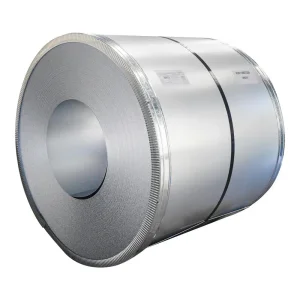
Wholesale China Suppliers Factory ZM AZM Coated Steel Sheet 275g Zinc Aluminum Magnesium Alloy for Solar Racks
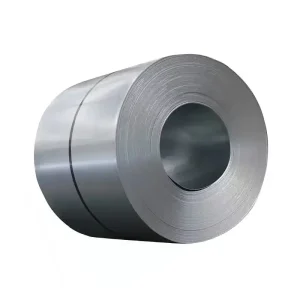
High-Quality China CRNGO Non-Oriented Silicon Steel Coils M310 M350 M470 M600 M800 - Quality Suppliers
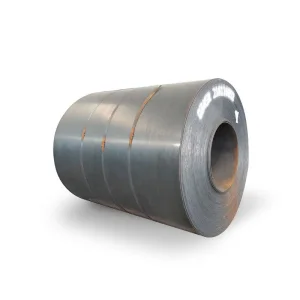
High-Quality China HRPO Steel Suppliers - High-Quality Hot Rolled Pickled & Oiled Heavy Gauge Plate
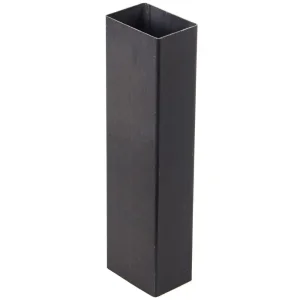
High-Quality Square Tube Suppliers in China - Factory Direct Hollow Structural Sections Supplier
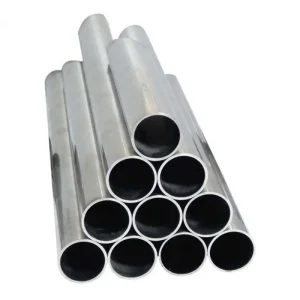
Wholesale High Zinc Hot-Dip Galvanized Steel Pipes, Greenhouse Steel Pipes, Agricultural Galvanized Pipes
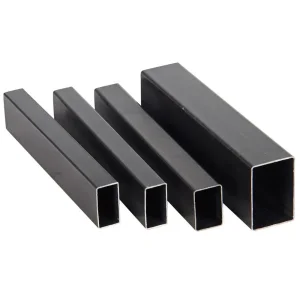
Wholesale Construction Pipe 50*50mm 4x4 Square Tubing Square Pipe 20mm Metal Square Tube for Fence Post
High-Quality High Strength Cold Rolled Steel Sheets with Extra Deep Drawing Quality - China Factory
Step Million Steel (SMSTEEL) Supply Chain Excellence
Founded in 2010 in Jinghai Development Area, Tianjin, Step Million Steel Supply Chain Co., Ltd. (SMSTEEL) operates a massive 66,700 m² integrated production facility dedicated to manufacturing high-precision flat-rolled steel coils, pickled and oiled steel plates, coated sheets, and welded structural tubing. Operating eight high-frequency production lines alongside continuous acid pickling facilities, SMSTEEL achieves a monthly production output of 100,000 metric tons, serving engineering contractors, stocking distributors, and OEM stamping factories across 80+ nations.
Our engineering team comprises over 20 senior metallurgists and quality control inspectors possessing an average of 10+ years of flat-rolled steel processing experience. Every order undergoes rigorous quality assurance protocols, including in-line thickness laser scanning, surface roughness profilometry, salt spray corrosion testing, hydrostatic pressure verification, and destructive bend tests. We guarantee a 24-hour inquiry response rate and 48-hour issue resolution protocol, ensuring your global procurement supply chain remains seamless, transparent, and highly cost-competitive.