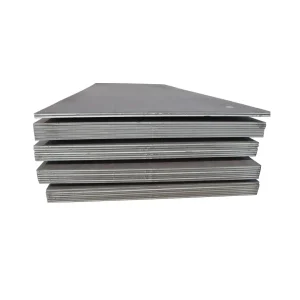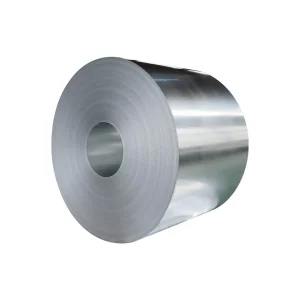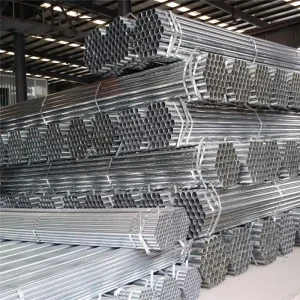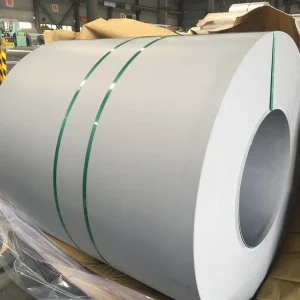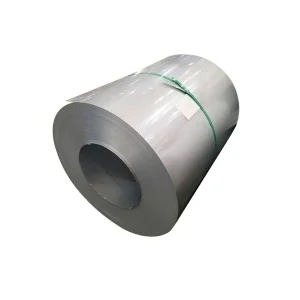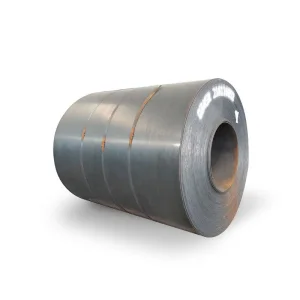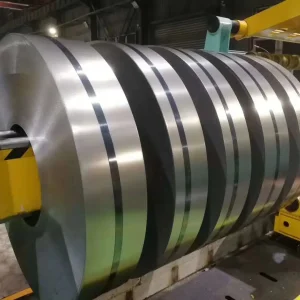
Featured Industrial Steel & Coating Products
Direct supply solutions meeting rigorous global standards for dimensional tolerance, corrosion resistance, and deep-drawing requirements.
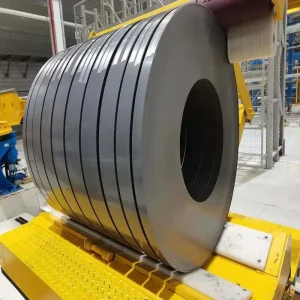
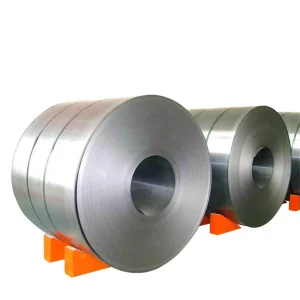
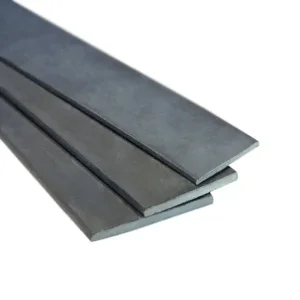
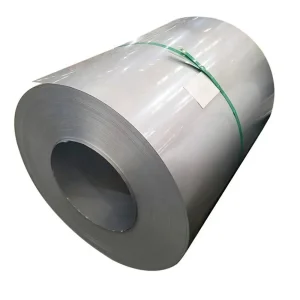
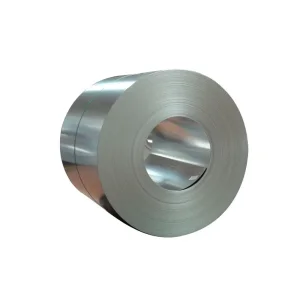
Executive Summary: The Strategic Value of High-Quality Tin Plate
Understanding the metallurgical advancements, coating uniformity, and structural integrity required for next-generation packaging and component manufacturing.
Metallurgical Precision
Tin plate (Electrolytic Tinplate or ETP) is a cold-rolled low-carbon steel sheet or strip coated on both sides with commercially pure tin. This composite material marries the formidable mechanical strength and formability of steel with the chemical inertness, non-toxicity, corrosion resistance, and solderability of tin.
Barrier Integrity
In modern industrial packaging, tin plate for plate applications must withstand immense internal and external stresses during thermal processing (retorting), deep drawing, and pressurized storage. The quality of tinplate directly dictates the shelf-life security of canned foods, aerosols, and volatile chemicals.
Decarbonization Drivers
Driven by strict global sustainability mandates, tinplate maintains a decisive advantage over plastics due to its 100% infinite recyclability, magnetic separation efficiency in waste recovery, and lowering overall lifecycle carbon emissions across global supply chains.
Technical Context: Single Reduced vs. Double Reduced Tinplate
Procurement specialists must distinguish between Single Reduced (SR) and Double Reduced (DR) tinplate. SR tinplate undergoes cold reduction directly to the target thickness before annealing and temper rolling, providing high ductility for complex deep drawing (DDQ/EDDQ). DR tinplate undergoes a second cold reduction after annealing, increasing tensile and yield strength by 30-50%. This enables manufacturers to down-gauge plate thickness (down to 0.13 mm) without compromising structural collapse resistance, achieving substantial material weight savings for high-volume 3-piece and 2-piece can body production.
Global Industry Trends & Procurement Shift
Analysis of international demand drivers shaping the sourcing strategies of top-tier can makers, automotive OEM tier-1 suppliers, and electronics manufacturers.
1. Ultra-Thin Gauging Engineering
Global suppliers are migrating toward high-temper DR grades (DR8, DR9) with ultra-thin gauges (0.13mm – 0.17mm). This shift allows packaging plants to minimize raw material usage while maintaining strict axial crush resistance in food cans and aerosol domes.
2. Chrome-Free Passivation (CFPA) Transition
Under European REACH regulations and global environmental protocols, traditional dichromate dip passivation (311/300) is rapidly being superseded by Chromium-Free Passivation Alternatives (CFPA) using titanium and zirconium chemical conversion coatings to ensure non-toxic food contact safe compliance.
3. Digitalized Printing & High-Adhesion Lacquering
Advanced tinplate surfaces now demand precise roughness control (Stone, Bright, Matte finishes) to accommodate high-speed UV digital printing inks and BPA-NI (BPA Non-Intent) internal protective lacquers required for acid-sensitive food packing.
Global Tinplate Procurement Demographics by Sector
| Industry Sector | Primary Application | Preferred Steel Grade / Temper | Coating Weight Range (g/m²) | Key Performance Metrics |
|---|---|---|---|---|
| Food & Beverage Canning | 3-Piece Welded Cans, 2-Piece Drawn & Ironed (D&I) Cans | T2, T3, T4, DR8 (MR/SPCC base) | 2.8/2.8, 5.6/5.6, Differential 2.8/5.6 | Pitting corrosion resistance, lacquer adhesion, hermetic weldability |
| Aerosol & Industrial Packaging | Aerosol Domes, Bottoms, Paint Cans, Chemical Drums | T3, T4, DR8, DR9 | 2.8/2.8, 8.4/8.4, 11.2/11.2 | Bursting pressure resistance, seam tightness, rust prevention |
| Electronics & Electrical | RF Shielding Cans, Cable Wrapping, Battery Shells | T1, T2 (Soft Annealed, High Ductility) | 1.1/1.1, 2.8/2.8 | High electrical conductivity, continuous solderability, stamping precision |
| Automotive Components | Oil Filters, Gaskets, Brake Line Clips | SPCC, Deep Drawing Quality (DDQ) | 2.8/2.8, 5.6/5.6 | Deep draw capability, vibration fatigue strength, oil compatibility |
Technical Roadmap: Coating Weights, Tempers & Surface Finishes
Deep-dive analysis of chemical composition, mechanical temper designations, and electro-tinning technology required by modern manufacturing facilities.
Standard Temper Designations (Rockwell HR30T)
Tinplate hardness and mechanical strength are categorized into single-reduced (T1 to T5) and double-reduced (DR7 to DR9) tempers:
- T1 (HR30T 49±3): Extremely soft, high ductility. Used for complex deep-drawn parts, nozzles, and collapsed closures.
- T2 (HR30T 53±3): Moderate formability. Excellent for general drawing, ring-pull ends, and shallow covers.
- T3 (HR30T 57±3): Standard stiffness. Preferred for general 3-piece food can bodies, aerosol components, and friction lids.
- T4 (HR30T 61±3): High hardness. Tailored for rigid can bodies, paint cans, and pressure-resistant end covers.
- DR8 (HR30T 73±3): Double-reduced ultra-high strength. Ideal for lightweight rectangular cans, round can bodies, and economical ends.
Coating Weight & Differential Tinning
Electroplate tin coating thickness is designated in grams per square meter (g/m²). Modern lines allow equal coating or differential coating:
- Equal Coating (2.8 / 2.8 g/m²): Uniform protection on both sides for general purpose dry packaging, caps, and industrial components.
- Heavy Coating (5.6 / 5.6 g/m² to 11.2 / 11.2 g/m²): Required for highly corrosive unlacquered food cans (e.g., light-colored fruits, acidic tomatoes requiring sacrificial tin protection).
- Differential Coating (D 2.8 / 5.6 g/m²): Cost-effective solution where the interior side requires heavy tin coating for food acid protection, while the exterior side needs only light coating for atmospheric protection and lacquering.
Surface Finish Options & Micro-Topography
The surface texture of tinplate is determined by the surface finish of the temper mill work rolls during final rolling:
Flow-melted shiny tin surface over polished base steel (Ra ≤ 0.25 µm). Provides high mirror reflectance for decorative gift tins and caps.
Flow-melted surface over stone-ground rolls (Ra 0.25 – 0.60 µm). Minimizes surface scratches during high-speed automated handling; ideal for general canning.
Unmelted dull silver surface produced on shot-blasted rolls (Ra 0.60 – 1.00 µm). Excellent keying surface for high-adhesion organic coatings and deep lacquering.
Flow-melted surface with rough shot-blasted base pattern. Offers unique premium tactile appearance for high-end cosmetic containers and luxury packaging.
Global Procurement Strategies & Factory Audit Protocols
Essential quality verification steps, international standardization frameworks, and supply chain logistics for B2B buyers importing bulk tinplate coils and sheets.
1. Mill Test Certificate (MTC) Verification
Every shipment must be accompanied by EN 10204 3.1 Certified Mill Test Reports detailing ladle chemical analysis (C, Mn, P, S, Si, Cu, Ni, Cr), mechanical Rockwell HR30T values, continuous thickness trace, and electrostatic tin coating mass tests.
2. Online Defect & Pin-Hole Inspection
High-speed flying shear lines must integrate optical surface inspection systems and infrared/laser pin-hole detection devices capable of identifying micro-voids down to 20 microns to guarantee zero leakage in pressurized aerosol cans.
3. Ocean Packaging & Rust Prevention
To combat marine atmosphere oxidation during long-distance sea transit, tinplate coils and packages require VCI (Volatile Corrosion Inhibitor) paper wrapping, heavy steel outer armor jackets, desiccants, and rigid wooden pallets rated for high stacking load.
Tailored Manufacturing & Industrial Solutions
End-to-end material customization serving diverse end-user production machinery, from high-speed Soudronic seam welders to multi-stage deep drawing presses.
Can-Making Line Integration
We deliver exact-width coils and scroll-cut sheets specifically configured for automatic scroll shears and high-speed body-maker lines. Our controlled margin-edge burr (≤0.02mm) eliminates jam-ups in automatic destacking feeders.
Deep Drawing Quality (DDQ) Steel Base
For two-piece drawn-and-redrawn (DRD) cans and complex automotive shells, we supply aluminum-killed, ultra-low carbon continuous cast steel base plates with high r-bar plastic strain ratios, preventing earing defects and wall tears.
Coating & Print-Ready Surface Oils
Controlled oil film application (DOS / ATBC synthetic lubricants) applied via electrostatic oilers (ranging between 3 to 10 mg/m² per side). This maintains anti-scratch protection while ensuring effortless wash-off or direct ink printability.
Regulatory Compliance & Quality Standards
Full alignment with stringent international standards governing food safety, heavy metal migration, and dimensional tolerances.
FDA & EU Food Contact Compliance
Our food-grade tinplate meets US FDA 21 CFR 178.3300 regulations and EU Regulation (EC) No 1935/2004. Comprehensive migration testing guarantees zero heavy metal contamination (Lead, Cadmium, Arsenic) into packed goods.
ISO 9001 & ISO 14001 Certification
All production lines operate under strict ISO quality and environmental management systems. Process controls monitor temperature, coil tension, plating bath current density, and chemical concentration with real-time feedback loops.
Third-Party Inspection Integration
We welcome third-party audit agencies such as SGS, BV (Bureau Veritas), Intertek, and TUV to perform pre-shipment sampling, coating weight verification, mechanical bend testing, and container loading supervision.
Technical Roadmap: Next-Generation Packaging Materials
Strategic technological innovations driving the next decade of metal packaging and industrial steel sheet development.
Phase 1: Full Migration to Chromium-Free Passivation Alternatives (CFPA)
Complete phase-out of hexavalent chromium dip processes across all tinning lines, replacing them with eco-friendly Titanium-Zirconium electro-deposition for enhanced lacquer bonding and environmental safety.
Phase 2: Laminated Steel (TFS / ECCS with PET/PP Film) Integration
Expansion of Polymer-Coated Laminated Steel lines (ECCS/TFS bonded with PET/PE films). Eliminates solvent-based liquid lacquering processes, drastically reducing VOC emissions and energy consumption at can-making plants.
Phase 3: AI-Driven Surface & Thickness Closed-Loop Controls
Deploying machine-learning computer vision and X-ray fluorescence gauges to adjust plating line rectifiers dynamically, ensuring micro-level coating distribution accuracy within ±0.05 g/m² across 1500mm strip widths.
Frequently Asked Questions (FAQ) for Procurement Managers
Expert answers addressing critical technical, ordering, and metallurgical queries from international buyers.
Additional Industrial Steel & Coil Inventory
Explore our complete mill-direct product lines for structural, transformer, and automotive fabrication needs.