Precision Stainless Steel & Structural Alloys for Japan's Industry
As Japan’s high-precision manufacturing, semiconductor infrastructure, and electric vehicle (EV) supply chains undergo rapid structural transformations, the demand for ultra-pure, JIS-compliant stainless steel and specialized alloys has reached unprecedented levels. Facing strict quality metrics under Japanese Industrial Standards (JIS G4305, JIS G4303, JIS G3101), corporate procurement managers in Tokyo, Osaka, Nagoya, and Kyushu require steel suppliers that provide not only raw material cost advantages, but rigorous metallurgical traceability, absolute dimensional consistency, and zero-defect surface finishes.
Our integrated manufacturing hubs leverage smart mill technologies, precise cold-rolling control (tolerances up to ±0.005mm), and advanced continuous annealing lines to produce stainless steel coil, sheet, structural carbon plates, and heavy-duty building components. Designed to withstand harsh marine environments, extreme seismic activity, and high-cleanroom environments across Japan, our product matrix directly addresses the core operational needs of Japanese EPCs, automotive Tier-1 suppliers, and trading houses (Sogo Shosha).
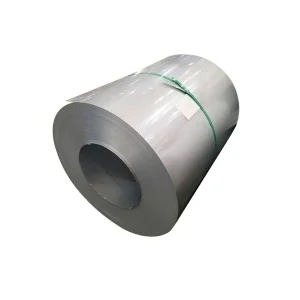
JIS Precision Cold Rolled Stainless Steel Coils & Sheets (2B, BA, 8K Mirror)
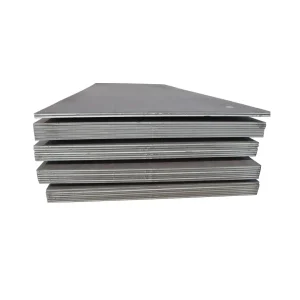
High-Tensile Structural Carbon Steel Plates for Japanese Heavy Engineering
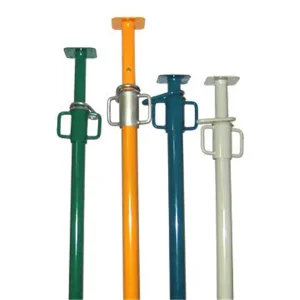
Heavy & Light Duty Telescopic Adjustable Steel Shoring Props for Seismic Construction
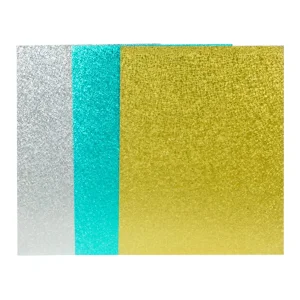
Aluzinc Zinc-Aluminum Coated Corrugated Roofing & Wall Cladding Panels
Japan's Local Industrial Landscape & Stainless Steel Market Analysis
Japan represents one of the world's most sophisticated and quality-sensitive industrial ecosystems. Known for pioneering total quality management (TQM) and Monozukuri philosophy, Japanese industrial buyers do not compromise on chemical composition, mechanical yield strength, surface smoothness, or dimensional tolerance. Understanding the macroeconomic dynamics of Japan’s key regional industrial clusters is critical to delivering targeted stainless steel solutions:
Kyushu & Hokkaido: Semiconductor Cleanrooms
With massive investments in Kumamoto ("Silicon Island Kyushu") and Chitose, Hokkaido, the expansion of semiconductor mega-fabs requires specialized ultra-high-purity (UHP) stainless steel piping and sheets. SUS316L double-melted (VIM-VAR) steel with electrochemical polishing (EP) finishes is essential for corrosive chemical gas delivery systems and ultra-pure water (UPW) lines.
Chubu & Aichi: Automotive & EV Transition
The central manufacturing hub around Nagoya leads the transition from internal combustion engines to Next-Gen Electric Vehicles (EVs). Ferritic stainless steel grades like SUS430 and SUS409L are heavily utilized in lightweight battery enclosures, heat shields, and structural exhaust components, requiring exceptional deep-drawing performance.
Greater Tokyo & Osaka: Coastal Architectural Structures
Japan's dense urban redevelopment projects demand high-strength building materials capable of resisting marine salt spray and severe earthquake forces. Grade SUS316, 309S, and duplex stainless steels (SUS2205) are specified for exterior curtain walls, structural hollow sections, and bridge infrastructure to guarantee 50+ year maintenance-free operational life.
Metallurgical Roadmap & Sustainable Green Steel Outlook (2025–2035)
To align with Japan’s strict Green Growth Strategy and 2050 Carbon Neutrality goal, global stainless steel manufacturers must innovate across three critical technological vectors: metallurgical purity, eco-friendly processing, and ultra-thin precision rolling.
1. Hydrogen-Reduced Electric Arc Furnace (EAF) Smelting
Traditional Blast Furnace (BF) steelmaking yields a significant carbon footprint. Our advanced manufacturing routes utilize 100% Electric Arc Furnace (EAF) recycling powered by green energy, alongside direct reduced iron (DRI) technology. This lowers Scope 1 and Scope 2 embodied carbon emissions per ton of stainless steel by up to 60%, satisfying Scope 3 decarbonization audits conducted by major Japanese corporations like Toyota, Mitsubishi, and Hitachi.
2. Ultra-Thin Foil Rolling for Hydrogen Fuel Cells
As Japan leads global hydrogen economy commercialization, metallic bipolar plates for Proton Exchange Membrane Fuel Cells (PEMFC) require ultra-thin SUS316L or specialty high-nickel stainless steel foils with thicknesses down to 0.05mm–0.1mm. Our multi-roll Sendzimir mill technologies deliver uniform thickness, high elongation, and low contact resistance coatings essential for next-generation fuel cell stacks.
3. Advanced Duplex & Super-Duplex Alloys (JIS SUS2205 / 2507)
Replacing traditional SUS304 in aggressive chemical and offshore environments, duplex stainless steels provide double the yield strength (≥450 MPa) and exceptional resistance to stress corrosion cracking (SCC). This microstructural balance of 50% ferrite and 50% austenite allows Japanese civil engineering firms to reduce structural weight by 30% without sacrificing mechanical integrity.
4. Surface Functionalization & PVD Color Coating
Beyond standard 2B and BA mill finishes, our automated lines offer Physical Vapor Deposition (PVD) titanium plating, hairline (HL), anti-fingerprint (AFP) acrylic coatings, and custom chemical etching. These functionalized surfaces are designed specifically for high-end Japanese architectural facades, luxury elevator interiors, and consumer electronics casings.
Macro-Industry Engineering Solutions for Japanese Enterprises
Semiconductor Cleanroom Ducts & Piping
Materials: SUS316L, SUS304 (BA Finish / EP Finish)
Engineering Impact: Zero micro-particle shedding, low outgassing, and resistance to hydrofluoric (HF) and nitric chemical vapors. Fully compliant with cleanroom Class 1 to Class 100 requirements.
Precision Medical & Food Processing Machinery
Materials: SUS304, SUS316, Martensitic SUS420J2
Engineering Impact: Hygienic weldability, resistance to steam sterilization, and bio-compatible non-toxic surfaces designed for high-speed automated bottling and packaging machinery across Japan.
Coastal LNG Infrastructure & Offshore Energy
Materials: SUS310S, Duplex 2205, Super Austenitic 904L
Engineering Impact: Superior pitting resistance equivalent number (PREN ≥ 35), preventing localized pitting corrosion in coastal cryogenic thermal insulation tanks and seawater desalination plants.
China Industry 4.0: Supply Chain Resilience & Speed to Japan
In an era of global economic uncertainty and volatile raw material pricing, Japanese companies require supply partners that offer unshakable supply chain resilience, competitive cost structures, and rapid maritime delivery. Our state-of-the-art Industry 4.0 manufacturing base in China combines automated production lines with digital quality monitoring systems:
Automated Gauge Control (AGC) & Real-time Optical Inspection
Our cold-rolling mills utilize hydraulic AGC systems combined with non-contact laser velocity measure and inline surface defect detectors. Every millimeter of stainless steel strip is scanned for inclusions, pinholes, or scratches, guaranteeing 100% surface perfection before coil slitting and packaging.
Strategic Maritime Proximity to Major Japanese Ports
Leveraging direct shipping routes from Tianjin, Qingdao, and Shanghai, transit times to major Japanese commercial ports—including Tokyo, Yokohama, Nagoya, Osaka, Kobe, and Hakata—are compressed to just 3 to 7 days. This proximity allows Japanese procurement teams to maintain lean, Just-In-Time (JIT) stock strategies.
Localized Compliance, JIS Certification & Quality Guarantee
Navigating Japanese import regulations and technical auditing requires thorough documentation and absolute compliance. We guarantee full traceability from raw material melt heat numbers to final delivered products:
JIS G4305 / G4303 Alignment
All chemical compositions (Carbon, Chromium, Nickel, Molybdenum, Nitrogen) and mechanical properties (Yield, Tensile, Elongation, Hardness HRB/HV) strictly adhere to Japanese Industrial Standards, verified via spectral analysis.
Mill Test Certificate (EN 10204 3.1 / 3.2)
Every shipment is accompanied by a certified Mill Test Report (MTR) detailing exact heat number analysis, mechanical test results, intergranular corrosion test reports (ASTM A262 Practice E / JIS G0575), and non-destructive testing (NDT) certification.
Seaworthy Protective Packaging
To prevent rust, condensation, or edge damage during ocean transport, coils and plates are secured using heavy-duty wooden skids, VCI anti-rust paper, galvanized steel outer wrap, plastic corner protectors, and high-tack protective PE/PVC films (such as Nitto standard film).
Enterprise Procurement Demands & SCM Optimization
Modern supply chain management (SCM) in multinational corporations requires balancing Total Cost of Ownership (TCO) with operational agility. By partnering with our factory-direct ecosystem, corporate buyers benefit from tailored commercial frameworks:
-
Flexible Minimum Order Quantities (MOQ)
We support prototype development and small-batch trial orders for new engineering projects, moving seamlessly into high-volume commercial production runs once validated.
-
Hedging & Contract Price Stability
To insulate Japanese partners from volatile LME Nickel and Ferrochrome market swings, we offer long-term fixed-price commercial agreements and forward hedging options.
Frequently Asked Questions (FAQ) for Japan Market Sourcing
Explore Our Full Range of Steel Coils, Pipes, and Structural Profiles
Designed to meet international civil engineering, structural, and electrical manufacturing requirements across the Japanese archipelago.
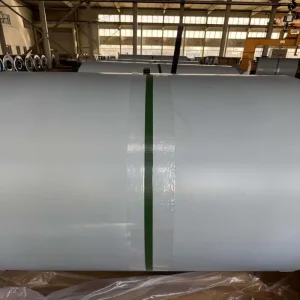
Electrogalvanized Steel Coils with High Formability & Custom Zinc Coating
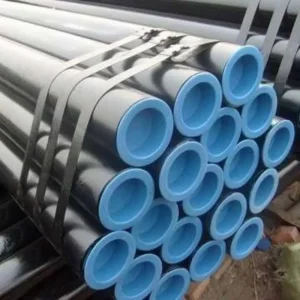
Heavy-Duty Seamless Carbon Steel Pipes for High-Pressure Machinery & Infrastructure
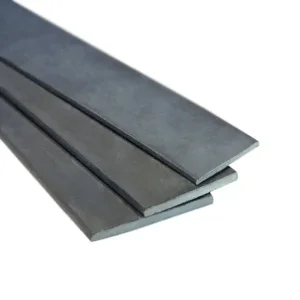
High-Quality Carbon & Galvanized Steel Flat Bars for Machinery Frame Fabrication
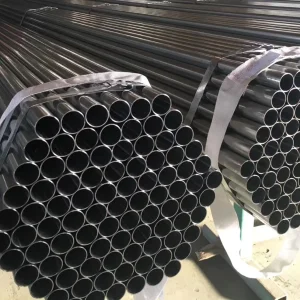
ASTM A106 / JIS STPG370 Schedule 40 ERW Steel Pipes for Fluid Transport
Structural Seamless Carbon Steel Tubing for Heavy Engineering & Foundation Piling
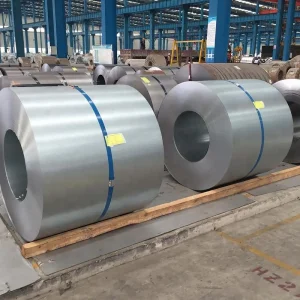
Hot-Dipped Galvanized Steel Coils for Pipe Forming & Section Fabrication
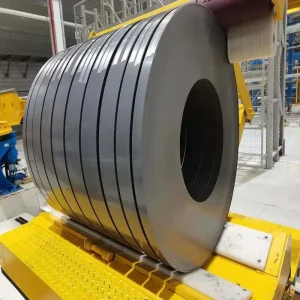
Cold Rolled Non-Grain Oriented (CRNGO) Silicon Steel Coils for EV Motors
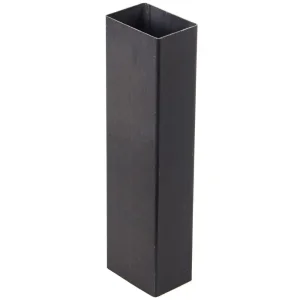
Hollow Structural Sections (HSS) Square & Rectangular Steel Tubing
Ready to Elevate Your Stainless Steel Supply Chain in Japan?
Get in touch with our senior metallurgical engineering team today for technical data sheets, JIS compliance verification, sample requests, and instant ocean freight quotations to Tokyo, Yokohama, Osaka, or Nagoya.
Send Inquiry Now