Engineered Coated Steel Solutions for South African Sectors
Formulated to exceed SANS standards, providing maximum sacrificial atmospheric protection against high UV exposure, marine salinity, and industrial pollutants.
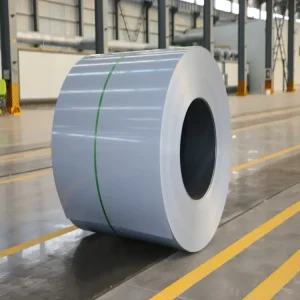
G550 High-Tensile GI, PPGI & PPGL Corrugated Roofing Sheets
Product Specifications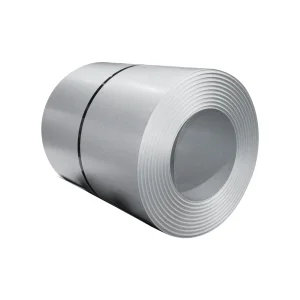
ZM275 Zinc-Aluminum-Magnesium Alloy Sheets for Solar PV Mounting
Product Specifications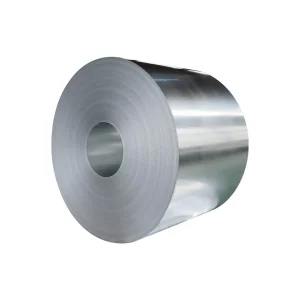
DX53D+AS / DX54D+AS Heat-Resistant Aluminized Silicon Coils
Product Specifications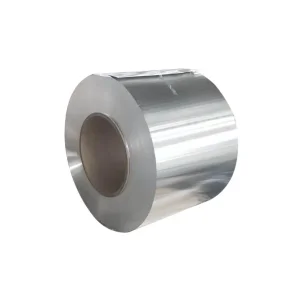
Precision Electrolytic Tinplate (ETP) & TFS Sheets for Packaging
Product Specifications1. South African Coated Steel Market Dynamics & Global Metallurgy Matrix
The Southern African industrial landscape is experiencing a structural paradigm shift. Driven by massive renewable energy expansion across the Northern Cape and Free State, extensive logistics overhauls along the Durban and Saldanha Bay corridors, and escalating demand for long-lifecycle commercial roofing, the specification requirements for coated steel products have evolved far beyond standard galvanized metals. As a tier-one primary coated steel manufacturer and international direct exporter, our facility bridges the gap between high-volume, precision metallurgy and localized South African engineering standards (SANS 3571, SANS 4998, and SANS 10162).
Historically, hot-dip galvanizing (HDG) with pure zinc coatings (Z275 to Z600) dominated the African sub-continent. However, micro-climatic stresses unique to South Africa—ranging from C5-M highly corrosive marine environments along Cape Town and Durban coastlines to severe UV radiation and thermal cycling on the Highveld plateau—have accelerated the adoption of next-generation ternary alloy coatings. Our manufacturing facility produces advanced Zinc-Aluminum-Magnesium (Zn-Al-Mg / ZM) and 55% Aluminum-Zinc (Galvalume / AZ) coatings engineered to withstand up to 4,000 hours of continuous salt spray testing under ASTM B117 protocol.
Global vs Local Industrial Metallurgy Benchmarking
Global decarbonization initiatives and European Union CBAM (Carbon Border Adjustment Mechanism) compliance have forced steel mills worldwide to modernize furnace heating and coating line efficiency. In South Africa, local re-rollers and stockists face severe margin pressures due to electricity load management and domestic coil supply deficits. By delivering direct factory-to-port shipments via Durban, Cape Town, and Coega (Gqeberha), our manufacturing supply chain provides South African fabricators with certified mill origin coil stock, uncompromised coil-to-coil mechanical property uniformity, and competitive land-delivered pricing.
| Coating System | Chemical Composition | Corrosion Resistance (C1-C5) | Self-Healing Cut-Edge | Primary South African Applications |
|---|---|---|---|---|
| Hot-Dip Galvanized (GI) | 99% Pure Zinc (Zn) | Moderate (C1 - C3) | Basic Sacrificial Protection | Indoor HVAC, Agricultural Tubing, General Light Frames |
| Galvalume / Aluzinc (AZ) | 55% Al, 43.4% Zn, 1.6% Si | High (C3 - C4) | Moderate Passivation | Commercial Roof Sheeting, Industrial Wall Cladding |
| Zinc-Aluminum-Magnesium (ZM) | 3% Mg, 11% Al, Balance Zn | Ultra-High (C4 - C5 Marine) | Superior Dense Simonkolleite Layer | Solar PV Tracker Racking, Coastal Infrastructure, Mining |
| Pre-Painted Galvalume (PPGL) | 55% Al-Zn + High-Durable Primer/PVDF | Extreme (C4 - C5 Heavy Industrial) | Barrier + Anodic Dual Shield | Architectural Roofs, Cold Storage Panels, Premium Facades |
2. Micro-Climate Engineering: Adapting Coated Steel to South African Environments
South Africa presents one of the most chemically varied atmospheric exposure spectrums in the world. Steel specified for a distribution center in Midrand (Johannesburg) operates under completely different stress criteria than material erected for an offshore support terminal in Richards Bay or a solar array in Upington.
Coastal Marine (C5-M Corrosivity Zone)
Cities like Durban, Port Elizabeth, and Cape Town feature high sea-spray aerosols, elevated relative humidity, and salt fog. Standard GI steel experiences rapid white-rusting and zinc consumption. We manufacture ZM300 and PPGL with PVDF topcoats designed specifically to neutralize chloride ion penetration.
High-UV Desert & Plateau (Highveld Exposure)
Upington and the broader Northern Cape experience extreme solar radiation (UV-A and UV-B) combined with rapid daily thermal swings (up to 30°C deltas). Standard paint resins chalk, fade, and crack. Our PPGI/PPGL utilizes High-Durable Polyester (HDP) and Polyvinylidene Fluoride (PVDF) polymer matrices with Solar Reflectance Index (SRI) > 78.
Industrial & Mining Acidic Atmosphere (C4 Zone)
Mining operations in Rustenburg, Witbank, and Secunda expose structural profiles to sulfur dioxide (SO2), airborne coal particulates, and acidic rainfall. Our aluminized-silicon and heavy ZM coatings provide impervious barrier resistance, preventing pit corrosion and structural embrittlement.
Sacrificial Anodic Protection & Cut-Edge Self-Healing Mechanism
When coated steel sheets are sheared, punched, or roll-formed on-site in South Africa, the bare steel substrate at the cut edge is exposed to atmospheric moisture. Under conventional galvanized coatings, red rust initiates rapidly at these cut margins. In contrast, our advanced Zinc-Aluminum-Magnesium (ZM) alloy coating exhibits a sophisticated electrochemical self-healing effect.
During atmospheric corrosion, magnesium ions (Mg2+) in the coating react with atmospheric carbon dioxide and moisture to form a dense, tightly adherent, zinc-based corrosion product known as Simonkolleite [Zn5(OH)8Cl2·H2O]. This dense passivation film washes over the exposed cut edge, physically sealing the steel substrate and halting lateral creep corrosion. This mechanism extends service life by up to 500% compared to standard batch galvanized cut edges in coastal applications.
3. Precision Manufacturing Infrastructure & Quality Management Systems
Our state-of-the-art manufacturing facility operates eight continuous processing lines dedicated to hot-dip galvanizing, galvalume dipping, electro-galvanizing, and multi-stage coil color coating. Every ton of steel shipped to South Africa undergoes rigid quality control protocols at each stage of production.
A. Continuous Hot-Dip Metallic Coating Lines (HDGL)
Cold-rolled full hard coil stock enters our automated continuous annealing furnace under a nitrogen-hydrogen reducing atmosphere, ensuring atomic-level cleanliness before immersion in the molten coating pot. Electromagnetic air-knives dynamically control coating thickness across the full strip width (up to 1,500mm), keeping coating mass tolerances within ±2g/m² of target specification (e.g., Z100 to Z600, AZ150, ZM275).
B. Continuous Color Coating Lines (CCCL)
Our dual-coat, dual-bake coil coating system applies chemical conversion pretreatment followed by a high-corrosion-resistant primer (5-7 microns) and a precision topcoat (15-25 microns). Infrared curing ovens ensure complete polymer cross-linking, resulting in superior T-bend flexibility (0T - 2T) without paint flaking during roll forming into IBR, corrugated, or clip-lock profiles.
Laser-Guided Thickness Gauging
Real-time X-ray and radiometric sensors monitor zinc/paint film uniformity end-to-end across every master coil.
Mechanical & Formability Testing
In-house laboratory verification of Yield Strength, Tensile Strength, Elongation (A80), and Erichsen Cupping values.
Chemical Passivation & Oiling
Environmentally friendly Chrome-Free passivations, anti-fingerprint (AFP) coatings, and rust-inhibiting oils applied for ocean transport stability.
4. South African Industry-Specific Application Matrix
Our factory customizes steel properties to align directly with the structural, thermal, and dimensional criteria of South Africa’s key commercial and industrial sectors.
1. Renewable Energy & Utility-Scale Solar PV Farms
With South Africa’s Renewable Independent Power Producer Procurement Programme (REIPPPP) pushing gigawatt-scale solar developments in the Northern Cape and Free State, structural racking suppliers require long-life corrosion resistance without the high labor costs of post-fabrication batch galvanizing. Our ZM275 / ZM310 high-strength steel coils (S350GD, S450GD, S550GD) are cold-formed directly into C-sections, Z-sections, and ground screws, offering 30+ year design lives in direct soil-contact and atmospheric conditions.
2. Architectural Building Envelopes & Agricultural Structures
The South African building industry relies heavily on inverted box rib (IBR), corrugated, and concealed-fix clip-lock roof profiles. For agricultural poultry structures, grain silos, and commercial warehouses, we supply high-tensile G550 PPGL and GI steel coils. These coils feature thermal emissivity treatments that reflect infrared heat, lowering interior building temperatures and drastically reducing HVAC energy consumption.
3. Commercial Bakery, Thermal Processing & Packaging
For industrial food processing operations, high-temperature stability is critical. Our DX53D+AS and DX54D+AS Aluminized Silicon Coils resist oxidation up to 500°C without heat discoloration, making them the material of choice for commercial baking trays, industrial oven interiors, and automotive heat shields. Simultaneously, our Electrolytic Tinplate (ETP) and TFS products supply regional packaging plants producing food cans, aerosol containers, and industrial chemical drums.
Comprehensive Steel Raw Materials & Profiles for South African Distributors
Factory-direct supply for tube manufacturers, structural fabricators, OEM automotive suppliers, and agricultural equipment builders across Southern Africa.
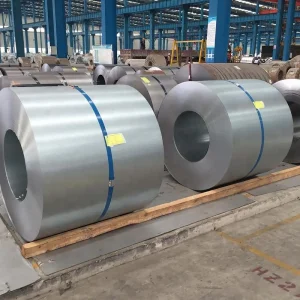
Galvanized Steel Coils for Pipe & Profile Roll Forming Manufacturers
Product Specifications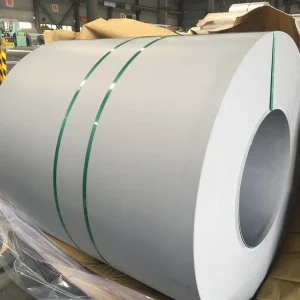
SECC / SECD / SECE 20/20 Coating Electro-Galvanized Steel Sheets
Product Specifications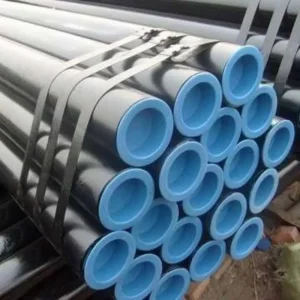
ASTM Carbon Steel Seamless Structural Tubes & Heavy Pressure Pipes
Product Specifications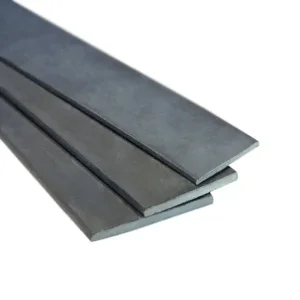
Galvanized Flat Steel Bars & Hot-Rolled Structural Flat Profiles
Product Specifications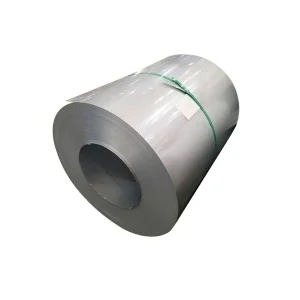
Cold-Rolled Stainless Steel Coils (201, 304, 316L Grade)
Product Specifications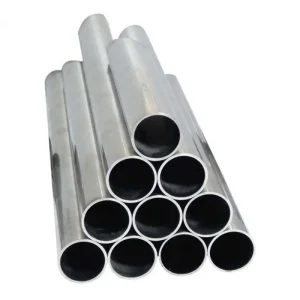
High-Zinc Hot-Dip Galvanized Agricultural Greenhouse Steel Pipes
Product Specifications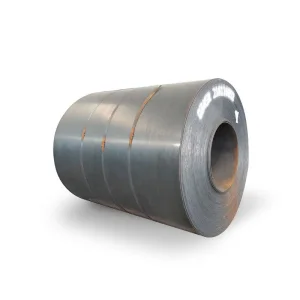
Hot-Rolled Pickled & Oiled (HRPO) Steel Coils for Precision Stamping
Product Specifications
DX53D+AS / DX54D+AS Deep-Drawing Aluminized Silicon Coils
Product Specifications5. Technology Roadmap: Next-Gen Coated Steel Innovation (2025–2035)
As global environmental regulations tighten and South Africa moves toward greener building certifications (Green Star SA), steel coating technology is undergoing rapid evolution. Our R&D center, staffed by over 20 senior metallurgical engineers, is actively driving three major technology transitions:
1. Ultra-Low Mass High-Magnesium Formulations
Advancing ZM alloy chemical compositions to achieve 4% Mg and 12% Al ratios. This breakthrough reduces total coating mass requirements by 30% while delivering equivalent corrosion resistance to heavy Z600 coatings, significantly reducing material weight and freight costs to South Africa.
2. Nano-Ceramic Chrome-Free Passivation
Replacing legacy hexavalent chromium passivations with eco-friendly titanium and zirconium nano-ceramic pre-treatments. Fully compliant with international REACH and RoHS directives for sustainable infrastructure projects across Southern Africa.
3. Photovoltaic-Integrated Cool Roof Coatings
Developing functional color coatings containing infrared-reflective ceramic pigments that optimize solar thermal dissipation, maximizing the operational efficiency of rooftop PV solar systems installed on commercial roofs.
Frequently Asked Questions (FAQ)
Clear answers to crucial procurement, technical compliance, and ocean logistics queries from South African steel importers and engineers.
How do your coated steel coils comply with South African National Standards (SANS)?
Our galvanized (GI), galvalume (AZ), and pre-painted (PPGI/PPGL) steel coils are manufactured strictly in accordance with international equivalents to SANS standards, including SANS 3571 (continuously hot-dip zinc-coated steel sheet), SANS 4998 (continuous hot-dip aluminium-zinc coated steel), and ASTM A653 / ASTM A792. Every shipment is accompanied by an official EN 10204 3.1 Mill Test Certificate (MTC) detailing chemical ladle analysis, mechanical yield/tensile values, and coating mass measurements.
What is the recommended coating mass for coastal roofing in Durban or Cape Town?
For severe marine environments classified under ISO 9223 as C4 or C5-M (within 1km of ocean shorelines like Durban harbor or Cape Town coast), we recommend a minimum coating specification of Galvalume AZ150 / AZ200, or Zinc-Aluminum-Magnesium ZM275 / ZM300. If pre-painted steel is specified, a high-durability PVDF or HDP paint system with a 25-micron topcoat over a 7-micron primer is essential to prevent micro-blistering and salt-edge corrosion.
Why is Zinc-Aluminum-Magnesium (ZM) steel replacing standard GI for solar PV racking in SA?
ZM alloy steel offers up to 5 times superior corrosion resistance compared to standard galvanized steel at equivalent coating thicknesses. Crucially, ZM steel features a unique self-healing cut-edge mechanism caused by the migration of magnesium ions forming a protective Simonkolleite layer. This eliminates the need for expensive post-fabrication hot-dip dipping for C-channels and solar tracker racking, reducing overall balance-of-system (BOS) capital expenditure for South African solar developers.
What ocean transport logistics and anti-rust packaging options are provided for Durban or Cape Town ports?
Shipping steel coils across equatorial sea routes involves high ambient humidity and risk of condensation (sweat damage). We utilize heavy-duty export seaworthy packaging consisting of VCI (Vapor Corrosion Inhibitor) anti-rust paper, inner and outer metal corner protectors, galvanized steel side rings, and heavy steel banding. Coils are secured in 20ft heavy-duty containers or breakbulk vessels equipped with desiccant bags, ensuring pristine, rust-free delivery to Port of Durban, Cape Town, or Coega.
Can you provide custom slitting, cut-to-length, and custom RAL color matching for SA project orders?
Yes. Our factory operates high-speed precision slitting lines capable of processing master coils into narrow strip widths down to 30mm, as well as cut-to-length sheet lines. For pre-painted steel (PPGI/PPGL), our color-matching laboratory provides exact matches to standard South African building color palettes (such as Charcoal, Traffic Grey, Willow Green, Kalahari Red, and Azure Blue) backed by spectrophotometer color tolerance checks under ΔE < 0.5.