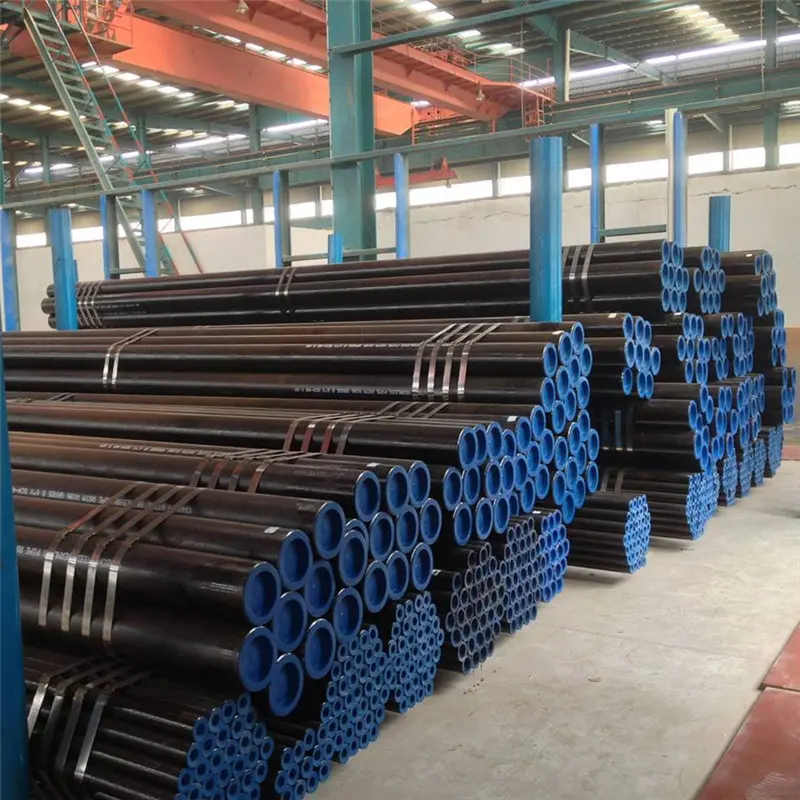
Wholesale Astm Carbon Steel Seamless Steel Pipe For Construction Seamless Tube Seamless Pipe Manufacturer, Suppliers
Product Description
Production Processes of Seamless Steel Pipes
The production processes of seamless steel pipes mainly include hot rolling and cold drawing (rolling).
Hot-rolled seamless steel pipes are made from round pipe billets, which are heated and pierced through a piercing machine, followed by multiple passes of rolling, cooling, and straightening, ultimately forming seamless steel pipes.
Key Advantages: Ability to produce large diameter and thick-walled seamless steel pipes, high production efficiency, and relatively low costs.
Cold-drawn (rolled) seamless steel pipes are formed through multiple cold drawing (rolling) processes at room temperature.
Key Advantages: High dimensional accuracy, smooth surface finish, and more uniform mechanical properties and microstructure. Ideal for high-precision applications, though production efficiency is lower and costs are higher.
Product Parameters
| Standard | API 5L: ASTM, BS, JIS, DIN |
| Steel Grade | API 5L Grade B/ASTM A 106B/A53; ASME B36, 10N-1996; GB8163-1999 |
| O.D. | 10MM - 920MM |
| W.T. | 2MM - 40MM |
| Length | 5m — 12m or as per customer's requirements |
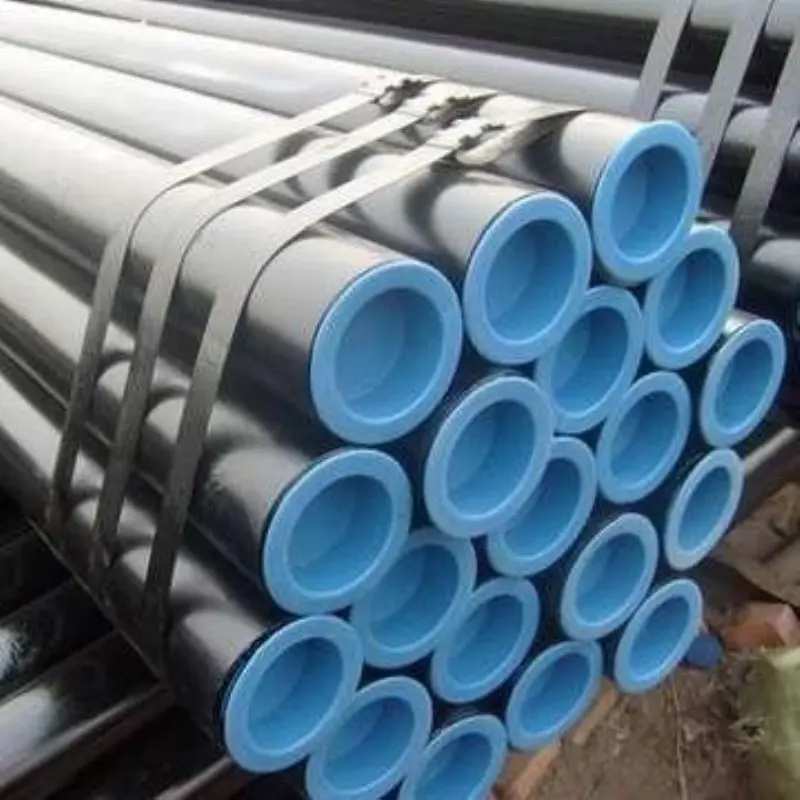
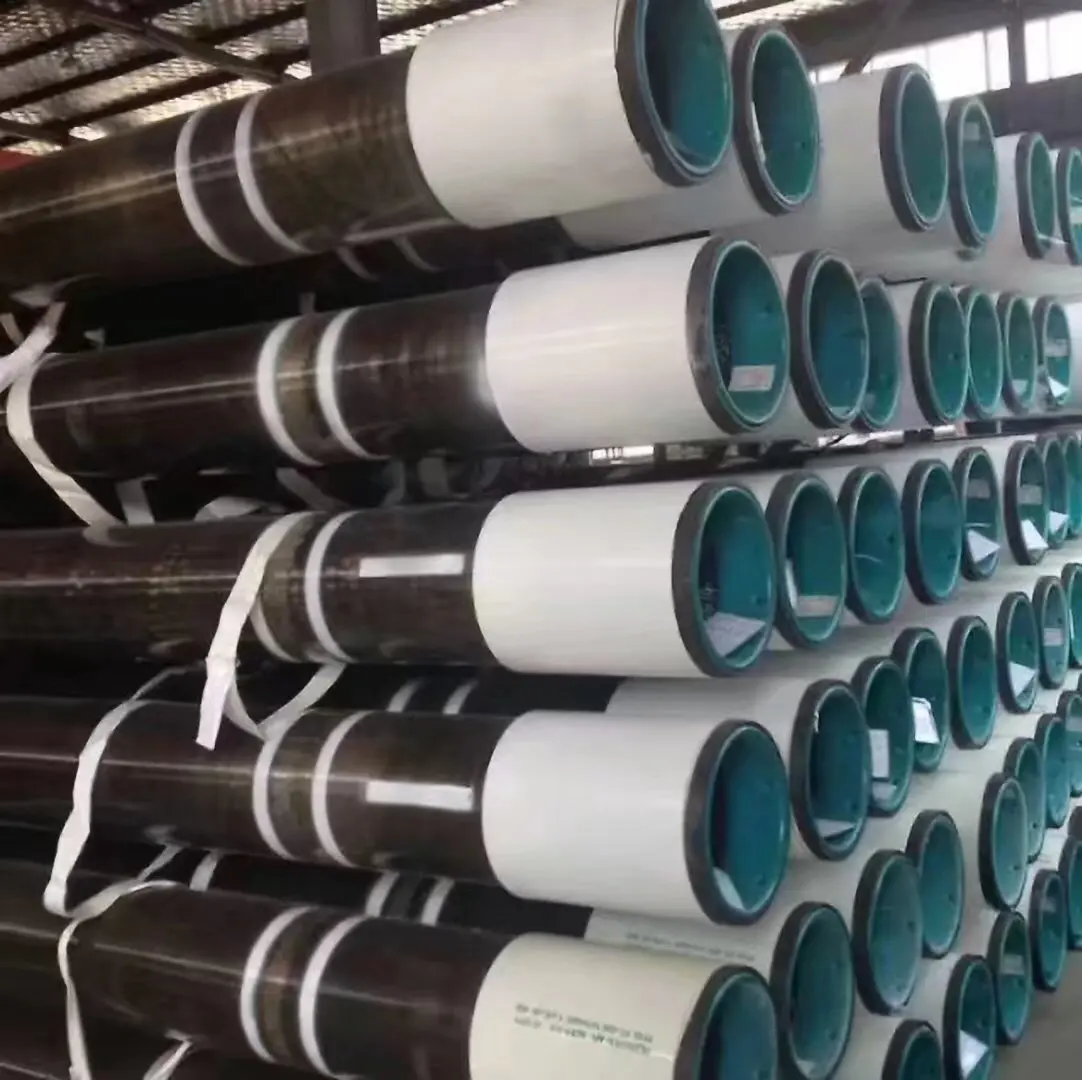
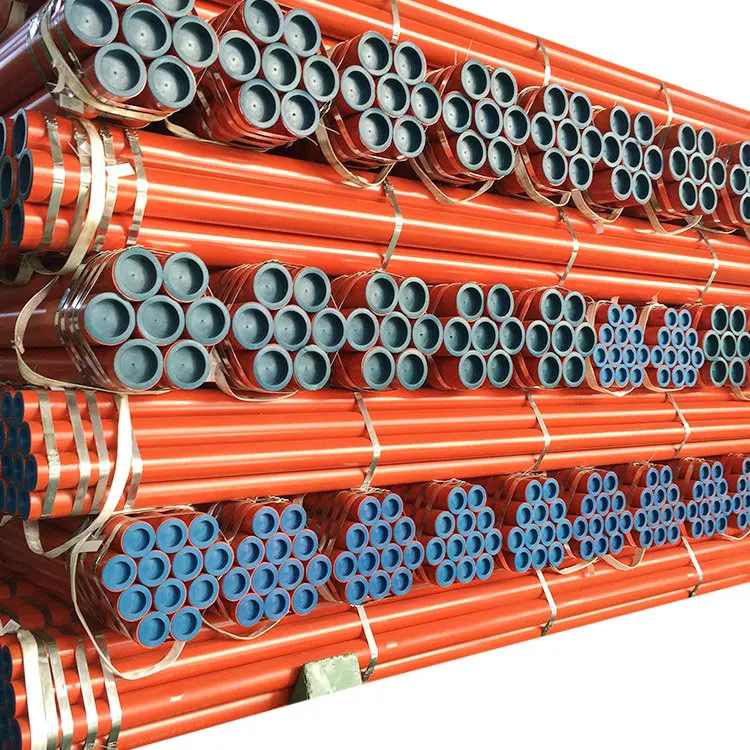
| End Protection | Plastic caps |
| Outside Coating | Black painting, anti-corrosion oil, galvanized or as per required by customer |
| Packing | In bundles tied with steel stripes |
| Certificates | API 5L; ISO9001;2000 |
| Production Capacity | Three factories with full production capacity, 200,000 tons per year |
| Delivery Time | Within 30-60 days after signing the contract or as your requirement |
| Application | Seamless steel pipes for low and medium pressure boiler, high pressure boiler, ship building, liquid service, petroleum cracking, chemical fertilizer equipment, drawing-oil-equipment and structure purposes. |
| Qualification | Independent import and export qualifications |
Classification of Seamless Steel Pipes
Seamless steel pipes can be classified based on different standards and purposes.
- Carbon Steel Seamless Pipes: Used for fluid transportation and structures. Good mechanical properties, lower cost, most widely used.
- Alloy Steel Seamless Pipes: Used under high-temperature/pressure conditions. High strength and heat resistance for petroleum, chemical, and boilers.
- Stainless Steel Seamless Pipes: Excellent corrosion resistance, used in food, pharmaceuticals, and chemicals.
- Hot-Rolled Pipes: Suitable for producing large-diameter and thick-walled pipes, commonly used for fluid transport and mechanical parts.
- Cold-Drawn (Rolled) Pipes: Ideal for small-diameter and thin-walled pipes, mainly used in precision machinery and high-pressure equipment.
- Structural Pipes: For general structures and mechanical structures.
- Fluid Transportation Pipes: For transporting water, oil, gas, and other fluids.
- Boiler Pipes: For manufacturing superheaters, reheaters, steam pipes in high-pressure boilers.
- Fertilizer Equipment Pipes: For high-pressure transmission pipelines and equipment.
Application Fields of Seamless Steel Pipes
Due to their excellent mechanical properties and corrosion resistance, seamless steel pipes are widely used in the following key industries:
One of the largest users of seamless steel pipes. Applied in drilling, extraction, transportation, and refining processes. High strength and pressure resistance withstand corrosive media and extreme pressures.
Mainly used for high-temperature and high-pressure pipelines and equipment. Alloy steel and stainless steel pipes are widely used in chemical reactors, heat exchangers, and boiler pipelines.
Used for producing high-strength mechanical parts and structural components such as bearings, gears, and drive shafts, offering exceptional durability and mechanical performance.
Primarily used for structural support and fluid transportation. High load capacity and environmental durability make them ideal for bridges, tunnels, steel structures, and modern buildings.