
Featured Coated & Structural Steel Products Showcase
Explore our top export-grade steel pipe, sheet, coil, and structural profile solutions manufactured directly in our certified production facilities.
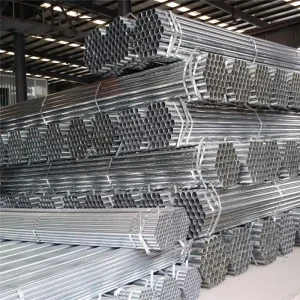
High-Quality Thick-Wall Pre Galvanized Steel Pipe for Green Houses
View Specs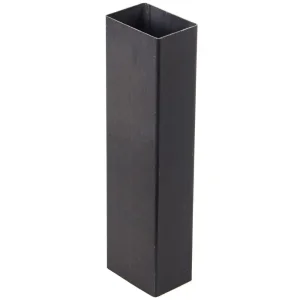
High-Quality Square Tube Suppliers in China - Hollow Structural Sections
View Specs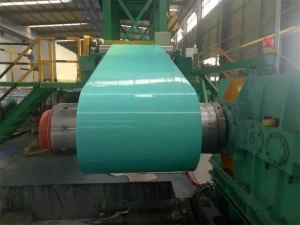
High-Quality PPGI PPGL Galvanized Metal Roofing Sheets - G550 Steel Plate
View Specs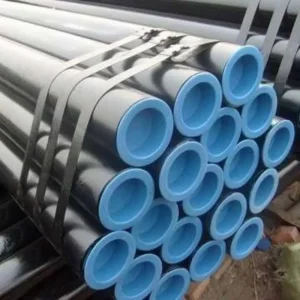
Seamless Carbon Steel Pipe Factory for Construction & High-Pressure Tubes
View Specs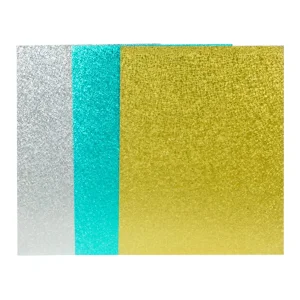
Galvalume Aluzinc Zinc Aluminum Coating Roofing Sheets for Durable Roofs
View Specs
Wholesale ASTM Carbon Steel Seamless Pipe from Reliable China Suppliers
View Specs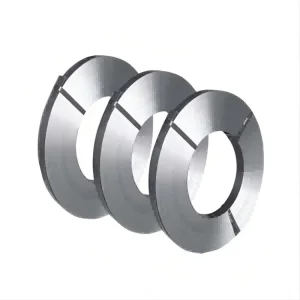
Wholesale 0.23mm CRGO Grain Oriented Electrical Silicon Steel Coil
View Specs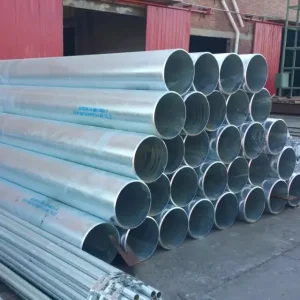
High-Strength Spiral Steel Pipe A53 A106GR.B Pressure Resistance Pipes
View SpecsEngineering Principles of Aluminum-Silicon (Al-Si) Alloy Coated Steel
Aluminum-Silicon alloy coated steel plate (often designated as Aluminized Steel Type 1 or AS steel) represents a premier metallic-coated material engineered specifically for extreme thermal environments, structural integrity, and aggressive atmospheric corrosion.
Ternary Alloy Composition
The AS coating layer typically consists of 87%–91% Aluminum (Al) combined with 9%–11% Silicon (Si). The precise addition of silicon is critical: it prevents the formation of a brittle, thick iron-aluminum intermetallic interface during hot-dip coating, creating a uniform, highly ductile sub-layer (Fe-Al-Si) that enables complex forming and deep drawing without coating flaking.
550°C–650°C Thermal Stability
Unlike standard Galvanized (GI) steel which loses zinc protection and degrades rapidly above 200°C, or Galvalume (55% Al-Zn) which degrades above 315°C, Al-Si coated steel operates continuously at temperatures up to 550°C (1022°F) without surface discoloration, and resists destructive scaling up to peak thermal excursions of 650°C (1202°F).
Superior Heat Reflectivity
In its unpainted state, AS steel plate reflects up to 80% of thermal radiation at temperatures below 480°C. This exceptional infrared emissivity control drastically reduces energy loss in heating equipment and shields sensitive components in automotive engine bays and industrial furnaces.
Understanding the material selection boundary is key for global engineering teams. Below is a comparative breakdown of key operational characteristics between Al-Si coated steel plate, Galvalume (AZ), Pure Zinc Galvanized (GI), and Pure Aluminized Type 2 steel.
| Performance Metric | Al-Si Coated Steel (AS / Type 1) | Galvalume Steel (55% Al-Zn / AZ) | Galvanized Steel (GI / HDG) | Pure Aluminized Steel (Type 2) |
|---|---|---|---|---|
| Coating Alloy Ratio | 87-91% Al, 9-11% Si | 55% Al, 43.4% Zn, 1.6% Si | 99%+ Pure Zinc | 99%+ Pure Aluminum |
| Max Continuous Temp. | 550°C (1022°F) | 315°C (600°F) | 200°C (392°F) | 480°C (896°F) |
| Peak Scaling Temp. | 650°C (1202°F) | 500°C (932°F) | 400°C (752°F) | 600°C (1112°F) |
| Hot Stamping Suitability | Industry Benchmark (Usibor® 1500) | Unsuitable (Zinc micro-cracking) | Limited (LME Risk) | Poor formability (Brittle phase) |
| Formability & Bendability | Excellent (Controlled Fe-Al-Si layer) | Moderate (Cracking on tight bends) | Excellent | Fair (Thick intermetallic layer) |
| Heat Reflectivity | 80% at 480°C | 70% at room temp | Low at elevated temp | 85% at room temp |
The Role of Al-Si Coated Steel Plate in Hot Stamping (Press Hardening)
In modern automotive lightweighting, Press Hardening Steels (PHS) such as 22MnB5 rely fundamentally on Aluminum-Silicon alloy coatings to overcome microstructural oxidation and Liquid Metal Embrittlement (LME).
Furnace Decarburization & Scale Prevention
During direct hot stamping, boron steel blanks are heated in roller hearth furnaces to austenitization temperatures between 900°C and 950°C. Uncoated steel oxidizes violently, forming thick iron oxide scale ($Fe_2O_3$, $Fe_3O_4$) that destroys press dies and demands costly shot-blasting. Al-Si alloy coatings form a protective, highly stable metallic aluminum oxide film ($Al_2O_3$) on the surface, entirely blocking carbon loss and scale formation during heat exposure.
Microstructural Phase Transformation (Interdiffusion)
As the sheet is held at 930°C, iron from the substrate diffuses outward into the Al-Si coating, transforming the initial coating layer into a tough, high-melting-point Fe-Al-Si ternary intermetallic phase (melting point > 1100°C). When transferred to the water-cooled press die, the steel quenches into a full martensitic structure (tensile strength up to 1500–2000 MPa) while the intermetallic surface remains bonded, preventing micro-cracking and delivering a paintable surface directly out of the press.
Buyer Intent Mining: Crucial Technical Criteria for Global Sourcing
International purchasing directors, automotive tier-1 suppliers, and EPC contract engineering managers face key technical trade-offs when buying wholesale Al-Si coated steel plates. We systematically address these operational requirements.
Coating Mass Standardization
Determining precise coating weight is essential for balancing drawability and corrosion resistance. Our supply capabilities cover standard ASTM A463 and EN 10346 designations: AS80, AS120, AS150 (representing total double-side coating mass from 80 g/m² to 150 g/m²). Heavier coatings (AS150) are optimized for aggressive outdoor and thermal exhaust environments.
Weldability Parameters
Al-Si coatings possess higher electrical resistivity than standard raw carbon steel. Procurement managers must ensure material consistency for Resistance Spot Welding (RSW) and Laser Welded Blanks (LWB). Our mill parameters provide tightened coating thickness tolerances (+/- 2 microns), ensuring stable current density and minimal electrode wear during automated body-in-white welding.
International Specification Conformance
Global enterprise buyers require seamless cross-standard mapping. Our factory mills manufacture strictly according to EN 10346 (DX51D+AS, DX54D+AS, HDT580X+AS, 22MnB5+AS), ASTM A463/A463M Type 1 (T1-25, T1-40), VDA 239-100 automotive standards, and JIS G3314 (SA1D, SA1E), backed by complete 3.1 EN 10204 Mill Test Certificates (MTC).
Industrial Field Applications & Case Scenarios
Al-Si alloy coated steel plates are deployed in high-stress thermal and corrosive environments across critical engineering sectors globally.
Automotive Heat Shields & Exhausts
Used extensively in catalytic converter heat shields, exhaust manifold covers, firewall insulation panels, and muffler outer wraps where continuous thermal exposure exceeds 500°C.
Automotive Structural Safety (PHS)
Hot-stamped into car A-pillars, B-pillars, roof rails, side-impact door beams, bumper cross-members, and EV battery pack crash-protection shields requiring 1500+ MPa tensile strength.
HVAC, Ovens & Industrial Heating
Chosen for commercial baking oven cavities, industrial heat exchangers, residential water heaters, wood-burning stove liners, and ductwork subject to thermal cycling and moisture.
Solar Thermal & Industrial Cladding
Deployed as reflective backing sheets in solar thermal collectors, high-temperature chemical pipeline jackets, and boiler house protective cladding in demanding coastal industrial zones.
China Factory Supply Chain Ecosystem: Competitive Advantages
Direct sourcing from premier Chinese steel manufacturing hubs delivers significant technical, financial, and logistical efficiencies for global distributors and OEM manufacturers.
Continuous Hot-Dip Coating Lines (CGL)
Our advanced Continuous Galvanizing and Aluminizing Lines (CGL) integrate online thickness gauge monitoring, air-knife coating mass control, and inductive pre-heating. This ensures uniform coating thickness across wide width coils (up to 1500mm) with zero surface defects.
Upstream Material Integration & Cost Control
By sourcing high-purity liquid aluminum and prime cold-rolled steel substrates directly from state-integrated steelworks, our manufacturing facilities eliminate intermediary trading markups, providing wholesale clients with 15%–25% cost efficiency over European or North American mills.
Flexibility in Processing & Port Logistics
We provide complete value-added processing including precision coil slitting, custom sheet cut-to-length blanking, tension leveling, and specialized oiled/dry surface passivations. Located near Tianjin and Qingdao deep-water ports, we ensure fast ocean freight dispatch.
Compliance Guarantee, Quality Control & Localized Support
Risk mitigation is paramount in international steel trade. We uphold rigorous quality assurance protocols to guarantee that every shipment meets contract specifications.
IATF 16949 & ISO Quality Systems
Our manufacturing facilities operate under IATF 16949 (Automotive Quality Management Standard) and ISO 9001 certification. Every production lot undergoes rigorous laboratory testing, including cross-hatch coating adhesion testing, T-bend testing, high-temperature furnace oxidation bake tests, and Neutral Salt Spray (NSS) testing exceeding 1000 hours.
Third-Party Inspection & Seaworthy Packaging
We fully support independent third-party inspections (SGS, TÜV, Bureau Veritas) prior to vessel loading. Products are packed with heavy-duty anti-rust VCI film, vertical steel outer wrapping, corrugated edge protectors, and placed on fumigated wooden pallets to guarantee zero oxidation during ocean transit.
Global Market Trends & Technological Innovations in Al-Si Steel
As global industries transition toward decarbonization and higher efficiency, Al-Si alloy coated steel technology is experiencing unprecedented innovation.
Electric Vehicle (EV) Thermal Safety
With the rapid growth of Electric Vehicles, Al-Si coated steel plates are being engineered into battery box thermal runaway barrier shields. The material prevents flame penetration during battery cell thermal events up to 1000°C for crucial emergency evacuation time.
Green Steelmaking & Decarbonization
Leading Chinese mills are integrating Hydrogen-Based Direct Reduced Iron (DRI) substrate steelmaking with energy-efficient CGL lines, significantly lowering the embodied carbon footprint per ton of Al-Si steel sheet to meet European CBAM compliance.
2000 MPa Ultra-High Strength PHS
Next-generation press hardening grades (such as 34MnB5) combined with optimized Al-Si surface coatings allow car makers to reduce structural component wall thicknesses by 15% to 20% while maintaining crash performance.
Frequently Asked Questions (Technical & Procurement FAQ)
Get authoritative answers to standard engineering, specification, and procurement queries regarding Wholesale Steel Plate Coated with Aluminum-Silicon Alloy.
What is the difference between Aluminized Steel Type 1 (Al-Si) and Type 2?
What temperature limits can Al-Si coated steel plate withstand?
Why is Al-Si coating essential for 22MnB5 hot stamping (press hardening)?
What international standards apply to Al-Si alloy coated steel sheets and coils?
How does Al-Si coated steel compare to Galvalume (55% Al-Zn)?
What dimensions and coating weights are available for wholesale orders?
What lead times and quality certifications do you provide?
Explore Our Full Range of Factory Direct Products
From specialty zinc-aluminum-magnesium sheets to high-strength structural framing, explore our extended manufacturing catalog.
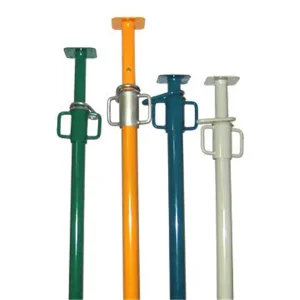
Heavy Duty Adjustable Steel Prop for Scaffolding Support in Construction
View Specs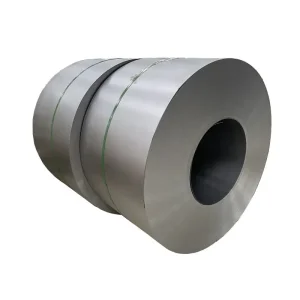
High-Strength Cold Rolled Steel Sheets for Deep Drawing - China Factory
View Specs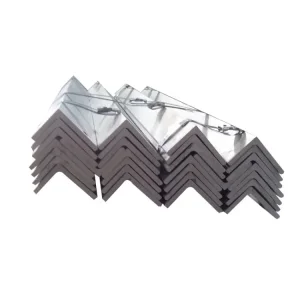
Steel Angle Iron Beam Q195 Q215 Hot Rolled Structural Parts for Building
View Specs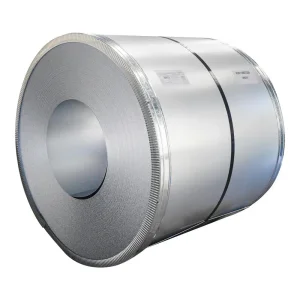
ZM AZM Coated Steel Sheet 275g Zinc Aluminum Magnesium Alloy for Solar
View Specs
Adjustable Steel Prop for Scaffolding Support - Heavy Duty Telescopic Post
View Specs
Galvalume Aluzinc Coating Roofing Sheets for Durable Wall and Roof Panels
View Specs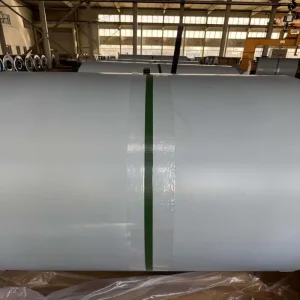
Electrogalvanized Steel: SPCC/SPCD Grades and Zinc Coating Options
View Specs
Wholesale Galvanized/Painted Scaffold Heavy Duty Telescopic Post Formwork
View SpecsRequest Technical Datasheets & Wholesale Quotations
Contact our senior metallurgical export team today to receive detailed technical specifications, MTC samples, and competitive direct factory pricing for Aluminum-Silicon alloy coated steel coil, sheet, and structural products.