High-Demand Wholesale Steel Components
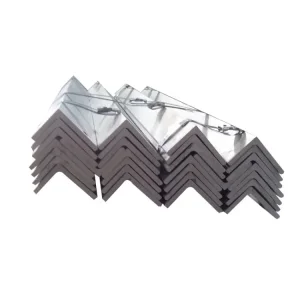
Understanding the Chemical Physics: Hot-Dipped vs. Electro-Galvanized Steel
Choosing between Hot-Dipped Galvanized (HDG) and Electro-Galvanized (EG) steel is not merely a purchasing preference—it is a critical metallurgical decision that governs corrosion resistance, structural longevity, mechanical formability, and total cost of ownership (TCO).
In global industrial manufacturing, carbon steel substrates are exposed to atmospheric moisture, industrial pollutants, and coastal saline conditions that precipitate electrochemical oxidation (rusting). Zinc coating acts as both a physical barrier and a cathodic (sacrificial) protector. However, the thermodynamic mechanism used to bond zinc to steel differs fundamentally between Hot-Dipped Galvanizing and Electro-Galvanizing.
Hot-Dipped Galvanizing (HDG) Physics
Process Thermal Diffusion: HDG involves completely immersing thoroughly cleaned carbon steel into a bath of molten zinc maintained at approximately 440°C to 460°C (824°F to 860°F). During immersion, a metallurgical reaction occurs between the iron in the steel substrate and molten zinc, forming a series of zinc-iron intermetallic alloy layers bounded by a pure zinc outer layer.
- Gamma Layer (Γ): ~75% Zn, 25% Fe (Hard, brittle intermetallic layer closest to steel).
- Delta Layer (δ): ~90% Zn, 10% Fe (Ductile layer absorbing mechanical stress).
- Zeta Layer (ζ): ~94% Zn, 6% Fe (Monoclinic crystal structures).
- Eta Layer (η): 100% Zn (Outer layer providing vibrant spangle aesthetics).
Because of thermal diffusion, HDG creates thick coatings ranging from 45 µm to over 200 µm (Z100 up to Z600+ g/m²). It delivers robust barrier protection and superior self-healing sacrificial performance in extreme outdoor conditions.
Electro-Galvanizing (EG) Physics
Electrolytic Deposition: Electro-galvanizing operates at ambient temperatures using an electroplating process. The steel coil or sheet acts as a cathode in an aqueous solution of zinc sulfate or zinc cyanide, while pure zinc anodes supply zinc ions. When electric current passes through the bath, zinc ions deposit uniformly onto the steel surface atom-by-atom.
- Zero Intermetallic Layer: Pure 100% zinc layer without brittle Fe-Zn phases.
- Ultra-Precise Coating Control: Coating thickness ranging from 2.5 µm to 15 µm (ZE25/25 up to ZE100/100).
- Flawless Surface Finish: Completely spangle-free, mirror-smooth surface ideal for high-gloss paint finishes.
- Uncompromised Substrate Formability: Eliminates heat-affected zones, preserving deep-drawing capabilities (r-value and n-value).
EG is engineered for applications demanding tight dimensional tolerances, flawless aesthetic appearance, and exceptional press forming behavior.
Information Gain Key Insight: While HDG provides up to 10x thicker protection for outdoor structural civil engineering, Electro-Galvanized steel excels in automotive stamping, precision electronic enclosures, and interior server racks where coating flakes from HDG intermetallic brittle layers could damage sensitive circuitry or impair paint adhesion.
Side-by-Side Metallurgical & Mechanical Performance Benchmark
| Technical Characteristic | Hot-Dipped Galvanized (HDG) | Electro-Galvanized (EG) | Engineering Selection Driver |
|---|---|---|---|
| Primary Governing Standard | ASTM A653 / EN 10346 / JIS G3302 | ASTM A879 / EN 10152 / JIS G3313 | Compliance Specification Framework |
| Coating Thickness Range | 45 µm – 200+ µm (Z100 – Z600) | 2.5 µm – 15 µm (ZE12/12 – ZE100/100) | Atmospheric Corrosion Requirement |
| Surface Aesthetics & Spangle | Regular, Minimized, or Zero Spangle | Spangle-Free, Ultra-Smooth Matte Finish | Visual Aesthetics & Surface Painting |
| Salt Spray Resistance (ASTM B117) | 500 to 2,000+ Hours (To Red Rust) | 72 to 150 Hours (Unpainted) | Severe Marine vs indoor Environments |
| Weldability & Spot Welding | Requires higher current, causes electrode wear | Excellent weldability with minimal splash | Automotive Robotic Assembly Lines |
| Formability & Drawability | Good; intermetallic layers may crack under severe bends | Superior extra-deep drawing performance | Complex Stamping & Stretches |
| Typical Substrates | DX51D, DX52D, Structural Steel (S250GD-S550GD) | DX53D, DX54D, IF Steel, Ultra-Low Carbon | Mechanical Structural Integrity |
Strategic Competitive Advantages of Sourcing Galvanized Steel from China
China produces over 55% of the world's refined zinc and crude steel. By leveraging integrated industrial hubs in Tianjin, Hebei, and Shandong, top China factories offer global procurement managers unprecedented economies of scale, strict quality compliance, and cost optimization.
Integrated Supply Chain Clusters
Tianjin steel mills combine iron ore sintering, blast furnace smelting, continuous hot-dip galvanizing lines (HDGL), and high-speed electrolytic galvanizing lines (EGL) within a 50km radius. This localized ecosystem eliminates inter-factory freight costs and reduces lead times by up to 35% compared to European or North American supply chains.
Mass Production Cost Leadership
With monthly outputs exceeding 100,000 metric tons per modern manufacturing base, Chinese factories achieve maximum thermal efficiency in zinc pots and high electrical efficiency in electroplating rectifier systems. Bulk zinc ingot procurement hedged against SHFE/LME markets translates directly into highly competitive FOB/CIF wholesale pricing.
Rigorously Verified Quality Control
Leading Chinese exporters operate modern testing laboratories equipped with X-ray fluorescence (XRF) coating thickness gauges, salt spray corrosion chambers, cross-hatch paint adhesion testers, and optical emission spectrometers to guarantee every shipment matches strict ASTM A653, EN 10346, or JIS standards with MTC ISO 10204 3.1 certification.
Global Industry Trends: The Shift Towards Zinc-Aluminum-Magnesium (ZM) & Green Galvanizing
The galvanized steel market is undergoing a technological revolution driven by decarbonization mandates, green building standards, and demands for extreme durability in renewable energy infrastructure.
1. Rise of Zinc-Aluminum-Magnesium (ZM / AZM)
Traditional hot-dipped galvanizing is increasingly augmented by ZM coatings (consisting of Zinc + 3% Aluminum + 1.5-3% Magnesium). Magnesium creates a dense, self-healing simonkolleite protective film over cut edges and drilled holes, delivering up to 5x greater corrosion resistance than standard HDG with thinner coating weights. ZM has become the global standard for solar mounting trackers, agricultural livestock facilities, and coastal infrastructure projects.
2. Decarbonization & Green Electro-Galvanizing
Modern steel mills in China are transitioning to zero-chromium passivation systems, hydrogen-fired continuous annealing furnaces, and closed-loop electroplating chemical recovery systems. Global OEMs in the EU and North America now demand environmental product declarations (EPDs) and low-carbon footprint verification when sourcing electro-galvanized coils for home appliances and EV platforms.
Localized Application Scenarios & Macro Industry Solutions
Selecting the right material requires matching chemical exposure, mechanical stresses, and post-processing fabrication steps with the appropriate galvanizing method.
Outdoor Infrastructure & Civil Works
Primary Solution: Hot-Dipped Galvanized Heavy Steel & Pipes
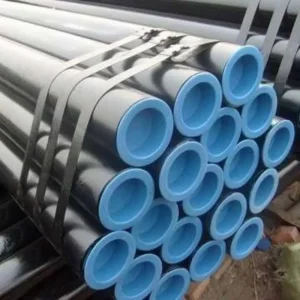
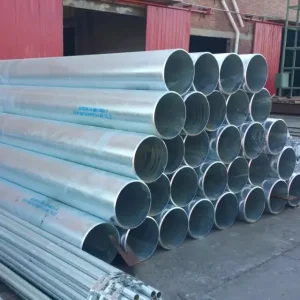
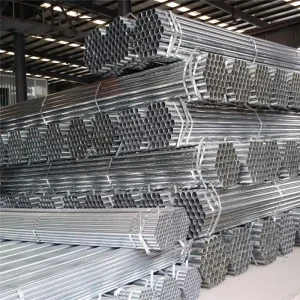
For bridge guardrails, high-pressure spiral steel water pipelines, transmission towers, and heavy structural scaffolding support, HDG delivers a 50+ year maintenance-free service life. The thick zinc-iron alloy barrier withstands severe UV radiation, acid rain, moisture accumulation, and physical impact.
Automotive & Precision Appliances
Primary Solution: Electro-Galvanized Coil & Deep-Drawing Sheet
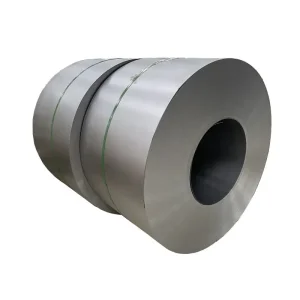
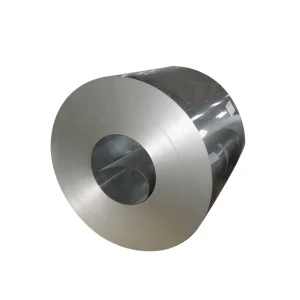
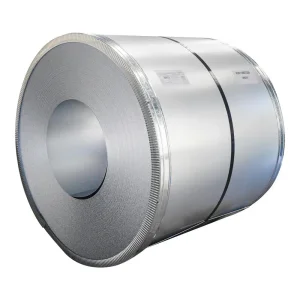
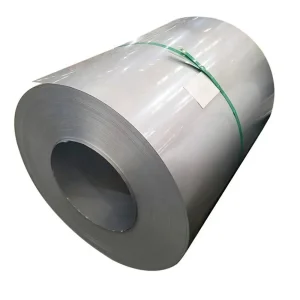
Automotive door panels, electric vehicle battery trays, washing machine side panels, and computer chassis require mirror-smooth surfaces free from zinc tears or spangle grain boundaries. EG provides uniform thickness that maintains strict mechanical stamping tolerances and prevents flaking during complex press forming.
Agricultural & Solar Energy Sector
Primary Solution: Pre-Galvanized Pipes & Zinc-Aluminum-Magnesium Sheets
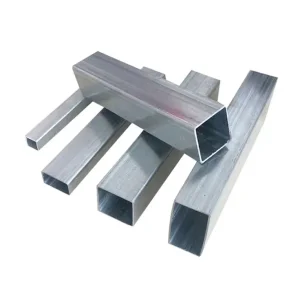
Modern commercial greenhouses and ground-mounted solar farms require lightweight, cost-effective structural components. Pre-galvanized rectangular hollow sections and ZM alloy sheets offer a superior balance between unit cost, corrosion resistance against fertilizers/humidity, and rapid assembly on-site.
Global Corporate Procurement Framework & Total Cost of Ownership (TCO)
For international buyers, EPC contractors, and steel stockists, purchasing decisions must balance purchase price (CapEx) against long-term maintenance, surface finishing costs, and logistics reliability.
CapEx vs. OpEx Tradeoff Analysis
Hot-Dipped Galvanized Steel: Higher initial raw material purchase cost due to heavier zinc consumption per metric ton (e.g., Z275 vs. ZE25). However, HDG requires zero post-installation painting or corrosion touch-ups over a 25-50 year operating window, delivering the lowest total lifecycle cost for civil infrastructure.
Electro-Galvanized Steel: Lower initial material cost per square meter for thin zinc coatings, but requires high-grade primer and topcoat systems if deployed in outdoor or high-humidity environments. Total operational cost depends on the paint line efficiency of the OEM assembly plant.
Ocean Freight & Anti-Corrosion Packaging Protocols
Bulk ocean transit exposes steel cargo to humid marine environments and salt fog, risking "white rust" (zinc hydroxide formation). Premium Chinese exporters apply standardized seaworthy export packaging:
- VCI (Volatile Corrosion Inhibitor) Paper: Chemically neutralizes moisture inside moisture-proof plastic wrapping.
- Galvanized Outer Steel Jackets & Side Protectors: Shields coil edges and bundle corners from crane sling abrasion.
- Heavy-Duty Steel Strapping & Wooden Skids: Secures coils and pipe bundles against vessel pitch and roll movement.
Frequently Asked Questions (FAQ)
Direct technical and procurement answers provided by senior metallurgical engineers and international trade specialists.
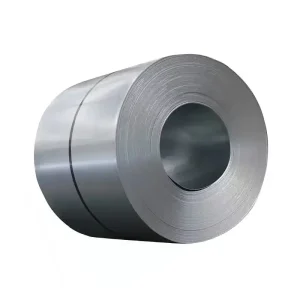
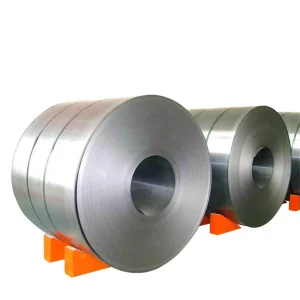
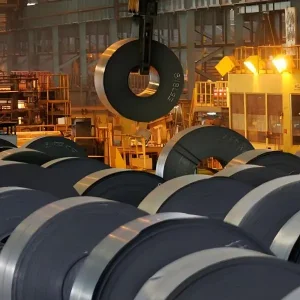
Precision Coils, Pipes & Structural Sections
Request Factory Direct Wholesale Quotation & Technical Data Sheet
Connect directly with our Tianjin metallurgy export team. Get mill test certs, detailed chemical compositions, customized zinc coating options (Z40–Z600 / ZE12–ZE100), and sea freight FOB/CIF quotes within 24 hours.