
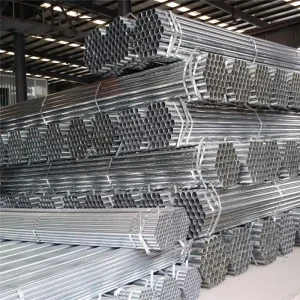
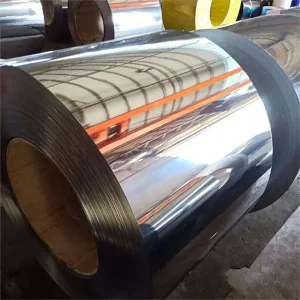
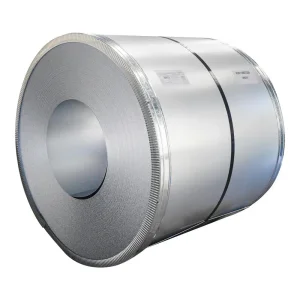
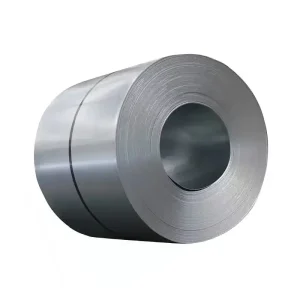
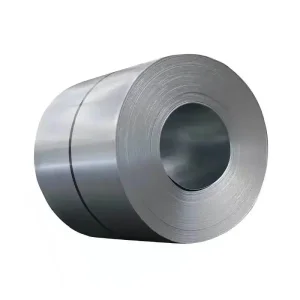
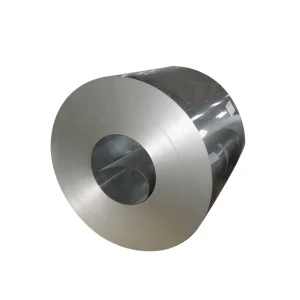
Featured Industrial GI Coils & Steel Tubing Portfolio (Part I)
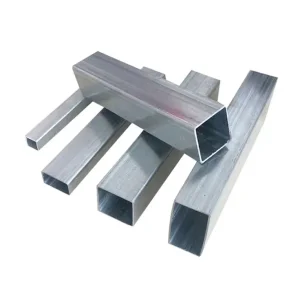
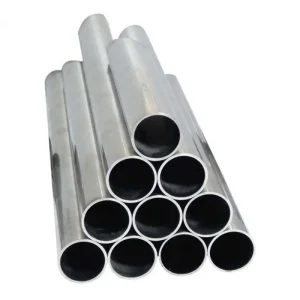
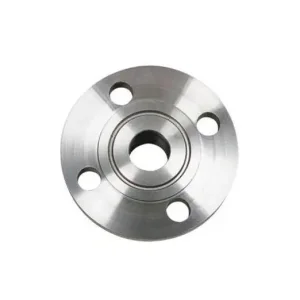
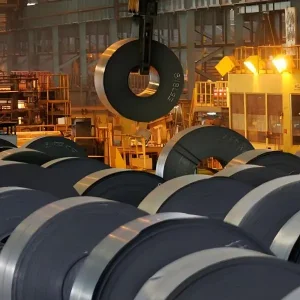
Mill-direct prime carbon steel, galvanized coils, and precision hollow sections manufactured under strict ISO/ASTM quality management systems.
1. Metallurgical Foundations of Galvanized Iron (GI) Sheets & Coils
An authoritative analysis of continuous hot-dip zinc coating kinetics, interfacial alloy layer formation, and sacrificial cathodic protection mechanisms.
Sacrificial Corrosion Protection Dynamics
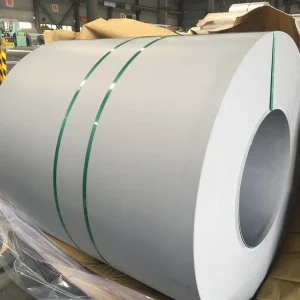
Galvanized Iron (GI) sheets and steel coils acquire their exceptional anti-corrosion properties through a dual protection system: barrier isolation and galvanic (sacrificial) cathodic protection. When carbon steel substrate is processed through a continuous molten zinc bath maintained precisely between 445°C and 460°C, a complex thermodynamic reaction occurs between the iron (Fe) atoms and liquid zinc (Zn).
The resulting metallurgical bond consists of distinct iron-zinc alloy layers (Gamma, Delta, Zeta) capped by a pure zinc outer layer (Eta phase). Should the surface coating experience mechanical scoring or edge shearing, the electrochemically active zinc acts as a sacrificial anode (standard electrode potential of -0.76V vs. SHE), corroding preferentially to preserve the underlying steel matrix (-0.44V vs. SHE).
Microstructure & Spangle Engineering
Surface spangle formation during the solidification of the molten zinc layer is governed by the presence of trace alloy elements, specifically Lead (Pb), Antimony (Sb), and Bismuth (Bi). Modern OEM applications demand precise control over spangle aesthetics and mechanical formability:
- Regular Spangle (Normal Spangle): Formed during uninhibited growth of zinc dendritic crystals; features classic visible zinc flowers ideal for general roofing and structural sheeting.
- Minimized Spangle (Small Spangle): Rapidly cooled via liquid nitrogen misting or reduced alloying to suppress crystal grain size; preferred for post-painting applications where uniform surface texture is mandatory.
- Zero Spangle (Extra Smooth): Produced using ultra-pure zinc ingots (99.995% Zn) combined with skin-pass rolling; yields a flawless, smooth mirror finish suitable for home appliances and automotive body panels.
2. Supply Chain Integration: China Wholesale Factory Advantages
Unlocking economies of scale, vertical raw material integration, and high-speed precision continuous galvanizing lines (CGL) in Tianjin & Hebei steel manufacturing clusters.
Vertical Raw Material Integration
China's key steel production hubs—most notably the Tianjin-Hebei industrial corridor—benefit from direct integration with tier-1 upstream blast furnaces and hot-rolling strip mills. By sourcing prime hot-rolled coils (HRC) directly from integrated steel makers, Chinese GI sheet manufacturers eliminate intermediary freight markups and maintain complete traceability of chemical composition (C, Mn, P, S) from liquid iron to finished coated coil.
High-Speed CGL Technology
Modern Chinese galvanizing facilities operate multi-stage continuous galvanizing lines (CGL) running at processing speeds up to 200 meters per minute. These lines incorporate non-oxidizing furnace (NOF) annealing technology, automatic X-ray zinc gauge feedback loops, and dynamic air-knife gas wiping systems. This infrastructure guarantees microscopic coating thickness tolerances (±2g/m²) across coil lengths exceeding 3,000 meters.
Custom Processing & Slitting Scale
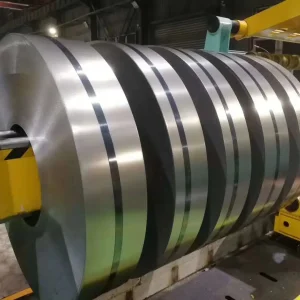
Wholesale manufacturing hubs in China offer comprehensive secondary processing capabilities under one roof. Heavy-duty slitting machines convert jumbo GI coils (up to 25 metric tons) into narrow precision strip coils down to 20mm widths. Automated cut-to-length shearing lines transform coils into flat GI sheets with high diagonal squaring accuracy, while inline tension levelers ensure maximum flatness (<3mm/m residual stress relief).
3. Technical Specifications & Cross-Standard Matrix
Global engineering cross-reference mapping ASTM, EN, JIS, and GB standards for international B2B procurement tenders.
| Global Standard | Commercial / Forming Grade | Structural Grade Options | Zinc Coating Mass Range | Surface Finish & Treatments |
|---|---|---|---|---|
| ASTM A653 / A653M (USA / Americas) | CS Type A, B, C / FS Type A, B / DDS | SS Grade 33 (230), SS Grade 40 (275), SS Grade 50 (340) | G30, G40, G60, G90 (275g/m²), G115, G185, G210 | Regular Spangle, Minimized Spangle, Extra Smooth, Chromated (C5), Oiled (O) |
| EN 10346 / EN 10143 (Europe / Middle East) | DX51D+Z, DX52D+Z, DX53D+Z, DX54D+Z | S220GD+Z, S250GD+Z, S280GD+Z, S350GD+Z, S550GD+Z | Z100, Z140, Z200, Z275, Z350, Z450, Z600 | Passivated (A), Oiled (B), Anti-Fingerprint (AFP), Phosphated (P) |
| JIS G3302 (Japan / SE Asia) | SGCC, SGCD1, SGCD2, SGCD3 | SGC340, SGC400, SGC440, SGC490, SGC570 | Z08, Z12, Z18, Z22, Z25, Z27 (275g/m²), Z35, Z45 | Zero Spangle, Regular Spangle, Chromate Free, Skin-Passed |
| GB/T 2518 / GB/T 12754 (China / Global Direct) | DC51D+Z, DC52D+Z, DC53D+Z | St01Z, St02Z, Q235V+Z, Q345V+Z | 30g/m² to 600g/m² (Dual-side total mass) | Chromate Passivated, Environmentally Friendly Non-Chrome Passivation |
4. Macro Industrial Applications & Downstream Engineering
Tailored steel coil and sheet solutions engineered to meet the unique mechanical and environmental demands of major B2B sectors.
Building Construction & Roofing
GI sheets are widely converted into trapezoidal, corrugated, and standing-seam roofing profiles (e.g., IBR, R-panel). High-strength G550 structural coils allow reduction in sheet thickness while sustaining extreme wind uplift loads in commercial portal frame structures.
HVAC & Air Duct Distribution
Spiral and rectangular air duct fabrication requires Lock-Forming Quality (LFQ) GI coils (ASTM A653 CS Type B / DX52D+Z). The coating must withstand severe 90° and 180° flanging without micro-flaking or zinc coating delamination along lock seams.
Solar PV Mounting Track Structures
Utility-scale solar farms deployed in coastal or desert regions utilize heavy-galvanized GI sheets (Z450 to Z600) or Zinc-Aluminum-Magnesium (ZAM) alloys to manufacture cold-formed C/U-purlins, ground piers, and tracking brackets resistant to chloride attack.
Home Appliance & Electrical Enclosures
Electro-galvanized (SECC/SECD) and zero-spangle hot-dip GI sheets with resin-coated Anti-Fingerprint (AFP) treatment serve as back panels, chassis, and inner casings for refrigerators, washing machines, and server racks, ensuring high aesthetic standards.
Automotive Stamping & Tubular Profiles
Deep-drawing extra-deep-drawing (EDD / IF steel) galvanized sheet stock is utilized by automotive Tier-1 suppliers for internal body-in-white (BIW) reinforcements, heat shields, and precision welded structural tubing (SHS/RHS).
Grain Silos & Agricultural Infrastructure
Corrugated grain bins, livestock partitions, and greenhouse structures demand high zinc mass (Z350 - Z450) to resist corrosive agricultural chemicals, high humidity, animal waste gas (ammonia), and abrasive grain friction over decades.
5. Industry Trends: Green Steel & Next-Gen Zinc-Alloy Innovations
Navigating the transition toward decarbonized steel production, Zinc-Aluminum-Magnesium (ZAM) coatings, and digital supply chain compliance.
The Rise of Zinc-Aluminum-Magnesium (Zn-Al-Mg / ZAM) Alloys
Traditional pure zinc galvanizing is rapidly evolving toward tri-element alloy coatings containing 1.5% to 3% Magnesium and 3% to 11% Aluminum. The addition of magnesium forms a tightly adherent, stable protective film composed of Simonkolleite [Zn5(OH)8Cl2·H2O], which provides self-healing protection along cut edges and punched holes. ZAM coatings deliver up to 5 to 10 times higher corrosion resistance than equivalent thickness pure zinc GI sheets in salt-spray marine environments, enabling thinner coating masses and lower overall component weight.
EAF Decarbonization & Green GI Manufacturing
With global sustainability mandates (such as Europe's Carbon Border Adjustment Mechanism - CBAM), Chinese manufacturers are expanding Electric Arc Furnace (EAF) steelmaking utilizing direct reduced iron (DRI) and recycled scrap steel. Powered increasingly by renewable energy, green GI steel coils feature significantly reduced embodied carbon footprints (down from ~2.1 t CO2/t steel in conventional blast furnaces to <0.8 t CO2/t steel), giving global buyers a strategic ESG procurement advantage.
6. Quality Control Framework & Ocean Logistics Protection
Comprehensive inspection protocols preventing white rust, mechanical transit damage, and coating thickness non-conformity.
Inline Inspection Technologies
During line operation, continuous ultrasonic weld seam testing, infrared oil film thickness measurement, and automated optical surface inspection cameras monitor 100% of the strip surface for pinholes, zinc dross, skin-pass chatter marks, or coating skips.
Laboratory QA Testing
Finished GI batch samples undergo rigorous destructive and non-destructive laboratory testing, including magnetic coating thickness gauge validation (ISO 2178), 180° T-bend tests (ASTM E290) to check adhesion, Lock-Forming tests, and neutral salt spray testing (ASTM B117).
Anti-White-Rust Seaworthy Packaging
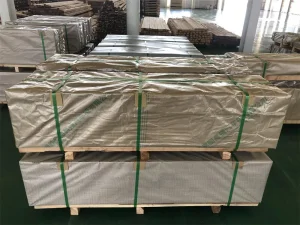
To prevent wet-storage stain (white rust) during ocean voyages across humid tropical zones, coils are wrapped with VCI (Vapor Corrosion Inhibitor) paper, encased in galvanized outer corner metal protectors, strapped with heavy radial/circumferential steel bands, and mounted on wood pallets lined with desiccant packs.
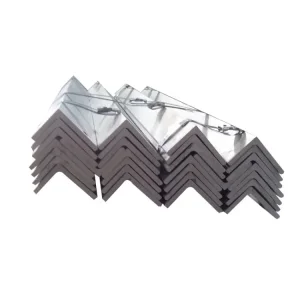
Featured Industrial GI Coils & Steel Tubing Portfolio (Part II)
Explore additional specialized zinc-coated steel sheets, ZAM alloys, silicon transformer coils, and structural profiles for export.
7. Enterprise Procurement FAQ & Technical Consultation
Frequently asked questions by overseas buyers, structural engineers, and supply chain directors regarding GI steel sourcing from China manufacturers.