
Coated Steel & Tube Solutions for Global Procurement
Explore our mill-direct steel inventory engineered to rigorous ASTM, EN, and JIS standards.
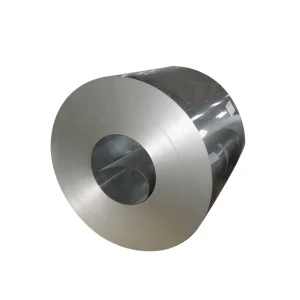
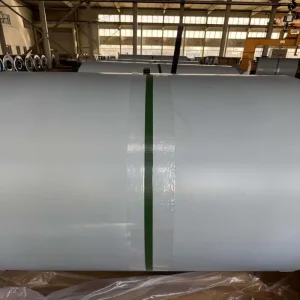
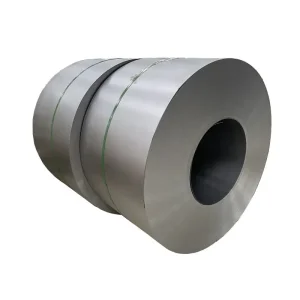
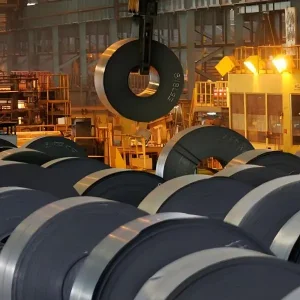
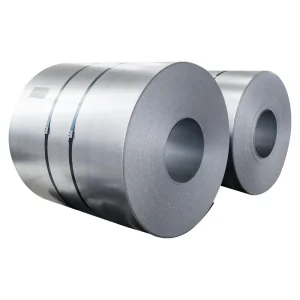
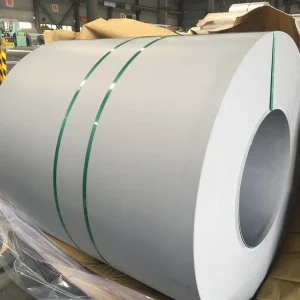
Macro Industry Solutions & The Global Electrolytic Tinplate Ecosystem
Navigating the transition toward circular metal packaging, food safety compliance, and high-velocity canmaking engineering.
Electrolytic Tinplate (ETP) represents the pinnacle of cold-rolled flat steel engineering, combining the structural strength and deep-drawing ductility of ultra-low carbon steel with the non-toxic, highly corrosion-resistant properties of metallic tin (Sn). As global consumer packaged goods (CPG) brands accelerate their departure from single-use polymers, wholesale electrolytic tinplate distributors, manufacturers, and integrated suppliers stand at the critical center of the circular economy transition.
The global annual demand for tin-mill products exceeds 14 million metric tons. Driving this consumption are strict food safety regulations (FDA, EU 1935/2004), the expansion of long-shelf-life canned foods, aerosol packaging innovations, and specialized industrial component manufacturing. Modern automated high-speed can-making lines now operate at line speeds exceeding 1,200 cans per minute. Operating at this extreme velocity requires raw material with immaculate gauge consistency, uniform temper distribution, zero surface inclusion defects, and microscopic precision in tin coating weight.
Barrier Protection Chemistry
Electrolytically applied pure tin coats prevent metallic leaching, oxidation, and sulfur-staining. Advanced passivated layers resist ambient atmospheric tarnish during trans-oceanic shipping and extended storage.
Deep-Drawing Ductility
Ranging from soft Single Reduced (SR) T1-T5 tempers to ultra-high yield Double Reduced (DR) DR7-DR9 tempers, enabling down-gauging without sacrificing column collapse resistance or flange ductility.
100% Infinite Recyclability
Steel remains the world's most recycled packaging medium. Magnetically separated from municipal waste streams, ETP supports closed-loop decarbonization goals across international supply chains.
Metallurgical Classifications, Coating Weights & Temper Standards
Precision parameters engineered for seamless compatibility with automated slitting, lacquer coating, offset printing, and high-speed forming equipment.
Choosing the correct steel substrate and tin coating mass is essential to balance structural performance with cost efficiency. Electrolytic tinplate is produced from continuous-cast low-carbon steel melt stock, aluminum-killed (AK), and processed via hot rolling, cold reduction, electrolytic cleaning, annealing (Batch Annealing BA or Continuous Annealing CA), temper rolling, and continuous electrolytic tin plating.
| Category | Standard Grades | Temper / Hardness Range | Surface Finish Options | Primary Applications |
|---|---|---|---|---|
| Single Reduced (SR) | MR, SPCC, L, D | T1 (HRB 46-56) to T5 (HRB 61-69) | Bright, Stone, Matte, Silver | Deep-drawn 2-piece DRD cans, complex caps, art tins, aerosol domes. |
| Double Reduced (DR) | DR8, DR550, DR620 | DR7 (HRB 70-76) to DR9 (HRB 76-82) | Stone Finish, Fine Stone | High-strength 3-piece food can bodies, aerosol body walls, crown caps. |
| Tin Free Steel (TFS/ECCS) | MR Substrate | T2 - T5, DR7 - DR8 | Bright, Stone | Twist-off closures, bottle caps, can bottoms, industrial pails. |
| Differential ETP | Equal / Unequal Coating | D2.8/5.6, D5.6/8.4, D8.4/11.2 | Melting Reflow Glossy | Aggressive acidic food preservation requiring heavy internal coating. |
Coating Weight & Passivation Engineering
Continuous electrolytic tinning lines utilize either Acid Ferrostan or Halogen plating chemistry, ensuring equal or differential tin deposition on opposing coil surfaces. Differential tinplate features distinct coating thicknesses on each side (e.g., 2.8 g/m² on the outer face, 5.6 g/m² on the inner face), marked with specialized surface identification lines during manufacture to prevent processing orientation errors during lacquering and canmaking.
To preserve surface stability, passivated chromate coatings (311 or 300 series) or modern REACH-compliant Chromium-Free Passivation Alternatives (CFPA/TCCT) are electrochemically applied. These passivation layers prevent tin oxide growth, maintain lacquer adhesion during high-temperature baking processes (180°C - 210°C), and protect against humidity tarnishing during long-distance maritime transport.
Localized Technical Support, Processing & Quality Assurance
Mitigating global procurement risk through strict international quality certifications and specialized value-added services.
Food Contact Certifications
Full compliance with U.S. FDA 21 CFR 175.300, European Regulation EU 1935/2004, and GB 4806.9, ensuring zero heavy metal leaching or toxic contamination in food contact applications.
Precision Slitting & Shearing
Custom width slitting (+/- 0.1mm tolerance) and high-speed scroll-shearing into rectangular or wave-cut sheets optimized for scroll-disc end production lines.
Lacquering & Offset Printing
In-house application of BPA-NI (Non-Intentional Bisphenol A) organosol primers, epoxy-phenolic resins, gold lacquers, and multi-color high-definition metal decoration printing.
Seaworthy Export Packaging
Heavy-duty vertical or horizontal coil palletization, moisture-absorbent desiccant packs, VCI (Volatile Corrosion Inhibitor) paper wrapping, and outer steel skin armor protection.
Engineered Solutions Across Diverse Packaging & Manufacturing Sectors
Formulated to meet stringent performance requirements across food, beverage, chemical, and electronic hardware sectors.
3-Piece Food & Beverage Cans
Utilizing continuously welded side-seams, DR8/T3 temper ETP steel bodies with high axial crush resistance preserve fruits, vegetables, seafood, meat, and powdered infant formula under strict vacuum seal conditions.
2-Piece DRD & DWI Can Bodies
Drawn & Redrawn (DRD) and Drawn & Wall Ironed (DWI) food cans demand soft T1-T2 or deep-drawing D-grade tinplate with extreme cleanliness to prevent wall tearing during high-strain plastic deformation.
Aerosol Valves, Domes & Can Bodies
Engineered to withstand internal pressure tests exceeding 18 bar, specialized high-temper ETP ensures structural integrity for personal care, automotive chemicals, insecticides, and industrial lubricants.
Twist-Off Caps & Crown Closures
TFS (ECCS) and low-tin coating ETP sheet engineered for press-forming, providing reliable thread engagement, vacuum holding, and tamper-evident pop-up button performance on glass jars and beverage bottles.
General Industrial & Decorative Tins
Fancy gift boxes, biscuit tins, tea caddies, paint buckets, and chemical pails leverage bright reflow tin finishes for high-sheen lithographic printing and enhanced brand presentation.
Electronics & Automotive Component Shielding
High magnetic permeability and excellent solderability make low-thickness ETP strips the material of choice for RF shielding cans, transformer covers, battery jackets, and flexible cable armor tape.
Technology Roadmap & Sustainable Innovation (2025–2035)
Leading the frontier in ultra-thin double-reduced tinplate, chromate-free passivations, and green hydrogen-based substrate manufacturing.
The global electrolytic tinplate manufacturing ecosystem is undergoing unprecedented metallurgical evolution. Driven by strict environmental directives and consumer preferences for safer food packaging, wholesale distributors and mill manufacturers are executing against three core technology roadmaps:
1. Ultra-Thinning Down-Gauging
Advanced double cold reduction (DR) mills are pushing minimum commercial production thicknesses down to 0.12mm while maintaining tensile strengths above 620 MPa. This ultra-thin engineering reduces total package weight by up to 18% without compromising column stack strength.
2. BPA-NI & PFAS-Free Lacquer Systems
Transitioning from traditional bisphenol-A epoxy lacquers to next-generation bio-based polyester, acrylic, and polyolefin interior coatings guarantees complete compliance with evolving global toxicological standards for acid food preservation.
3. Green Steel Substrate Decarbonization
Integrating Direct Reduced Iron (DRI) produced via green hydrogen and Electric Arc Furnace (EAF) steelmaking significantly slashes the embedded carbon footprint of ETP coils, assisting global food brands in reaching Scope 3 net-zero targets.
Frequently Asked Technical & Procurement Questions
Clear, authoritative insights from our metallurgical engineering and international logistics teams.
Wholesale Coated Steel Coils, Plates & Structural Sections
Direct factory supplies for global manufacturing and civil engineering projects.
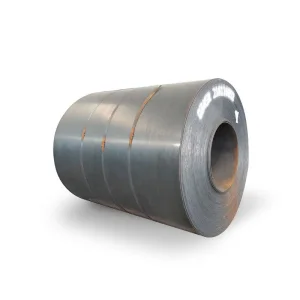
Partner with a Leading Wholesale Electrolytic Tinplate Manufacturer
Streamline your steel packaging supply chain with high-precision coating control, customizable temper grades, and complete international compliance documentation.