
Primary Coated Steel & Structural Solutions
Engineered to meet stringent ASTM, EN, JIS, and GB performance metrics for global civil infrastructure, industrial enclosure systems, and energy sectors.
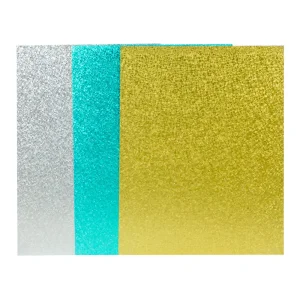
High-Quality China Suppliers Factory Galvalume Aluzinc Zinc Aluminum Coating Roofing Sheets for Durable Wall and Roof Panels Manufacturer, Supplier
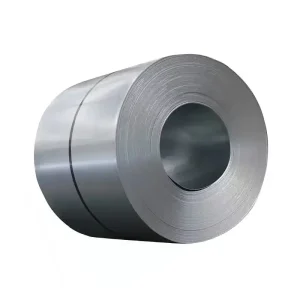
Wholesale CRNGO Silicon Steel Coil M310 M350 M470 M600 M800 - China Suppliers & Factory for Non-Grain Oriented Electrical Steel Supplier, Suppliers
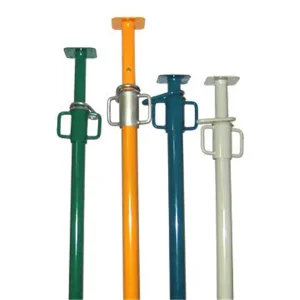
Wholesale China Factory Suppliers Heavy Duty Telescopic Prop Formwork Scaffolding for Construction Support and Shoring Manufacturers, Factories
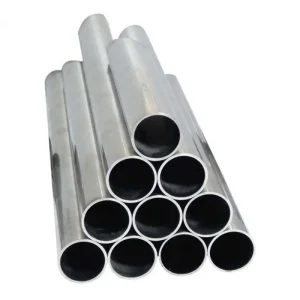
Wholesale High Zinc Hot-Dip Galvanized Steel Pipes from China Suppliers | Durable Greenhouse & Agricultural Factory Options Manufacturer, Supplier
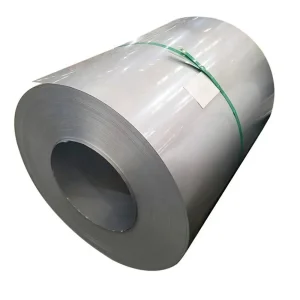
High-Quality China Suppliers Factory Cold Rolled Stainless Steel Coil 201 304 316 321 430 904L 2205 310S 309S Manufacturers, Supplier
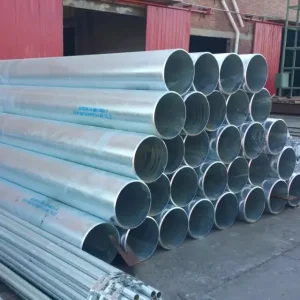
High-Quality High Strength A53 A106GR.B Spiral Steel Pipe from China Suppliers | Quality Factory Manufacturing Manufacturer, Factory
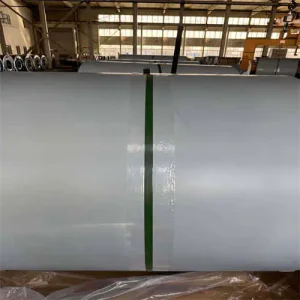
High-Quality China Suppliers Factory: High-Quality Electrogalvanized Steel Coils for Door Gates Supplier, Suppliers
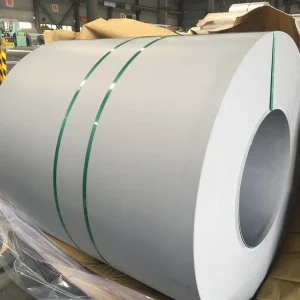
Wholesale Electro-Galvanized Steel Plate SECC/SECD/SECE 20/20 Coating - Reliable China Suppliers & Factory Supplier, Factories
Metallurgical Architecture of 55% Al-Zn Coated Steel Coils
Aluzinc (also commercially known as Galvalume) represents a paradigm shift in thin-film metallic anti-corrosion science. By synthesizing 55% Aluminum, 43.4% Zinc, and 1.6% Silicon by weight, the alloy combines the passive barrier protection of aluminum oxide with the galvanically active sacrificial protection of pure zinc.
Dendritic Microstructure & Passivation
During continuous hot-dip solidification, the ternary metallic system forms an explicit dual-phase microstructure. Aluminum-rich cored dendrites grow first, creating a skeletal matrix that traps zinc-rich interdendritic regions. When exposed to atmospheric moisture, the zinc corrodes sacrificially to form a protective oxide sealant, while the aluminum skeleton maintains a dense, insoluble $Al_2O_3$ film that halts further chemical degradation.
Self-Healing Shear-Cut Edge Protection
A primary concern for structural engineers is cut-edge creep corrosion. Aluzinc addresses this via lateral electrochemical ion migration. Zinc ions from adjacent interdendritic pockets migrate across exposed cut edges, reacting with ambient carbon dioxide to form an insoluble zinc carbonate ($ZnCO_3$) protective layer that prevents red rust formation on bare steel edges up to 2.0mm thick.
High Thermal Reflectivity & Emissivity
With a solar reflectance index (SRI) exceeding 0.70 and thermal reflectivity rates above 75%, Aluzinc steel coils serve as an energy-efficient building envelope material. The fine spangle surface reflects solar heat radiation across both infrared and ultraviolet spectra, reducing cooling thermal loads in commercial structures and preventing heat degradation up to 315°C continuous working temperatures.
Next-Generation Coating Technologies & Sustainable Metallurgy
As environmental standards enforce stricter decarbonization mandates and extreme weather events challenge infrastructure, modern Aluzinc manufacturing is undergoing a technical evolution driven by alloy enhancement and process digitization.
Zinc-Aluminum-Magnesium (ZAM) Hybrids
Integrating 1.5% - 3.0% Magnesium into the traditional Aluzinc melt creates a highly stable simonkolleite [$Zn_5(OH)_8Cl_2\cdot H_2O$] protective layer. This achieves up to 10x greater corrosion resistance in high-salinity marine environments and ammonia-rich agricultural setups compared to standard GI coatings.
Chromium-Free Nanocomposite Passivation
Transitioning away from hexavalent chromium coatings, advanced lines utilize eco-friendly silane and titanium-based organic nanocomposite films. These treatments offer RoHS/REACH compliance while enhancing paint adhesion for downstream coil coating (PPGL/PPGI) applications.
AI-Driven Air-Knife Jet Coating Control
Real-time closed-loop control systems using high-speed X-ray fluorescence gauges adjust nitrogen gas air knives at millisecond frequencies. This achieves coating mass precision tolerances within $\pm 2.0g/m^2$ across full strip widths up to 1500mm.
Macro-Industry Solutions & Engineering Applications
Aluzinc steel coils serve as a high-performance raw material across demanding global industrial sectors due to their combination of tensile strength, ductility, and atmospheric durability.
1. Photovoltaic & Energy Infrastructure
Solar tracker mounting frames, inverter enclosures, and high-voltage cable trays demand decades of maintenance-free service. High-strength structural grade Aluzinc (e.g., S350GD + AZ150) offers the necessary yield strength ($\ge 350 MPa$) while resisting atmospheric corrosion in desert and coastal solar farms.
- Resists micro-abrasion from windblown sand particles
- High structural rigidity under dynamic wind loads
2. Severe Environment Building Envelopes
Industrial warehousing, chemical storage facilities, and coastal commercial roofing utilize AZ150 to AZ180 coated steel to mitigate atmospheric corrosion from coastal salts and airborne sulfur compounds.
- Superior acid rain condensate resistance
- High paint adhesion for pre-painted coil substrates
3. HVAC & Appliance Thermal Components
Precision air handling systems, commercial ducting, toaster bodies, heat exchangers, and oven backing panels leverage Aluzinc's thermal resistance and surface finish to prevent thermal discoloration up to 300°C.
- Anti-fingerprint (AFP) organic coating option
- Low surface roughness ($Ra \le 0.6 \mu m$) for cleanrooms
China Industry 4.0: Manufacturing Excellence & Supply Resilience
Leveraging Tianjin's integrated steel production cluster, SMSTEEL integrates advanced continuous galvanizing lines (CGL) with digital supply chain tracking to deliver consistent quality and competitive lead times.
Continuous Hot-Dip Galvanizing Lines (CGL)
Our dual-pot CGL configurations enable seamless switching between pure Zinc (GI) and 55% Al-Zn (AZ) coatings. Real-time induction heating furnaces feature non-oxidizing atmosphere (NOF) controls, ensuring optimal strip surface reduction prior to pot immersion for maximum metallic bonding strength.
Integrated Quality Control & Traceability
Every coil undergoes automated optical inspection (AOI) to detect micro-defects, pinholes, or spangle irregularities. Mill Test Certificates (MTC) according to EN 10204 3.1 accompany every shipment, documenting chemical ladle analysis, yield point, elongation, and coating mass test results.
Seaworthy Export Packaging Engineering
To prevent white rust and transit humidity damage during ocean transport, coils are wrapped in moisture-barrier VCI paper, encased in galvanized outer and inner steel circumference protectors, secured with heavy-duty radial and circumferential steel straps, and mounted on wooden skids.
Technical Specification & Grade Comparison Matrix
Comprehensive technical standard reference for procurement officers and structural engineers specifying Aluzinc steel coils.
| Standard Specification | Commercial / Forming Grades | Structural Engineering Grades | Coating Mass Options ($g/m^2$) | Typical Surface Finish |
|---|---|---|---|---|
| ASTM A792 / A792M | CS Type A, B, C / FS Type A, B | Grade 33, 40, 50, 80 (Class 1, 2) | AZ30, AZ50, AZ55, AZ100, AZ150, AZ180 | Regular Spangle, Extra Smooth, Anti-Fingerprint |
| EN 10346 | DX51D+AZ, DX52D+AZ, DX53D+AZ | S250GD+AZ, S280GD+AZ, S350GD+AZ, S550GD+AZ | AZ070, AZ100, AZ120, AZ150, AZ180 | Normal Spangle (N), Minimized Spangle (M) |
| JIS G3321 | SGLCC, SGLCD, SGLCE | SGLCH, SGLC400, SGLC490, SGLC570 | AZ50, AZ70, AZ90, AZ120, AZ150 | Chromated, Non-Chromated, Resin Coated |
| GB/T 14978 | TDC51D+AZ, TDC52D+AZ | TS250GD+AZ, TS350GD+AZ, TS550GD+AZ | AZ50 through AZ180 | Passivated, Oiled, Organic Anti-Fingerprint |
Global Procurement Risk Mitigation & Local Compliance
Navigating cross-border steel procurement requires technical compliance, regulatory transparency, and reliable logistics planning.
Third-Party Quality Verification
We welcome independent third-party inspection agencies including SGS, Bureau Veritas, Intertek, and TÜV to perform pre-shipment testing. Inspections verify coil dimensions, coating weight via XRF, triple-spot bend tests, adhesion impact tests, and mechanical tensile properties.
Tariff & Tariff-Classification Support
Our export documentation team provides accurate Harmonized System (HS Code 7210.61) classifications, Certificates of Origin (Form E, Form R, FTA documentation), and mill documentation to streamline customs clearance and assist with local tariff optimization.
Flexible Commercial Financing Terms
To support global distributors and EPC contractors managing large capital projects, SMSTEEL offers flexible commercial payment structures including Irrevocable At-Sight L/C, Usance L/C, and T/T arrangements tied to clear ocean bill of lading milestones.
Complementary Metallic & Structural Solutions
Explore our broader range of flat-rolled steel, specialized electrical alloys, and heavy structural components manufactured across our Tianjin facilities.
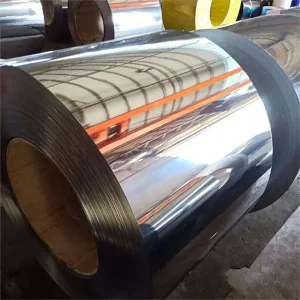
High-Quality Electrolytic Tinplate ETP and TFS Tin Clad Steel from China Factory - Trusted Suppliers for Packaging Solutions Manufacturer, Supplier
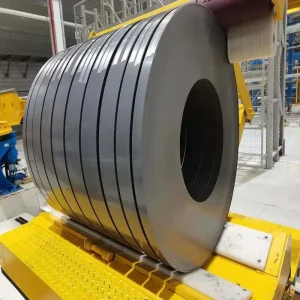
Wholesale High-Quality Silicon Steel Coil (CRNGO) from China Suppliers and Factory for Enhanced Magnetic Performance Manufacturers, Suppliers
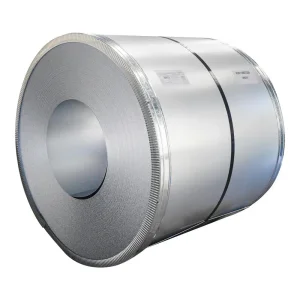
Wholesale China Suppliers Factory ZM AZM Coated Steel Sheet 275g Zinc Aluminum Magnesium Alloy for Solar Mounting Structures Manufacturers, Factory
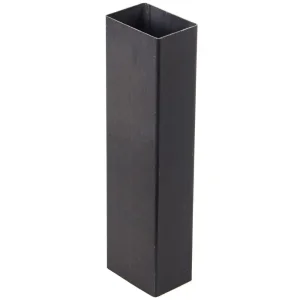
High-Quality High-Quality Square Tube Suppliers in China - Factory Direct Hollow Structural Sections Supplier, Factories
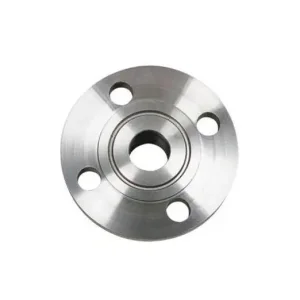
Wholesale Slip on Plate Flanges Flat Plain Welding Carbon Steel stainless steel Flange blind flange Manufacturer, Suppliers
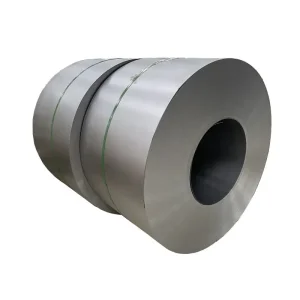
High-Quality High Strength Cold Rolled Steel Sheets for Deep Drawing - China Suppliers & Factory Manufacturer, Factories
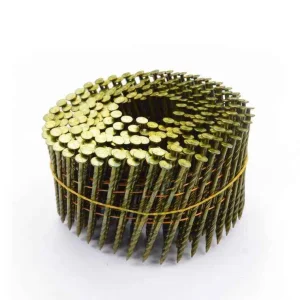
High-Quality Precision 15-Degree Coil Nails with Copper Plated Wire - China Suppliers & Factory for Wood and Furniture Suppliers, Factory
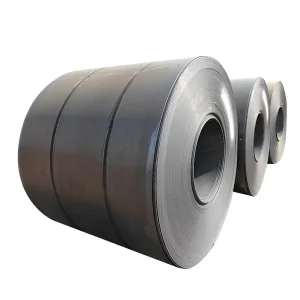
High-Quality Hot Rolled Steel Plate from China Suppliers - High-Quality Steel Plates from Reliable Factory Supplier, Factory
Frequently Asked Questions
Detailed answers to fundamental metallurgical, engineering, and logistics inquiries from industrial steel buyers.