
Coated Steel & Specialized Profile Showcase
Direct mill supplies engineered for high paintability, superior weldability, and structural durability.
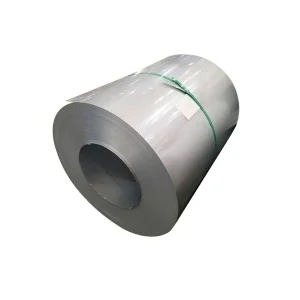
High-Quality China Factory Suppliers of 2B BA No.1 No.4 Hl 8K Cold Rolled Stainless Steel Coil 201 304 316 430 2205 904L Factory, Factories
View Product Specs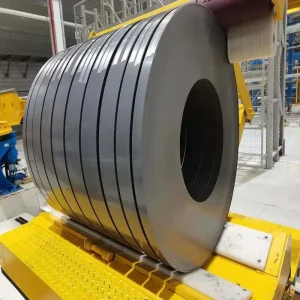
Wholesale Silicon steel coil (CRNGO) Manufacturers, Factories
View Product Specs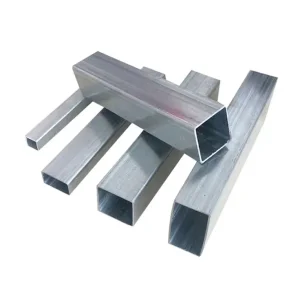
Wholesale China Suppliers Factory Pre-Galvanized Square Steel Tube 20*20 SHS RHS Rectangular Hollow Section Products Supplier, Factories
View Product Specs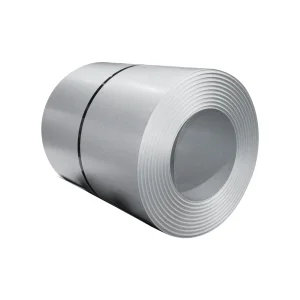
High-Quality 275g Zinc Aluminum Magnesium Coated Steel Sheet from China Factory – Durable Alloy Coating for Solar Mounting Structure, Suppliers Manufacturers, Factory
View Product Specs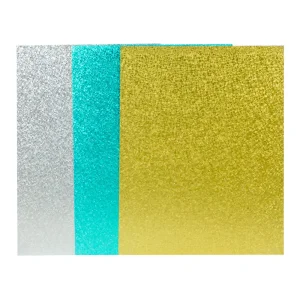
High-Quality China Aluzinc Roofing Sheets Suppliers - Durable Galvalume Zinc Aluminum Coating Factory Panels for House Roof and Wall Factory, Factories
View Product Specs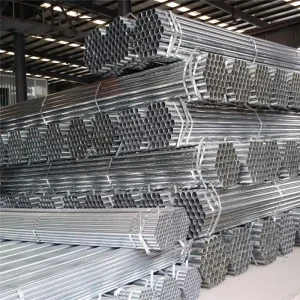
Wholesale Thick-Wall Pre-Galvanized Steel Pipe for Greenhouse - China Suppliers & Factory Quality at Competitive Prices Manufacturer, Supplier
View Product Specs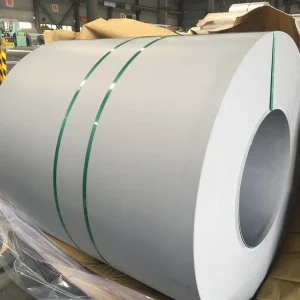
High-Quality Electro-Galvanized Steel Plate SECC/SECD/SECE 20/20 Coating - China Suppliers & Factory Quality Products Manufacturer, Supplier
View Product Specs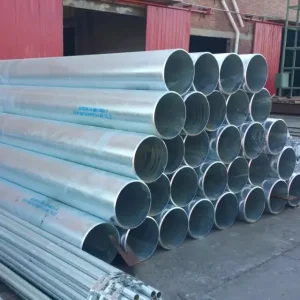
High-Quality High Strength Spiral Steel Pipe A53 A106GR.B - China Suppliers & Factory for Pressure Resistance Manufacturer, Suppliers
View Product SpecsMetallurgical Fundamentals & Engineering Mechanics of ZF Sheet
Understanding the microstructural phase transformations, iron diffusion kinetics, and coating mass designation in Galvannealed Steel Sheets.
Galvannealing Metallurgy (ZF Designation)
ZF Sheet (designated under European standard EN 10346 and domestic GB standards) represents Galvannealed Steel Sheet—a hot-dip zinc-iron alloy coated steel product. Unlike standard GI (Galvanized) sheets, ZF sheets undergo an immediate inline heat treatment in an annealing furnace at 500°C–560°C right after emerging from the molten zinc pot. This thermal diffusion process forces iron atoms from the substrate to migrate into the zinc layer, transforming the pure zinc surface into a fully intermetallic Zinc-Iron (Zn-Fe) alloy coating containing 8% to 12% Iron content.
Intermetallic Phase Architecture
The cross-section of a high-grade ZF sheet features distinct Zn-Fe intermetallic phase structures: the iron-rich Gamma Phase ($\Gamma$ and $\Gamma_1$) adjacent to the steel matrix, the compact Delta Phase ($\delta_1$) providing primary corrosion barrier strength, and the column-shaped Zeta Phase ($\zeta$) at the outer surface. Precise thermal control during continuous galvannealing prevents the excessive growth of brittle Gamma phases, eliminating coating flaking or powdering during severe deep drawing or stamping operations.
Superior Electrical & Spot Weldability
The defining engineering advantage of ZF sheets over conventional GI sheets lies in their electrical contact resistance. The Zn-Fe alloy coating possesses a significantly higher melting point (~780°C–900°C) and higher electrical resistivity than pure zinc (~419°C). During resistance spot welding (RSW), this prevents molten zinc from fouling copper-alloy welding electrode tips, extending electrode tip operational life by 200% to 400% in automated automotive assembly lines.
Coating Mass & Designation Standard Mapping
ZF sheet designations correspond to double-sided total coating mass weight (g/m²). Common market designations include ZF60 (min 60 g/m² total), ZF100 (min 100 g/m²), ZF120, ZF180, up to ZF275. In American ASTM A653 standards, these directly correspond to Galvannealed designations A25, A40, A60, and A90. Substrate steel grades range from soft forming commercial steels (DC51D+ZF, DX51D+ZF) to deep-drawing forming steels (DC53D+ZF, DC54D+ZF, DC56D+ZF) and structural High-Strength Low-Alloy steels (HC260YD+ZF, HC340LA+ZF).
Global Commercial Status & Industrial Sourcing Landscape
Evaluating macroeconomic drivers, regional manufacturing consumption, and procurement shifts across key industrial sectors.
Automotive Sector Leadership & EV Lightweighting
The automotive manufacturing industry accounts for over 64% of global galvannealed ZF sheet consumption. OEM vehicle manufacturers in Europe, North America, Japan, and China rely on ZF sheet for exterior and interior Body-in-White (BIW) panels, door skins, hood assemblies, and chassis reinforcements. With the rapid transition toward Electric Vehicles (EVs), battery enclosures and structural underbody components demand materials that seamlessly combine crash resistance, paint adhesion, electro-deposition coating (E-coat) uniform coverage, and flawless spot welding performance.
HVAC, Appliance, & Smart Infrastructure Demand
Beyond automotive OEMs, global demand for ZF sheets is exploding in high-end Commercial HVAC ducting, server rack cabinets, high-voltage electrical distribution switchgears, and domestic appliance housings (washing machines, dryer drums, refrigerator back panels). Because ZF sheet features a natural micro-rough, non-spangled matte grey surface, powder coatings and industrial enamels adhere with 300% greater mechanical keying strength compared to smooth GI sheets, eliminating primer peeling and under-film cosmetic corrosion.
China Factory Efficiency & Operational Excellence
How integrated steel mill clusters in Tianjin provide global procurement managers with unprecedented cost, speed, and quality advantages.
Continuous High-Speed Annealing Lines (CGL)
Leading China factories operate state-of-the-art Continuous Galvanizing and Galvannealing Lines (CGL) integrated with high-frequency induction heating zones. Closed-loop optical alloy pyrometry controls annealing temperature tolerances within ±2°C. This micro-level thermal control ensures consistent 9.0%–11.0% iron content across the entire coil length, eliminating mechanical hardness variations and coating thickness discrepancies.
Scale Economics & Integrated Supply Chain
Utilizing Tianjin's massive port and manufacturing ecosystem, facilities such as Step Million Steel Supply Chain Co., Ltd. (SMSTEEL) run 8 high-frequency welding lines and integrated coating processing centers with over 100,000 tons of monthly capacity. Direct hot-metal sourcing from tier-1 steel mills lowers raw material input costs, allowing Chinese factories to offer ZF sheets at highly competitive FOB/CIF price points without sacrificing metallurgical purity.
24h Response & Custom Dimension Slitting
Chinese export manufacturing hubs emphasize agile customer support. In-house slitting and leveling equipment can process wide coil stock (up to 1500mm) into precise narrow strip widths, custom length cut-to-size sheets, or corrugated panels within tight dimensional tolerances (thickness ±0.02mm). Guaranteed inquiry response times within 24 hours ensure project tenders meet urgent procurement windows.
Coating Technology Performance Matrix
Objective technical benchmarking: ZF Sheet vs. GI, EG, and ZAM steel sheet coatings.
| Coating Specification | Surface Appearance | Spot Weldability (Tip Life) | Paint / E-Coat Adhesion | Cut-Edge Corrosion | Primary Industrial Use |
|---|---|---|---|---|---|
| Galvannealed (ZF Sheet) Zn-Fe Alloy (8-12% Fe) |
Matte Dark Grey, Zero Spangle | Excellent (2,000-4,000 spots) | Superior (Direct Paint / E-Coat) | Moderate / High | Automotive BIW, HVAC, Appliances, Cabinets |
| Hot-Dip Galvanized (GI) Pure Zinc (99% Zn) |
Shiny Silver, Regular/Min Spangle | Fair (500-1,000 spots) | Moderate (Requires Pre-treatment) | Good (Sacrificial Protection) | Construction, Roofing, General Framing |
| Electro-Galvanized (EG) Pure Electrolytic Zinc |
Smooth Uniform Matte Silver | Good (1,000-1,500 spots) | High | Low / Moderate | Precision Electronics, Computer Housings |
| Zinc-Alu-Mag (ZAM) Zn-Al-Mg Alloy |
Dark Silver Metallic | Moderate | Good | Extreme Self-Healing | Solar Mounting Racks, Highway Barriers |
Localized Application Scenarios & Fabrication Standards
How engineers specify ZF sheets across critical manufacturing industries to optimize performance and reduce scrap rates.
Automotive Stamping & BIW Body Panels
In automotive stamping facilities, ZF sheet (grades DC53D+ZF, DC54D+ZF) is selected for unexposed and exposed vehicle body panels. The matte coating absorbs drawing lubricants uniformly, preventing galling or die pickup during deep drawing. Once assembled into the Body-in-White frame, the zinc-iron alloy surface undergoes zinc-phosphatizing and electro-deposition priming with virtually zero coating peeling risk, protecting cars against under-body corrosion caused by road salt and high humidity.
Electrical Enclosures & Control Cabinets
High-voltage switchgear enclosures, server racks, and outdoor telecommunication cabinets are routinely fabricated from ZF75 or ZF100 sheets. Sheet metal fabricators benefit from laser cutting and CNC punch press processes where ZF coatings generate significantly less sticky zinc dross around laser cuts than heavy GI coatings. Powder coat paints adhere tenaciously, passing 1,000-hour neutral salt spray (NSS) testing per ISO 9227 standards.
HVAC Ductwork & Fire-Rated Dampers
Commercial HVAC contractors specifying fire-rated smoke dampers and high-velocity duct systems select ZF sheets due to their high temperature resistance. During seam welding or resistance spot welding of damper blades, the higher thermal threshold of the zinc-iron alloy preserves structural integrity without burning off large areas of corrosion protection surrounding the weld zone.
Industry Development Trends & Sustainable Manufacturing
Key technological shifts shaping the next generation of galvannealed steel sheet manufacturing.
1. Integration with AHSS & UHSS Steels
The steel industry is expanding galvannealing capabilities to Advanced High-Strength Steels (AHSS) and Ultra-High-Strength Steels (UHSS), such as Dual-Phase (DP600/800/1000+ZF) and Complex-Phase (CP) steels. Managing iron diffusion in high-silicon and high-manganese steel chemistries requires advanced gas-jet wiping systems and specialized dew-point controlled annealing atmospheres.
2. Eco-Friendly Chrome-Free Passivation
Global environmental directives (RoHS, REACH) are eliminating traditional hexavalent chromium surface treatments. Modern China factories utilize non-chromate organic sealing or thin organic coatings (TOC) on ZF sheets. These eco-passivation layers preserve corrosion resistance during transit and storage while maintaining zero toxic emissions during downstream customer welding or painting.
3. AI-Driven Thermal & Coating Control
Smart steel factories implement artificial intelligence and computer vision systems to monitor galvannealing furnace strip speed, radiant tube heating, and zinc pot temperature in real-time. Automated X-ray fluorescence (XRF) coating gauges continuously scan strip width, ensuring zero coating mass deviation and reducing iron-content variance across full production runs.
Global B2B Purchasing Requirements & Quality Verification
A step-by-step checklist for supply chain managers specifying ZF sheet mill orders from China suppliers.
Technical Purchase Specification Checklist
When placing orders with Chinese factories, procurement managers should clearly define:
- Standard & Grade: e.g., EN 10346 DC51D+ZF or ASTM A653 A40.
- Coating Mass Designation: e.g., ZF60, ZF100, or ZF180 (g/m² total both sides).
- Surface Quality: Surface finish Grade A (standard) or Grade B (exposed automotive finish).
- Dimensional Tolerances: Thickness tolerance class (EN 10143 normal or restricted tolerances).
- Oiling / Surface Protection: Oiled (slushing oil for transit corrosion prevention) or Unoiled / Sealed.
Mill Test Certificate (MTC) & Quality Assurance
Every shipment should be verified against an ISO 10204 3.1 Mill Test Certificate (MTC) provided directly by the manufacturing factory. Critical testing parameters include:
- Chemical Composition Analysis: C, Mn, P, S, Si, Ti, and Al element percentages.
- Mechanical Property Verification: Yield Strength ($R_e$), Tensile Strength ($R_m$), Elongation ($A_{80}$), and $r$/$n$ values for deep drawing.
- Coating Mass & Fe Content Test: Triple-spot weigh-strip-weigh chemical test verifying Zn-Fe mass and 8%-12% Iron fraction.
- Bend & Powdering Test: 180° lock-forming bend test checking for coating flaking or cracking.
Galvannealed Coils, Pipes & Structural Sections
Explore our full export range manufactured to international industrial standards.
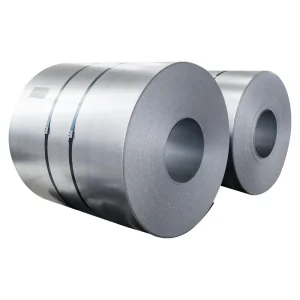
Wholesale China Suppliers Factory Galvannealed Steel Coil DC51D Dx51d ZF60 ZF275 Zinc Iron Alloy Coating Factory, Factories
View Product Specs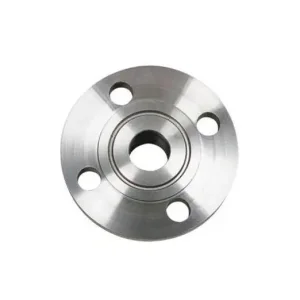
Wholesale China Suppliers Factory Slip on Plate Flanges - Flat Plain Welding Carbon Steel & Stainless Steel Blind Flanges Suppliers, Factory
View Product Specs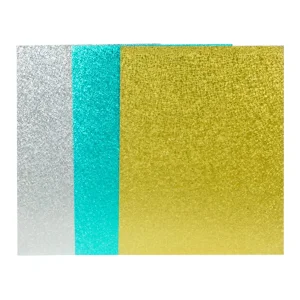
Wholesale Galvalume Aluzinc Zinc aluminum Coating Roofing Sheets Corrugated House Roof Wall Aluminum Roof Panels Manufacturer, Factories
View Product Specs
Wholesale Electro-Galvanized Steel Plate SECC/SECD/SECE 20/20 Coating - Reliable China Suppliers & Factory Supplier, Factories
View Product Specs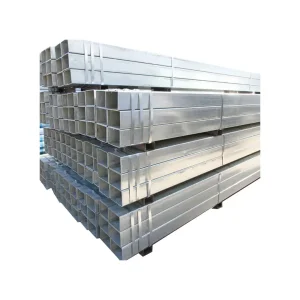
Wholesale China Suppliers Factory 40x40 Tube Shs Hot Dip Galvanized Square Steel Pipe 200*100 for Construction and Machinery Manufacturer, Manufacturers
View Product Specs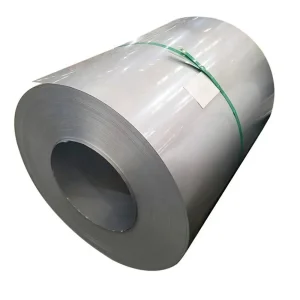
Wholesale China Suppliers Factory 8K Cold Rolled Stainless Steel Coil 201 304 316 430 2205 904L Suppliers, Factory
View Product Specs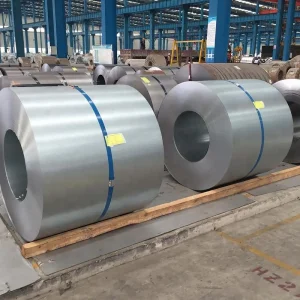
High-Quality China Galvanized Steel Coils: Suppliers & Factory for Custom Steel Pipes and Sections in Various Industries Manufacturers, Suppliers
View Product Specs
Wholesale China Suppliers Factory DC51D Dx51D ZF60 ZF275 Galvannealed Steel Coil with Zinc Iron Alloy Coating Suppliers, Factory
View Product SpecsFrequently Asked Questions: ZF Sheet Procurement & Engineering
Direct answers to technical, metallurgical, and sourcing questions asked by B2B buyers.
What does "ZF sheet" stand for in steel specifications?
"ZF sheet" refers to Galvannealed Steel Sheet with a Zinc-Iron alloy coating according to European standards (EN 10346) and Chinese GB standards. The "Z" indicates Zinc, and "F" indicates Iron (Ferrum) alloyed into the coating. ZF coating designations (such as ZF60, ZF100, ZF120, ZF180, and ZF275) represent the total minimum coating weight in grams per square meter (g/m²) across both sides of the sheet.
Why choose ZF (Galvannealed) sheets over GI (Hot-Dip Galvanized) sheets?
ZF sheets offer three critical engineering advantages over standard GI sheets: 1. Superior Paint & E-Coat Adhesion: The matte grey Zn-Fe surface is micro-porous, allowing paint and primers to lock mechanically without requiring expensive pre-treatments. 2. Outstanding Resistance Spot Weldability: The hard Zn-Fe alloy layer has higher electrical resistivity and a higher melting point, dramatically reducing copper electrode tip wear during spot welding. 3. Less Coating Flaking: Properly produced galvannealed coatings do not peel during deep drawing or stamping.
What is the optimal iron percentage in a ZF sheet coating?
The target iron content in high-quality ZF sheet coatings is strictly controlled between 8.0% and 12.0% Fe by weight. If iron content falls below 8%, un-alloyed free zinc remains on the surface, causing poor spot weldability and electrode sticking. If iron content exceeds 12%, an over-thick brittle Gamma ($\Gamma$) intermetallic layer forms at the steel interface, causing coating powdering or flaking during press forming.
How do ZF sheet designations map to ASTM A653 standards?
EN 10346 ZF designations map directly to ASTM A653 Galvannealed "A-series" coating weights: • ZF60 ≈ ASTM A25 (min 75 g/m² single spot total) • ZF100 / ZF120 ≈ ASTM A40 (min 120 g/m² total) • ZF180 ≈ ASTM A60 (min 180 g/m² total) Substrate equivalents include DC51D+ZF (ASTM Commercial Steel Type B), DC53D+ZF / DC54D+ZF (ASTM Deep Drawing Steel), and HC340LA+ZF (ASTM High Strength Low Alloy Grade 50).
How does China factory production ensure zero coating powdering?
Leading China manufacturers employ high-frequency induction galvannealing towers combined with automated air-knife gas wiping. Real-time pyrometers measure strip temperature as it leaves the zinc pot and enters the holding furnace, instantly adjusting induction power based on strip speed and steel gauge. This guarantees a thin, ductile Delta ($\delta_1$) phase structure with zero excess Gamma phase growth.
What export packaging standard is required to prevent white rust on ZF sheets during ocean transport?
Because ZF sheets have a micro-porous surface, sea freight moisture must be strictly controlled. China factory packaging standards for ocean container or breakbulk shipping include: neutral electrostatic rust-inhibitor slushing oil, inner VCI (Vapor Corrosion Inhibitor) paper wrapping, waterproof plastic film, galvanized outer corrugated steel protection covers, side edge guards, and heavy-duty steel strapping anchored to fumigated wooden pallets.