
Precision Engineered Steel & Coating Solutions
Explore our top-tier export products manufactured in compliance with international standards for packaging, construction, and electrical industries.
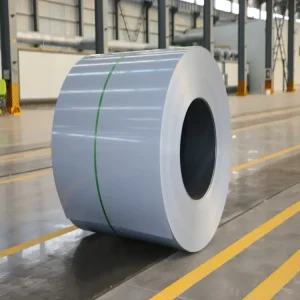
High-Quality China Suppliers G550 Galvanized Corrugated Metal Roofing Sheets Factory | Color-Coated Steel Plate Products Supplier, Factories
View Product Details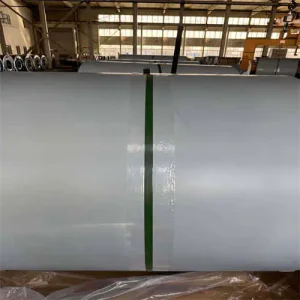
Wholesale China Electro Galvanized Steel Coils for Door Gates | High-Quality Suppliers & Factory Manufacturer, Factory
View Product Details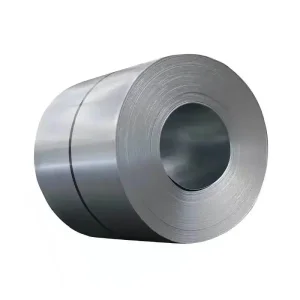
Wholesale China Suppliers of M310 M350 M470 M600 M800 Non-Grain Oriented Silicon Steel Coil - High Efficiency Electrical Steel Factory
View Product Details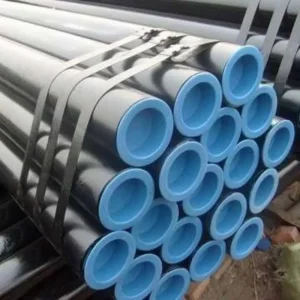
Wholesale China Seamless Steel Pipe Factory - ASTM Carbon Steel Seamless Pipes Suppliers for Construction Manufacturer
View Product Details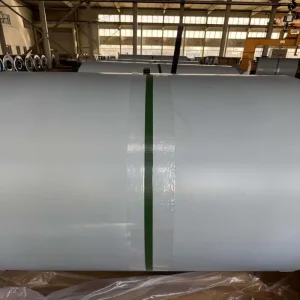
High-Quality Electrogalvanized Steel: Top Quality from China Suppliers & Factory with SPCC/SPCD Grades and Zinc Coating Options
View Product Details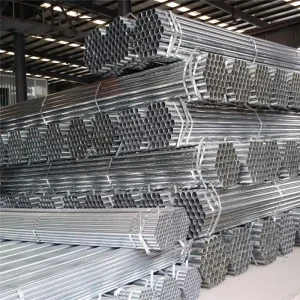
Wholesale China Suppliers Factory Thick-Wall Pre Galvanized Steel Pipe for Greenhouse - Custom Sizes & Coating Suppliers
View Product Details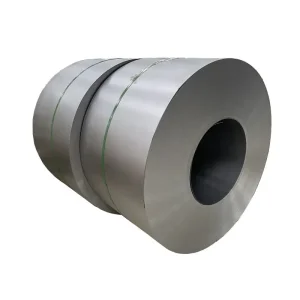
Wholesale High Strength Cold Rolled Steel Sheets for Extra Deep Drawing - Top China Suppliers & Factory Supplier
View Product Details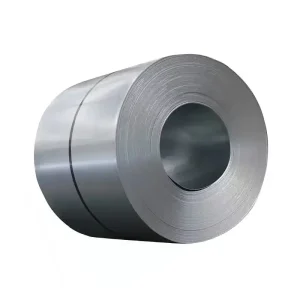
Wholesale CRNGO Silicon Steel Coil M310 M350 M470 M600 M800 - China Suppliers & Factory for Non-Grain Oriented Electrical Steel
View Product DetailsMetallurgical Architecture of Premium Tin Plate Sheets
An exhaustive deep-dive into the physical properties, chemical composition, and performance parameters required for high-speed automated canning lines.
Tin Plate Sheet (Electrolytic Tinplate or ETP) represents one of the most technologically refined flat-rolled steel products in modern metallurgy. Engineered by electrodepositing a micro-thin metallic tin layer onto a low-carbon cold-rolled steel substrate, tinplate delivers an unmatched combination of formability, barrier protection, solderability, weldability, and non-toxic corrosion resistance. Modern food packaging, industrial aerosol containment, and electronics demand flawless consistency in mechanical temper and tin coating distribution.
1. Substrate Chemistry and Single vs. Double Reduced Metallurgies
The core steel substrate determines the structural integrity of the final container. Leading China tin plate sheet manufacturers utilize continuous casting (CC) low-carbon steel strip, primarily categorized into Single Reduced (SR) and Double Reduced (DR) mechanical processing routes:
- Single Reduced (SR) Tinplate: Cold-reduced directly to the target gauge, batch or continuously annealed, and temper-rolled (typically 1% to 2% reduction). SR offers superior ductility and deep-drawing properties, classified under tempers T1 (soft, for deep drawing), T2, T3, T4, and T5 (hard, for stiffness-critical can bodies).
- Double Reduced (DR) Tinplate: Undergoes a secondary cold reduction of 15% to 35% after annealing without subsequent temper rolling. DR tinplate exhibits significantly elevated yield strength (up to 680 MPa for DR9) with thinner cross-sections. This allows packaging engineers to down-gauge material thickness by 10% to 20% while maintaining structural resistance against internal pressure and vacuum collapse.
2. Tin Coating Weight Precision and Differential Deposition
The electrolytic tinning process applies pure metallic tin (Sn ≥ 99.85%) onto the steel surface via acid (Ferrostan) or halogen plating baths. Tin coating weights are designated in grams per square meter (g/m²) or commercial fractions (e.g., #10, #25, #50, #75, #100):
| Coating Designation | Nominal Weight Inside / Outside (g/m²) | Equivalent Standard Thickness (μm) | Primary Application Profile |
|---|---|---|---|
| D 1.1 / 1.1 | 1.1 / 1.1 | 0.15 / 0.15 | Dry food canisters, decorative tins, electronic shielding |
| D 2.8 / 2.8 | 2.8 / 2.8 | 0.38 / 0.38 | General beverage cans, aerosol top/bottom ends |
| D 5.6 / 2.8 (Diff) | 5.6 / 2.8 | 0.76 / 0.38 | Processed acidic food cans (high internal corrosion resistance) |
| D 8.4 / 11.2 | 8.4 / 11.2 | 1.14 / 1.52 | Severe chemical containers, heavy-duty marine paint cans |
Differential coating (where one surface carries a thicker tin layer than the opposite side) provides targeted economical protection. The interior side exposed to aggressive organic acids receives heavier plating, whereas the external side exposed to ambient atmosphere maintains a standard lighter coating, optimizing material cost without sacrificing shelf-life performance.
Technical Roadmap & Future Outlook of Tin Plate Sheet
Exploring next-generation passivation, eco-friendly lacquering, and ultra-thin rolling technologies shaping the future of global packaging steel.
Chromium-Free Passivation (CFP)
Driven by strict EU REACH mandates, classical dichromate dip treatment (311 passivation) is transitioning toward Titanium/Zirconium-based non-chrome passivation matrices. These advanced chemical treatments prevent tin oxide growth (yellowing) during lacquering baking while maintaining 100% eco-compliance.
BPA-NI Lacquer Compatibility
Bisphenol A Non-Intent (BPA-NI) organosol, acrylic, and polyester liquid or powder coatings require specialized surface free-energy characteristics. Factory surface stone/bright treatments are now customized to ensure flawless lacquer wetting, cross-hatch adhesion, and zero pinhole micro-porosity.
Ultra-Thin Gauge Rolling (≤0.12mm)
Pioneering multi-roll sendzimir cold mills enable ultra-precise rolling down to 0.12mm thicknesses. Combined with high-yield DR temper profiles, this allows brand owners to reduce carbon footprint and raw material weight per unit by up to 25% without sacrificing burst strength.
China Factory 4.0: Supply Chain Resilience & Manufacturing Edge
How modern Chinese steel facilities leverage AI-driven automation, continuous annealing, and strategic port logistics to deliver unmatched manufacturing consistency.
AI-Powered High-Speed Electrolytic Tinning Lines
Modern tinplate processing lines in Tianjin operate at linear speeds exceeding 600 meters per minute. Embedded with Automated Optical Inspection (AOI) systems and online X-ray fluorescence (XRF) coating gauge monitors, the factory captures 100% of surface defects (pinholes, scratches, tin spots) in real time. Defective sections are automatically flagged and sheared, ensuring zero non-conforming coils enter shipment containers.
Upstream Integration & Raw Material Stability
Top China factory operations sit directly downstream from tier-1 hot-rolled coil (HRC) steel complexes. By maintaining direct metallurgical control over steel melt chemistry—minimizing residual elements (Cu, Ni, Cr, Mo) to fractions under 0.05%—our manufacturing ecosystem guarantees consistent grain size, uniform elongation, and reliable corrosion performance across every production batch.
Macro Industry Solutions for High-Performance Tinplate
Engineered for versatile industrial applications across global food, beverage, chemical, electronic, and decorative packaging sectors.
Food & Beverage Packaging
From 2-piece drawn and wall-ironed (DWI) beverage cans to 3-piece welded food cans and Easy Open Ends (EOE). Acid-resistant coated tinplate guarantees 3-to-5-year shelf stability for processed vegetables, seafood, meat, and milk powder.
Aerosol & Chemical Containers
High tensile strength DR8/DR9 temper tinplate withstands severe internal pressures required for aerosol sprays, automotive paints, lubricants, and industrial solvents without seam distortion.
Electronics & Shielding Components
Excellent surface conductivity and solderability make tinplate sheets ideal for high-frequency RF shielding boxes, computer chassis grounding clips, transformer covers, and battery contact plates.
Global Procurement & Strategic Purchasing Analysis
Navigating total cost of ownership (TCO), yield loss optimization, anti-dumping regulations, and custom slitting parameters.
When purchasing managers evaluate high-quality tin plate sheet manufacturers in China, looking solely at FOB base unit prices often leads to hidden production costs downstream. High-speed automated stamping lines running at 500+ strokes per minute demand strict geometric and mechanical consistency.
1. Total Cost of Ownership (TCO) & Yield Optimization
A 1% increase in raw sheet thickness variation or camber (edge wave) can cause high jam rates, tool die wear, and coating flaking during deep drawing. Strategic procurement requires specifying strict micro-tolerances:
- Thickness Tolerance: Standard ISO/ASTM permits ±8.5%, but direct OEM factory contracts should enforce premium limits within ±2.5% to ensure uniform wall ironing.
- Width & Length Cut Precision: Custom cut-to-length sheet lines equipped with flying shears ensure length tolerance within +1.0/-0 mm, reducing scroll shearing trim waste on end-making lines.
- Burr Height Control: Precision slitting knives maintain edge burr heights under 0.02mm, protecting organic lacquer coatings from scoring during coil unrolling and stacking.
2. Packaging & Ocean Logistics Compliance
Tinplate sheets are highly susceptible to atmospheric moisture condensation (white rust or oxidation) during long transit times across ocean routes. Premium factory exporters apply triple-layer protective wrapping: waterproof VCI (Vapor Corrosion Inhibitor) paper, corrugated steel outer shrouds, heavy-duty steel corner protectors, and solid wooden skids rated for high-density container stacking.
Localization Support & Compliance Assurance
Certified adherence to international food-contact safety standards, ISO quality management, and rigorous third-party inspection protocols.
Food-Contact Safety (FDA & EU)
Full compliance with FDA 21 CFR 175.300 and EU Regulation No. 10/2011 for food-contact substances. Complete heavy metal screening (Zero Lead, Cadmium, Mercury) guarantees safety for direct consumable packaging.
Mill Test Certificates (EN 10204 3.1)
Every export coil batch is supplied with an official EN 10204 3.1 Mill Test Certificate details heat numbers, precise chemical composition (C, Mn, P, S, Si, Al), mechanical tensile test values, and verified tin coating thickness.
Third-Party Verification (SGS / BV)
Factory production protocols fully support third-party pre-shipment inspections carried out by SGS, Bureau Veritas, or Intertek for coating weight verification, surface flaw auditing, and container loading supervision.
Frequently Asked Questions (FAQ)
Expert responses to critical engineering, metallurgical, and procurement queries regarding tin plate sheets.
Explore Additional Export Steel Products
High-grade steel solutions including GI, PPGI, Silicon Steel, Seamless Pipes, and Profiles manufactured for global projects.
High-Quality GI PPGI PPGL Galvanized Corrugated Metal Roof G550 steel plate steels roofing sheets Metal plate Manufacturer
View Product Details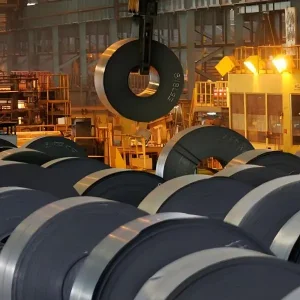
Wholesale High-Quality Hot Rolled Pickled and Oiled Steel Coils from China Suppliers and Factory Suppliers, Factories
View Product Details
Wholesale High-Quality Non-Grain Oriented Silicon Steel Coils M310 M350 M470 M600 M800 from China Suppliers and Factory
View Product Details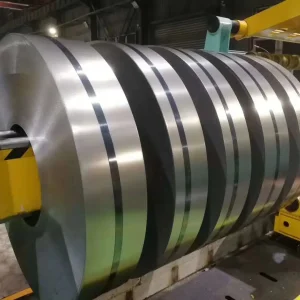
Wholesale 0.23mm CRGO Grain Oriented Electrical Silicon Steel Coil for Transformer Manufacturers, Suppliers
View Product Details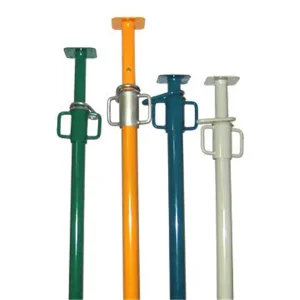
Wholesale China Suppliers Factory Heavy Duty Adjustable Steel Prop for Scaffolding Support in Construction and Renovation
View Product Details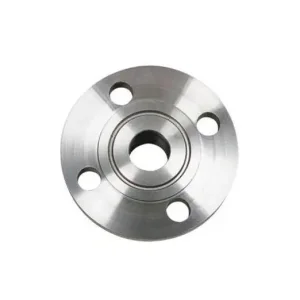
High-Quality China Suppliers Factory Slip-on Plate Flanges for Carbon Steel, Stainless Steel, and Blind Flange Applications
View Product Details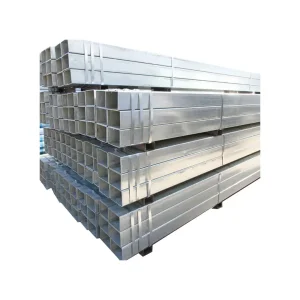
Wholesale 40x40 Tube SHS Hot Dip 200*100 Rectangle Galvanized Square Steel Pipe Manufacturers, Suppliers
View Product Details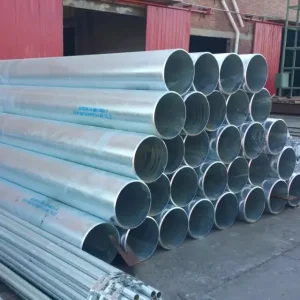
High-Quality High Strength Spiral Steel Pipe A53 A106GR.B Spiral Steel Pipe Supplier, Suppliers
View Product DetailsPartner with China's Premier Tin Plate Sheet Manufacturers
Contact our senior technical sales team to request custom gauge slitting, surface lacquering recommendations, Mill Test Certificates, or factory-direct price quotations.