
Featured Industrial Coating & Steel Pipe Solutions
Mill-direct structural steel coils, coated sheets, and engineered flange components certified to global quality standards (ASTM, EN, JIS, ISO).

High-Quality China Suppliers Factory ZM AZM Alloy Coating 275g Zinc Aluminum Magnesium Steel Sheet for Solar Mounting Structure Manufacturer, Factories
Explore Technical Specs
High-Quality China Suppliers Factory Slip on Plate Flanges for Flat Plain Welding in Carbon Steel and Stainless Steel Manufacturer, Suppliers
Explore Technical Specs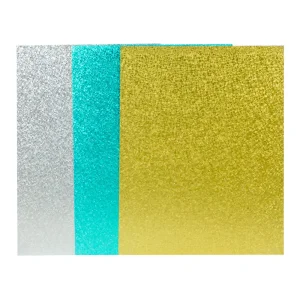
High-Quality China Suppliers Factory Galvalume Aluzinc Zinc Aluminum Coating Roofing Sheets for Durable Wall and Roof Panels Manufacturer, Supplier
Explore Technical Specs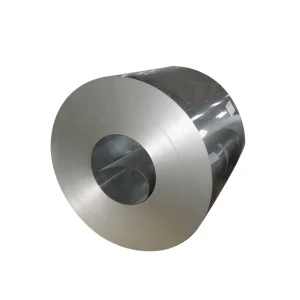
High-Quality Customized Hot Dip Galvanized Steel Coils ASTM A653 DX51D Z275 from China Suppliers and Factory Manufacturer, Suppliers
Explore Technical Specs
High-Quality China Suppliers Factory Galvannealed Steel Coil ZF60 ZF275 Zinc Iron Alloy DC51D Dx51D for Superior Welding and Coating Manufacturer, Suppliers
Explore Technical Specs
High-Quality Electrolytic Tinplate ETP and TFS Tin Clad Steel from China Factory - Trusted Suppliers for Packaging Solutions Manufacturer, Supplier
Explore Technical Specs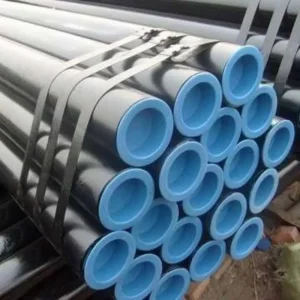
Wholesale China Suppliers Seamless Carbon Steel Pipe Factory for Construction – High-Quality Seamless Tubes & Pipes Manufacturers, Factories
Explore Technical Specs
Wholesale China Factory Slip-on Plate Flanges for Carbon Steel & Stainless Steel - Top Suppliers of Blind Flanges Manufacturers, Suppliers
Explore Technical SpecsExecutive Metallurgical Overview: HDG vs Electro Galvanizing
Understanding the fundamental chemical, thermodynamic, and mechanical distinctions between hot-dip thermal bonding and electro-deposition coating.
When engineering steel components for demanding structural, automotive, energy, or architectural applications, selecting the appropriate anti-corrosion barrier coating is a critical decision. Hot Dip Galvanizing (HDG) and Electro Galvanizing (EG, also known as Electrolytic Zinc Coating) represent the two dominant industrial methodologies for applying protective zinc barriers to carbon steel substrates. While both leverage zinc's cathodic (sacrificial) protection mechanisms to shield steel from environmental oxidation, their underlying manufacturing processes, intermetallic bonding structures, and resulting physical performance criteria diverge significantly.
Core Metallurgical Insight: Hot Dip Galvanizing forms a complex series of zinc-iron intermetallic alloy layers (Gamma, Delta, Zeta, and pure Eta) through molten immersion at ~450°C, yielding exceptional mechanical abrasion resistance and heavy coating weights. In contrast, Electro Galvanizing deposits pure, uniform zinc ions onto the substrate at room temperature via electrolytic bath electrolysis, preserving ultra-tight mechanical tolerances, pristine surface aesthetic smoothness, and uncompromised formability.
The Hot Dip Galvanizing process involves immersing thoroughly cleaned chemical-pretreated steel (caustic washed, acid pickled, and fluxed) into a bath of molten zinc maintained at approximately 440°C to 460°C (824°F to 860°F). During immersion, a metallurgical reaction occurs between the iron in the steel substrate and the molten zinc. This reaction creates a multi-layered coating composed of distinct Zinc-Iron alloy phases:
- Gamma Phase (Γ): Inner layer adjacent to the steel matrix, containing 21% to 28% Fe, with a microhardness reaching 210 DPH (harder than the base steel itself).
- Delta Phase (Δ): Intermediate layer containing 7% to 11% Fe, providing superior impact resistance.
- Zeta Phase (Ζ): Columnar crystal layer containing 5% to 6% Fe.
- Eta Phase (η): Outer layer consisting of 100% pure molten zinc, providing initial sacrificial protection and characteristic spangle formation.
HDG coatings typically range in thickness from 45 μm to over 200 μm (300 g/m² to 900 g/m²), offering multi-decade maintenance-free protection in aggressive C3-C5 atmospheric environments according to ISO 12944 classification.
Electro Galvanizing is an electro-chemical deposition process carried out at ambient room temperatures. Steel sheets, strips, or components are passed through an electrolyte solution containing dissolved zinc salts (such as zinc sulfate or zinc fluoborate). Electric current is passed from pure zinc anodes through the electrolyte to the steel substrate, which acts as the cathode. Zinc cations (Zn²⁺) migrate and reduce directly onto the substrate surface, forming a crystalline layer of 99.9% pure zinc.
Because no high-temperature thermal reaction occurs, Electro Galvanized steel retains 100% of its base metal yield strength, tensile properties, and precise geometrical dimensions. However, coating thicknesses are considerably thinner, typically ranging between 1 μm and 12 μm (10 g/m² to 90 g/m² per side). This makes EG ideal for precision manufacturing, stamping, deep drawing, and automotive exterior panels requiring flawless surface finishing and post-painting capabilities.
Technical Specification & Performance Matrix
Direct comparison of critical engineering metrics: coating mass, corrosion resistance, paint bonding, weldability, and life-cycle cost.
| Evaluation Parameter | Hot Dip Galvanized (HDG) | Electro Galvanized (EG) | Engineering Impact & Trade-off |
|---|---|---|---|
| Manufacturing Process | Molten bath immersion (~450°C) | Electro-deposition bath (Ambient temp) | HDG alters thermal history; EG avoids heat distortion. |
| Coating Thickness | 45 μm to 200+ μm (300 - 900 g/m²) | 1 μm to 12 μm (10 - 90 g/m²) | HDG provides 10x thicker barrier protection. |
| Coating Structure | Metallurgical Fe-Zn alloy layers + Pure Zn | 100% Pure zinc electro-crystals | HDG offers superior microhardness and wear resistance. |
| Atmospheric Life (C3) | 30 to 75+ Years maintenance-free | 2 to 10 Years (Unpainted) | HDG is mandatory for unpainted outdoor infrastructure. |
| Salt Spray Resistance (ASTM B117) | 500 to 2,000+ Hours to red rust | 72 to 250 Hours to red rust | EG requires e-coating or topcoat for marine exposure. |
| Surface Finish & Appearance | Spangled, variable crystalline, slight roughness | Satin smooth, ultra-uniform, matte gray | EG provides Class A automotive finish for painting. |
| Formability & Deep Drawing | Moderate; risk of micro-flaking at sharp bends | Exceptional; coating flexes with steel substrate | EG is ideal for complex stamping and OEM appliance panels. |
| Spot & Arc Weldability | Requires higher current; zinc fumes; tip wear | Excellent spot weldability; lower electrode wear | EG reduces assembly line welding overhead. |
| Initial Unit Cost | Lower cost per mass unit of zinc applied | Higher electrical & chemical process cost | HDG offers lower initial cost for heavy structural sections. |
Global Commercial & Industrial Landscape
Market dynamic analysis across North America, Europe, Asia-Pacific, and emerging green-tech sectors.
The global galvanized steel market exceeds $200 Billion annually, driven by urbanization, renewable energy expansion, automotive lightweighting, and aggressive infrastructure investments. Supply chain preferences between Hot Dip Galvanized and Electro Galvanized steel vary across geographic regions and industry verticals:
Infrastructure & Solar PV (HDG Dominance)
Over 75% of global hot-dip galvanized capacity is absorbed by structural construction, transmission towers, highway guardrails, and ground-mounted solar PV tracking systems. The rapid growth of utility-scale solar farms in desert and coastal regions has amplified demand for Z275, Z600, and advanced Zinc-Aluminum-Magnesium (ZAM) heavy HDG coatings.
Automotive & Precision OEM (EG Shift)
Electro Galvanized steel retains a crucial share in automotive body-in-white (BIW), exposed door panels, computer enclosures, and high-end home appliances (refrigerators, washing machines). However, automotive OEMs are increasingly transitioning to Galvannealed (GA) and thin HDG coils due to lower manufacturing energy costs.
Asia-Pacific Supply Chain Hub
China accounts for over 50% of world galvanized coil and pipe production. Major manufacturing hubs in Tianjin, Hebei, and Shandong feature integrated cold-rolling and galvanizing lines capable of delivering high-uniformity ASTM A653, DX51D, and SECC coils for international export markets.
Localized Application Scenarios & Selection Matrix
Tailoring steel procurement to micro-climates, mechanical stress profiles, and post-processing steps.
Scenario A: Marine & Coastal Infrastructure
Recommended Solution: Heavy Hot Dip Galvanized (HDG) or ZAM
In salt-spray, high-humidity marine zones (C4-C5 atmospheric corrosion categories), thin electro-plated zinc quickly breaks down. HDG coatings with a minimum thickness of 85 μm (Z600) or Zinc-Aluminum-Magnesium (ZM275) form a self-healing layer of zinc hydroxychloride and zinc carbonate, halting lateral corrosion propagation for decades.
Scenario B: Electronics & Server Racks
Recommended Solution: Electro Galvanized (EG - SECC/SECD)
Indoor electronic enclosures, rack chassis, and audio-visual equipment demand zero surface spangle, precise dimensional tolerances (±0.02 mm), and complete absence of zinc drips. Electro Galvanized steel provides an ultra-flat, aesthetic matte surface that can be directly electro-statically powder coated or left unpainted.
Scenario C: Agricultural Greenhouses
Recommended Solution: Pre-Galvanized or Batch HDG Tubes
Agricultural greenhouse frames require resistance to moisture, fertilizers, and pesticide sprays. Pre-galvanized ERW steel tubes (Z180-Z275) balance low structural cost with smooth aesthetics, while heavy batch HDG structural pipes provide long-lasting performance in hot, humid hydroponic environments.
Quality Assurance & Procurement Optimization
Risk mitigation protocols for international engineering procurement construction (EPC) buyers and steel distributors.
To eliminate procurement risks when sourcing Hot Dip Galvanized and Electro Galvanized steel products internationally, procurement officers and QA engineers must enforce rigorous chemical, mechanical, and surface inspection protocols prior to mill dispatch:
Ensure base hot-rolled or cold-rolled coils adhere to target chemical compositions (Carbon, Manganese, Phosphorus, Silicon). Excessive silicon in steel (Sandelin effect, 0.03%-0.12% Si) can cause hyper-reactive zinc growth during hot-dip galvanizing, creating brittle, gray, unspangled coatings.
Perform non-destructive magnetic gauge thickness testing according to ISO 2178 or ASTM B499. Conduct adhesion testing via bending (ASTM A924) or cross-hatch tape shear test (ISO 2409) to verify that electro-deposited or hot-dipped zinc layers do not peel or delaminate under forming stress.
Require factory Mill Test Certificates (MTC EN 10204 3.1) backed by independent 500-hour Salt Spray Testing (ASTM B117) and Cyclic Corrosion Testing (ISO 14993) to prove real-world lifespan under acidic or maritime exposure.
Galvanized steel coils and pipes shipped via ocean freight are vulnerable to "White Rust" (Zinc Hydroxide storage stain) caused by humidity condensation. Ensure suppliers apply chromate-free passivation/oiling and wrap products in waterproof VCI (Vapor Corrosion Inhibitor) paper with corrugated steel outer covers.
Technological Roadmap & Green Galvanizing Trends
Next-generation metallic coatings, zero-emission hydrogen furnace lines, and AI-driven coating thickness optimization.
The global steel industry is undergoing a dual transformation driven by decarbonization targets and ultra-high-performance material requirements. The technology roadmap for zinc-coated flat products over the next decade centers on three key innovation pillars:
1. Zinc-Aluminum-Magnesium (ZAM) Evolution
Ternary ZAM coatings (e.g., Zn-3%Al-3%Mg) represent the fastest-growing alternative to traditional HDG. Magnesium forms a dense, tightly adhering protective layer of simonkolleite [Zn₅(OH)₈Cl₂·H₂O] on cut edges and scratched surfaces, offering 3x to 5x higher corrosion resistance with significantly thinner coating weights.
2. Closed-Loop AI Air-Knife Control
Modern continuous hot-dip galvanizing lines (CGL) are implementing X-ray fluorescence (XRF) coating gauges linked to automated AI air-knife positioning systems. This closed-loop control reduces coating mass variation across 2000 mm wide strip coils to under ±1.5 g/m², ensuring unmatched uniform performance while reducing raw zinc consumption.
3. Decarbonized & Chromium-Free Passivation
To comply with EU REACH and RoHS environmental mandates, suppliers are substituting toxic hexavalent chromium (Cr⁶⁺) passivation with titanium/zirconium-based organic nano-coatings. Concurrently, galvanizing furnaces are shifting from natural gas combustion to green hydrogen and electric induction heating.
Extended Steel Pipe, Plate & Coil Product Line
Explore our complete inventory of cold rolled, hot rolled, stainless, galvannealed, and structural steel offerings.

High-Quality China Suppliers - Factory Direct Stainless Steel Coil 201 304 304L 316 316L 309S 310S 321 430 2205 904L Factory, Factories
Explore Technical Specs
Wholesale Zinc Iron Alloy DC51D Dx51D ZF60 ZF275 Galvannealed Steel Coil from China Suppliers and Factory Factory, Factories
Explore Technical Specs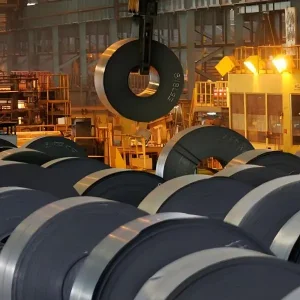
Wholesale Prime Hot Rolled Pickled and Oiled Steel Coils from China Suppliers and Factory - High Quality and Smooth Finish Manufacturers, Factory
Explore Technical Specs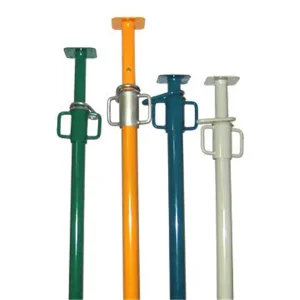
Wholesale China Suppliers Factory Heavy Duty Adjustable Steel Prop for Scaffolding Support in Construction and Renovation Manufacturers, Factory
Explore Technical Specs
High-Quality Hot Rolled Steel Plate from China Suppliers - High-Quality Products from Our Factory Factory, Factories
Explore Technical Specs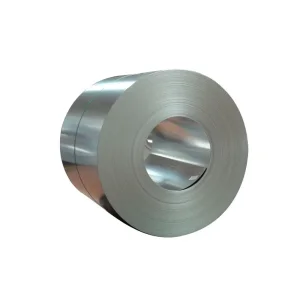
High-Quality Customized Spangle Hot Dipped Zinc Coated Galvanized Steel Coils - China Suppliers and Factory ASTM A653 DX51D Z 275 Factory, Factories
Explore Technical Specs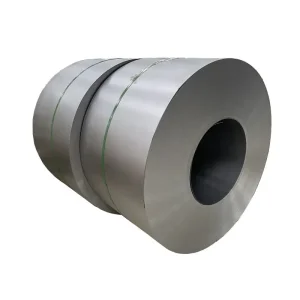
High-Quality Cold rolled high strength steel sheets with an extra deep drawing quality Supplier, Suppliers
Explore Technical Specs
Wholesale China Suppliers Factory Slip on Plate Flanges for Welding Carbon Steel and Stainless Steel Blind Flanges Manufacturers, Factory
Explore Technical SpecsFrequently Asked Technical & Sourcing Questions
In-depth engineering answers addressing corrosion performance, welding standards, paint adhesion, and supplier verification.