Featured Pre-Galvanized & Precision Steel Products
1. Macro Industrial Landscape & Demand Drivers in Norway
The Kingdom of Norway represents one of the most demanding metal procurement markets in Europe. Driven by strict structural building codes (NS-EN standards), aggressive environmental mandates under the Grønn Omstilling (Green Industrial Transition), and severe atmospheric corrosivity classifications (ISO 12944 C3 to C5-M), Norwegian engineering firms require steel products of certified metallurgical integrity.
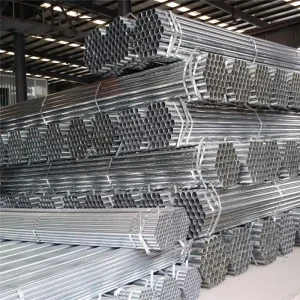
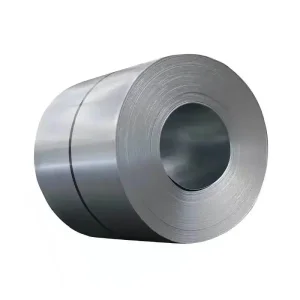
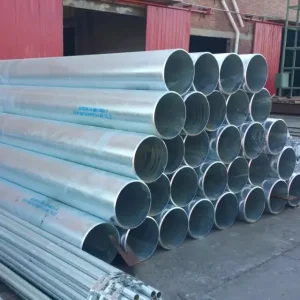
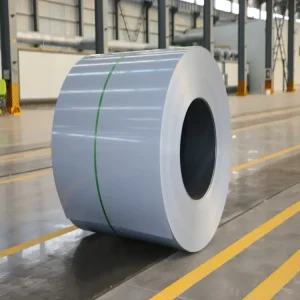
Pre-galvanized steel pipe—manufactured by cold-forming continuous mill-galvanized strip steel followed by high-frequency induction welding (HFW) and localized seam zinc-repassivation—occupies a vital position within Norway's structural, HVAC, agricultural, and marine supply chains. Unlike traditional hot-dip galvanizing applied post-fabrication, pre-galvanized hollow sections offer unprecedented dimensional consistency, uniform zinc layer control (Z100 to Z275 density), superior surface aesthetics for visible architectural frames, and optimized cost efficiency for high-volume installations.
ISO 12944 Atmospheric Resilience
Norway’s extensive coastline presents high atmospheric marine salinity (C4 to C5-M environments). Pre-galvanized steel pipes with passivation treatments provide baseline protection for sheltered coastal facilities, indoor aquaponics, and modular structural enclosures.
Dimensional Tolerance & Automated Fabrication
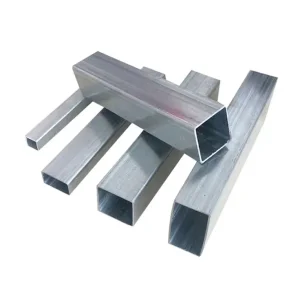
Norwegian modular building fabricators rely on laser-cutting and automated bending lines. Mill-pre-galvanized SHS/RHS tubes deliver tight outer diameter (OD) and wall thickness tolerances according to EN 10219-2, eliminating binding in automated assembly jigs.
Low-Carbon & EPD Alignment
With Norway driving toward zero-emission construction sites (Utslippsfrie byggeplasser), sourcing from mills utilizing scrap-based EAF routes or hydrogen-reduced iron (DRI) with certified Environmental Product Declarations (EPD) is critical for BREEAM-NOR project approvals.
2. Global Steel Supply Chain Dynamics & The Norwegian Market
Navigating steel procurement in Scandinavia requires an understanding of raw material shifts, EU Carbon Border Adjustment Mechanism (CBAM) compliance, freight logistics via Norwegian ports, and international manufacturing benchmarks.
Global Raw Material Trends
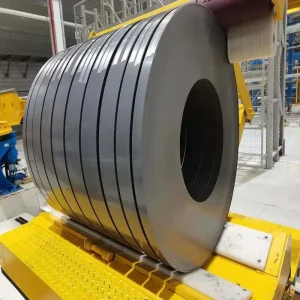
The global steel industry is undergoing a structural transition toward decarbonization. European and global suppliers of pre-galvanized strip are increasingly adopting ultra-clean iron ore feedstocks, high-efficiency hot-dip galvanizing lines, and advanced zinc-aluminum-magnesium alloy formulations. Price volatility in zinc ingots (LME zinc) directly affects coating surcharges, making long-term supply agreements and transparent index-based pricing critical for Norwegian EPC contractors managing multi-year infrastructure tenders.
Nordic Logistics & Port Infrastructure
Direct maritime shipments from international manufacturing hubs into major Norwegian ports—such as Oslo, Brevik, Kristiansand, Stavanger (Tananger), Bergen, Trondheim, and Narvik—require specialized packaging to prevent white rust (zinc hydroxycarbonate formation) during oceanic transit. Mill packaging protocols for Norway must integrate vapor corrosion inhibitor (VCI) plastic wrapping, waterproof kraft paper, heavy-duty steel strapping, and wooden skid crating for seamless crane unloading.
3. Technical Engineering Roadmap & Standards Compliance
When specifying pre-galvanized steel pipes for engineering projects in Norway, compliance with European Norms (EN) and Norwegian Standard (NS) frameworks is mandatory.
Metallurgical Grades & Mechanical Integrity
Pre-galvanized pipes are primarily produced from structural steel strip conforming to EN 10346 (Continuously hot-dip coated steel flat products). The underlying base metals are selected based on yield strength, ductility, and cold-forming properties:
- S235JRH (1.0039): Standard structural carbon steel grade providing optimal weldability and cold-forming capabilities for general construction, agricultural racking, and indoor structural frames.
- S275J0H / S275J2H: Higher-yield steel option offering superior Charpy V-notch impact energy absorption at 0°C and -20°C, required for cold-climate structural stability in inland Norway.
- S355J2H (1.0576): High-strength structural grade used when weight reduction and higher load-bearing capacity are critical, such as long-span roof trusses and offshore living module support frames.
- DX51D+Z / DX52D+Z: Commercial and drawing quality galvanizing steel grades designed for tight bending radii and smooth profile roll-forming without zinc micro-cracking.
Weld Seam Repassivation & Quality Control Protocols
A critical technical challenge in pre-galvanized pipe manufacturing is the high-frequency ERW welding process, which burns off the zinc coating along the longitudinal seam. Superior suppliers utilize an automated In-Line Zinc Spray System (Metallization). Immediately after the outer weld bead is scraped smooth, a molten zinc wire arc-spray coats the heat-affected zone (HAZ) to restore continuous corrosion protection equal to or exceeding the mill-galvanized parent strip.
Engineering Comparison: Pre-Galvanized vs. Alternative Pipe Materials
| Parameter / Metric | Pre-Galvanized Steel Pipe | Post Hot-Dip Galvanized Pipe | Zinc-Aluminum-Magnesium (ZAM) | Stainless Steel (316L) |
|---|---|---|---|---|
| Manufacturing Standard | EN 10219 / EN 10255 / ASTM A500 | EN ISO 1461 / ASTM A53 | EN 10346 / Custom Mill Spec | EN 10217-7 / ASTM A312 |
| Typical Coating Layer | 100 - 275 g/m² (14 - 38 µm) | 300 - 600 g/m² (45 - 85 µm) | 90 - 310 g/m² (Zn-Al-Mg) | Passivated Chromium Oxide Layer |
| Surface Smoothness | Ultra-Smooth, Uniform Bright Finish | Rough, Spangled, Variable Thickness | Smooth, Satin Metallic Matte | Brushed, Polished, or Mill Finish |
| ISO 12944 Corrosivity Suitability | C1 to C3 (Indoor, Urban, Low Salinity) | C3 to C5 (Coastal, Industrial) | C4 to C5-M (High Coastal Marine) | CX / Extreme Subsea Marine |
| Relative Cost Index | Baseline (1.0x) | 1.35x - 1.50x | 1.20x - 1.35x | 4.50x - 6.00x |
| Weldability & Fabrication | Excellent; Clean edges, easy welding | Requires surface grinding of thick zinc | Self-healing cut edges, easy weld | Requires specialized GTAW/MIG wire |
4. Localized Application Scenarios Across Norwegian Industries
Pre-galvanized steel pipes are deployed across diverse regional sectors in Norway, spanning southern agricultural zones to northern maritime infrastructure.
Agri-Tech & Greenhouse Frames (Rogaland & Vestland)
In Norway's agricultural heartlands like Jæren and Grimstad, commercial greenhouses and vertical farming facilities demand high strength-to-weight ratio structural supports. Thick-wall round and square pre-galvanized pipes provide snow-load resistance (conforming to NS-EN 1991-1-3 snow load actions) while resisting internal high-humidity microclimates without rusting.
HVAC Ducting & District Heating Enclosures
Norwegian commercial infrastructure projects in Oslo, Bergen, and Trondheim utilize pre-galvanized circular and rectangular steel tubes for ventilation duct hangers, cable management trays, and structural pipe supports within district heating distribution networks.
Aquaculture Shore Infrastructure & Fish Processing
Norway leads the global salmon farming industry. While subsea cages utilize high-density polymers and marine-grade alloys, onshore processing plants, feed storage sheds, and maintenance docks in Troms og Finnmark utilize heavy-duty zinc-coated pre-galvanized structural tubing for cost-effective internal framing.
Civil Infrastructure & Modular Building Systems
The rapid expansion of modular wood-steel hybrid construction in Norwegian urban centers requires precision SHS (Square Hollow Sections) and RHS (Rectangular Hollow Sections) for window sub-frames, safety fencing, barrier handrails, and temporary scaffolding modules.
5. Advanced Manufacturing Solutions & Quality Control Protocol
Delivering certified pre-galvanized steel pipe orders to Norwegian ports requires stringent manufacturing controls, chemical analysis verification, and customized secondary processing capabilities.
Comprehensive Quality Assurance
Every production batch undergoes Non-Destructive Testing (NDT) including Eddy Current Testing (ECT) for 100% of weld seams, Hydrostatic pressure testing, dimensional drift measurement using laser micrometer calipers, and zinc adhesion bend testing. Mill Test Certificates (MTC) are issued strictly in accordance with EN 10204 3.1, documenting heat code traceability, chemical composition (C, Mn, Si, P, S), and mechanical properties (Yield strength, Tensile strength, Elongation).
Custom Secondary Fabrication Services
To reduce labor costs at Norwegian jobsites, pipes can be pre-fabricated at the mill prior to shipment. Secondary capabilities include precision cut-to-length services (tolerances within ±1mm), end chamfering/beveling for field welding, mechanical grooving for Victaulic coupling systems, hole drilling/punching for bolt assembly, and custom color-coat painting over zinc (Duplex Coating System).
6. Frequently Asked Questions (FAQ) - Procurement & Engineering Guide
Key insights for Norwegian purchasing managers, structural engineers, and steel stockists.
What is the distinction between pre-galvanized pipe and post hot-dip galvanized (HDG) pipe?
Pre-galvanized steel pipe is manufactured using high-frequency welding from continuous steel coil that has already been hot-dip galvanized at the rolling mill. The internal and external walls feature an exceptionally smooth, uniform zinc coating (typically Z100 to Z275, i.e., 14 to 38 microns), with the exterior weld seam restored via zinc wire metallization. Post hot-dip galvanized pipe (conforming to EN ISO 1461) is fabricated from black steel and then fully submerged into a molten zinc bath. This results in a thicker (45 to 85+ microns), rougher zinc layer suitable for severe outdoor atmospheric exposure (C4/C5), whereas pre-galvanized pipe offers superior aesthetic finish, exact dimensional tolerances, and cost savings for C1-C3 environments and indoor structural applications.
Which European standards apply to pre-galvanized pipes imported into Norway?
Pre-galvanized hollow sections for structural applications in Norway must comply with NS-EN 10219-1 & 2 (Cold formed welded structural hollow sections of non-alloy and fine grain steels). For pressure fluid or gas transport, NS-EN 10255 applies. Raw material continuous galvanized coating must satisfy EN 10346. Furthermore, products supplied to Norwegian construction sites must carry CE marking (Declaration of Performance under CPR 305/2011) and EN 10204 3.1 Mill Test Certification.
How do pre-galvanized pipes perform under sub-zero Arctic temperatures in Northern Norway?
In cold-climate regions such as Troms, Finnmark, and Innlandet, low temperatures can cause brittle transition in standard carbon steels. To ensure structural reliability, pipes should be ordered in grades with guaranteed impact toughness, such as S275J0H/J2H or S355J2H, which undergo Charpy V-notch impact testing at -20°C or -40°C. The pre-galvanized zinc layer remains fully ductile and adheres securely to the base steel down to -50°C without flaking or micro-spalling.
What are the recommended welding practices for pre-galvanized steel pipe on site?
When welding pre-galvanized steel pipe on-site in Norway, appropriate health and safety measures must be followed regarding zinc oxide fume extraction (in compliance with Arbeidstilsynet regulations). Welders should grind back the zinc layer by 15-20mm around the weld joint prior to welding to prevent zinc inclusion, porosity, or cracking in the weld bead. Following MIG/MAG or MMAW welding, the ungalvanized joint area must be thoroughly cleaned and re-passivated using an approved 95% zinc-rich cold galvanizing compound or thermal zinc spray matching ISO 2063.
How is white rust (wet storage stain) prevented during sea freight to Norwegian ports?
White rust occurs when zinc-coated products are exposed to moisture and oxygen in stagnant conditions without free air circulation. For ocean freight from international factories to Norwegian ports (e.g., Oslo, Bergen, Larvik), our packaging protocol incorporates: 1) Environmentally safe chromate-free surface passivation or anti-corrosion oiling; 2) Airtight VCI (Vapor Corrosion Inhibitor) plastic wrapping; 3) Moisture-absorbing desiccant packs within each bundle; and 4) Heavy-duty wooden skids allowing ventilation and safe forklift/crane discharge.
What documentation is provided to support BREEAM-NOR green building certifications?
BREEAM-NOR is Norway’s leading environmental assessment method for buildings. To satisfy materials credits (Mat 01 / Mat 02), we can provide factory-specific or sector-wide Environmental Product Declarations (EPD) detailing Global Warming Potential (GWP) metrics, ISO 14001 Environmental Management System certificates, ISO 9001 Quality Management certificates, and full chemical traceability certificates ensuring REACH and RoHS compliance.
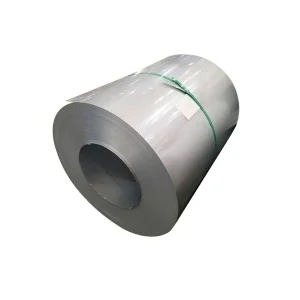
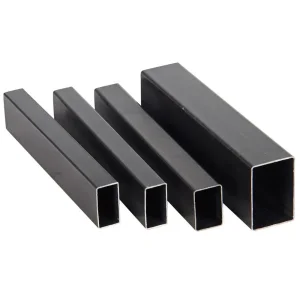
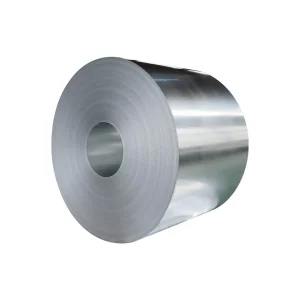
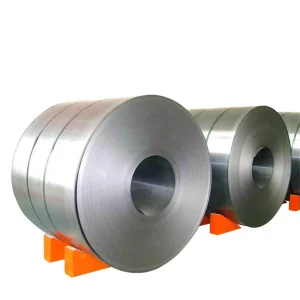
Associated Steel Pipes, Sections & Coils for Norwegian Projects
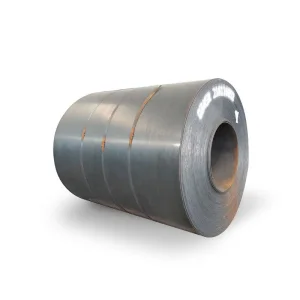
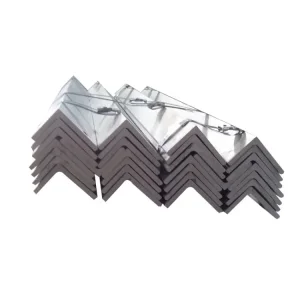
Explore our broader manufacturing capabilities supplying carbon steel, spiral welded pipe, stainless steel, and specialized coated products directly to Scandinavian distributors and fabricators.
Partner with a Certified Pre Galvanized Steel Pipe Manufacturer
Whether you require bulk structural hollow sections delivered to Oslo, specialized greenhouse tube bundles for Vestland, or high-yield pipe for Arctic engineering tenders, our technical export team is ready to assist.