Essential Scaffolding & Steel Prop Systems for Ethiopian Projects
Direct factory supply featuring heavy-duty telescopic shoring props, structural plates, and high-tensile steel designed for East African construction requirements.
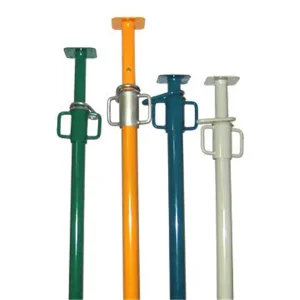
Heavy-Duty Telescopic Steel Props & Formwork Scaffolding Support for Ethiopian High-Rises
View Technical Specifications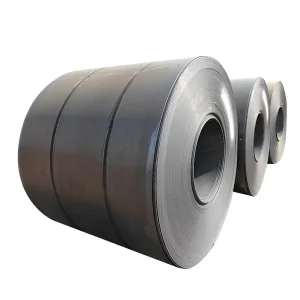
High-Tensile Hot Rolled Structural Steel Plates for Heavy Infrastructure & Bridge Formwork
View Technical Specifications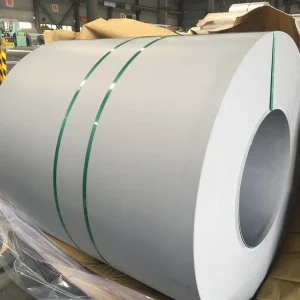
Corrosion-Resistant SECC/SECD/SECE Electro-Galvanized Steel Plates for Structural Enclosures
View Technical Specifications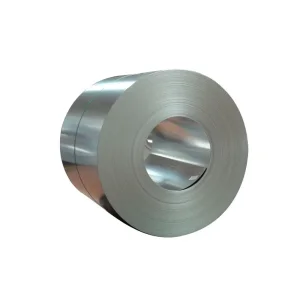
Customized ASTM A653 DX51D Z275 Hot-Dipped Galvanized GI Steel Sheets for Weatherproof Decking
View Technical SpecificationsEthiopia’s Infrastructure Expansion & Strategic Scaffolding Requirements
An engineering analysis of macroeconomic trends, structural standards, and climate challenges shaping temporary works procurement across Addis Ababa and regional growth corridors.
1. Macroeconomic Drivers: The Ethiopian Urban Renaissance
Ethiopia stands as one of the fastest-growing economies in Sub-Saharan Africa. The government’s Homegrown Economic Reform Agenda (HGER II) and Ten-Year Development Plan (2021–2030) have placed civil infrastructure, real estate development, and industrial expansion at the epicenter of national growth. Key focal points include the massive urban renewal of Addis Ababa (such as the Corridor Development Project), expansion of the Hawassa, Bole Lemi, and Kilinto Industrial Parks, and extensive transportation corridors connecting inland logistic hubs to Djibouti.
These mega-projects require unprecedented quantities of structural steel and temporary load-bearing formwork systems. As high-rise commercial structures exceed 30 to 40 stories in financial districts like Senga Tera, traditional construction methodologies are rapidly yielding to modern, modular, high-load scaffolding systems capable of guaranteeing safety, speed, and structural integrity under demanding schedules.
2. Transitioning from Wooden Eucalyptus Props to System Scaffolding
Historically, domestic building contractors across Ethiopia relied heavily on local eucalyptus timber for temporary shoring and falsework. However, this legacy approach presents severe technical limitations in modern civil engineering:
- Structural Instability & Unpredictable Axial Capacity: Timber props exhibit erratic load-bearing limits, micro-fractures, and high susceptibility to moisture absorption during the heavy Kiremt rainy season (June to September).
- Safety Hazards & Erection Slowness: High-rise slab casting requires rigid deflection control. Eucalyptus props lack vertical alignment precision, increasing structural risk during heavy concrete pours.
- Long-Term Lifecycle Economics: While timber appears low-cost initially, its single-use nature leads to significant material waste. Engineered steel props and modular Ringlock/Cuplock systems offer over 300 reusability cycles, dramatically lowering the total cost per square meter across multi-phase contracts.
3. Environmental & Seismic Considerations in East Africa
Ethiopia’s unique geography—spanning high-altitude plateaus (over 2,300 meters above sea level) and active tectonic regions near the Main Ethiopian Rift—imposes stringent requirements on temporary load-bearing structures. Scaffolding systems must accommodate wind shear dynamics at high altitudes, ground vibration isolation, and intense ultraviolet radiation exposure. High-tensile steel tubing (minimum Q345 grade) combined with hot-dip galvanization guarantees operational safety, prevents atmospheric pitting, and withstands harsh site conditions without structural fatigue.
System Scaffolding & Steel Prop Technical Matrix
Direct comparative parameters engineered for structural civil engineers, commercial contractors, and procurement officers operating in Ethiopia.
| Scaffolding System Type | Material / Steel Grade | Standard Diameters & Wall Thickness | Surface Treatment / Coating | Safe Load Capacity (SWL) | International & Local Compliance |
|---|---|---|---|---|---|
| Ringlock Modular System | Q345B High-Tensile Structural Steel | OD 48.3mm x 3.25mm / 3.0mm | Hot-Dip Galvanized (≥ 85 µm) | Up to 54.6 kN per Vertical Standard | EN 12810-1, BS 1139, ES ISO 9001 |
| Cuplock System Scaffolding | Q235B / Q345B Carbon Steel | OD 48.3mm x 3.2mm / 3.0mm | HDG or Electro-Galvanized | 42.5 kN Vertical Load Limit | BS EN 12811, ANSI/SSFI SC100-5/05 |
| Heavy-Duty Telescopic Steel Props | Inner Q235, Outer S235 Structural Pipe | Inner 48mm / Outer 60mm (2.0mm - 4.0mm) | Powder Coated / HDG / Dip Painted | 15 kN to 40 kN Extended Capacity | EN 1065 Class D/E Standard |
| Kwikstage Modular System | Q235 Structural Steel Tube | OD 48.3mm x 3.2mm | High-Gloss Dip Painted / HDG | 38.0 kN Leg Load Rating | AS/NZS 1576, BS 1139 Part 1 |
| Frame Scaffolding (Walk-Thru / Mason) | Q195 / Q235 Steel Tubing | OD 42mm / 25mm x 2.0mm | Pre-Galvanized / Powder Coated | 22.0 kN per Frame Tower Assembly | EN 74, ES ISO Standard Alignment |
Metallurgical Integrity & Quality Verification Protocols
Every metric ton of steel leaving our factory undergoes rigorous non-destructive and destructive testing. Our production facility utilizes automated high-frequency electric resistance welding (ERW) and robotic hot-dip galvanizing lines to maintain tight dimensional tolerances (±0.1mm wall thickness variance). Key verification protocols include:
Ensuring ultimate tensile strength (UTS) reaches up to 520 MPa for Q345B components, preventing structural failure under eccentric concrete load distributions.
Hot-dip galvanizing measured via electromagnetic gauges ensures micro-layer thickness exceeding 85 µm, passing 500-hour continuous salt spray tests without red rust formation.
Optimized Logistics for Importing Scaffolding into Ethiopia
Streamlining the maritime-to-land transit corridor via Djibouti, customs clearing procedures, and financial transaction models for Ethiopian buyers.
Djibouti Port Corridor Logistics
As a landlocked nation, Ethiopia routes over 95% of international cargo through the Port of Djibouti. We coordinate container loading (20ft GP and 40ft HQ) to maximize tonnage capacity while respecting axle load limit regulations on the Ethio-Djibouti highway and railway system to Modjo Dry Port.
LC & NBE Payment Structuring
Navigating foreign exchange allocations governed by the National Bank of Ethiopia (NBE) requires experienced documentation. We fully support Letter of Credit (L/C at sight), CAD (Cash Against Documents), and deferred payment frameworks aligned with local bank standards.
Customs & Compliance Documentation
To prevent demurrages at dry ports, all shipments are accompanied by EN 10204 3.1 Mill Test Certificates (MTC), Clean Findings Certificates (CFC) as requested, Commercial Invoices, Packing Lists, and Certificate of Origin (CO) issued by CC PIT.
Sector-Specific Scaffolding & Steel Solutions
Modular configurations tailored to solve structural challenges across Ethiopia’s primary economic development sectors.
Commercial High-Rises & Towers
For multi-story developments in Addis Ababa, our Ringlock Modular System provides lightweight erection, high vertical stiffness, integrated access staircases, and heavy-duty perimeter safety mesh containment, ensuring zero fall risks at extreme elevations.
Civil Bridges & Highway Overpasses
Heavy civil projects demand high axial resistance. Our Heavy-Duty Telescopic Steel Props and Cuplock Heavy Shoring Towers accommodate thick bridge deck slab pours, supporting concentrated loads up to 50 kN per node with fine-threaded height adjustment.
Industrial Parks & Logistics Warehouses
Rapid assembly is critical for industrial shed erection. We supply Galvanized Tube & Coupler Systems paired with pre-engineered structural plates for clear-span warehouse construction across Hawassa, Adama, and Kombolcha Special Economic Zones.
Why Ethiopian Engineers & General Contractors Trust Our Factory
Fifteen years of manufacturing excellence, certified ISO engineering practices, and dedicated technical assistance for East African infrastructure.
Full-Spectrum Engineering Support (AutoCAD & BIM)
We do not merely ship steel; we provide structural falsework engineering. Our team of 20+ senior civil engineers calculates exact shoring prop density, ledger spacing, and tie-in schemes based on your architectural drawings. We issue 3D BIM models and erection layouts to ensure flawless site installation in compliance with Ethiopian Standards Agency (ESA) regulations.
Rigid Quality Assurance & Factory Acceptance Testing (FAT)
Clients and independent inspection agencies (SGS, Intertek, TÜV) are welcomed at our Tianjin manufacturing hub. Third-party testing covers hydrostatic burst tests, weld seam ultrasonic flaws inspection, zinc coating mass determination (ISO 1461), and compression destruction testing.
Key Manufacturing Capabilities
- 66,700 m² Modern Manufacturing Footprint
- 100,000 Tons Monthly Structural Steel & Pipe Capacity
- 8 High-Frequency Automated ERW Welding Production Lines
- 24h Response / 48h Technical Solution Guarantee
- 80+ Countries Global Export Record & Project References
Next-Generation Scaffolding Solutions for East Africa
Pioneering smart falsework systems, ultra-high strength alloys, and digitized safety monitoring for tomorrow’s construction challenges.
Ultra-High Strength Lightweight Alloys
Transitioning standard Q235 standards to specialized micro-alloyed Q355D and aluminum-ringlock composites, reducing self-weight by 25% while maintaining heavy load limits to cut container shipping rates into Djibouti.
IoT Smart Load Sensing Props
Integration of micro-wireless strain sensors within telescopic steel props to monitor live concrete slab curing loads, transmitting real-time deflection alerts directly to site engineers' mobile devices.
Hydraulic Auto-Climbing Formwork
Deploying modular self-climbing protection screens and hydraulic core-wall formwork systems engineered specifically for supertall skyscraper construction across East African commercial hubs.
Industrial Steel, Scaffolding & Coil Portfolio for Ethiopia
Mill-direct structural carbon steel, coated coils, silicon steel, and pre-galvanized tubing formatted for local manufacturing and construction needs.
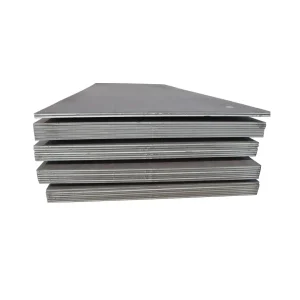
Hot Rolled Carbon Steel Plates Q235, Q195, Q345, ST, S355 for Structural Construction
View Technical Specifications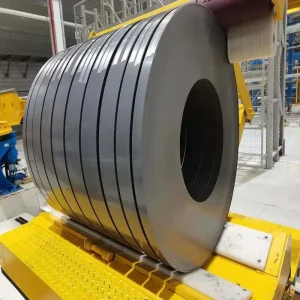
High-Quality Cold-Rolled Non-Grain Oriented (CRNGO) Silicon Steel Coils for Electric Motor Cores
View Technical Specifications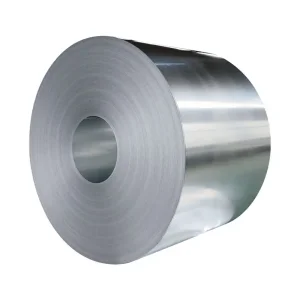
DX53D DX54D Aluminized Silicon Coating Steel Coils for Industrial Heat Resistance & Bakeware
View Technical Specifications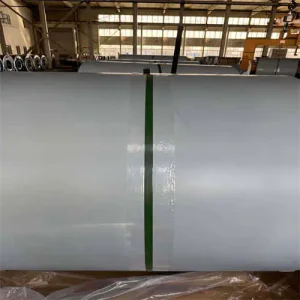
SECC Electrical Galvanized Steel Coils for Security Gate & Commercial Door Fabrication
View Technical Specifications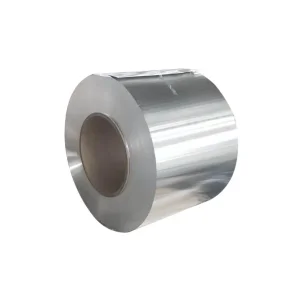
Electrolytic Tinplate (ETP) and TFS Tin Clad Steel Coils for Food & Industrial Packaging
View Technical Specifications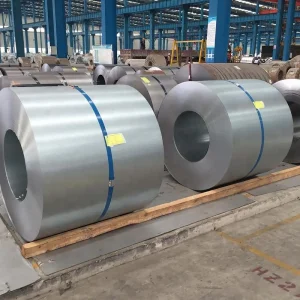
Hot-Dipped Galvanized Steel Coils for Custom Welded Steel Pipe & Section Profiling
View Technical Specifications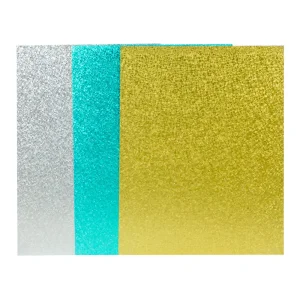
Galvalume Aluzinc (Zinc-Aluminum Coated) Roofing Sheets for Commercial Wall & Roof Panels
View Technical Specifications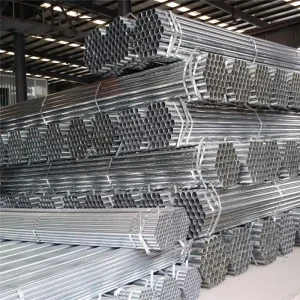
Thick-Wall Pre-Galvanized Steel Pipes for Agricultural Greenhouses & Structural Framing
View Technical SpecificationsFrequently Asked Questions on Procurement & Scaffolding Engineering
Detailed answers regarding technical specifications, port logistics, payment terms, and structural compliance for importing into Ethiopia.
1. What scaffolding systems are recommended for high-rise building projects in Addis Ababa?
2. How long is the shipping transit time from Tianjin Port to Modjo Dry Port via Djibouti?
3. What payment terms are accepted for Ethiopian clients facing foreign exchange (FX) queues?
4. What is the operational lifespan of hot-dip galvanized vs. painted scaffolding in East Africa?
5. How do you calculate the required quantity of steel shoring props for concrete slab casting?
6. Are your scaffolding products certified to international and Ethiopian standard guidelines?
7. Can I order mixed containers containing scaffolding, steel pipes, and steel plates?
8. What is the process for requesting third-party quality inspection before shipment?
Empower Your Ethiopian Construction Projects with Mill-Direct Quality
Partner with a reliable China steel and scaffolding manufacturer. Get mill-direct pricing, certified load-bearing safety, and dedicated logistics support tailored for Ethiopia's infrastructure growth.