
Featured Australia-Grade Cold Rolled & Coated Products
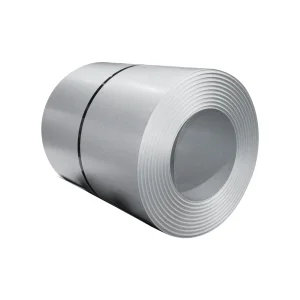
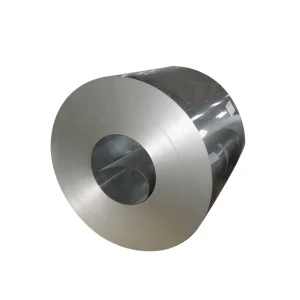
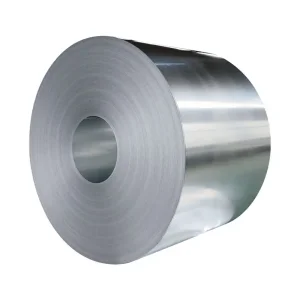
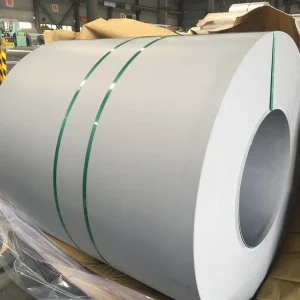
The global cold rolled steel (CRS) market is undergoing a profound paradigm shift driven by stringent decarbonization targets, advanced metallurgical demands, and supply chain regionalization. Cold rolling—a process by which hot rolled pickled steel is passed through unheated rollers below its recrystallization temperature—imparts superior dimensional precision, enhanced mechanical strength (via strain hardening), and an immaculate surface finish. Worldwide demand for high-grade cold rolled sheet, strip, and advanced coated steel coils is projected to surpass $160 billion USD by 2030, accelerated by electric vehicle (EV) manufacturing, green building codes, and renewable energy infrastructure buildouts.
The Australian Commercial & Industrial Landscape
Australia’s industrial sector represents a unique blend of extreme climate exposures and sophisticated engineering demands. Key commercial drivers reshaping local cold rolled steel procurement include:
- Renewable Energy Boom: Australia leads global solar penetration per capita. Solar infrastructure projects in the Outback require structural steel with heavy corrosion-resistant alloy coatings (e.g., Zinc-Aluminum-Magnesium / ZAM) to survive 25+ years in high-UV, high-salinity, and arid ambient dust.
- Modular & Light Gauge Framing: Escalating urban construction costs in Sydney, Melbourne, and Brisbane have spurred a 18% annual increase in modular steel construction. Cold-formed steel profiles adhering strictly to AS/NZS 4600 and AS/NZS 1365 are crucial for structural integrity.
- Agribusiness Infrastructure: Grain silos, livestock handling facilities, and coastal cold-storage networks demand high-yield, corrosion-resistant cold rolled galvanized sheet capable of withstanding acidic agricultural environments.
Key Technical Standards for the Australian Market
Engineering compliance in Australia leaves zero margin for error. Importing entities must ensure imported cold rolled steel aligns with standards issued by Standards Australia:
| Standard | Description | Key Requirement |
|---|---|---|
| AS/NZS 1594 | Hot-rolled steel flat products | Feedstock quality for cold-rolling lines |
| AS/NZS 1365 | Tolerances for flat rolled steel | Strict thickness & flatness limits ($\pm 0.02\text{mm}$) |
| AS 1397 | Continuous metal-coated steel sheet | Z275, ZM275 coating mass verification |
| AS/NZS 4600 | Cold-formed steel structures code | Yield strength validation (e.g., G300, G550) |
China’s steel manufacturing ecosystem has evolved from high-volume production to world-leading metallurgical precision and digital supply chain integration. Operating out of primary steelmaking hubs such as Tianjin, modern cold-rolling mills leverage 5-stand tandem cold rolling systems, continuous hydrogen annealing furnaces, and automated tension leveling to deliver coils with unmatched consistency.
1. Metallurgical & Thickness Control
Equipped with automatic gauge control (AGC) utilizing X-ray radiometric sensors, our production lines guarantee thickness tolerances within $\pm 0.015\text{ mm}$. This ensures that roll-formers in Sydney or Perth experience zero jam-ups, uniform spring-back, and consistent structural load distribution.
2. Advanced Coating Chemistry
Beyond conventional hot-dip galvanizing (GI), our facility specializes in next-generation ternary alloy coatings—specifically Zinc-Aluminum-Magnesium (ZAM / ZM). ZAM exhibits self-healing edge corrosion resistance, performing up to 5 to 10 times better than traditional zinc coatings in harsh coastal salt-spray environments.
3. Port Proximity & Freight Optimization
Situated near Tianjin Port, our logistics operations minimize inland transit degradation. We utilize sea-worthy export bundling—including moisture-resistant VCI paper, steel outer wrap, eye-to-sky or eye-to-wall palletization—to ensure cargo arrives in Fremantle, Port Adelaide, Sydney, or Brisbane in pristine condition.
Information Gain: Comparative Analysis of Coating Corrosion Performance
For Australian buyers evaluating long-term asset life, selecting the right cold rolled substrate and coating composition is paramount. The table below highlights empirical salt-spray laboratory performance (ASTM B117 standards):
| Coating Type | Composition | Cut-Edge Self Healing | Corrosion Resistance (Hours to Red Rust) | Ideal Australian Application |
|---|---|---|---|---|
| GI (Galvanized) | 99% Pure Zinc | Poor / Sacrificial Only | 720 - 1,000 Hours | Indoor HVAC, framing, general hardware |
| GL (Galvalume) | 55% Al, 43.4% Zn, 1.6% Si | Moderate | 1,500 - 2,000 Hours | Roofing, wall cladding, outdoor sheds |
| ZAM (Zn-Al-Mg) | 3% Mg, 11% Al, Bal. Zn | Excellent (Dense Simonkolleite Layer) | 3,000 - 4,500+ Hours | Solar ground mounts, marine structures, agriculture |
| SECC (Electro-Galv) | Pure Zinc Electro-deposit | N/A (Requires Painting) | 240 - 480 Hours | High-precision electronic cabinets, appliances |
Cold rolled steel is not a one-size-fits-all commodity. Depending on the micro-climate and mechanical stress factors in Australia, distinct grades and surface finishes must be specified:
A. Solar PV Mounting Structures (Outback & Coastal)
Utility-scale solar farms in Queensland, New South Wales, and South Australia cover thousands of hectares exposed to extreme UV thermal cycling and soil acidity. Our 275g Zinc Aluminum Magnesium (ZAM) cold rolled steel sheets provide structural C and Z purlins with long-term resistance against atmospheric degradation without requiring post-dunk galvanizing, drastically reducing project CAPEX.
B. Light Gauge Steel (LGS) Modular Building Systems
Rapid framing systems utilized in residential housing and commercial pop-ups demand cold rolled steel strip with precise tension leveling and tight yield strength windows (e.g., G550 high tensile steel). Our DX51D and DX52D continuous galvanizing lines maintain strict coil shape without bowing or center buckles.
C. Automotive Stamping & Commercial Appliance Components
Engineered for precision deep-drawing, our SECC / SECD electro-galvanized and ZF60/ZF275 galvannealed steel coils cater to local Australian component manufacturers. Featuring optimal paint adhesion and zero surface spangle defects, these steels are tailored for switchboard enclosures, door gates, and automotive brackets.
D. Commercial Food Machinery & Thermal Bakeware
Industrial bakeries and food processing plants across Australia require non-toxic, heat-reflective, and corrosion-safe materials. Our DX53D/DX54D Aluminized Silicon Coated Steel Coils combine the thermal endurance of aluminum coating with the ductility of deep-drawing cold rolled steel, outperforming standard stainless steel in cost-to-heat-transfer ratios.
Supply chain procurement officers in Australia are facing dual pressures: mitigating geopolitical freight disruptions while ensuring compliance with evolving ESG (Environmental, Social, and Governance) parameters and CBAM (Carbon Border Adjustment Mechanism) carbon tracking. Key procurement trends shaping international steel sourcing include:
Transition to Alloy Thin-Gauging
Procurement managers are shifting from heavy hot-dip galvanized carbon structural shapes to high-strength, thin-gauge cold rolled ZAM profiles. This shift cuts raw steel tonnage weight by up to 25% while maintaining equal or greater structural yield capacities, delivering massive freight cost reductions per container.
Traceability & Mill Test Certificates (MTC)
Australia’s strict build-compliance framework necessitates 100% heat-traceable materials. Factory-direct procurement guarantees genuine EN 10204 3.1 Mill Test Certificates containing full ladle chemical analysis, tensile testing, elongation figures, and coating thickness test charts.
Green Steel & Lower Embodied Carbon
By utilizing electric arc furnace (EAF) steelmaking routes and energy-efficient cold reduction tandem lines, modern Chinese mills are lowering Scope 1 and Scope 2 carbon intensity, ensuring Australian project owners hit their sustainability metrics.
Need Custom Cold Rolled Steel Tolerances or Grades?
Our engineering team assists Australian clients with custom width slitting, specialized oiling, tension leveling, and trial order packaging.
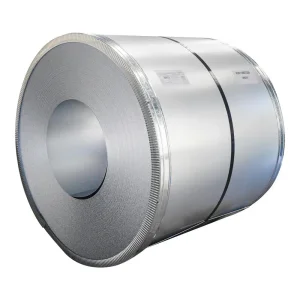
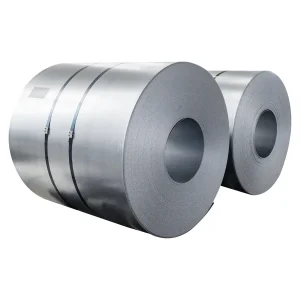
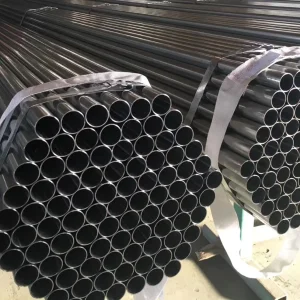
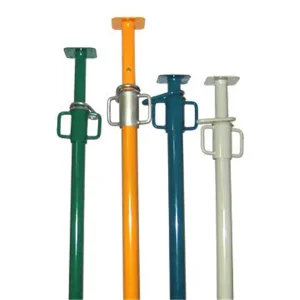
Send Inquiry NowComprehensive Cold Rolled & Structural Product Line
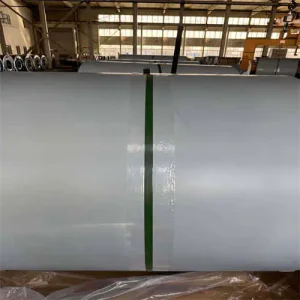
Answers to critical technical, metallurgical, and logistics questions asked by structural engineers and procurement heads when importing cold rolled steel from China into Australia.
How do your cold rolled steel products comply with Australian AS/NZS standards?
Why should Australian solar developers prefer Zinc-Aluminum-Magnesium (ZAM) over traditional hot-dip galvanizing?
What thickness and width tolerances can your cold rolling mills guarantee?
How do you protect cold rolled steel coils against ocean sea-sweat and rust during transit to Australia?
Can you handle customized small-batch orders for trial testing in Australia?
What is the typical lead time from order confirmation to discharge at major Australian ports?
Ready to Optimize Your Steel Procurement for Australia?
Contact our Senior Export Engineering Team today. We provide immediate FOB/CIF quotes, technical data sheets, and custom coil processing options tailored to your project requirements.