
Primary Steel Product Series (Catalog A)
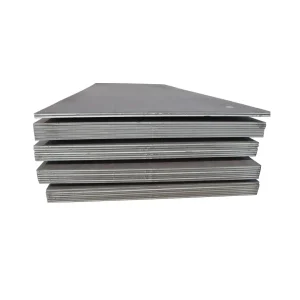
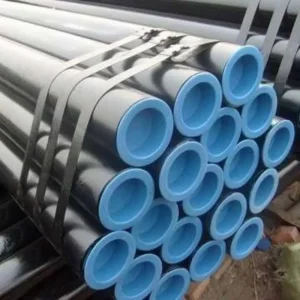
Explore mill-direct steel coils, plates, structural tubing, and precision profile inventory managed under strict ISO 9001 quality compliance.



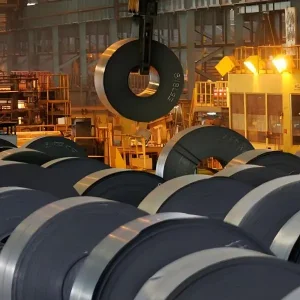
Technical White Paper: The Metallurgy of Zinc-Aluminum-Magnesium Coated Steel
A comprehensive analysis of Zn-Al-Mg ternary alloy coatings, microstructural passivating mechanisms, corrosion science, and life-cycle economic advantages.
In modern industrial metallurgy, the evolutionary transition from traditional hot-dip galvanizing (GI) and Galvalume (55% Al-Zn) to Zinc-Aluminum-Magnesium (ZAM / ZM) alloy coated steel represents a monumental leap in surface science and long-term asset protection. Engineered specifically to meet the grueling corrosion challenges of harsh marine atmosphere exposure, agricultural chemical loading, and 30-year unmaintained PV solar frame installations, ZAM alloy steel integrates optimized proportions of Zinc (Zn), Aluminum (Al), and Magnesium (Mg) into a single unified molten bath chemistry.
The strategic addition of 1.5% to 11% Aluminum and 1.5% to 3.0% Magnesium into the zinc matrix fundamental alters the solidifying microstructure during the hot-dip process. Rather than forming coarse, isolated pure zinc dendrites, the ternary melt solidifies into a dense, interlocking matrix composed of primary zinc phases, binary Zn-Mg2Zn11 eutectic, and ternary Zn-Al-Mg2Zn11 eutectic domains. This microscopic arrangement gives rise to an unprecedented chemical phenomenon: continuous, dynamic self-healing of sheared cut edges and surface scratches.
Self-Healing Cut-Edge Corrosion
When sheared, punched, or scratched, Magnesium ions (Mg2+) dissolve rapidly from the alloy layer and migrate across the exposed raw steel edge. Reacting with atmospheric carbon dioxide and moisture, they form a protective, highly insoluble mineral film known as Simonkolleite [Zn5(OH)8Cl2·H2O] and Ruchingite. This dense layer seals the steel core against atmospheric oxygen and salt intrusion, eliminating red rust formation without requiring post-fabrication touch-up paint.
Superior Wear & Formability
The inclusion of the Mg2Zn11 intermetallic phase dramatically increases the micro-hardness of the coating (up to 200–260 HV) compared to traditional soft galvanizing (80–110 HV). This hard outer skin minimizes coefficient-of-friction drag during heavy roll-forming, stamping, and deep-drawing, effectively eliminating flaking, galling, and powdering inside high-speed manufacturing dies.
Ammonia & Chemical Stability
In harsh agricultural environments—such as swine facilities, poultry housing, and fertilizer blending plants—ammonia (NH3) vapors rapidly destroy basic zinc coatings. The Zn-Al-Mg passivating layer demonstrates exceptional chemical inertness against alkaline runoff and nitrogenous compounds, outperforming traditional HDG tubing by more than 800% in long-term structural life testing.
Material Performance Benchmark: ZAM Steel vs. Legacy Metallic Coatings
The comparative matrix below outlines verified empirical testing data (ASTM B117 salt spray, field weathering) across standardized metallic-coated steel sheet specifications.
| Coating Specification | Alloy Composition | Salt Spray Resistance (Red Rust) | Cut-Edge Protection | Micro-Hardness (HV) | Primary Industrial Use |
|---|---|---|---|---|---|
| Hot-Dip Galvanized (GI) | 99% Zn, <0.5% Al | 240 – 480 Hours | Poor (Sacrificial, forms loose rust) | 80 - 100 HV | Indoor construction, HVAC ducts |
| Galvalume (GL / AZ) | 55% Al, 43.4% Zn, 1.6% Si | 1,200 – 1,800 Hours | Moderate (Crevice corrosion prone) | 130 - 150 HV | Architectural roofing, wall panels |
| Galvannealed (GA / ZF) | 90% Zn, 10% Fe | 180 – 300 Hours | Poor (Requires paint topcoat) | 180 - 220 HV | Automotive stamped body panels |
| ZAM Steel (ZM Coated) | Zn-11% Al-3% Mg / Zn-3% Al-1.5% Mg | 4,000 – 6,000+ Hours | Exceptional (Simonkolleite Self-Healing) | 200 - 260 HV | Solar PV racking, coastal guardrails, agro-frames |
Global & Industrial Macro Market Dynamics (2025–2030)
Key drivers behind the structural shift toward Zinc-Aluminum-Magnesium alloy coated steel across global infrastructure, clean energy, and manufacturing sectors.
The global demand for high-performance coated steel is undergoing a fundamental transformation driven by decarbonization mandates, rising labor costs for secondary anti-corrosion treatments, and aggressive renewable energy expansions. Market intelligence projects that the worldwide Zinc-Aluminum-Magnesium coated steel segment will expand at a Compound Annual Growth Rate (CAGR) exceeding 12.4% over the next decade.
Utility-Scale Photovoltaics (PV)
Ground-mounted solar projects require a 25-to-30-year operational lifecycle without structural failure. Traditional batch hot-dip galvanized C-purlins and torque tubes are prone to edge rust after field drilling and punching. ZAM structural steel (e.g., S350GD+ZM, S550GD+ZM) allows direct roll-forming and pre-punching at the mill, delivering zero-maintenance solar mounting trackers that dramatically lower EPC Balance of System (BOS) capital costs.
Automotive Lightweighting & EV Battery Enclosures
Electric vehicle (EV) underbody structures, battery tray frames, and suspension crossmembers are continuously subjected to road de-icing salts, gravel impact, and moisture accumulation. ZAM sheet steel offers auto fabricators a thinner coating weight (e.g., ZM90 or ZM120) while exceeding the corrosion resistance of thick batch-galvanized parts, assisting in vehicle mass reduction and range optimization.
Coastal Infrastructure & Guardrails
Highways, sound barriers, and bridge structures constructed within 5 kilometers of ocean shorelines face severe C4 and C5 atmospheric marine corrosion. Replacing traditional post-dipped highway guardrails with continuous ZAM coated coils slitted and formed directly into guardrail beams yields a smooth aesthetic finish, eliminates hazardous acid-pickling waste, and doubles environmental service lifespan.
Localized Application Engineering & Industry Solutions
Tailored manufacturing routes and technical grade configurations designed for regional climate stress zones and rigorous engineering codes.
Different international markets present vastly different environmental hazards. As a premier wholesale ZAM manufacturer, our production engineering aligns specific alloy ratios, passivations, and temper-rolling steps to match local field conditions:
Desert Agrivoltaics (Middle East & North Africa)
Environment: Extreme UV radiation, high ambient temperatures, wind-blown silica sand abrasion, and saline groundwater irrigation.
Solution: Heavy ZM275 to ZM430 high-magnesium alloy coating paired with chromate-free organic passivation. Hardened surface resists sandblasting while self-healing cut edges maintain frame integrity during dual solar/agricultural soil contact.
Tropical Coastal & Marine (Southeast Asia & Caribbean)
Environment: High humidity (>85% RH), constant salt fog, tropical storm rainfall, and industrial marine sulfur dioxide gases.
Solution: High-aluminum ternary ZAM alloy (Zn-11% Al-3% Mg) engineered to EN 10346 specifications. Inhibits pit-corrosion beneath moisture condensation films and delivers long-term durability for roofing, wall cladding, and cable tray networks.
Cold Climate Livestock & Cold Storage (Europe & North America)
Environment: Enclosed animal housing with elevated ammonia (NH3), hydrogen sulfide (H2S), condensation cycles, and chemical disinfectants.
Solution: Medium-thickness ZM180 to ZM275 with anti-fingerprint, clear acrylic sealing. Prevents premature zinc leaching, protects internal framing channels, and simplifies automated high-pressure washdowns.
Manufacturing Technology Roadmap & Future Outlook
Continuous innovation in liquid bath fluid dynamics, AI quality monitoring, and ultra-high-strength structural base metal integration.
Our manufacturing technology roadmap focuses on advancing coated steel performance through three primary metallurgical vectors:
1. AI-Driven Liquid Pot Dynamic Control
Utilizing high-frequency electromagnetic induction stirring and real-time laser spectrometry inside the molten ZAM zinc pot. AI neural networks dynamically adjust temperature gradients within ±1°C and precisely regulate Magnesium slushing chemistry to guarantee homogeneous intermetallic crystal growth across 2000mm-wide strips.
2. Ultra-High Strength Steels (AHSS / UHSS)
Pairing ternary ZAM alloy coatings with Advanced High-Strength Steels such as S700GD, S900GD, and dual-phase automotive grades. This breakthrough allows engineers to drastically reduce wall thickness on structural components while maintaining structural load-bearing requirements and extreme rust resistance.
3. Zero-Chromium Nanocomposite Passivation
Eliminating all hexavalent and trivalent chromium chemical sealers in favor of eco-friendly organic silica-titanium matrix coatings. This ensures 100% compliance with EU RoHS and REACH environmental regulations while enhancing powder-coating paint adhesion strength by over 300%.
Secondary Steel Product Series (Catalog B)
Explore high-strength cold rolled, electro-galvanized, electrical silicon steel, and specialized alloy strip solutions.

Technical Procurement & Engineering FAQ
In-depth responses to critical questions asked by structural engineers, procurement managers, and steel importers regarding ZAM alloy steel.