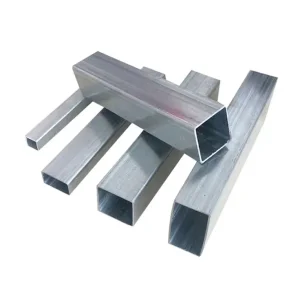
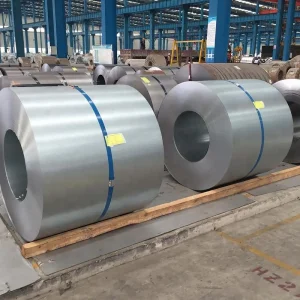
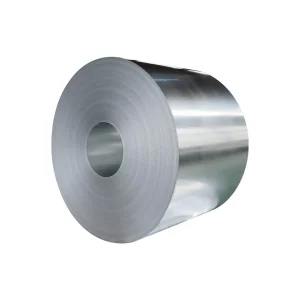
Core Industrial Product Showcase (Part I)
Premium mill-direct galvanized, electro-galvanized, carbon steel, and specialized silicon steel coils manufactured under strict ISO 9001:2015 & ASTM/JIS standards.

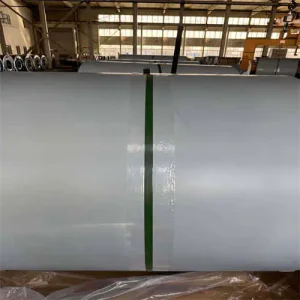

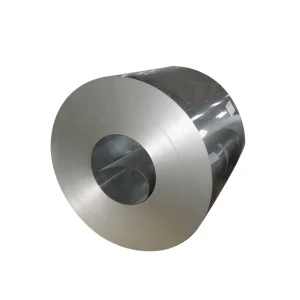

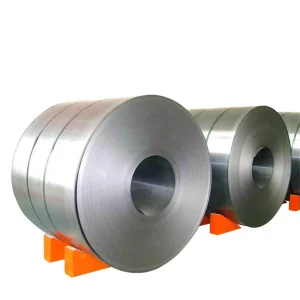

1. Metallurgical Fundamentals: SECD vs. GI Steel Coils
In modern industrial manufacturing, selecting the optimal zinc-coated steel substrate requires a granular understanding of chemical composition, surface topography, crystal morphology, and mechanical performance under stress. Both SECD (Commercial & Drawing Quality Electro-Galvanized Steel) and GI (Hot-Dip Galvanized Iron) serve as fundamental materials across automotive, structural, and electronics sectors, yet their processing pathways yield vastly different engineering capabilities.
Electro-Galvanization Metallurgy (SECD / JIS G3313)
SECD is produced by electro-depositing pure zinc onto a cold-rolled steel strip (typically SPCC equivalent base metal) in an aqueous electrolyte bath (zinc sulfate or zinc cyanide system). Because the electro-deposition occurs at near-ambient temperatures (40°C–60°C), the underlying crystal lattice of the cold-rolled steel remains unaltered by thermal shock. This preserves the precise yield strength, tensile elongation, and extra-deep drawing properties (r-value and n-value) engineered into the cold-rolled substrate.
The resulting zinc coating layer is extraordinarily uniform, fine-grained, and ultra-thin—typically ranging from 10 g/m² to 40 g/m² per side (approx. 1.4 to 5.6 micrometers). The absence of iron-zinc intermetallic alloy phases ensures that the coating exhibits exceptional micro-flexibility, eliminating flaking or micro-cracking during severe progressive die stamping operations.
Hot-Dip Galvanizing Metallurgy (GI / ASTM A653 / EN 10346)
Hot-Dip Galvanizing (GI) involves passing the cleaned, annealed steel strip through a molten bath of pure liquid zinc (maintained at 450°C–460°C). During immersion, a metallurgical reaction occurs between the iron matrix and molten zinc, creating a multi-layered structure of iron-zinc intermetallic compounds (Gamma, Delta, and Zeta phases) topped by a pure outer zinc layer (Eta phase).
GI coatings are substantially thicker than electro-galvanized layers, typically spanning from 60 g/m² up to 275 g/m² (Z275) or higher. This robust mass provides superior barrier protection against outdoor atmospheric weathering. However, the high bath temperature requires inline annealing, which alters the mechanical temper of the core steel, making GI slightly stiffer and less suited for micro-precision electronic stampings compared to SECD.
Coating Thickness Uniformity
SECD exhibits sub-micron coating tolerance across the entire width, crucial for automated robotic assembly lines and tight tolerance press-fits.
Surface Finish & Paintability
SECD features an ultra-smooth, spangle-free matte surface suitable for direct high-gloss powder coating and e-coating without surface prep.
Corrosion Resistance Strategy
GI relies on massive sacrificial zinc volume for decades of outdoor exposure; SECD uses thin zinc combined with chemical passivation (AFP/Phosphating).
2. Global Commercial Landscape & Supply Chain Dynamics
The international trade of SECD and GI coils is dictated by expanding infrastructure, globalized white-goods manufacturing, and automotive electrification. China remains the world's primary manufacturing hub for flat-rolled steel products, accounting for over 50% of crude steel output and driving innovation in continuous galvanizing technology.
Wholesale procurement strategies have shifted dramatically in recent years. Tier-1 buyers no longer evaluate suppliers strictly on FOB price per metric ton. Strategic buyers focus on total landed cost efficiency, scrap rate reduction, cross-border tariff optimization (including EU CBAM carbon pricing compliance), and supply chain resiliency.
Asia-Pacific Hub
Dominates volume production for consumer electronics (SECD/SECC) and automotive structural frames (GI/GA). Facilities in East China leverage integrated deep-sea ports for rapid export logistics.
North American & EU Regulations
Increasing focus on strict environmental compliance (RoHS 3, REACH, TSCA) requiring chromium-free finger-print resistant (AFP) treatments on all SECD imports.
Pricing & Raw Material Indexing
Coil pricing correlates with Hot-Rolled Coil (HRC) futures, Shanghai Metals Market (SMM) raw zinc ingot spot prices, and electricity tariffs associated with electro-plating lines.
3. Comprehensive Metallurgical Specification Matrix
Cross-referencing technical parameters between Electro-Galvanized (SECD/SECC), Hot-Dip Galvanized (DX51D+Z/Z275), and Galvannealed (ZF60) coils.
| Steel Grade Standard | Coating Process | Standard Zinc Mass (g/m²) | Surface Finish / Spangle | Tensile Strength (MPa) | Weldability Index | Primary Target Application |
|---|---|---|---|---|---|---|
| JIS G3313 SECD | Electro-Galvanized | 10 / 20 / 30 / 40 | Extra-Smooth / No Spangle | 270 - 350 | ★★★★★ (Superior) | Computer Chassis, Audio Panels, Deep Draw Stampings |
| JIS G3313 SECC | Electro-Galvanized | 10 / 20 / 30 | Smooth / Matte Finish | 270 Min | ★★★★★ (Superior) | Home Appliances, Electrical Cabinets, Door Gates |
| ASTM A653 DX51D+Z | Hot-Dip Galvanized | Z60 to Z275 (275 g/m²) | Regular / Zero Spangle | 270 - 500 | ★★★☆☆ (Moderate) | HVAC Ducting, Structural Framing, Roofing Sheets |
| EN 10346 DC51D+ZF | Galvannealed (Fe-Zn) | ZF60 to ZF140 | Matte Grey / Alloyed | 270 - 410 | ★★★★☆ (High) | Automotive Underbody, Structural Weldments |
| JIS G3323 ZAM | Zinc-Al-Mg Dip | ZM90 to ZM275 | Smooth Metallic | 300 - 550 | ★★★★☆ (High) | Solar PV Racking, Extreme Marine Environments |
4. Next-Generation Surface Coatings & Technological Roadmap
As environmental legislation tightens globally, traditional hexavalent chromium passivations have been rendered obsolete. Manufacturers are pioneering organic, inorganic, and hybrid surface coatings applied directly over SECD and GI substrates to meet stringent end-user demands.
Anti-Fingerprint (AFP) Resin Systems
Applied to SECD (e.g., SECD-N5 / SECD-E5 designations), a thin (1–2 µm) transparent organic resin film prevents oils and skin acids from tarnishing the surface, offering lubricating properties during dry stamping without additional oils.
Chrome-Free Trivalent Passivation
Compliant with EU RoHS 3 and REACH regulations, trivalent chromium and titanium-based silane conversion coatings provide superior salt-spray corrosion performance while eliminating hazardous waste.
Zinc-Aluminum-Magnesium (ZAM) Evolution
Incorporating 1.5–3% Magnesium and 6–11% Aluminum into molten zinc baths yields self-healing cut-edge protection. ZAM is rapidly replacing standard GI in high-corrosion agricultural and solar mounting applications.
5. Manufacturing Process Engineering: From Sclab to Slit Coil
Precision coil manufacturing requires continuous quality control across every metallurgical transformation. Below is the technical process flow maintained at top-tier manufacturing facilities:
Hot-Rolled Pickling & Cold Reduction
Hot-rolled steel coils are descaled in hydrochloric acid baths before entering tandem cold-rolling mills to reduce thickness down to exact customer gauges (0.3mm – 3.0mm) with strict crown control.
Continuous Electrolytic Galvanizing
For SECD, the strip undergoes alkaline degreasing, electrolytic pickling, and passes through vertical plating cells where high-density electrical current deposits uniform zinc ions onto the steel substrate.
Passivation & Tension Leveling
Coated coils undergo chemical passivation (AFP or Phosphate), followed by precision tension leveling to eliminate coil set, cross bow, and residual stresses, ensuring flat sheets during laser cutting.
6. Localized Application Scenarios & Engineering Case Studies
Understanding where SECD and GI coils are deployed provides essential context for OEM design engineers and procurement directors.
Consumer Electronics & IT Enclosures
Primary Material: SECD / SECC
Used extensively for server racks, PC chassis, and set-top boxes. SECD’s precise dimensions allow tight tolerance stamping of EMI shielding fingers. Its anti-fingerprint surface guarantees a clean aesthetic for unpainted internal structural partitions.
Automotive Components & Door Systems
Primary Material: SECD / Galvannealed ZF60
Selected for door inner panels, window regulators, speaker brackets, and structural cross-members. Excellent spot-weldability and paint adhesion make it ideal for high-throughput automotive assembly lines.
HVAC & Building Infrastructure
Primary Material: GI (Z180 - Z275) / ZAM
Applied in ductwork, cable trays, and structural purlins exposed to outdoor air and humidity. The heavy zinc coating mass guarantees 20+ years of operational service without requiring secondary liquid painting.
7. Strategic Sourcing & Export Packaging Mitigation
Transporting raw steel coils across oceanic routes exposes cargo to severe humidity, salt-spray, and mechanical vibration. Ensuring zero-defect delivery requires standardized export packaging frameworks:
Vapor Corrosion Inhibitor (VCI) Packaging
Coils are inner-wrapped with high-density VCI paper and poly-laminated film that emits anti-corrosive vapors, neutralizing moisture inside sealed environments during long marine voyages.
Outer Steel Sheeting & Edge Protectors
Heavy-duty outer steel side discs, inner steel ring guards, and corrugated plastic edge protectors shield coil edges against strap bite and crane hook abrasions.
Container Stowing & Wooden Skids
Coils are mounted on fumigated wooden skids ("Eye to Sky" or "Eye to Side" orientation) and secured with heavy-duty steel strapping and timber bracing inside 20ft heavy-duty containers.
8. Frequently Asked Questions (Technical & Commercial FAQ)
Detailed answers to critical procurement and metallurgical questions asked by global importers and engineering specifiers.
Core Industrial Product Showcase (Part II)
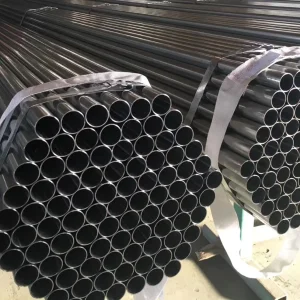
Extended product portfolio including pre-galvanized sections, stainless steel coils, tinplate, and aluminized silicon specialized coils.