
Featured Industrial Steel Products & Components
Direct from our Tianjin mill integration lines: Structural plates, coated coils, precision hollow sections, and specialty silicon steels engineered for global projects.

High-Quality Hot Rolled Steel Plate from China Suppliers – Quality Products from Reliable Factory Manufacturers, Factories

Wholesale China Suppliers Factory ZM AZM Coated Steel Sheet 275g Zinc Aluminum Magnesium Alloy for Solar Mounting Structures Manufacturers, Factory

Wholesale China Non-Grain Oriented Silicon Steel Coil M310 M350 M470 M600 M800 | Suppliers & Factory Manufacturer, Manufacturers
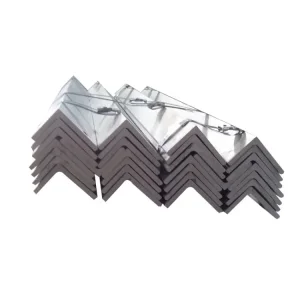
Wholesale China Q195 Q215 Hot Rolled Steel Angle Iron Beam from Reliable Suppliers & Factory for Structural Applications Manufacturers, Supplier
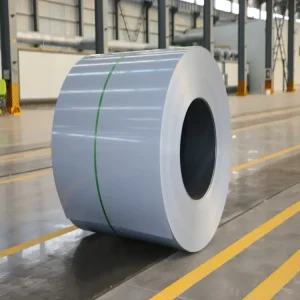
High-Quality China G550 PPGI PPGL Galvanized Corrugated Metal Roof Sheets - Suppliers & Factory Direct Quality Roofing Solutions Manufacturers, Factory

Wholesale China Suppliers Zinc Aluminum Magnesium Coated Steel Sheet 275g for Solar Mounting – Factory Direct Quality Assurance Manufacturer, Suppliers
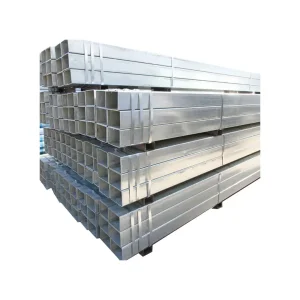
Wholesale 40x40 Tube Shs Hot Dip 200*100 Rectangle Galvanized Square Steel Pipe Manufacturers, Suppliers

Wholesale Zinc Iron Alloy Galvannealed Steel Coil DC51D ZF60 ZF275 - China Suppliers and Factory Factory, Factories
Global & Industrial Landscape of Round Pipe String Manufacturing Plants
Analyzing the macroeconomic shifts, structural demands, and technological advancements reshaping round pipe string manufacturing line deployments across energy, construction, and water infrastructure sectors.
The global industrial economy relies heavily on tubular steel products for critical fluid transmission, structural engineering, oil and gas extraction (OCTG), geothermal energy exploration, and renewable energy mountings. Among these, the Round Pipe String Manufacturing Plant stands as the technological core of modern heavy industry. A pipe string—defined as a continuous, engineered sequence of interconnected round pipes subjected to severe torsional, axial, and pressure stresses—requires precise physical geometry, uniform yield strength, and robust metallurgical integrity.
Historically, round pipe manufacturing was fragmented into basic low-frequency welding shops and low-capacity manual rolling mills. Today, the global energy transition, deep-water drilling, high-rise architectural columns, and cross-country water distribution networks demand high-frequency induction welded (ERW), longitudinal submerged arc welded (LSAW), and spiral submerged arc welded (SSAW) round pipe string lines capable of continuous high-speed production. Sourcing managers and EPC engineering contractors now seek turnkey wholesale manufacturing plant manufacturers that integrate everything from uncoiling and automatic seam tracking to ultrasonic non-destructive testing (NDT) and hydro-testing within a single automated floor plan.
Engineering Breakdown: Inside a Modern Round Pipe String Line
From hot-rolled coil uncoiling to final hydrostatic proofing: A step-by-step examination of automated pipe manufacturing equipment modules.
1. Coil Preparation & Horizontal Accumulation
The manufacturing process begins with heavy-gauge hot-rolled strip coils loaded onto a dual-cone uncoiler. Automatic end-shearing and butt-welding join consecutive coils without stopping the line, while a high-capacity horizontal accumulator buffers up to 800 meters of steel strip to maintain 100% continuous line uptime.
2. Multi-Pass Roll Forming & HFW Seam Welding
Precision breakdown and fin-pass roll stands gradually bend the flat strip into a cylindrical profile. Solid-state High-Frequency Welders (350–500 kHz) utilize squeeze rolls to forge the seam edges at temperatures exceeding 1350°C without filler metal, creating a molecular-level bond equal in strength to the parent material.
3. In-Line Seam Normalizing & Annealing
To eliminate martensitic microstructures and residual thermal stresses induced by rapid welding cooling rates, intermediate induction seam annealers reheat the weld zone to 900°C–950°C. Controlled air and water-cooling beds restore fine-grained ferrite-perlite grain structures required for API 5L and API 5CT standards.
4. Sizing, Straightening & Flying Saw Cutting
Sizing roll stands calibrate the pipe's outer diameter (OD), roundness tolerance, and wall concentricity. Multi-roll rotary straighteners ensure out-of-straightness limits remain under 1.0mm per meter. Computer-controlled cold flying friction saws or orbital carbide cutters cut pipe strings to exact operational lengths (6m–18m).
5. Full-Body Ultrasonic & Eddy Current NDT
Automated non-destructive testing (NDT) stations sweep 100% of the weld seam and pipe body. Multi-channel ultrasonic transducers detect internal laminations, transverse cracks, and lack of penetration defects, automatically marking non-conforming sections with paint spray before reaching hydrostatic testing.
6. Hydrostatic Proofing & End Threading/Facing
High-pressure hydrostatic testing rigs subject every pipe string to internal hydraulic pressure up to 70 MPa (10,150 PSI) for holding times dictated by ASTM A53 and API 5CT. Pipe ends are then machine-bevelled for field welding or precision-threaded for high-torque couplings in casing applications.
| Plant Technical Parameter | Standard Line Capability | Heavy-Duty OCTG Line Capability | Applicable Standards |
|---|---|---|---|
| Outer Diameter (OD) Range | Ø 21.3 mm – Ø 219.1 mm (1/2" – 8") | Ø 219.1 mm – Ø 610.0 mm (8" – 24") | API 5L, ASTM A53, EN 10219 |
| Wall Thickness Range (WT) | 1.2 mm – 12.0 mm | 6.0 mm – 22.0 mm | GB/T 3091, JIS G3444 |
| Line Operating Speed | 30 – 120 meters / minute | 12 – 45 meters / minute | Industry 4.0 PLC Controlled |
| Welding Power Unit | 200 kW – 600 kW Solid State HFW | 800 kW – 1500 kW HFW / LSAW | High-Efficiency Inverter Tech |
| NDT Inspection Coverage | Weld Seam Ultrasonic + Eddy Current | Full Body Phase Array UT + Magnetic Particle | ISO 10893, API 5CT Spec |
| Hydro-Test Pressure Limit | Up to 25 MPa (Standard) | Up to 70 MPa (High Pressure) | ASTM A106, BS 1387 |
Why China Factories Lead the Round Pipe String Equipment Market
How integrated supply chains in Tianjin and Hebei enable 35%–50% capital expense savings without sacrificing technical precision or E-E-A-T manufacturing compliance.
Global buyers looking to establish or upgrade a Round Pipe String Manufacturing Plant face strict requirements regarding capital expenditure (CAPEX), equipment reliability, spare parts availability, and commissioning velocity. Chinese manufacturers—particularly those anchored in the industrial manufacturing hubs of Tianjin (Jinghai Development Area) and Hebei—possess unprecedented structural advantages that drive unmatched ROI for international buyers.
Core Advantages of Sourcing Round Pipe String Plants from China Manufacturers:
- Modular Engineering & Custom Roll Tooling: Rapid fabrication of specialized roll passes for square, rectangular (SHS/RHS), and high-strength round pipe strings using CNC machining centers.
- Turnkey Installation & Overseas Field Support: Experienced engineering teams dispatched directly to overseas customer sites (Southeast Asia, Middle East, South America, Africa) for foundation layout, line assembly, operator training, and trial runs.
- Cost-Efficient Component Integration: Chinese plants combine heavy-duty structural steel frames with globally recognized electrical components (Siemens PLCs, Schneider contactors, Yaskawa servo drives, ABB frequency converters).
- Strict E-E-A-T Quality Assurance & MTC Traceability: Mill Test Certificates (MTC conforming to EN 10204 3.1/3.2) are issued for every batch, supported by optional third-party inspections from SGS, Bureau Veritas (BV), or TÜV Rheinland.
Where Round Pipe Strings Power Global Engineering Projects
From deep oil well casings to solar tracker torque tubes: Strategic sector applications requiring continuous round pipe strings.
OCTG Oil & Gas Casing Strings
Heavy-wall API 5CT grade round pipe strings (J55, K55, N80, L80, P110) are installed thousands of meters underground to stabilize oil and gas wells, withstand severe geomechanical pressure, and prevent groundwater contamination during extraction.
Structural Piling & Marine Infrastructure
Large-diameter spiral and longitudinal round pipe strings are driven into seabed soils or riverbeds to serve as load-bearing piles for offshore wind turbines, deep-water port terminals, long-span bridges, and skyscraper foundations.
Solar Mounting & Smart Tracker Tubes
High-yield round and torque pipe strings coated with Zinc-Aluminum-Magnesium (ZM/AZM 275g) are engineered for solar tracking arrays, providing 30+ years of maintenance-free corrosion resistance in desert and coastal environments.
Municipal Hydro & District Heating
Pre-insulated, hot-dip galvanized round pipe strings transport potable water, agricultural irrigation supply, and high-pressure steam across urban networks with minimal thermal loss and zero fluid leakage.
Industry 4.0 & Technological Evolution in Pipe Manufacturing
How AI-driven quality monitoring, green hydrogen pipe specs, and zero-downtime quick-change tooling are shaping the next decade of pipe manufacturing.
As global environmental regulations tighten and operational efficiency targets rise, Round Pipe String Manufacturing Plant Manufacturers are integrating cutting-edge smart manufacturing technologies. Key innovations reshaping modern pipe plants include:
AI-Powered Weld Seam Diagnostics
High-speed optical cameras paired with machine-learning algorithms monitor molten weld pool geometry in real-time, instantly adjusting induction welding power output to prevent cold welds or excessive burn-through.
Quick-Change Automated Roll Stands (ZTF)
Flexible forming systems allow pipe manufacturers to switch outer diameter settings automatically via servo-motor adjustments within 30 minutes, eliminating manual roll swaps and saving hundreds of labor hours annually.
Green Steel & Hydrogen-Ready Pipelines
Modern pipe plants are optimized to process low-carbon steel coils produced via direct reduced iron (DRI) processes, fabricating pipe strings tested for H2 embrittlement resistance to support future clean energy transport.
Global Procurement Checklist: Auditing a Round Pipe String Supplier
Essential steps for procurement managers to mitigate international sourcing risks, ensure spec compliance, and verify manufacturer authenticity.
Step 1: Technical Specification Verification
Clearly define pipe diameter, wall thickness tolerances (±5% or ±7.5%), steel yield strength grade (e.g., Q235B, Q345B, ASTM A53 Gr. B, API 5L X52), bevel angle, and surface coating requirements (black vanish, 275g zinc, or 3LPE).
Step 2: Factory Quality Audit & Certifications
Confirm that the manufacturing plant holds ISO 9001, ISO 14001, ISO 45001, and official API 5L / API 5CT monograms. Request recent factory audit reports and live video verification of running production lines.
Step 3: In-Process NDT & Mill Test Certification
Mandate EN 10204 Type 3.1 Mill Test Certificates detailing heat analysis, mechanical tensile testing, flattening/bending test results, and hydrostatic proofing values for every batch before shipping authorization.
Step 4: Packaging & Ocean Freight Logistics
Ensure round pipe strings are hexagonal-bundled with heavy-duty steel straps, end protectors (plastic caps), and plastic woven wrappings to prevent salt-fog corrosion and transit physical damage during maritime transportation.
Frequently Asked Questions (Q&A)
Direct technical answers from senior pipe manufacturing engineers regarding line capabilities, lead times, and customization.
Electric Resistance Welded (ERW) pipe strings are manufactured from continuous steel strip formed into round tubes and joined via high-frequency electrical heating along the longitudinal seam. Seamless pipe strings are formed by piercing a solid steel billet at extreme temperatures. Modern high-frequency ERW plants produce pipe strings with weld strength and concentricity that equal seamless pipes at a 20% to 30% lower production cost, suitable for most pressure and structural applications.
Yes. By installing a Direct-to-Square or a Round-to-Square sizing roll section downstream of the welding unit, a round pipe string plant can easily produce Square Hollow Sections (SHS) and Rectangular Hollow Sections (RHS). This gives factory operators maximum flexibility to supply both structural tubing and fluid round piping markets using the same primary line equipment.
Standard plant equipment manufacturing typically takes 60 to 90 days from order confirmation and drawing approval. Custom high-capacity OCTG lines with automated Phase Array NDT and full-body seam heat treatment equipment require 90 to 120 days. Installation, foundation calibration, and commissioning on-site by Chinese technical teams take an additional 3 to 4 weeks.
Our plant lines process a comprehensive array of steel grades including commercial mild carbon steel (Q195, Q235B, A36), high-yield structural steel (Q355B, S355J2H, ST52-3), pipeline grades (API 5L Gr. B through X70), and casing/tubing grades (API 5CT J55, K55, N80). Specialty lines can also process pre-galvanized and Zinc-Aluminum-Magnesium alloy strips.
Quality assurance is multi-layered: First, solid-state high-frequency welders deliver constant heat input governed by automatic power feedback loops. Second, online internal and external seam deburrers remove weld beads smoothly. Third, inline induction seam annealers normalize microstructures. Finally, 100% online ultrasonic non-destructive testing (NDT) continuously checks seam integrity before water hydrostatic testing.
Absolutly. We encourage buyers to engage independent third-party agencies such as SGS, Bureau Veritas (BV), Intertek, or TÜV. Inspectors can verify equipment steel frame dimensions, roll hardness, electrical wiring compliance, trial run alignment, and final packaging prior to loading into sea shipping containers.
Pipe strings can either be produced from pre-galvanized steel strip (suitable for light indoor frames and greenhouses) or dipped in an offline hot-dip galvanizing bath after cutting and hydrostatic testing. Hot-dip galvanizing creates an inner and outer zinc layer exceeding 500g/m² (70+ microns), ensuring 50+ year corrosion resistance in severe agricultural and marine environments.
High-quality Cr12MoV or D2 alloy steel forming rolls treated with vacuum heat quenching (HRC 60–62) typically yield between 8,000 to 15,000 tons of pipe production before requiring CNC re-grinding. Modern roll designs allow 3 to 5 re-grind cycles, extending total tooling lifespan beyond 50,000 tons of finished pipe string production.
Explore Additional Mill Direct Steel Solutions
Full range of steel pipes, CRGO electrical sheets, scaffolding props, and specialty profile sections available for volume global order fulfillment.
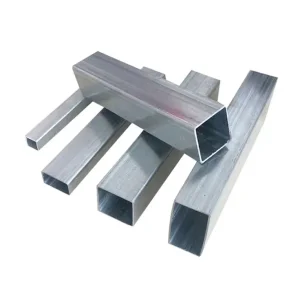
Wholesale China Suppliers Factory Pre-Galvanized Square Steel Tube 20*20 SHS RHS Zinc Coated Rectangular Hollow Section Manufacturers, Supplier
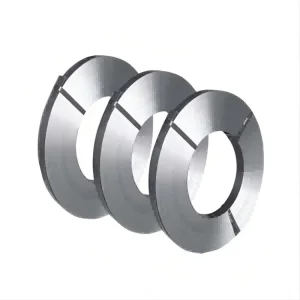
High-Quality 0.23mm CRGO Grain Oriented Electrical Silicon Steel Coil for Transformer - Quality Products from China Suppliers and Factory Manufacturer, Factory
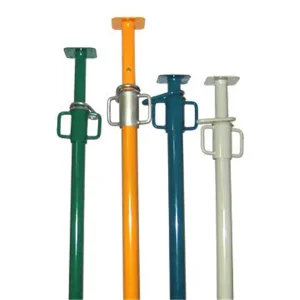
High-Quality China Suppliers Factory Heavy Duty Telescopic Scaffold Support Adjustable Steel Props for Construction Manufacturers, Suppliers
Wholesale China ZM AZM Alloy Coated Steel Sheet Suppliers - 275g Zinc Aluminum Magnesium Factory Product for Solar Mounting Manufacturers, Factories
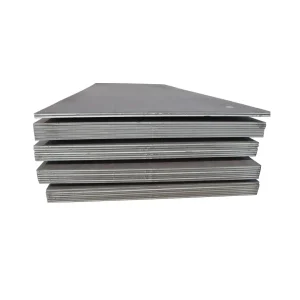
High-Quality China Suppliers Hot Rolled Carbon Steel Plates Q235 Q195 Q345 ST S355 from Factory - High Quality Steel Strips Manufacturers, Suppliers

High-Quality High Zinc Hot-Dip Galvanized Steel Pipes from China Suppliers | Greenhouse & Agricultural Applications Factory Manufacturer, Suppliers
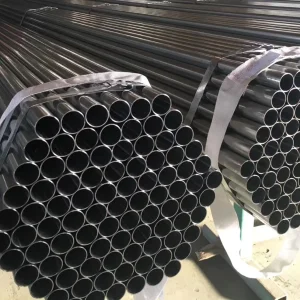
High-Quality High Quality ERW Iron Tube & Carbon Steel Pipe Factory in China - Reliable Suppliers of ASTM A106 Sch 40 Manufacturer, Manufacturers
