
Featured Industrial Coils & Primary Steel Products (Part I)
Direct factory inventory and custom metallurgical solutions manufactured under ISO 9001 and international quality frameworks.
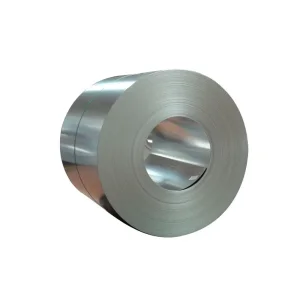
High-Quality Customized Hot Dipped Zinc Coated GI Sheet - ASTM A653 DX51D Z275 from Reliable China Suppliers and Factory Suppliers, Factories
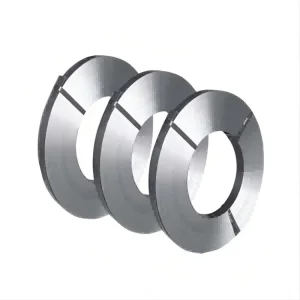
High-Quality 0.23mm CRGO Grain Oriented Electrical Silicon Steel Coil for Transformer - Quality Products from China Suppliers and Factory Manufacturer, Factory

Wholesale China Suppliers Factory Slip on Plate Flanges for Carbon Steel and Stainless Steel - Flat Plain Welding Blind Flange Supplier, Suppliers
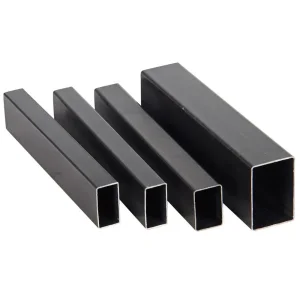
Wholesale China Square Tubing Suppliers - 50x50mm 4x4 Metal Pipe Factory for Durable Steel Fence Posts Manufacturer, Factory
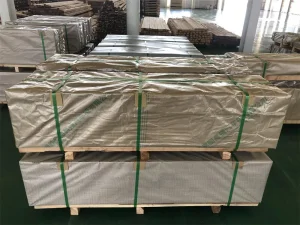
High-Quality China Electro-Galvanized Steel Plate SECC/SECD/SECE 20/20 Coating - Reliable Suppliers and Factory Solutions Manufacturer, Factory
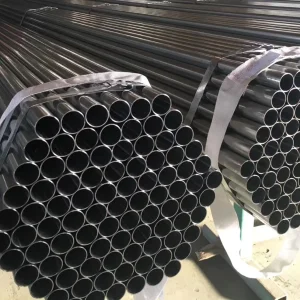
Wholesale High Quality ASTM A106 Sch 40 ERW Steel Pipe from China Suppliers - Factory Direct Sale Manufacturers, Supplier
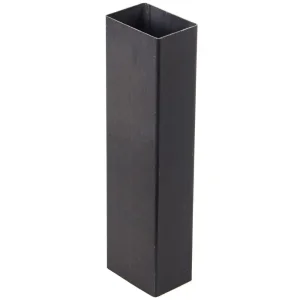
High-Quality High-Quality Square Tube Suppliers in China - Factory Direct Hollow Structural Sections Supplier, Factories
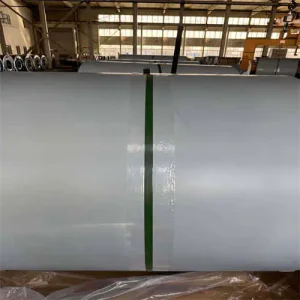
Wholesale SECC ELECTRICAL GALVANIZED STEEL COILS FOR DOOR GATE Supplier, Factory
Global Commercial Landscape & Industrial Demand Analysis
Macroeconomic trends driving continuous hot-dip galvanizing technology, decarbonization imperatives, and strategic global supply chain re-alignment.
The global steel market is experiencing a structural transition, with Hot Dipped Galvanized Steel Coils (HDGI) serving as the cornerstone for modern infrastructure resilience, automotive manufacturing, renewable energy expansion, and civil engineering. As industrial sectors face accelerating demands for structural longevity and atmospheric corrosion protection, procurement executives and structural engineers must look beyond commodity-level sourcing to evaluate high-precision metallurgical standards, coating weight uniformity, and supply chain auditability.
Hot dip galvanizing provides superior cathodic protection by forming a metallurgical bond between the zinc coating and the underlying carbon steel substrate. Through the formation of iron-zinc alloy layers (Gamma, Delta, and Zeta phases topped by the pure Eta zinc layer), HDGI coils exhibit unmatched mechanical durability against mechanical abrasion, environmental degradation, and chemical oxidation compared to electro-galvanized or painted steel alternatives.
Continuous Galvanizing Line (CGL) Technical Process & Quality Metrics
A deep breakdown of the thermal, chemical, and physical transformation steps inside state-of-the-art continuous galvanizing mills.
1. Electrolytic Degreasing & Cleaning
Cold rolled coil substrates undergo alkaline dip washing, electrolytic cleaning, and multi-stage water rinsing to completely eliminate residual rolling oils, iron fines, and surface oxides, ensuring 100% surface wettability prior to annealing.
2. Continuous Annealing & Reduction
The strip passes through a vertical radiant tube furnace under a protective hydrogen-nitrogen reducing atmosphere (H2-N2). Temperatures reach 750°C to 850°C, restoring ductility and microstructural grain orientation while reducing remaining surface oxides.
3. Molten Zinc Pot Immersion
The strip enters the zinc pot at ~460°C containing liquid zinc alloyed with 0.15%-0.20% Aluminum. Aluminum controls the intermetallic iron-zinc reaction, forming a thin Fe-Al-Zn inhibition layer that ensures optimal coating adhesion during severe bending and drawing.
4. Precision Air Knife Gauging
High-pressure nitrogen or air knives strip off excess liquid zinc immediately as the coil exits the bath. Automated closed-loop X-ray gauge sensors adjust air pressure and nozzle positioning dynamically to maintain tight coating mass tolerances across the entire coil width.
International Material Standard Mapping & Coating Specifications
Cross-reference table aligning North American, European, Chinese, and Japanese steel standards for procurement verification.
| Standard | Commercial Grade | Forming / Structural Grade | Deep Drawing Grade | Coating Designation (g/m²) | Surface Finish Options |
|---|---|---|---|---|---|
| ASTM A653 / A653M | CS Type A / B / C | SS Grade 33 / 40 / 50 / 80 | DDS / EDDS | G30, G60, G90, G115, G140, G210 | Zero Spangle, Regular Spangle, Minimized |
| EN 10346 | DX51D+Z | S220GD+Z to S550GD+Z | DX53D+Z / DX54D+Z | Z100, Z140, Z200, Z275, Z350, Z600 | Normal (N), Minimized (M), Chromated (C) |
| JIS G3302 | SGCC | SGC340 to SGC570 | SGCD1 / SGCD2 / SGCD3 | Z08, Z12, Z18, Z22, Z27, Z35, Z45, Z60 | Regular (F), Zero (Z), Skin-Passed (S) |
| GB/T 2518 | DX51D+Z / Q195 | Q235+Z / Q345+Z | DX53D+Z / DX56D+Z | Z40, Z80, Z120, Z180, Z275, Z450 | Passivated, Oiled, Anti-Fingerprint (AFP) |
Macro Industry Solutions & Engineering Scenarios
Tailored metallurgical properties designed to withstand aggressive operating environments across diverse global industries.
Solar Photovoltaic Mounting Systems
Heavy zinc-coated coils (Z275-Z600) and Zinc-Aluminum-Magnesium (ZM) alloys provide 25+ years of maintenance-free service in harsh desert, coastal, and agricultural environments. High yield strength structural grades (S350GD, S550GD) permit roll-forming into lightweight C/U purlins with high torsional rigidity.
HVAC, Refrigeration & Appliance Panels
Skin-passed extra-smooth zero-spangle HDGI coils (DX52D, DX53D) treated with trivalent chromium-free passivation and anti-fingerprint coating (AFP) offer superior drawability for refrigerator side panels, air conditioner casings, and unpainted ducting networks.
Automotive Body Stamping & Structural Parts
Advanced high-strength galvanized steel (DP590, DP780, Galvannealed ZF) engineered for automotive OEM unibody structures, door reinforcements, and underbody crossmembers requiring dual-phase crash energy absorption combined with electro-coat corrosion protection.
Building Construction & Decking Systems
ASTM A653 CS and SS Grade 50 galvanized coils slit into continuous strip for floor decking profiles, composite slab formwork, studs, track systems, and heavy-duty corrugated roof sheets engineered to withstand high wind uplift loads.
Quality Assurance, Inspection Protocol & Global Compliance
Rigorous lab testing, mill test certificates (EN 10204 3.1), and customs clearance documentation backing every bulk shipment.
To guarantee complete reliability and zero-defect delivery for international importers, our mill partners execute strict multi-tier quality assurance protocols at every stage of the manufacturing cycle. From molten steel chemistry ladle analysis to final seaworthy coil packaging, all parameters are verified against international standards.
Mechanical & Tensile Testing
Destructive tensile testing, yield strength verification (ReH/Rp0.2), elongation percentage measuring (A50mm), and n-value / r-value determination for deep drawing grades performed on computerized universal testing machines.
Coating Weight & Salt Spray Test
Triple-spot weigh-strip-weigh testing (ISO 1460 / ASTM A90) verifies exact zinc mass per square meter. Accelerated neutral salt spray testing (ASTM B117) simulates 1,000+ hours of extreme salt fog exposure to validate white and red rust resistance.
Adhesion & Bending Validation
180-degree bend tests (0T to 3T bending) and ball impact test procedures confirm zero flaking, peeling, or micro-cracking of the zinc layer under extreme plastic deformation conditions.
Seaworthy Logistics & Packaging
Coils are enclosed in waterproof anti-rust paper, wrapped in protective inner and outer steel sleeve guards, secured with radial/circumferential high-tensile steel straps, and mounted on heavy wooden pallets suitable for long-distance containerized or breakbulk ocean freight.
Technology Roadmap & Future Metallurgy Outlook (2025–2035)
Next-generation developments in green steel production, advanced ternary alloy coatings, and AI-driven process controls.
Zinc-Aluminum-Magnesium (ZM) Transition
Rapid industry migration from standard GI (pure Zn) toward ternary ZM alloy coatings (Zn-3% Al-3% Mg). ZM coatings deliver self-healing cut-edge protection and up to 4x higher corrosion resistance, allowing thinner coating weights to match traditional heavy-galvanized lifespans.
Green Hydrogen Substrate Manufacturing
Decarbonization of primary steelmaking via Hydrogen Direct Reduced Iron (H-DRI) and Electric Arc Furnaces (EAF). Coated coil supply chains will require validated Carbon Footprint Certificates (CBAM compliant) showing reduced Scope 1 and Scope 2 CO2 emissions per ton of HDGI.
AI Closed-Loop Coating Control & Digital Twin
Implementation of real-time AI optical sensor networks and digital twin simulations inside continuous galvanizing pots. Real-time dynamic adjustments of air knife pressures and furnace temperatures ensure sub-micron coating uniformity at line speeds exceeding 200 m/min.
Frequently Asked Questions (Purchasing & Technical Insights)
Expert answers addressing common procurement questions regarding zinc coating thickness, spangle selection, anti-corrosion life, and wholesale factory terms.
What is the difference between regular spangle, minimized spangle, and zero spangle HDGI coils?
Spangle formation occurs during the solidification of molten zinc on the steel substrate. Regular spangle displays visible dendritic zinc crystals created during uninhibited cooling. Minimized spangle reduces crystal growth via forced cooling or mist quenching. Zero spangle is achieved by strictly controlling the lead (Pb) and antimony content in the zinc bath (keeping Pb < 0.003%) combined with rapid cooling. Zero spangle is required for high-aesthetic applications, automotive stamping, and post-painting (PPGI) to prevent crystal patterns from showing through paint layers.
How do I convert between zinc coating weight (g/m²) and zinc thickness (microns)?
Because zinc has a density of approximately 7.14 g/cm³, a total double-side coating weight of 100 g/m² (Z100) equals approximately 50 g/m² per side. Dividing 50 g/m² by 7.14 gives a single-side zinc layer thickness of approximately 7 microns (μm). For example, a Z275 (G90) coating provides roughly 20 microns (0.020mm) of protective zinc per side (total 40 microns across both surfaces).
What surface passivations are recommended to prevent wet storage stain (white rust)?
During ocean transport or humid storage, moisture condensation can induce rapid white rust formation (zinc hydroxide). To prevent this, HDGI coils can be specified with Trivalent Chromium Passivation (Cr3+), Environmentally Friendly Chromate-Free Passivation (RoHS compliant), Light Oiling (1,000-2,000 mg/m²), or Anti-Fingerprint (AFP) acrylic sealing. Chromate-free passivation combined with light oiling offers optimal protection for export maritime transit.
Can hot-dipped galvanized steel coil be welded without degrading corrosion protection?
Yes, HDGI can be spot-welded, seam-welded, or arc-welded using modified parameters. Because zinc has a lower melting point (419°C) than steel (1500°C), welding volatilizes zinc around the heat-affected zone (HAZ). To restore complete cathodic protection, the welded joint area must be thoroughly wire-brushed and coated with a zinc-rich cold galvanizing compound (minimum 92% metallic zinc dry film) matching standard ISO 1461 repair practices.
What minimum order quantities (MOQ) and lead times apply to custom mill production?
Standard factory production runs require a minimum order quantity (MOQ) of 25 metric tons (one 20ft container load) per spec/thickness. For standard dimensions (e.g., 0.5mm x 1219mm Z275 DX51D), stock coils are available for immediate shipment. Custom metallurgical heats, special widths, or high-tensile structural grades generally carry a manufacturing lead time of 15 to 25 calendar days from order confirmation.
Extended Catalog & Special Alloy Coils (Part II)
Explore specialized coated coils, aluminized substrates, galvalume sheets, structural pipes, and industrial fasteners.

Wholesale Zinc Iron Alloy DC51D Dx51D ZF60 ZF275 Galvannealed Steel Coil from China Suppliers and Factory Factory, Factories
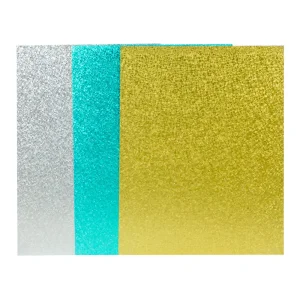
High-Quality China Suppliers Factory Galvalume Aluzinc Zinc Aluminum Coating Roofing Sheets for Durable Wall and Roof Panels Manufacturer, Supplier
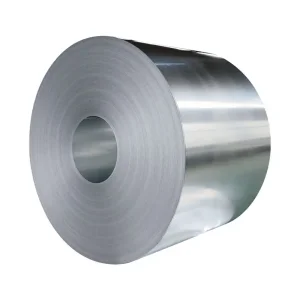
High-Quality DX53D DX54D Aluminized Silicon Coating Coils for Bread Pans & Burger Bunt trays | China Suppliers Factory Manufacturer, Supplier
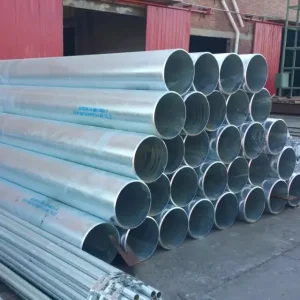
Wholesale High Strength Spiral Steel Pipe A53 A106GR.B - China Suppliers and Factory for Pressure Resistance Solutions Factory, Factories
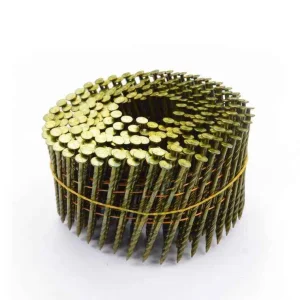
High-Quality High Precision 15° Coil Nails with Copper Plated Wire - China Suppliers & Factory for Wood & Furniture Manufacturer, Factories

Wholesale High Zinc Hot-Dip Galvanized Steel Pipes from China Suppliers | Durable Greenhouse & Agricultural Steel Pipes Factory Manufacturers, Factories
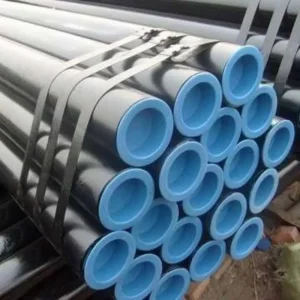
Wholesale Astm Carbon Steel Seamless Steel Pipe For Construction Seamless Tube Seamless Pipe Manufacturer, Suppliers

High-Quality China Suppliers ZM AZM Alloy Coating Steel Sheet - 275g Zn Al Mg Coated Steel for Solar Mounting Structure Factory Suppliers, Factory
Partner with Leading Hot Dipped Galvanized Steel Coils Manufacturers
Request technical data sheets, order samples, verify mill test reports, or receive real-time FOB/CIF pricing for bulk mill orders directly from verified production facilities.