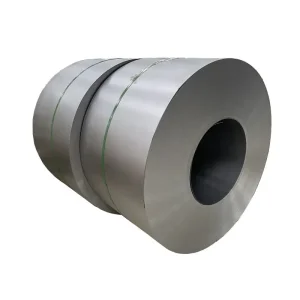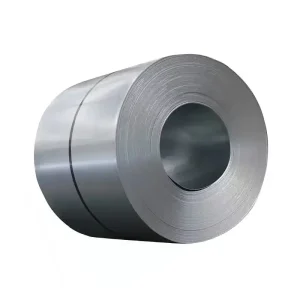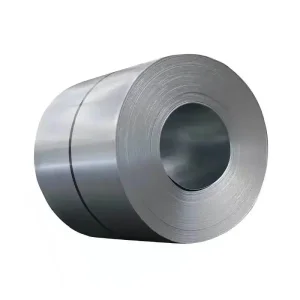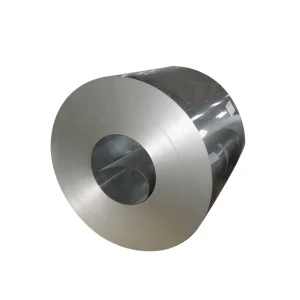
Primary Coated Steel & Structural Supply Portfolio
Explore our flagship mill-direct zinc-aluminum coated sheets, galvanized coils, structural tubing, and precision steel elements manufactured for severe atmospheric and industrial exposure.
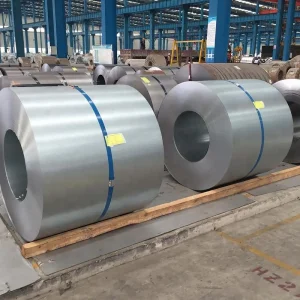
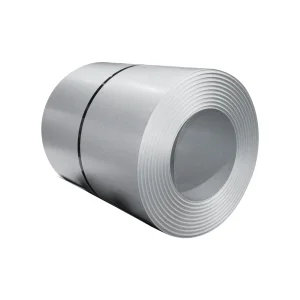
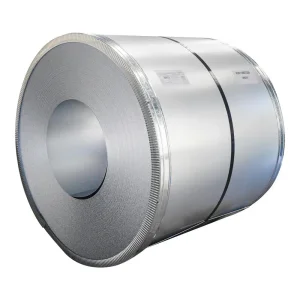
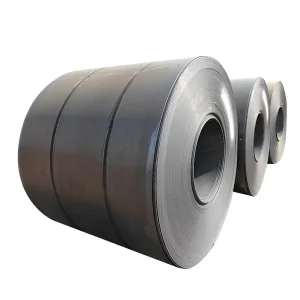
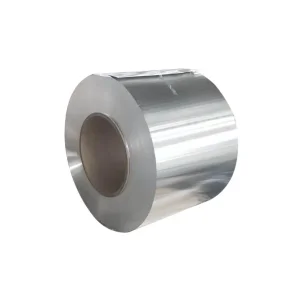
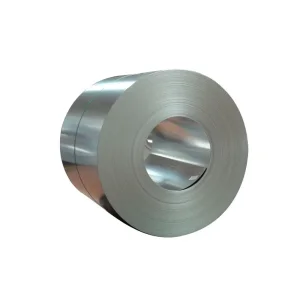
Macro Industry Landscape: The Paradigm Shift to Advanced Zinc-Aluminum Alloys
The global steel substrate protection industry is undergoing a monumental technological transition. For over a century, traditional hot-dip galvanizing (GI) provided the benchmark for sacrificial corrosion protection using standard zinc coatings. However, modern environmental challenges—ranging from aggressive maritime atmospheres and severe industrial sulfur dioxide (SO₂) pollution to hyper-saline agricultural environments—have exposed the thermal, physical, and chemical limits of pure zinc coatings.
In response, industrial metallurgical engineering has evolved toward multi-element ternary and binary metallic alloy coatings. Leading this revolution is the Zinc-Aluminum (Zn-Al) and Zinc-Aluminum-Magnesium (Zn-Al-Mg / ZAM) alloy coating family. By integrating aluminum (typically 55% in Galvalume/Aluzinc or 5%-11% in specialized Super-Zinc formulations) alongside micro-alloyed magnesium, steel manufacturers deliver an exponential increase in lifespan, superior barrier protection, and unmatched cost efficiency.
According to structural engineering data, atmospheric degradation costs global industrial infrastructure over $2.5 trillion annually. Global procurement departments, original equipment manufacturers (OEMs), and Engineering, Procurement, and Construction (EPC) contractors no longer evaluate steel sheets strictly on upfront mill pricing. Instead, total lifecycle cost analysis (LCCA), environmental carbon footprint reduction, and raw material durability dictate material specification. Premium zinc aluminum coating sheets represent the technical sweet spot—offering reduced coating weight (grams per square meter) while extending structural service life past 30 to 50 years without maintenance.
Metallurgical Engineering: Microstructure & Self-Healing Mechanics
A granular look at the phase transformation, binary/ternary eutectic structures, and passivating film chemistry that empower zinc-aluminum alloy sheets.
Dendritic Passivation Layer
Upon thermal solidification during the continuous hot-dip process, the 55% Al-Zn alloy forms a microscopic dendritic structure. Rich aluminum dendrites solidify first, forming a solid barrier matrix, while zinc-rich interdendritic regions provide sacrificial galvanic protection.
Self-Healing Cut-Edge Dynamic
When zinc aluminum sheets are sheared, punched, or scratched, exposing the bare steel core, zinc and magnesium ions migrate across the exposed cut edge. They react with moisture and CO₂ to generate a dense, insoluble passivating film composed of Simonkolleite [Zn₅(OH)₈Cl₂·H₂O] and Hydrozincite.
High-Temperature Thermal Reflectivity
The high aluminum concentration grants the coated surface exceptional heat resistance. Zinc aluminum sheets reflect over 70% to 75% of solar infrared radiation, reducing building HVAC energy loads and maintaining mechanical integrity up to 315°C (600°F) without discoloration.
Benchmarked Metallurgy: Comparative Coating Performance Matrix
To assist procurement engineers and quality assurance directors in selecting the proper substrate, the table below provides benchmarked salt spray test metrics, structural hardness, and atmospheric suitability across standard industrial metallic coatings.
| Coating Technology Type | Nominal Chemical Composition | Neutral Salt Spray (ASTM B117) | Surface Hardness (HV) | Cut-Edge Corrosion Resistance | Primary Industrial Exposure Class |
|---|---|---|---|---|---|
| Standard Galvanized (GI) | 99% Zn, < 0.5% Al | 240 – 480 Hours | 60 – 80 HV | Moderate (Rapid Red Rust) | C1 - C2 (Indoor / Mild Rural) |
| Galfan (ZA) | 95% Zn, 5% Al, Trace RE | 720 – 1,200 Hours | 90 – 110 HV | Good (Zinc Sacrificial) | C3 (Urban / Light Industrial) |
| Galvalume / Aluzinc (GL) | 55% Al, 43.4% Zn, 1.6% Si | 1,500 – 3,000 Hours | 120 – 150 HV | Very Good (Dendritic Shield) | C4 (Industrial / Coastal) |
| Zinc-Aluminum-Magnesium (ZAM) | 84-91% Zn, 6-11% Al, 3% Mg | 3,000 – 5,000+ Hours | 160 – 210 HV | Exceptional (Self-Healing Eutectic) | C5 - CX (Severe Marine / Chemical) |
Localized Application Scenarios & Macro Solutions
From utility-scale solar farms to harsh coastal infrastructure, zinc aluminum coated sheets deliver custom mechanical and chemical protection tailored to regional environmental stress factors.
Solar PV Mounting Structures (Ground & Offshore)
Utility-scale solar power plants located in desert, agricultural, or coastal environments demand structural racking systems that endure 25+ year design lives without maintenance. Zinc aluminum magnesium (ZAM) sheets eliminate the need for post-fabrication hot-dip galvanizing of purlins and mounting C/U channels, dramatically lowering EPC capital expenditure.
Severe Livestock & Agricultural Facilities
Poultry housing, dairy barns, and fertilizer storage silos present extremely hostile atmospheric conditions driven by high concentration organic ammonia (NH₃), hydrogen sulfide (H₂S), and elevated relative humidity. Traditional zinc sheets degrade rapidly, whereas zinc aluminum sheets retain structural integrity and passivity under acidic agricultural exposures.
Automotive Chassis, Underbody & HVAC Ducting
Vehicle structural members, battery pack housings for Electric Vehicles (EVs), and commercial building HVAC ducting require intense deep-drawing, stamping, and roll-forming processes. High surface micro-hardness (up to 200 HV) and superior ductility prevent micro-cracking and flaking during tight radius bends.
Global Compliance Standards & Technical Quality Assurance
Purchasing prime steel coils and sheets requires rigorous adherence to international quality management systems and precise chemical/mechanical testing protocols. As a certified tier-1 supplier and manufacturing factory, our steel processing lines operate under strict ISO 9001, ISO 14001, and ISO 45001 management frameworks.
International Standard Specifications Matrix
Our zinc aluminum coating sheet production complies directly with world-class engineering standards. Every consignment is dispatched with authentic EN 10204 3.1 / 3.2 Mill Test Certificates (MTC) outlining heat batch chemistry, yield strength, tensile elongation, and coating mass verification.
- ASTM A792 / A792M: Standard Specification for Steel Sheet, 55% Aluminum-Zinc Alloy-Coated by the Hot-Dip Process (Grades 33, 37, 40, 50, and High-Strength G550).
- EN 10346: Continuously hot-dip coated steel flat products for cold forming - Technical delivery conditions (DX51D+AZ, DX52D+AZ, S250GD+AZ to S550GD+AZ).
- JIS G 3321: Hot-dip 55% Aluminum-Zinc alloy-coated steel sheet and strip (SGLCC, SGLCD, SGLCH).
- GB/T 14978: Continuously hot-dip aluminum-zinc alloy coated steel sheet and strip.
- ISO 9223 / ISO 12944: Corrosion of metals and alloys — Corrosivity of atmospheres and protective paint systems.
Comprehensive Quality Control & Factory Laboratory Testing
To eliminate defects and guarantee compliance prior to sea-freight packaging, each mill production batch undergoes six mandatory quality control checks in our state-of-the-art testing facility:
- Coating Mass XRF Testing: Precision X-ray fluorescence gauges verify top and bottom coating weights (e.g., AZ90, AZ150, ZM275) down to ±1.5 g/m².
- T-Bend & Impact Ductility Test: 0T to 2T bend testing verifies that the metallic coating does not suffer micro-fissures or peeling during aggressive profile roll-forming.
- Cross-Hatch Adhesion Test: Ensures zero delamination between the chemical passivation film, anti-fingerprint oil layer, and metallic alloy matrix.
- Spectrometric Chemical Analysis: Optical emission spectrometry (OES) guarantees exact elemental percentages of Al, Zn, Mg, Si, and micro-alloying elements.
- Mechanical Tensile & Yield Testing: Verifies yield point, ultimate tensile strength (UTS), and strain hardening exponents (n-value) for drawing grades.
- Continuous Salt Spray Chamber (ASTM B117): Accelerated environmental degradation testing to monitor passivating film stability over hundreds of continuous hours.
Technology Roadmap: Next-Gen Coating Engineering (2025–2035)
Strategic developments in sustainable steel processing, AI closed-loop coating lines, and green energy decarbonization initiatives.
Zero-Chromate Environmentally Friendly Passivation
Transitions toward 100% hexavalent-chromium-free (RoHS and REACH compliant) organic/inorganic hybrid passivation treatments. These nano-titanium and silane-based coatings deliver exceptional anti-fingerprint properties, low electrical resistance, and superior paint adhesion without hazardous heavy metals.
AI-Powered Closed-Loop Gas Knife Control
Integration of real-time machine vision, ultrasonic distance sensing, and high-frequency dynamic nitrogen gas knives. AI algorithms adjust gas pressure and knife gap within milliseconds, maintaining coating thickness uniformity across the entire coil width at speeds exceeding 200 meters per minute.
Hydrogen-Based Green Annealing & Decarbonization
Decarbonizing the continuous galvanizing line (CGL) through 100% green hydrogen direct-reduction pre-heating furnaces. This engineering shift reduces Scope 1 and Scope 2 carbon emissions by up to 60%, supporting the global steel industry's carbon-neutral supply chain targets.
Technical Q&A / Frequently Asked Questions
Expert technical responses to crucial procurement, metallurgical, and fabrication questions regarding zinc aluminum coating sheets.
What is the primary technical difference between Galvalume (55% Al-Zn) and Zinc-Aluminum-Magnesium (ZAM)?
Galvalume contains 55% Aluminum, 43.4% Zinc, and 1.6% Silicon. It excels in general atmospheric heat reflectivity and uniform flat-surface barrier protection. ZAM (Zinc-Aluminum-Magnesium), on the other hand, contains 1% to 11% Aluminum and 1% to 3% Magnesium. The addition of magnesium forms a highly stable ternary eutectic microstructure (Zn + Al + Mg₂Zn) that provides unmatched self-healing cut-edge corrosion protection and superior chemical resistance in high-alkaline/ammonia environments.
How do zinc aluminum coated sheets perform during welding and mechanical jointing?
Zinc aluminum sheets exhibit excellent spot welding, resistance welding, and laser welding characteristics. Because the melting point of the 55% Al-Zn coating (approx. 570°C–600°C) is slightly higher than pure zinc (419°C), electrode tip wear during resistance spot welding is lower. For fusion welding, appropriate ventilation or fume extraction is required, and zinc-rich touch-up spray should be applied to affected heat-affected zones (HAZ) to maintain continuity of sacrificial protection.
Can zinc aluminum sheets be post-painted or powder coated without pre-treatment?
While zinc aluminum sheets can be directly painted if supplied with an acrylic or anti-fingerprint (AFP) chemical treatment, optimal long-term paint adhesion requires proper surface degreasing and an alkaline cleaner or phosphate/silane conversion coating. Once properly pre-treated, pre-painted galvalume (PPGL) or pre-painted ZAM sheets provide twice the paint-delamination resistance of pre-painted galvanized steel (PPGI).
How do I select the proper coating mass designation (e.g., AZ90 vs AZ150 vs ZM275)?
Coating mass selection depends directly on the ISO 9223 atmospheric corrosivity category of the installation site. For moderate interior or urban applications (C1-C2), AZ70 to AZ90 (90 g/m² total double-sided) is sufficient. For heavy industrial, coastal, or structural solar racking applications (C3-C4), AZ150 to AZ180 is recommended. For severe marine, chemical plant, or livestock environments (C5-CX), specify ZM275 to ZM310 zinc-aluminum-magnesium coatings.
What measures are taken to prevent white rust and transit storage stain during ocean export?
Coils and cut-to-length sheets are treated with eco-friendly passivation oil or dry anti-fingerprint acrylic films. Packaging involves heavy-duty waterproof VCI (Vapor Corrosion Inhibitor) paper, internal plastic lining, galvanized steel edge protectors, outer steel metal jackets, and radial/circumferential steel strapping mounted on wooden skids suited for containerized or break-bulk ocean freight.
What is the typical manufacturing lead time and minimum order quantity (MOQ) for factory direct orders?
Standard production lead times range from 15 to 25 days depending on standard width (e.g., 914mm, 1000mm, 1220mm, 1250mm) and coating mass. Minimum order quantities typically start at 25 Metric Tons (one full 20ft container load), with custom slit widths and small trial quantities negotiable based on raw material coil availability.
Secondary Coated Steel & Specialized Industrial Products
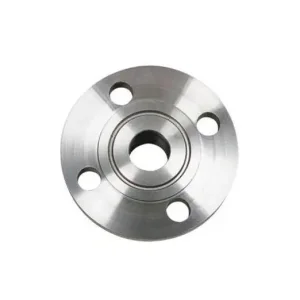
Complete your structural and manufacturing procurement with our extended mill catalog, including specialized silicon steel, cold-rolled sheets, custom flanges, and hardware fasteners.