Macro Industrial Solutions: Hot-Dipped Galvanized (GI) Roofing Sheets in Modern Infrastructure
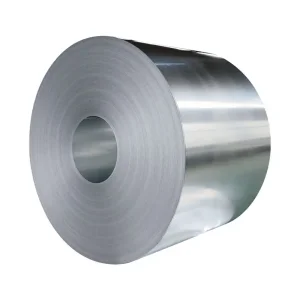
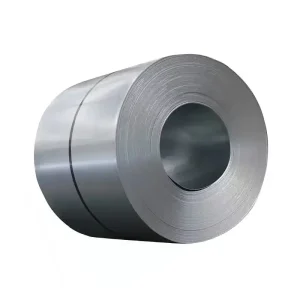
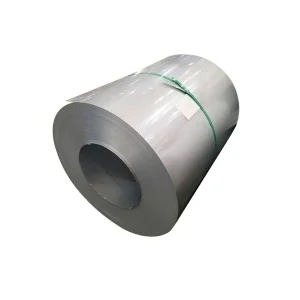
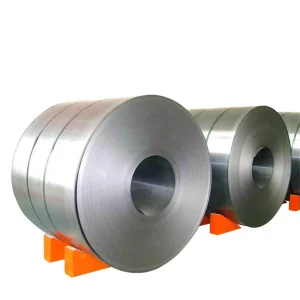
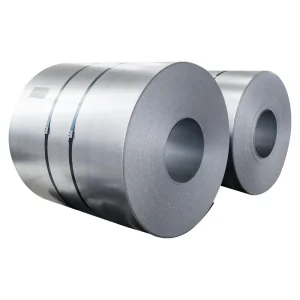
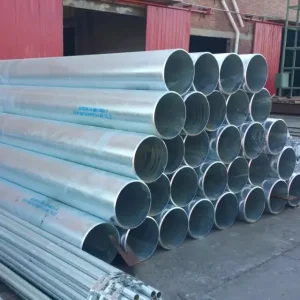
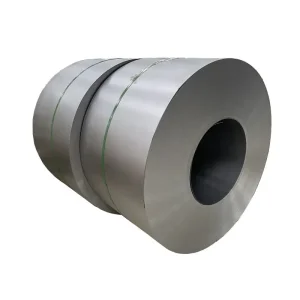
Galvanized Iron (GI) roofing sheets represent one of the most critical structural components in modern civil engineering, industrial plant construction, and agricultural envelope systems. Produced by passing continuous cold-rolled carbon steel coils through a bath of molten zinc at temperatures ranging between 450°C and 460°C, GI sheets form a metallurgical bond consisting of complex zinc-iron intermetallic alloy layers (Gamma, Delta, Zeta) topped by a pure zinc outer layer (Eta). This metallurgical barrier provides dual-action protection: physical shielding against moisture and oxygen, and sacrificial galvanic protection where zinc acts as an anode to protect exposed steel edges or scratches.
In high-performance building envelopes, choosing the correct GI sheet for roofing suppliers & factories requires an intimate understanding of atmospheric corrosivity classifications (ISO 9223). From benign rural environments (C1/C2) demanding minimal zinc coating mass (Z100-Z180) to aggressive marine or industrial environments (C4/C5) requiring heavy galvanizing (Z275-Z600) or post-painted duplex systems, structural engineers must match mechanical yield strength, surface passivation, and coating thickness to the specific microclimate of the deployment site.
Sacrificial Protection
The zinc coating sacrifices itself preferentially over the underlying steel substrate. Even when damaged during roll-forming or field cutting, galvanic action prevents sub-film rust migration.
Structural Tensile Integrity
Available in structural steel grades ranging from commercial quality (DX51D) to high-yield structural grades (S280GD through S550GD), engineered for long-span purlin spacing and snow-load resistance.
Thermal & SRI Efficiency
High Solar Reflectance Index (SRI) surfaces significantly reduce thermal absorption in tropical regions, lowering HVAC cooling loads in large-scale logistics warehouses and factory plants.
Technical Specifications & Engineering Matrix for Roofing GI Sheets
Purchasing agents and structural engineers must navigate strict chemical composition and mechanical property standards to avoid premature degradation, spangle flaking, or tension splitting during roll-forming. Below is the technical compliance matrix for hot-dipped galvanized roofing sheets manufactured by tier-1 China suppliers and global mills.
| Parameter / Standard | ASTM A653 / A653M | EN 10346 (European) | JIS G3302 (Japanese) | AS 1397 (Australian) |
|---|---|---|---|---|
| Steel Grade Equivalent | CS Type A/B, SS Grade 33 to 80 | DX51D+Z, DX52D+Z, S280GD-S550GD | SGCC, SGCH, SGC340 to SGC570 | G250, G300, G550 |
| Zinc Coating Weight (g/m²) | G30 (90g) to G210 (600g) | Z100 (100g) to Z600 (600g) | Z08 (80g) to Z60 (600g) | Z100 to Z600 |
| Spangle Morphology | Zero Spangle / Regular / Minimized | Normal (N) / Minimized (M) | Regular Spangle / Zero Spangle | Regular / Zero Spangle |
| Surface Passivation | Chromated (C), Oiled (O), Dry (D) | Chemical Passivation (C), Sealed (E) | Chromate Free (NC), Chromated (C) | Passivated / Anti-Fingerprint (AFP) |
| Thickness Range (mm) | 0.12 mm – 2.0 mm | 0.12 mm – 2.0 mm | 0.12 mm – 2.0 mm | 0.12 mm – 1.6 mm |
| Typical Applications | Corrugated Sheets, Standing Seam | Industrial Roofing, Sandwich Panels | Residential Metal Tiles, Decking | High-Wind Cyclonic Roof Profiles |
Global Commercial Landscape: Comparative Sourcing (GI vs. GL vs. ZAM)
When selecting roofing sheets from international suppliers and OEM factories, procurement directors must evaluate the trade-offs between classic Hot-Dipped Galvanized Iron (GI), Galvalume (GL: 55% Al, 43.4% Zn, 1.6% Si), and advanced Zinc-Aluminum-Magnesium (ZAM) alloy coatings.
Hot-Dipped GI Sheets
Cost-to-Benefit Ratio: Highest worldwide adoption due to exceptional alkaline resistance, ease of field welding, superior cut-edge galvanic healing, and lower initial procurement expenditure for large industrial warehouses.
Galvalume (GL) Sheets
High Thermal Endurance: Superior heat barrier up to 315°C and higher resistance in neutral atmospheric conditions. However, GL is vulnerable to highly alkaline environments (e.g., livestock housing with high ammonia levels).
Zinc-Aluminum-Magnesium (ZAM)
Next-Gen Corrosion Barrier: Magnesite-based protective film forms at cut edges, offering 5x to 10x the corrosion resistance of standard GI. Recommended for extreme coastal or severe chemical processing plants.
Total Cost of Ownership (TCO) & Life Cycle Assessment
A rigorous Life Cycle Assessment (LCA) demonstrates that investing in high-grade GI sheets with adequate zinc coating mass (e.g., Z275 / G90) reduces roof envelope maintenance cycles by up to 65% over a 30-year operational span. In contrast, under-specifying zinc mass (e.g., Z60) in humid tropical coastal zones leads to red rust corrosion within 3 to 5 years, incurring heavy disruption, structural purlin degradation, and costly building re-roofing projects.
Factory-Level Quality Assurance & International Compliance Protocols
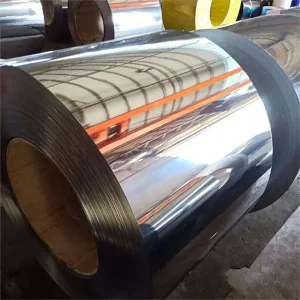
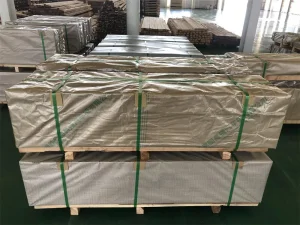
Tier-1 China manufacturers and suppliers operate rigorous Quality Management Systems (QMS) aligned with ISO 9001, ISO 14001, and ISO 45001. Every coil batch destined for roofing applications undergoes exhaustive non-destructive and destructive testing prior to export bundling.
Salt Spray Fog Testing (ISO 9227)
Continuous neutral salt spray (NSS) testing for 500 to 1500+ hours validates that zinc coating weight and chromate passivation layers withstand severe maritime and industrial conditions without white rust formation.
T-Bend & Adhesion Test (ISO 17132)
0T to 2T bend tests ensure that the intermetallic Fe-Zn layer maintains maximum ductility without cracking, peeling, or micro-fracturing during high-speed roll forming into trapezoidal or corrugated profiles.
EN 10204 3.1 Mill Test Certificates
Full traceability is guaranteed through independent MTC documentation detailing chemical heat analysis (C, Mn, P, S, Si, Al), mechanical tensile strength, yield points, elongation %, and measured zinc mass per m².
Localized Application Scenarios & Engineering Field Practices
Roofing GI sheets must be specified according to localized environmental stresses and structural requirements. Below are the standard localized configurations engineered for regional global projects:
- Coastal & Island Microclimates (High Salinity): Requires minimum Z275 zinc coating combined with post-painted polyurethane or PVDF organic topcoats (Duplex Coating System) to combat airborne sodium chloride aerosol deposition.
- Agricultural & Livestock Structures (High Ammonia & Moisture): High animal densities generate elevated levels of ammonia gas and vapor. Hot-dipped GI sheets with anti-fingerprint resin sealing or thick chromate passivation prevent severe interior roof condensation corrosion.
- High-Altitude & High-Wind Zones (Cyclonic & Snow Loading): Structural steel substrates such as S350GD, S550GD, or ASTM Grade 80 offer yield strengths up to 550 MPa. These high-tensile corrugated profiles allow longer purlin spans while resisting severe uplift wind dynamics and heavy snow loads without permanent deformation.
- Urban Commercial & Architectural Standing Seam Roofs: Deep-drawing quality GI sheets (DX52D / DX53D) allow tight double-lock standing seam fabrication without seam splitting, guaranteeing 100% watertight structural envelopes for airports, stadiums, and shopping malls.
Technology Roadmap (2025–2035): Green Steel & Smart Metallic Coatings
The global steel industry is undergoing a historic decarbonization transformation. Leading GI sheet factories and coated coil manufacturers in China are pioneering eco-friendly production technologies to support global Net-Zero carbon mandates:
Hydrogen-DRI Substrates
Transitioning from blast furnace (BF-BOF) steelmaking to Direct Reduced Iron (DRI) powered by green hydrogen reduces embodied carbon footprints by up to 75% per ton of GI coil produced.
Chromate-Free Eco Passivation
100% compliance with EU RoHS and REACH regulations through advanced titanium-zirconium and organic silane passivation formulations that eliminate hexavalent chromium (Cr6+) completely.
BIPV Solar Integration
Development of ultra-flat, high-adhesion GI substrates optimized for Direct-Bonded Building-Integrated Photovoltaic (BIPV) solar flexible membranes, turning factory roofs into clean energy powerhouses.