
Primary Export Product Categories
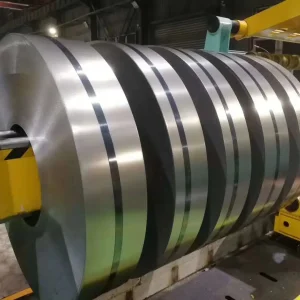
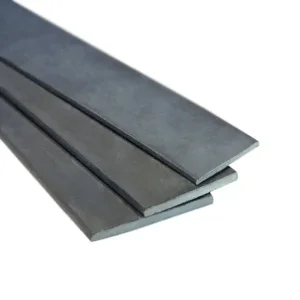
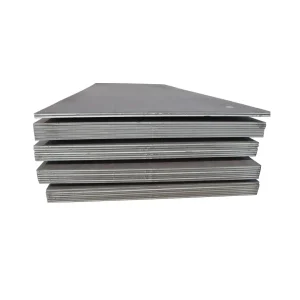
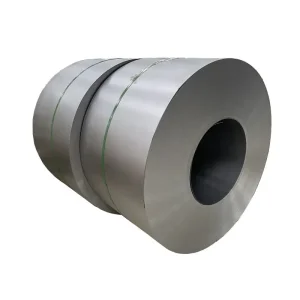
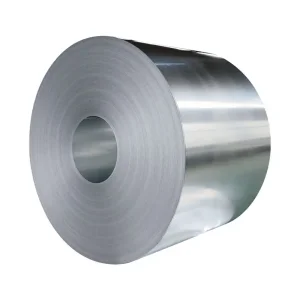
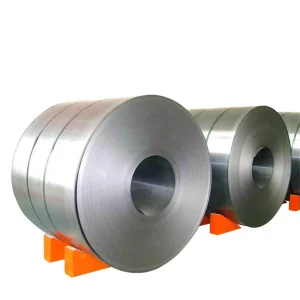
Factory-direct structural steel, electrical coils, and specialized galvanized profiles tested for heavy-industrial applications.
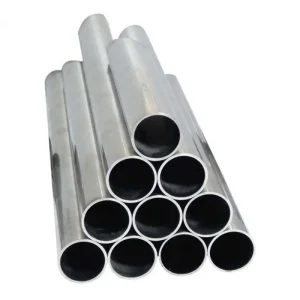
1. Evolutionary Trends in Galvanized Rectangular Steel Tubing
Analyzing the global transition from black carbon structural sections to high-performance zinc-coated hollow sections (RHS/SHS) in modern civil engineering and smart infrastructure.
In the contemporary structural engineering landscape, the preference for galvanized rectangle tubes (Rectangular Hollow Sections - RHS) has accelerated rapidly. Historically, structural frameworks relied heavily on open hot-rolled profiles such as I-beams, channels, and equal angles. However, global architectural and civil design standards have shifted toward closed structural hollow sections due to their superior torsional stiffness, aesthetic minimal footprint, optimal strength-to-weight ratio, and drag coefficient reduction in exposed environments.
The imperative for long-term structural resilience without recurring maintenance overheads has established galvanized rectangle tubes as a foundational requirement in modern construction. According to recent industrial metallurgy studies, bare carbon steel exposed to coastal or industrial atmospheric conditions (corrosivity categories C3 to C5 as per ISO 12944) suffers linear wall-thickness degradation at rates between 25 to 80 microns per year. Hot-dip galvanizing creates an electrochemical, sacrificial barrier that suppresses iron oxidation for upwards of 50 years.
Decarbonization & LCC Efficiency
Global EPC contractors now evaluate structural materials using Life Cycle Cost (LCC) models. Pre-galvanized and hot-dip galvanized rectangle tubes eliminate field-painting labor, solvent VOC emissions, and structural degradation downtime, reducing 30-year operational costs by up to 64% compared to painted black steel.
High-Yield Metallurgy Shifts
The market is migrating from standard mild carbon steels (Q195/Q235, S235JRH) toward high-yield structural grades such as S355J2H, S460NH, and ASTM A500 Grade C/D. High-strength galvanized rectangle tubes allow structural engineers to reduce overall steel mass while retaining load-bearing capacities.
Modular & Offsite Construction Integration
Prefabricated volumetric construction and modular structural pods require dimensional stability, tight corner radius tolerances, and immediate weldability/fastening capability upon jobsite delivery—qualities inherently supplied by precision-rolled galvanized rectangular sections.
2. Global Enterprise Procurement Requirements
Mapping purchasing criteria across steel stocking distributors, EPC infrastructure contractors, and OEM machinery fabricators.
Steel Stockists & Importers
Primary Driver: Inventory velocity, multi-standard compliance (ASTM, EN, AS/NZS, JIS), bundles with uniform piecing, and zero white rust upon ocean transit arrival.
- Passivated & lightly oiled surface protection against humidity.
- Hexagonal or square seaworthy steel-strapped bundling.
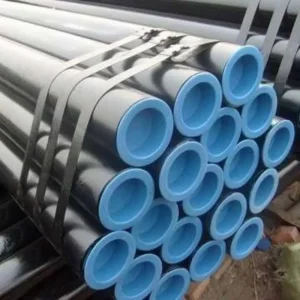
- Color-coded end-caps and clear heat-number stenciling.
- Consolidated mixed-container loading capability.
EPC Infrastructure & Solar Developers
Primary Driver: Traceable EN 10204 3.1 Mill Test Certificates, high zinc mass (e.g., Z450 - Z600 / HDG 85 microns), straightness tolerances, and fatigue resistance.
- Heavy HDG coating conforming to ASTM A123 / ISO 1461.
- Guaranteed Charpy V-Notch impact testing at -20°C / -40°C.
- Pre-punched slotting and custom length cutting options.
- Full traceability from billet chemistry to final hydro-test.
OEM Industrial Equipment & Automotive Fabricators
Primary Driver: Micro-geometric precision, minimal internal weld seam flash height, cold-forming ductility, and coating adhesion during bending/stamping.
- Internal weld bead scarfed flush (≤0.2mm residual seam).
- Tight outer dimension and corner radius control (ASTM A500).
- Electro-galvanized (SECC/SECD) or zero-spangle GI options.
- Consistent tensile and yield stress ratio for automated bending.
3. China Factory 4.0: Metallurgical Precision & Supply Resilience
How advanced high-frequency induction welding (HFW), continuous zinc pot automation, and digital supply chain monitoring provide global buyers with unmatched quality stability.
Automated High-Frequency ERW & Forming Sizing
Modern Chinese steel mills utilize automated continuous coil slitting, high-frequency electric resistance welding (HFW at 350-500 kHz), and multi-stand cold-forming rolls. Solid-state induction welding creates a localized forge weld without filler metal, preserving structural homogeny. Automated sensor arrays monitor squeezing pressure, temperature, and line speed in real-time, preventing micro-voids, cold welds, or localized brittleness.
Automated Hot-Dip Zinc Coating Control
In hot-dip galvanizing lines, molten zinc bath temperatures are controlled at exactly 445°C–455°C using ceramic immersion heaters and automated closed-loop systems. Air-knife nitrogen wiping technology accurately meters the zinc coating thickness across the four exterior flat faces and corners of the rectangular profile. This guarantees precise zinc adhesion without sagging, dripping, or micro-pinholes, ensuring consistency down to the millimeter.
Factory 4.0 Process Control Matrix
- Raw Material Traceability: Sourced directly from tier-1 state-owned steel plants (e.g., Baosteel, Shougang) with verified chemical ladle analysis (low C, P, and S levels for superior weldability).
- Online Eddy Current Testing (ECT): Integrated directly into the pipe mill line to continuously scan 100% of the longitudinal weld seam for internal and surface defects.
- Automatic Seam Zinc-Restoration: For pre-galvanized rectangle tubes, the external weld seam is metal-sprayed online with atomized zinc wire immediately after welding and scarfed, matching the surrounding galvanization level.
- Integrated Port Logistics: Located in major port clusters (Tianjin, Qingdao, Shanghai), ensuring rapid vessel loading, containerized moisture-proof stuffing, and reduced inland freight overheads.
4. Technical Specifications & Metallurgical Phases
Understanding the zinc-iron alloy reaction layers, international manufacturing standards, and mechanical tolerance frameworks.
The Galvanizing Reaction: Microstructural Phases
When clean carbon steel enters the molten zinc bath during the hot-dip galvanizing process, a series of metallurgical reactions take place, producing distinct zinc-iron alloy layers bonded atomically to the steel substrate:
- Eta (η) Layer: 100% pure outer zinc layer (soft, ductile, absorbs mechanical impact).
- Zeta (ζ) Layer: 94% Zn, 6% Fe (columnar crystal growth, harder than the base steel).
- Delta (δ) Layer: 90% Zn, 10% Fe (compact layer providing severe corrosion resistance).
- Gamma (γ) Layer: 75% Zn, 25% Fe (thin metallic inner boundary layer bonded directly to steel).
This multi-layered structure is superior to simple painted coatings because it possesses higher mechanical abrasion resistance than structural steel itself.
Global Manufacturing Standard Compliance
Our galvanized rectangle tubes are manufactured, inspected, and certified to meet or exceed major global structural standards:
- ASTM A500 Grade A/B/C/D: Standard specification for cold-formed welded structural carbon steel tubing in round, square, and rectangular shapes.
- EN 10219-1/2: European standard for cold-formed welded structural hollow sections of non-alloy and fine-grain steels (S235JRH, S275J0H, S355J2H).
- JIS G3466: Japanese industrial standard for carbon steel square and rectangular tubes for general building structures (STKR400, STKR490).
- AS/NZS 1163: Australian standard for structural steel hollow sections (C250L0, C350L0, C450L0).
5. Localized Industrial & Infrastructure Applications
How galvanized rectangle tubing solves engineering challenges across diverse geographical climates and specialized industry sectors.
Solar Photovoltaic Trackers & Mounting Racks
Deployed extensively in desert and utility-scale solar farms. High-torsion rectangular sections (e.g., 100x50mm, 120x60mm) support heavy solar panel arrays subjected to extreme wind uplift forces, sand abrasion, and diurnal thermal cycles. Heavy hot-dip galvanizing (≥80μm) prevents corrosion in high-salinity soils.
Commercial Greenhouse Framing & Agri-Tech
Used in high-humidity agricultural environments exposing framing to synthetic fertilizers, soil moisture, and pesticides. Pre-galvanized and high-zinc hot-dip rectangular tubes provide structural rigidity for multi-span glass and polycarbonate greenhouses without corroding or dripping rust onto crops.
High-Rise Architectural Curtain Wall Sub-Frames
Functions as hidden load-bearing vertical mullions and horizontal transoms behind modern glass and aluminum building facades. Precision flat surfaces allow seamless mechanical anchoring, wind-load dissipation, and seismic displacement compensation.
6. Mill Quality Assurance & Testing Protocols
Adhering to rigorous E-E-A-T principles with full technical transparency, mill certifications, and third-party lab verification.
Factory Laboratory Testing Suite
Every mill production batch undergoes mandatory physical, metallurgical, and chemical testing prior to issuing the EN 10204 3.1 Mill Test Certificate:
- Spectrometric Chemical Analysis: Verifies Carbon, Manganese, Silicon, Phosphorus, and Sulfur content to guarantee weldability carbon equivalence (CEV).
- Universal Tensile & Yield Testing: Confirms tensile strength (Rm), yield point (ReH), and elongation percentage (δ) per ISO 6892-1.
- Hydrostatic & Eddy Current Non-Destructive Testing: Ensures zero micro-cracks or seam porosity under pressure.
- Zinc Coating Mass Measurement: Magnetic gauge thickness checks (ISO 2178) and gravimetric stripping tests (ISO 1460) to confirm g/m² zinc weight.
- Salt Spray Corrosion Chamber Testing: Accelerated ISO 9227 neutral salt spray testing (NSS) exceeding 500 to 1,000 hours without red rust initiation.
Third-Party Inspection & Export Compliance
We work seamlessly with independent global inspection agencies to validate quality before container loading or vessel dispatch:
- Nominated Inspection: Full authorization for SGS, BV (Bureau Veritas), Intertek, or TÜV inspectors to enter facilities for sampling, dimensional audits, and loading supervision.
- Traceability & Marking: Continuous ink-jet stenciling along the tube length detailing Manufacturer Name, Standard, Grade, Dimension, Heat Number, and Batch Code.
- Documentation Suite: Provision of Commercial Invoice, Detailed Packing List, Bill of Lading, Certificate of Origin (Form E, Form F, CO), Mill Test Certificate EN 10204 3.1, and REACH/RoHS environmental declarations.
7. Frequently Asked Questions (FAQ)
Expert answers to common engineering, procurement, and metallurgical questions regarding galvanized rectangle tubing.
Hot-Dip Galvanized (HDG) Rectangle Tubes are formed from bare black steel tubes and dipped into a molten zinc bath (~450°C) after welding. This coats both the exterior and interior surfaces completely, forming zinc-iron alloy layers with a heavy coating mass ranging from 300g/m² to over 600g/m² (45 to 85+ microns), making them essential for outdoor structural, solar, and marine applications.
- Outer Dimensions: ±0.75% for large dimensions or ±0.5mm for small profiles.
- Wall Thickness: ±10% of nominal thickness (tight tolerances down to ±5% available upon request).
- Corner Radius (C1/C2): Standard 1.5T to 3.0T depending on wall thickness and grade ductility.
- Straightness: 0.2% of total length (≤2mm per meter).
- Squareness of Sides: 90° ±1°.
- Small/Medium Sections: 20x10mm up to 100x50mm (Wall thickness: 0.8mm - 4.0mm).
- Heavy Structural Sections: 120x60mm up to 400x200mm, 500x300mm (Wall thickness: 3.0mm - 16.0mm).
- Custom Lengths: Standard stock 5.8m, 6.0m, 11.8m, 12.0m, or cut-to-length project dimensions up to 18 meters.
Complementary Steel & Coated Flat Products
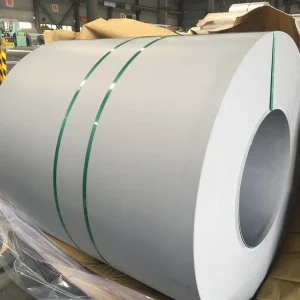
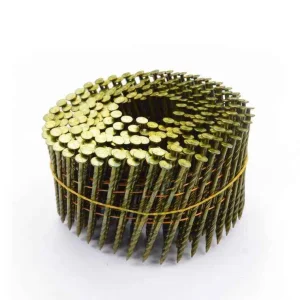
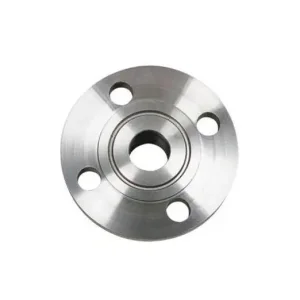
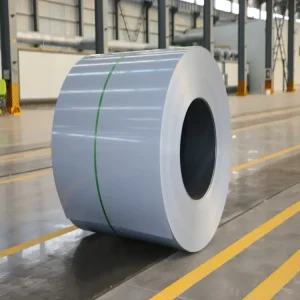
Factory-direct supply for structural engineering, electrical transformer manufacturing, and industrial hardware.
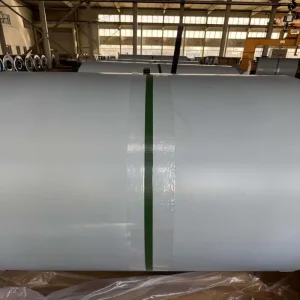
Streamline Your Global Galvanized Steel Supply Chain
Request a direct mill quote, technical data sheet (TDS), or custom dimension capability analysis from our senior metallurgical engineering team today.