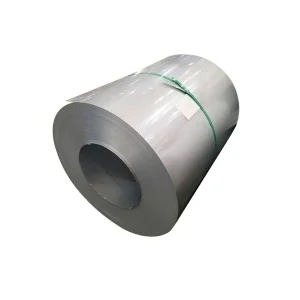
Featured Electrical & Galvanized Steel Products (Part I)
Direct factory inventory and engineered coil solutions from certified Tianjin production lines.
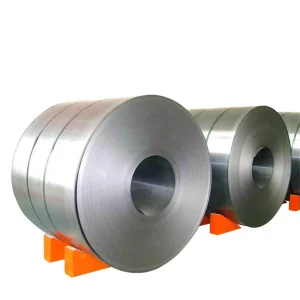
Wholesale High Strength Cold Rolled Steel Sheets for Extra Deep Drawing Quality
Wholesale High Strength Cold Rolled Steel Sheets Extra Deep Drawing - China Factory
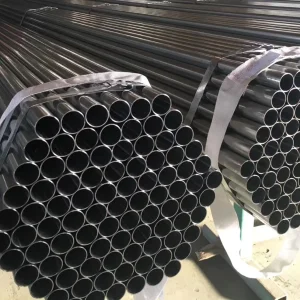
Wholesale High-Quality ASTM A106 Sch 40 ERW Iron Tube - Durable Carbon Steel Pipe
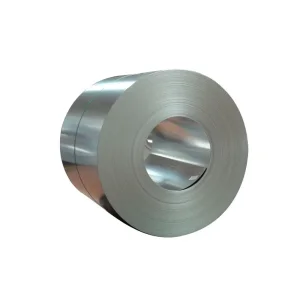
High-Quality Customized Spangle Hot Dipped Zinc Coated Galvanized Steel Coils ASTM A653 DX51D Z275
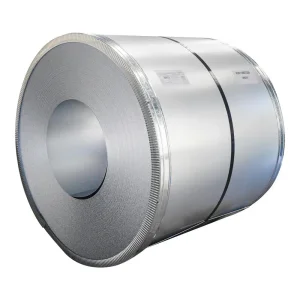
Wholesale ZM AZM Coated Steel Sheet 275g Zinc Aluminum Magnesium Alloy for Solar Mounts
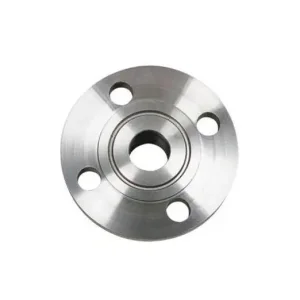
High-Quality Slip on Plate Flanges for Flat Plain Welding in Carbon & Stainless Steel
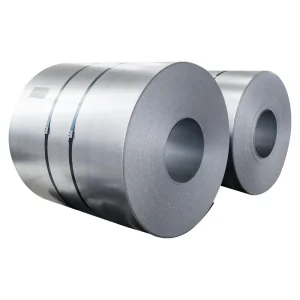
Wholesale Galvannealed Steel Coil DC51D DX51D ZF60 ZF275 Zinc Iron Alloy Coating
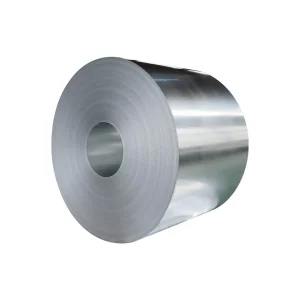
High-Quality DX53D DX54D Aluminized Silicon Coating Coils for Industrial Trays & Pans
Global Commercial & Industrial Landscape of Electrical GI Coils
An authoritative analysis of shifting demand, technical specifications, and international supply chain evolution.
In contemporary industrial manufacturing, electrical galvanized iron (GI) coils—encompassing hot-dip galvanized steel, electro-galvanized sheets, galvannealed (zinc-iron alloy) coils, and specialized non-grain-oriented silicon steel—serve as the foundational backbone for global electrical infrastructure, power distribution networks, smart grid equipment, home appliance manufacturing, and renewable energy installations. As global electrification accelerates driven by grid modernization, EV charging infrastructure, solar PV power stations, and energy-efficient HVAC equipment, global procurement managers and structural engineers face stringent performance demands for coil raw materials.
The term "Electrical GI Coil" spans two crucial industrial sub-categories: high-corrosion-resistant galvanized iron coils engineered for electrical enclosures, cable management, and switchgear cabinets; and soft magnetic electrical steel (CRNGO/CRGO) coils coated with dielectric insulating layers utilized for motor cores, transformers, and electromagnetic shielding. Both sectors require exceptional dimensional accuracy, zero-defect surface quality, tightly controlled zinc-iron metallurgy, and consistent magnetic/mechanical properties.
Information Gain Insight: Modern electrical infrastructure projects require GI coils to achieve a minimum 25-to-50-year service life under atmospheric corrosion categories C3 to C5 (ISO 12944). Leading Chinese factories are responding by substituting traditional pure zinc (Z) coatings with advanced Zinc-Aluminum-Magnesium (ZM/AZM) and Galvannealed (ZF) alloys, delivering up to 500% higher salt-spray corrosion resistance at equivalent coating mass.
Power & Grid Infrastructure
Electrical GI coils are critical for high-voltage transformer housings, distribution boxes, modular substations, and cable tray raceways where structural rigidity and electrical grounding continuity are paramount.
Renewable Energy Systems
Solar PV mounting frames, inverter enclosures, and wind turbine control cabinets demand ZM/AZM and heavy-zinc (Z275/Z600) GI coils capable of resisting micro-climatic humidity and UV degradation.
OEM Appliance & Automotive
Extra Deep Drawing (EDD) quality cold-rolled and galvannealed steel coils (DC51D+ZF, DC53D+ZF) allow complex stamping for HVAC motors, compressor shells, and automotive electrical bracketry.
China Factory Efficiency & Technological Superiority
How integrated steel mills and state-of-the-art galvanizing lines in Tianjin create unmatched value for global buyers.
China's steel manufacturing sector has undergone a profound technological transformation, shifting from sheer volume output to precision engineering, automated quality control, and metallurgical innovation. Production hubs like Tianjin host fully integrated supply chain ecosystems that connect raw liquid iron refining directly with Continuous Galvanizing Lines (CGL) and precision coil slitting facilities.
When procurement managers source electrical GI coils from tier-1 Chinese manufacturers like Step Million Steel (SMSTEEL), they leverage significant structural advantages:
- Continuous Air-Knife & XRF Gauge Control: Automated online X-ray fluorescence (XRF) sensors continuously measure zinc layer thickness across the coil width, dynamically adjusting air-knife pressure to ensure uniform coating tolerances within ±3g/m².
- Skin-Pass & Tension Leveling: High-precision skin-pass mills eliminate yield point elongation (stretcher strain) and impart specified surface finishes—ranging from bright regular spangle to zero-spangle extra-smooth surface suitable for direct electrostatic powder painting.
- Scale Economy & Lead-Time Efficiency: Running 8 high-frequency welded pipe and continuous coil processing lines with 100,000 metric tons of monthly capacity enables 14-day production turnaround times for custom steel orders.
Key Mill Competencies & Equipment Standards
Benchmark metrics from SMSTEEL's 66,700 m² Tianjin Manufacturing Base:
Technical Metallurgy & Steel Grade Selection Matrix
A rigorous engineering standard comparison for steel buyers, structural designers, and electrical equipment OEMs.
Selecting the correct coil grade and coating mass is critical to preventing premature fatigue, salt-spray corrosion, or core magnetic losses. Below is an engineering comparison matrix detailing standard international steel specifications for electrical GI and silicon coils supplied by Chinese manufacturing centers.
| Category | Standard & Grade | Coating / Alloy Specification | Mechanical / Magnetic Property | Primary Industrial Application |
|---|---|---|---|---|
| Hot-Dip GI Coil | ASTM A653 / DX51D+Z | Z60 – Z275 g/m² Pure Zinc | Tensile: 270–500 MPa; Yield: 140–300 MPa | Electrical Enclosures, Cable Trays, Ducting |
| Galvannealed (Zinc-Iron) | EN 10346 / DC51D+ZF | ZF60 – ZF275 (8-12% Fe Alloy) | Superior Weldability, Paint Adhesion | Switchgear Cabinets, Appliance Housings |
| Zinc-Alu-Magnesium | ASTM A1046 / ZM275 | Zn-Al-Mg (3% Mg, 11% Al) | Self-Healing Cut-Edge Corrosion Protection | Solar Mounting Frames, Outdoor Substations |
| Extra Deep Drawing (EDD) | DC53D / DC54D + Z/ZF | Z100 – Z200 / Smooth Spangle | Elongation ≥ 38%; High Drawability | Compressor Shells, Deep Drawn Electric Pans |
| Electrical Silicon Steel | IEC 60404 / CRNGO (M310-M800) | Non-Oriented Silicon Steel + C5 Insulation | Core Loss: 3.1–8.0 W/kg (at 1.5T, 50Hz) | Electric Motors, Alternators, Generators |
Localized Application Scenarios & Real-World Use Cases
How specialized GI coils perform across demanding operational environments around the globe.
1. NEMA & IP Rated Electrical Cabinets
In municipal and industrial electrical power distribution, switchgear enclosures require strict structural flat tolerances and zero surface imperfections. Galvannealed DC51D+ZF coils provide an ultra-smooth zinc-iron intermetallic surface ideal for high-adhesion powder coating that resists chemical fumes and coastal humidity.
2. Heavy-Duty Cable Tray Raceways
Commercial data centers and oil refineries utilize roll-formed perforated cable trays made from Z275 continuous hot-dip GI coils. High zinc coating mass ensures self-sacrificing galvanic protection across punched edges, preventing red rust formation under heavy electrical wire loads.
3. Extreme Climate PV Solar Mounting
For desert solar farms and offshore floating solar platforms, traditional GI coils are replaced with ZM275 Zinc-Aluminum-Magnesium alloy sheets. The addition of magnesium forms a dense, tightly adhering simonkolleite protective film that self-heals cut edges, doubling maintenance-free service life.
Future Trends & Technological Innovations in GI Coils
Navigating the next decade of decarbonized steelmaking, high-dielectric coatings, and intelligent supply chains.
1. Green Steel & Low-Carbon Galvanizing
With global carbon border adjustment mechanisms (such as EU CBAM) taking effect, Chinese steel mills are rapidly transitioning to Electric Arc Furnace (EAF) steelmaking powered by renewable energy and hydrogen-reduced direct iron (DRI). Low-carbon GI coils dramatically lower Scope 3 embedded carbon footprints for global OEMs.
2. Advanced Nanocomposite Insulating Coatings
In electrical CRNGO and high-end GI applications, traditional chromate passivations are replaced by organic-inorganic nanocomposite thin films (such as C5/C6 insulating layers). These coatings provide superior inter-laminar electrical resistance, heat resistance during annealing, and zero hazardous substance emissions (RoHS & REACH compliant).
Global Procurement Strategy & Risk Mitigation for Importers
A practical checklist for international buyers sourcing high-volume GI coils from China.
Purchasing steel coils internationally involves managing risks related to maritime transport moisture, dimensional tolerances, and mill documentation. To guarantee seamless delivery and compliance, global buyers should enforce the following four procurement criteria:
Mill Test Certificates
Insist on EN 10204 3.1 Mill Test Certificates verifying chemical heat analysis (C, Si, Mn, P, S), yield/tensile strength, elongation, and exact zinc coating weight test results.
Seaworthy VCI Packaging
Coils must be wrapped in Vapor Corrosion Inhibitor (VCI) anti-rust paper, sealed with heavy-duty galvanized outer steel caps, side rings, and mounted on wooden skids with steel eye-strapping.
Dimensional Tolerances
Specify gauge tolerances according to EN 10143 or ASTM A924. Standard commercial tolerance (±0.05mm) may be insufficient for high-speed automated stamping lines requiring precision tolerance (±0.02mm).
Third-Party Inspection
Engage independent inspection agencies (SGS, Intertek, TÜV) prior to port loading to perform visual surface checks, zinc layer thickness micrometer tests, and container lashing audits.
Frequently Asked Questions (FAQ) - Technical & Sourcing
Expert answers to common technical queries submitted by electrical engineers and purchasing managers.
What is the difference between Hot-Dip Galvanized (GI) and Electro-Galvanized (EG) steel coils in electrical applications?
How does Galvannealed (ZF/GA) steel differ from standard Galvanized (Z/GI) steel?
Which GI coil coating weight is recommended for outdoor electrical enclosures in coastal areas?
Can electrical non-grain-oriented silicon steel (CRNGO) be substituted with standard GI coil?
What surface treatment / passivation options are available to prevent white rust during ocean transit?
What is the typical minimum order quantity (MOQ) and lead time for custom GI coil orders?
Featured Electrical & Galvanized Steel Products (Part II)
Explore specialized roofing sheets, structural tubes, silicon steel, and stainless steel coil series.
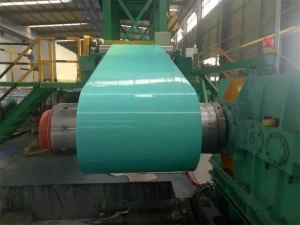
High-Quality China PPGI PPGL Galvanized Metal Roofing Sheets Suppliers - G550 Steel Plate
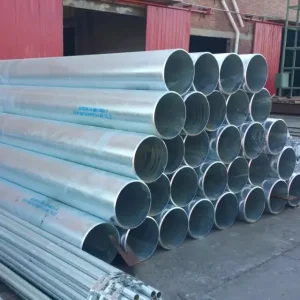
High-Quality High Strength A53 A106GR.B Spiral Steel Pipe - China Factory Supplier
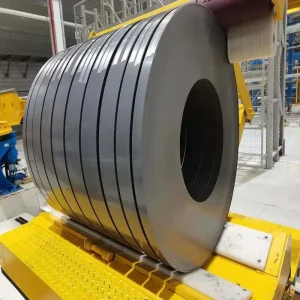
Wholesale China Silicon Steel Coil (CRNGO) - High-Quality Suppliers for Soft Magnetic Alloys
Wholesale Zinc Iron Alloy Galvannealed Steel Coil DC51D ZF60 ZF275 - China Factory
Wholesale Galvalume Aluzinc Zinc Aluminum Coating Roofing Sheets Corrugated House Roof Panels
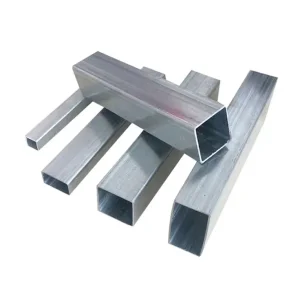
High-Quality Pre-Galvanized Steel Tube 20*20 SHS RHS - Zinc Coated Hollow Sections
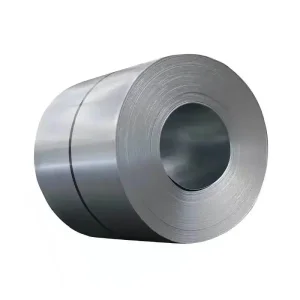
Wholesale Non-Grain Oriented Silicon Steel Coils M310 M350 M470 M600 M800 for Motors & Transformers