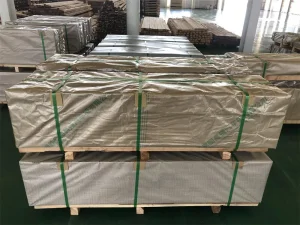
Mill-Direct Galvanized Steel Product Solutions
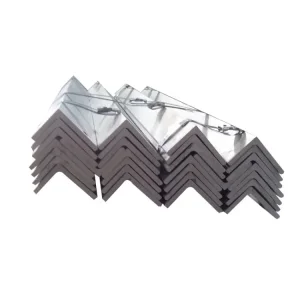
Explore our premium grade continuous galvanized steel coils, alloy plates, and structural section tubes manufactured strictly to international EN, ASTM, JIS, and GB standards.

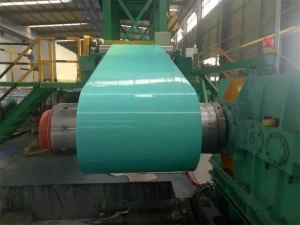
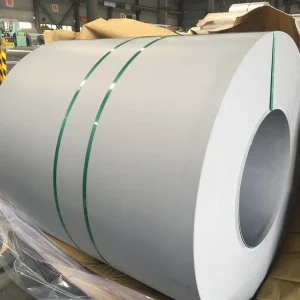

DX51D GI Coils: Metallurgical Fundamentals & Process Control
An authoritative analysis of continuous hot-dip galvanized steel strip chemistry, phase transformation dynamics, and mechanical performance metrics.
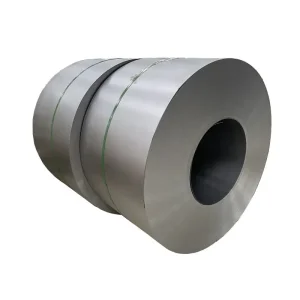
In modern industrial manufacturing and civil infrastructure engineering, DX51D Galvanized Steel (GI) Coils represent the quintessential benchmark for cold-formable, corrosion-resistant metallic substrates. Governed primarily by European Standard EN 10346 (which supersedes EN 10142), the alphanumeric designation carries precise metallurgical definitions:
- D: Denotes flat products designed specifically for cold forming and bending applications.
- X: Signifies that the underlying steel substrate's base chemical state is unalloyed low-carbon steel, hot-rolled or cold-rolled under controlled thermal profiles.
- 51: Represents the steel grade sequence number indicating a base structural steel intended for lock-forming, light drawing, and bending quality.
- D: Confirms the assignment to hot-dip coating process application (Hot-Dip Galvanized / GI).
The manufacturing process at our state-of-the-art facility utilizes continuous hot-dip galvanizing lines (CGL). Cold-rolled full hard (CRFH) coils pass through an inline continuous annealing furnace operating at temperatures between 750°C and 850°C under a nitrogen-hydrogen (N2-H2) reducing atmosphere. This thermal cycle recrystallizes the steel grain structure while completely purging surface oxides, preparing an pristine atomically active surface before dipping into a molten zinc bath maintained at a precise 450°C to 460°C operating window.
Intermetallic Fe-Zn Layer Formation
During immersion in molten zinc, mutual diffusion between iron atoms in the steel substrate and molten zinc forms micro-thin intermetallic phases (Gamma, Delta, Zeta). Our process controls aluminum additions (0.15%–0.20% Al) in the zinc bath to form a temporary micro-layer of Fe2Al5, suppressing fragile Fe-Zn phase growth and delivering superior coating adhesion during deep lock-forming.
Controlled Air-Knife Gas Wiping
Upon exiting the zinc bath, high-velocity nitrogen or air knives precisely control liquid coating mass across the strip width. Automated closed-loop X-ray thickness gauges continuously measure mass, enabling tight tolerances across coating weights ranging from light Z40 (40 g/m²) up to extra-heavy structural Z600 (600 g/m² combined both sides).
Skin-Pass & Tension Leveling
Post-galvanizing, the steel strip undergoes a four-high skin-pass mill reduction (0.5%–1.5%) followed by tension leveling. This critical mechanical treatment eliminates yield point elongation (stretcher strain marks), smooths surface topography, and ensures absolute flatness required for high-speed automated roll-forming and pre-painting lines.
Chemical Composition & Mechanical Performance Standard
Comprehensive standard cross-reference, elemental limits, and physical properties for DX51D galvanized steel coils under EN 10346, ASTM A653, and JIS G3302.
To provide complete technical transparency for international procurement officers and structural engineers, the chemical composition of DX51D is formulated to optimize ductility while maintaining high mechanical reliability. Below is the official chemical analysis and mechanical property threshold table:
| Steel Grade Standard | C (Max %) | Si (Max %) | Mn (Max %) | P (Max %) | S (Max %) | Yield Strength (MPa) | Tensile Strength (MPa) | Elongation A50 (Min %) |
|---|---|---|---|---|---|---|---|---|
| EN 10346 DX51D+Z | 0.12 | 0.50 | 0.60 | 0.10 | 0.045 | 140 – 300 | 270 – 500 | ≥ 22 |
| ASTM A653 CS Type A/B | 0.10 | – | 0.50 | 0.020 | 0.030 | 170 – 310 | ≥ 310 | ≥ 20 |
| JIS G3302 SGCC | 0.15 | 0.05 | 0.80 | 0.040 | 0.040 | 140 – 300 | 270 – 500 | ≥ 20 |
| GB/T 2518 DX51D+Z | 0.12 | 0.50 | 0.60 | 0.035 | 0.035 | 140 – 300 | 270 – 500 | ≥ 22 |
Spangle Morphology & Surface Finish Options
Depending on the downstream application (e.g., exposed HVAC ducting versus automotive painted panels), our continuous production line offers three distinct spangle crystallization structures:
1. Regular Spangle (Normal Spangle)
Formed by unrestrained growth of zinc crystals during natural cooling. Features visible snowflake-like aesthetic patterns. Ideal for unpainted outdoor roofing, structural purlins, and standard agricultural framing.
2. Minimized Spangle (Small Spangle)
Controlled cooling using water-atomized spray or lead-free zinc melt restricts crystal domain size. Produces a uniform, semi-smooth surface that is highly suitable for painting and basic aesthetic enclosures.
3. Zero Spangle (Extra Smooth / Suppressed)
Produced using ultra-pure zinc melts (>99.995% Zn) combined with immediate inline skin-pass rolling. Yields a satin-smooth finish designed specifically for PPGI color coating substrate lines and home appliance panels.
Macro Industry Drivers & Supply Chain Resilience
Addressing the shifting landscape of global steel trade, CBAM compliance, total cost of ownership (TCO), and localized risk mitigation strategies.
CBAM & Carbon Neutral Traceability
With the implementation of the European Union’s Carbon Border Adjustment Mechanism (CBAM), procurement managers must track Scope 1, 2, and 3 carbon emissions. Our mill integrates clean energy scrap recycling and electric arc furnace (EAF) blending options, delivering certified low-carbon GI coils with complete embedded emissions reporting.
Total Cost of Ownership (TCO) Optimization
Direct factory procurement eliminates intermediate trading markups, reducing unit cost by 8%–15%. Furthermore, tight gauge tolerance control (within ±0.02mm) ensures higher yield per ton during continuous roll-forming operations, directly boosting end-user manufacturing margins.
Localized Compliance & Tariff Safeguards
We provide full support for complex customs documentation, including Country of Origin (Form E, Form F, Form R CEP), Mill Test Certificates (MTC EN 10204 3.1), and third-party pre-shipment inspections (SGS, BV, Intertek), guaranteeing effortless clearance at destination ports.
Comparative Evaluation: GI vs. GL vs. Zinc-Aluminum-Magnesium (ZM)
Select the optimal metallic coating technology based on environmental corrosion aggressiveness, salt spray longevity, and edge-cut self-healing requirements.
| Coating Type | Nominal Composition | Salt Spray Corrosion Resistance | Cut-Edge Protection | Alkali / Acid Resistance | Primary Sector Applications |
|---|---|---|---|---|---|
| Galvanized Steel (GI) | 99% Pure Zinc (Zn) | Standard (300 – 600 Hours) | Sacrificial Cathodic Protection | Moderate Alkali / Fair Acid | HVAC Ducting, Structural Framing, General Stamping |
| Galvalume (GL / AZ) | 55% Al, 43.4% Zn, 1.6% Si | High (1,000 – 1,500 Hours) | Limited at Cut Edges | Poor Alkali / High Acid | High-Temperature Industrial Roofing, Silos, Mufflers |
| Zinc-Aluminum-Magnesium (ZM) | Zn + 2%–3% Al + 1.5%–3% Mg | Ultra-High (2,000 – 4,000+ Hours) | Self-Healing Dense Simonkolleite Film | Superior Alkali & Acid Resistance | Solar Mounting Systems, Coastal Infrastructure, Agribusiness |
End-to-End Application Sector Integration
Tailored DX51D GI coil specifications engineered for maximum longevity and structural integrity across demanding global industries.
HVAC Air Handling & Ductwork
Requires lock-forming quality (LFQ) DX51D+Z with Z180 to Z275 coating weight and zero spangle finish. Guarantees zero flaking or micro-cracking during 90° Pittsburgh lock seaming.
Light Gauge Steel Framing & Purlins
Utilizes medium-gauge DX51D/DX52D with chromate passivation or anti-fingerprint oiling. Ensures rapid roll-forming speed with tight flange tolerances for residential and commercial stud profiles.
Home Appliance Back Panels
Supplied with high-precision skin-passed surface (FB or FC quality) and ultra-light tension oiling. Designed for seamless punching, bending, and powder-coating adhesion in refrigerator and washing machine housings.
Comprehensive QA Testing & Inspection Protocols
Every coil leaves our facility accompanied by EN 10204 3.1 certification, backed by multi-stage lab inspections to eliminate non-conformance risk.
1. Zinc Coating Weight Triple-Spot Test
Using gravimetric dissolution or X-ray fluorescence (XRF) spectrometry according to EN ISO 1460, three coupons taken across the coil width verify uniform coating mass (g/m²) adherence.
2. T-Bend & Adhesion Flexibility Test
Coupons undergo 0T to 2T 180-degree bending tests followed by high-tack tape application to verify zero zinc layer delamination or flaking along the bend radius.
3. Erichsen Cupping & Mechanical Testing
Hydraulic ball punch indentation measures drawability depth (mm) alongside universal tensile testing machines measuring yield, ultimate tensile strength, and elongation (A50).
Heavy-Duty Seaworthy Packaging Standard
Preventing moisture ingress, white rust formation, and mechanical deformation during long-distance ocean transit.
Recognizing that international sea freight exposes steel cargo to humid marine environments and dynamic transit stresses, our export packaging system exceeds standard mill specifications:
- Inner Protective Layer: Water-resistant VCI (Vapor Corrosion Inhibitor) paper wrapped around the inner core and outer circumference.
- Barrier Wrapping: Heavy-duty high-density polyethylene (HDPE) film wrapping creates a moisture-sealed barrier against tropical condensation.
- Metallic Armor: Galvanized steel inner and outer edge protectors combined with corrugated galvanized outer protective sheets.
- Reinforced Strapping: A minimum of 4 radial steel straps and 3 circumferential steel straps lock the coil assembly securely to wood/steel pallets (Eye-to-Sky or Eye-to-Wall orientations).
Next-Generation Galvanizing Technologies
Pioneering sustainable steelmaking, green hydrogen reduction, and smart digital coil tracking solutions.
Green Hydrogen DRI Substrates
Transitioning base hot-rolled strip production to Direct Reduced Iron (DRI) synthesized via green hydrogen energy, drastically reducing embedded carbon footprint per ton of DX51D.
Chromium-Free Smart Passivation
Deploying advanced nano-silica trivalent chromium and 100% bio-based organic passivation coatings meeting REACH, RoHS, and California Prop 65 stringent environmental standards.
Digital Coil Passport & Blockchain
Every coil receives a laser-etched QR code linked to a digital mill test certificate containing real-time furnace temperature logs, chemical melt heat numbers, and exact coating thickness maps.
Frequently Asked Technical & Logistics Questions
Direct responses to common queries raised by international buyers, quality engineers, and supply chain managers.
What is the key difference between DX51D, DX52D, DX53D, and DX54D grades?
While all four represent EN 10346 cold-forming galvanized steels, they differ in drawing capability and base ductility. DX51D is intended for standard bending and lock-forming; DX52D offers structural drawability; DX53D is engineered for deep drawing; and DX54D is ultra-deep drawing quality with specialized interstitial-free (IF) chemistry.
How do I calculate the weight of a galvanized steel coil order?
Coil weight is calculated based on steel density (7.85 g/cm³), strip width, nominal thickness, and zinc coating mass. Typically, factory coils range from 3 metric tons to 10 metric tons per coil, customizable based on customer uncoiler loading capacity (e.g., 5-ton max limit for standard container unloading).
What is "White Rust" and how does your factory prevent it during ocean transit?
White rust (zinc hydroxide) forms when zinc-coated steel reacts with moisture and oxygen in stagnant environments lacking free air circulation. We prevent white rust through three layers of protection: inline chromate/eco-passivation, application of rust-preventative oiling, and airtight VCI seaworthy packaging with desiccant packs inside the coil core.
Can you provide custom slitting widths and cut-to-length sheets?
Yes. Our factory operates precision precision multi-head slitting lines and automatic fly-shear leveling lines. We can slit master coils down to narrow strip widths starting at 20mm or convert coils into perfectly flat rectangular sheets cut to exact lengths between 500mm and 6,000mm.
What minimum order quantities (MOQ) and lead times apply?
Standard stock sizes (e.g., 1219mm / 1250mm width in Z120–Z275) feature an MOQ as low as 1 coil (approx. 5 tons). Customized coating weights or specialized width orders carry a standard MOQ of 25 metric tons (1 full container load) with production lead times ranging between 15 and 25 calendar days.
Complementary Galvanized Pipe & Hollow Section Portfolio
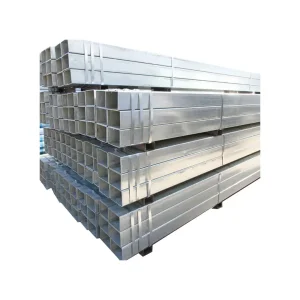
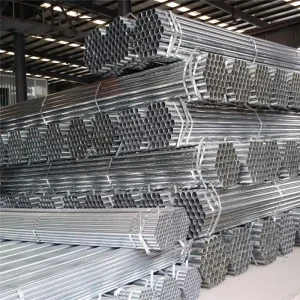
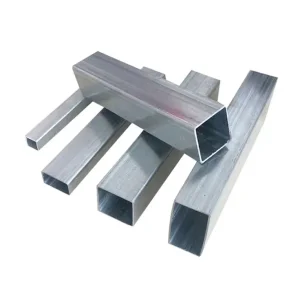
Explore our extended catalog of hot-dip galvanized, pre-galvanized, and cold-rolled structural steel pipes manufactured for global infrastructure projects.