
High-Performance Coated Steel & Industrial Coils
Engineered for extreme environmental durability, high tensile strength, and seamless compatibility with automatic continuous roll-forming lines.
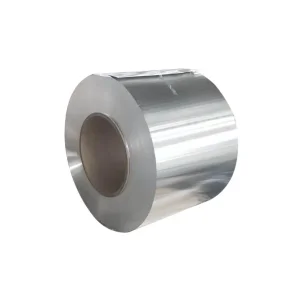
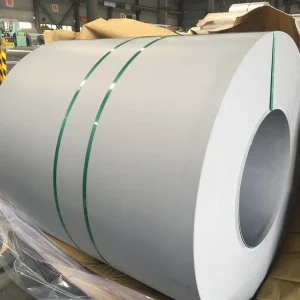


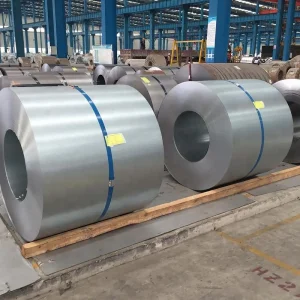
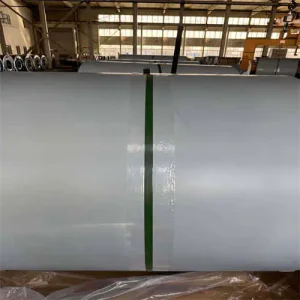
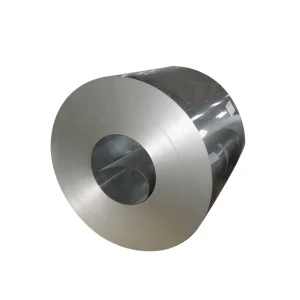
High-Quality Corrugated Steel Coils: Technical Architecture & Metallurgy
An authoritative analysis of cold-roll profiling, sacrificial cathodic protection mechanisms, wave geometry optimization, and structural yield dynamics in modern architectural steel.
Corrugation Geometry & Structural Mechanics
Corrugated steel coils are cold-rolled steel substrates modified through continuous cold-forming profiling processes into repeating wave patterns—most commonly sinusoidal (round wave), trapezoidal (box rib), and deep-ribbed architectural geometries. The fundamental mechanical objective of corrugation is to increase the section modulus ($Z$) and second moment of area ($I$) along the longitudinal axis without increasing dead weight.
By redistributing material further from the neutral axis, corrugated steel exhibits up to 300% higher flexural rigidity compared to flat steel sheet of identical yield strength and thickness. This structural amplification allows civil engineers and roof panel fabricators to span wider purlin distances, drastically reduce structural steel substructure requirements, and minimize installation labor costs.
Sacrificial Cathodic Protection & Coating Chemistry
The operational longevity of corrugated steel coils relies on chemical metallic coatings applied via high-speed hot-dip galvanizing or galvalume bath lines. The protective mechanism is dual-action: barrier isolation and galvanic (sacrificial) protection.
When exposed to atmospheric moisture, oxygen, and ambient pollutants (sulfur dioxide, chloride ions), the zinc coating acts as an anode, corroding sacrificially to preserve the underlying steel substrate. In advanced Galvalume (55% Al-Zn) and Zinc-Aluminum-Magnesium (ZAM) formulations, microscopic aluminum dendrites form a dense oxide passivation barrier, while magnesium ions migrate to cut edges to form self-healing basic zinc carbonate protection, dramatically extending service life up to 50 years.
Technical Specification Benchmark: Premium Corrugated Steel Coils
The table below summarizes the technical specifications, metallurgical standards, and tolerances maintained across our mill-direct manufacturing facilities.
| Specification Parameter | Standard Commercial Grade | High-Strength Structural Grade | Extreme Environmental Grade |
|---|---|---|---|
| Base Metal Standards | ASTM A653 / EN 10346 (DX51D) | ASTM A653 SS Grade 50 (S350GD) | EN 10346 S550GD / ASTM A792 (G550) |
| Yield Strength ($R_e$) | 260 - 320 MPa | 350 - 450 MPa | ≥ 550 MPa (Full Hard / High Structural) |
| Tensile Strength ($R_m$) | 360 - 500 MPa | 480 - 560 MPa | ≥ 570 MPa |
| Coating Types & Mass | GI: Z60 - Z180 ($g/m^2$) | GI: Z275 / GL: AZ150 ($g/m^2$) | ZAM: ZM275 / Galvalume: AZ200 ($g/m^2$) |
| Substrate Thickness Range | 0.12 mm - 0.80 mm (±0.02 mm) | 0.30 mm - 1.20 mm (±0.02 mm) | 0.40 mm - 2.00 mm (±0.03 mm) |
| Wave Height & Pitch Options | Wave Height: 18 mm | Pitch: 76 mm | Wave Height: 32 mm | Pitch: 130 mm | Trapezoidal Rib: 35 mm - 50 mm Height |
| Surface Finish & Spangle | Regular Spangle / Zero Spangle | Minimized Spangle / Chromated Passivated | Anti-Fingerprint / Oiled / Pre-Painted (PPGI/PPGL) |
| Salt Spray Corrosion Resistance | ≥ 240 Hours (Neutral Salt Spray) | ≥ 720 Hours (ASTM B117) | ≥ 1,500 - 3,000 Hours (Advanced ZAM/PPGL) |
Commercial Dynamics & Global Industrial Landscape
Navigating market transformation across Asia-Pacific, North America, Europe, Africa, and Latin America through standardized international compliance.
Global Infrastructure & Urbanization Trends
The international demand for high-quality corrugated steel coils is undergoing rapid growth driven by three macroeconomic catalysts: rapid industrialization in emerging markets, structural transitions toward modular prefabricated construction, and climate-adaptive agricultural modernization.
In Southeast Asia, South America, and Africa, corrugated roofing and wall cladding systems represent the primary envelope material for commercial logistics hubs, agricultural grain silos, and low-cost residential housing due to their high strength-to-weight ratio and rapid assembly capability.
Cross-Border Regulatory & Standards Alignment
International procurement managers face significant compliance challenges when bridging technical specifications between North American ASTM standards, European EN Norms, Japanese JIS Specifications, and Chinese GB Standards.
To streamline global sourcing, our manufacturing facility operates fully harmonized multi-standard production lines. Every batch of corrugated steel coil is Dual-Certified (e.g., DX51D+Z equivalent to ASTM A653 CS Type B), ensuring immediate engineering approval for EPC contractors operating across multi-jurisdictional infrastructure tenders.
ESG & Carbon Border Adjustment Dynamics
With environmental regulatory mechanisms such as Europe’s Carbon Border Adjustment Mechanism (CBAM) taking effect, global steel buyers require fully transparent carbon footprint tracking and mill-level decarbonization strategies.
By utilizing Electric Arc Furnace (EAF) steelmaking routes for select high-grade coils and implementing closed-loop scrap recycling across cold-rolling lines, our facility offers lower-embodied-carbon corrugated steel solutions that meet stringent global ESG procurement mandates.
Tailored Engineering Solutions for Local Microclimates
Analyzing structural performance, microclimate degradation vectors, and material specification matrixes across diverse real-world installations.
1. Coastal & Severe Marine Atmospheres (C4 / C5 Corrosion Classes)
Microclimate Challenge: Marine atmospheric environments deliver high concentrations of airborne sodium chloride ($NaCl$) combined with high relative humidity, creating accelerated electrochemical oxidation conditions that break down conventional zinc coatings within 3 to 5 years.
Engineering Material Selection: We specify Zinc-Aluminum-Magnesium (ZM275) or high-build PVDF Pre-Painted Galvalume Coils (AZ150) featuring a 25-micron fluorocarbon topcoat system. The addition of 3% Magnesium forms an insoluble, dense simonkolleite precipitate ($Zn_5(OH)_8Cl_2 \cdot H_2O$) that seals cut edges and screw punch holes against lateral salt spray intrusion.
2. Agricultural Silos & Livestock Facility Envelopes
Microclimate Challenge: Agricultural livestock housing generates severe internal biogenic emissions, including high concentrations of ammonia gas ($NH_3$), hydrogen sulfide ($H_2S$), and organic animal waste acids, leading to rapid acidic condensate corrosion on roof undersides.
Engineering Material Selection: Heavy-galvanized Hot-Dip Z275 to Z450 Coils with an additional back-coat anti-condensation barrier or high-durability epoxy primer (HDP). The thick zinc mass buffers chemical reactions, preventing premature substrate pitting and maintaining sanitary environmental conditions.
3. High-Wind & Heavy Snow Structural Roof Systems
Microclimate Challenge: High-altitude or typhoon-prone geographic regions expose building envelopes to dynamic wind uplift pressures exceeding 3.5 kPa and heavy localized snow gravity loads causing flexural deflection.
Engineering Material Selection: High-yield structural steel substrate G550 / S550GD Full Hard Steel combined with deep-rib trapezoidal corrugation (35mm - 50mm profile height). The high yield strength prevents permanent oil-canning deflection, while deep channels ensure rapid stormwater and snow melt discharge.
4. Tropical High-UV Industrial Warehouses
Microclimate Challenge: Equatorial regions experience intense solar ultraviolet (UV-A and UV-B) radiation combined with thermal cycling from $20^\circ C$ night temperatures to over $70^\circ C$ peak surface roof temperatures, inducing thermal expansion stress and color chalking.
Engineering Material Selection: Pre-Painted Galvalume Coils (PPGL) with high-reflectivity Cool Roof ceramic pigments and HDP/SMP resin systems. High UV resistance prevents gloss degradation, reduces internal HVAC thermal loads by up to 25%, and absorbs inter-panel thermal stress.
Technology Roadmap & Metallurgical Future Outlook
Pioneering next-generation steel manufacturing through AI-driven thickness control, eco-friendly coating chemistries, and ultra-high-strength metallurgy.
Zinc-Aluminum-Magnesium Expansion
Transitioning primary architectural coated coil production from conventional galvanizing to advanced ZAM alloys, offering 3x to 5x superior corrosion resistance at equivalent coating thickness while enabling chrome-free environmental passivating films.
AI Automated Quality Control
Deployment of inline continuous laser thickness gauge sensors, automatic optical surface flaw scanners, and automated air-knife zinc coating mass feedback loops, maintaining cross-coil thickness uniformity within an unprecedented ±0.015 mm margin.
Ultra-High Yield Thin-Gauge Steel
R&D focus on ultra-thin (0.12 mm - 0.20 mm) high-yield (G550) corrugated coil formulations, enabling extreme material lightweighting for prefabricated structure export orders without sacrificing flexural strength.
Zero-Carbon Green Steel Coils
Integration of hydrogen-based direct reduced iron (DRI) crude steel feedstocks into cold-rolling coil manufacturing, paving the way toward verifiable net-zero carbon corrugated steel products for international green building certifications.
China Supply Chain Resilience & Mill-Direct Efficiency
Leveraging the Jinghai, Tianjin Steel Cluster for scale efficiency, rapid raw material sourcing, integrated quality assurance, and direct ocean export access.
1. Tianjin Port Geographic Proximity
Situated in the heart of northern China’s steel industrial hub (Jinghai Development Area, Tianjin), our production base is located just 40 kilometers from Tianjin Port (Xingang)—the largest artificial deep-water port in Northern China. This proximity eliminates inland transit delays, lowers drayage transport costs, and provides flexible access to daily breakbulk and container shipping schedules worldwide.
2. Vertical Integration & Raw Material Security
By establishing long-term strategic raw material procurement contracts with tier-1 primary steel mills (Baosteel, HBIS, Shougang), we guarantee steady supplies of high-grade hot-rolled steel strip feedstocks. Our in-house slitting, cold-rolling, continuous galvanizing, and profile corrugation lines maintain strict quality control from raw coil to final sea-worthy packaging.
3. Buffer Stocking & Agility Lead Times
To mitigate international supply chain volatility, we maintain an active buffer inventory of over 20,000 metric tons of standard specification full-hard galvanized and cold-rolled substrate coils. Standard orders can be finished, corrugated, packed, and loaded for ocean shipment within 10 to 14 days from contract signing.
Localized Support, Quality Control & Compliance Guarantee
Rigorous laboratory testing protocols, international quality certifications, and specialized seaworthy packaging designed for multi-month ocean freight.
In-House Quality Control & Metallurgical Testing
Every coil produced undergoes stringent quality verification prior to dispatch at our ISO 9001 certified testing laboratory:
- Chemical Composition Spectrometry: Verifying $C, Mn, P, S, Si$ levels against ASTM/EN mechanical grade limits.
- Zinc Coating Weight Testing: Magnetic gauge cross-section measurements and triple-spot wet chemical stripping tests.
- Mechanical Property Testing: Tensile strength, yield point, elongation percentage, and $T$-bend adhesion tests ($0T - 2T$).
- Salt Spray Chamber Validation: Continuous ASTM B117 neutral salt spray exposure testing to verify corrosion resistance limits.
International Certification & Export Packaging
We provide comprehensive documentation and heavy-duty maritime packaging to ensure seamless custom clearances and pristine arrival condition:
- EN 10204 3.1 Mill Test Certificates (MTC): Full traceability documentation supplied standard with every commercial shipment.
- Third-Party Inspection Acceptance: Welcoming independent inspection audits by SGS, Bureau Veritas (BV), TÜV, or Intertek.
- Heavy-Duty Seaworthy Packaging: Anti-rust VCI paper wrapping, inner and outer galvanized steel edge protectors, high-density plastic sleeves, and 4 radial/3 circumferential steel banding straps.
- Desiccant Moisture Control: Internal coil core silica-gel desiccant packs to eliminate sweat corrosion during trans-equatorial transit.
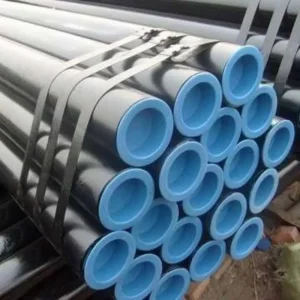
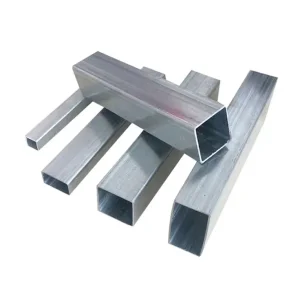
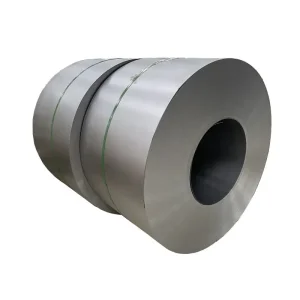
Structural Pipes, Tubing & Specialized Steel Coils
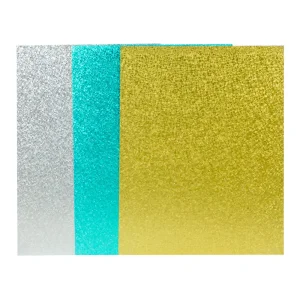
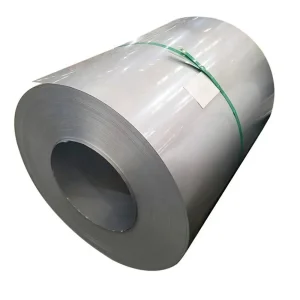
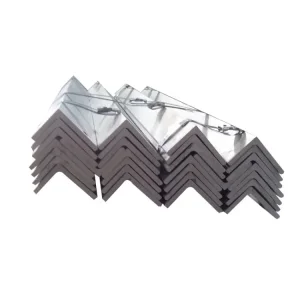
Comprehensive factory-direct supply covering pre-galvanized hollow sections, silicon electrical coils, structural profiles, and stainless products.


Frequently Asked Questions (FAQ): Procurement & Technical Insights
In-depth technical answers regarding corrugated steel coil selection, coating metrics, roll-forming specs, and international shipping protocols.
1. What structural and logistical advantages do corrugated steel coils offer over flat steel sheets?
Corrugated steel coils provide two major engineering benefits. First, from a structural perspective, the cold-rolled wave profile increases the section modulus ($Z$) and flexural rigidity by up to 300% relative to a flat sheet of equal weight, allowing greater purlin spacing in building design. Second, from a manufacturing and logistics perspective, supplying corrugated steel in continuous coil format enables high-speed, automated roll-forming machines to operate without stopping, maximizing production throughput for roofing, wall cladding, and grain silo manufacturers while reducing ocean freight shipping volume per metric ton.
2. How do Zinc-Aluminum-Magnesium (ZAM) coatings compare to traditional Hot-Dip Galvanized (HDG) coils?
Zinc-Aluminum-Magnesium (ZAM) represents a next-generation metallic coating technology containing roughly 3% Aluminum and 2% to 3% Magnesium. ZAM provides 3x to 5x greater atmospheric corrosion resistance than standard Hot-Dip Galvanized (HDG) zinc coatings of equal thickness. The critical advantage lies in ZAM's self-healing cut-edge protection: when exposed to moisture, magnesium ions dissolve to form a dense, tightly adhering basic zinc carbonate film (simonkolleite) over cut edges, drill holes, and scratches, preventing red rust lateral creep where traditional HDG coatings fail.
3. Which zinc coating weight (e.g., Z120, Z275, AZ150) should be specified for aggressive coastal or industrial environments?
For mild indoor or dry urban environments (C1 - C2 corrosion categories), a light zinc coating such as Z90 to Z120 ($90-120 g/m^2$ double sided) is sufficient. For standard outdoor industrial roofs or agricultural buildings (C3 class), Z180 to Z275 ($180-275 g/m^2$) or Galvalume AZ120 is recommended. For severe marine environments, chemical plants, or heavy coastal atmospheric conditions (C4 - C5 classes), engineers should specify heavy hot-dip galvanizing of Z350 to Z450, Galvalume AZ150/AZ200, or ZAM ZM275 with a high-durability pre-painted topcoat system (PVDF or HDP paint systems).
4. What dimensional tolerances and yield strength options can SMSTEEL manufacture for tender compliance?
SMSTEEL manufactures corrugated steel coils across a substrate thickness range of 0.12 mm to 2.00 mm with tight dimensional thickness tolerances within ±0.02 mm (conforming to EN 10143 and ASTM A924). Width options range from 600 mm to 1250 mm. Mechanical yield strength options span soft drawing qualities (DX51D, DX52D, CS Type B), standard structural grades (S280GD, S350GD, ASTM Grade 33 to Grade 50), up to full-hard high-tensile structural grades (G550 / S550GD) featuring yield strengths exceeding 550 MPa for high-wind typhoon-resistant roofing profiles.
5. How does your factory guarantee zero edge damage and sweat corrosion during multi-week ocean transport?
Every corrugated steel coil exported by SMSTEEL follows an export packaging standard: First, the coil is wrapped in Volatile Corrosion Inhibitor (VCI) anti-rust paper, followed by a waterproof plastic barrier sleeve. Heavy-duty galvanized steel inner and outer edge protectors are applied to shield against forklift strap compression. High-density steel metal jackets cover the outer circumference, secured by at least 4 radial steel bands and 3 circumferential steel hoops. Furthermore, active silica-gel desiccant packs are inserted into every inner core to absorb atmospheric condensation caused by temperature shifts during maritime transit across equatorial zones.
6. What documentation and third-party quality assurances are provided with mill shipments?
All orders are shipped with an official EN 10204 3.1 Mill Test Certificate (MTC) detailing raw material heat numbers, chemical ladle analysis, mechanical yield/tensile testing, elongation percentages, and zinc coating weight measurements. SMSTEEL also supports third-party pre-shipment inspections nominated by the buyer or issuing bank, including independent sampling, dimensional verification, and chemical audits conducted by SGS, Bureau Veritas (BV), TÜV, or Intertek prior to port loading.