
High-capacity load-bearing components engineered specifically to withstand Istanbul's stringent seismic and maritime environmental specifications.
Istanbul Construction Dynamics: Infrastructure, Seismic Mandates, and Urban Renewal
Istanbul represents a unique, hyper-demanding intersection of civil engineering challenges. As Turkey's economic engine and a transcontinental metropolis bridging Europe and Asia, the city’s scaffolding and falsework requirements are governed by rigorous performance metrics.
The Urban Transformation Master Plan (Kentsel Dönüşüm)
Driven by the Ministry of Environment, Urbanization and Climate Change, Istanbul is undergoing one of the largest structural retrofitting programs globally. Millions of aging reinforced concrete structures built prior to the 1999 Marmara earthquake are being systematically demolished and redeveloped into seismic-resilient complexes across districts such as Kadıköy, Üsküdar, Zeytinburnu, and Esenyurt. This continuous urban renewal cycle demands modular, quick-erection Ringlock and Cuplock scaffolding systems capable of safe operation in high-density residential corridors.
Mega-Infrastructure & Maritime Falsework Demands
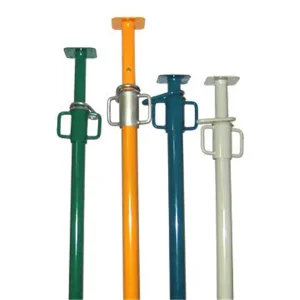
Major infrastructure projects—including the expansion of the Northern Marmara Motorway, complex underground Metro line networks (such as M11 Gayrettepe-Istanbul Airport), port developments at Ambarlı, and maintenance work on the Bosphorus Suspension Bridges—require high-capacity heavy-duty shoring props and custom structural steel falsework. These systems must resist dynamic lateral wind forces, heavy dead loads, and aggressive saline atmospheric conditions along the Sea of Marmara and the Bosphorus Strait.
Engineering Whitepaper: Metallurgical Standards & System Mechanics
A deep technical analysis of modular scaffolding structural integrity, steel grade selection, load mechanics, and surface protection protocols required for long-term safety in Eurasian commercial construction.
1. Steel Metallurgy: S235JR vs. S355J2 Structural Hollow Sections
The structural capacity of temporary works hinges on the raw material grade of vertical standards (ledgers and standards) and telescopic shoring props. While basic S235JR carbon steel is prevalent for light-duty frame scaffolding, modern high-rise projects in Istanbul increasingly mandate S355J2 high-tensile structural steel (yield strength $f_y \ge 355\text{ MPa}$). Utilizing S355 steel allows manufacturers to optimize wall thickness while increasing ultimate load capacities by up to 35%, drastically reducing overall system tare weight during transport and manual assembly.
| Steel Grade Standard | Yield Strength ($f_y$, MPa) | Tensile Strength ($f_u$, MPa) | Typical Scaffolding Application | Corrosion Resistance Level |
|---|---|---|---|---|
| Q235 / S235JR | 235 | 360 - 510 | Light Duty Frame Scaffolding, Adjustable Steel Props | Standard Paint / Pre-Galvanized |
| Q355 / S355J2 | 355 | 470 - 630 | Heavy Duty Ringlock Standards, Falsework Towers | Hot-Dip Galvanized (ISO 1461) |
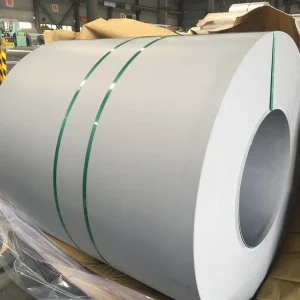
| SECC / Electro-Galvanized | Variable (Sheet Grade) | 270 - 410 | Formwork Decking, Steel Decks, Toe Boards | Electro-Coated 20/20 Zinc Layer |
| Q345 Seamless Carbon | 345 | 490 - 620 | Ultra Heavy Industrial Shoring Pillars & Bridges | Dip Coated / Epoxy Paint |
2. Surface Metallurgy: Marine Corrosion Mitigation (C5-M Environment)
Istanbul’s microclimate varies from extreme urban moisture to harsh coastal marine exposure. Steel scaffolding deployed on projects along the Bosphorus Strait experience rapid galvanic corrosion if inadequately protected. Factory-applied Hot-Dip Galvanizing (HDG) per ISO 1461 / EN BS 10240 ensures a minimum zinc layer thickness of 85 microns ($\mu m$), yielding over 500 grams of zinc per square meter ($g/m^2$). This metallurgical bond forms a series of iron-zinc alloy layers that provide dual protection: a tough physical barrier combined with cathodic sacrificial protection for cut edges or minor mechanical scratches incurred during site dismantling.
3. Seismic Bracing & Dynamic Tie-in Anchor Densities
Due to the proximity of the North Anatolian Fault Line, temporary facade scaffolding in Istanbul must be engineered to withstand ground motion spectral accelerations ($S_{ds}$) up to $1.5g$. Design engineers must calculate dynamic stability utilizing a safety factor formula:
Standard anchor tie-in patterns must be tightened from the standard $1\text{ tie per } 8\text{ m}^2$ to a high-density configuration of $1\text{ tie per } 4\text{ m}^2$, using chemical anchor studs or high-capacity mechanical anchor expansion bolts rated for cracked concrete bases (C25/30 to C50/60 grades).
Localized Application Scenarios in the Istanbul Market
Tailored engineering falsework and facade containment solutions addressing specific architectural archetypes found across the Marmara region.
1. Historical Peninsula Restoration Scaffolding
Locations: Sultanahmet, Fatih, Eminönü, Beyoğlu.
Restoration of Ottoman-era mosques, Byzantine masonry walls, and heritage wooden mansions requires zero-impact scaffolding anchorage. Systems must be self-supporting or suspended using soft-clamp pressure ties. Ringlock multidirectional scaffolding is deployed with custom bridging ledgers, cantilevered working decks, and lightweight aluminum-framed protective clear netting to protect historical surfaces while maintaining worker access.
2. High-Rise Commercial Towers & Climbing Protection
Locations: Ataşehir Financial Center, Maslak, Levent.
Super-tall skyscrapers demand high-load capacity falsework combined with integrated perimeter safety screens. Factory-supplied heavy-duty steel props (rated up to 80 kN per leg) and self-climbing hydraulic formwork protection screens are engineered to handle multi-story slab pours, ensuring complete wind enclosure at heights exceeding 200 meters above ground level.
3. Infrastructure Falsework & Heavy Bridge Shoring
Locations: Kanal Istanbul Bridge Crossings, Metro Viaducts.
Heavy civil engineering projects utilize high-capacity Cuplock falsework towers and heavy steel props to support heavy post-tensioned concrete girders during continuous pours. Base jack plates and U-head jacks must feature cold-rolled high-acme threads to allow precise leveling adjustment under massive dead loads without dynamic thread slippage.
Technical Roadmap & Future Outlook: AI, BIM, and Materials Science
The global scaffolding sector is undergoing a massive digital and material transformation, shifting from basic temporary structures to high-tech structural assemblies integrated into modern smart site ecosystems.
1. BIM Integration & AI-Driven Digital Twins
Modern EPC contractors operating in Turkey and across Europe now mandate Building Information Modeling (BIM Level 2 / ISO 19650) for temporary works. Utilizing AI-powered design software, scaffolding planners generate 4D digital twin simulations of scaffolding erection sequences. Predictive algorithms analyze dynamic stress distribution across Ringlock nodes, automatically flagging over-stressed standards and optimizing material delivery schedules to eliminate job-site clutter in tight urban spaces like central Istanbul.
2. High-Strength Ultra-Light Alloys & Robotic Welding
Next-generation scaffolding manufacturing relies on automated robotic MIG welding to ensure 100% seam penetration consistency at critical rosettes, spigots, and prop collars. Simultaneously, material science is introducing micro-alloyed steel formulations with added niobium and vanadium (e.g., S460 steel grades). These advances allow up to 25% wall-thickness reduction while maintaining identical load-bearing capacity, drastically lowering global shipping carbon footprints and worker fatigue during manual erection.
Technical Frequently Asked Questions (FAQ)
In-depth technical answers addressing common procurement, engineering, and compliance inquiries from Istanbul construction firms and international contractors.
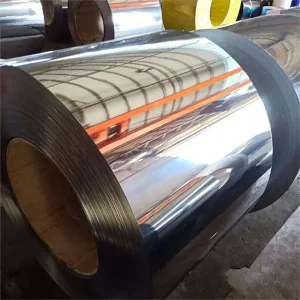
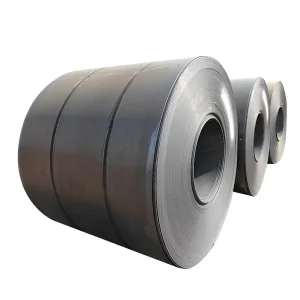
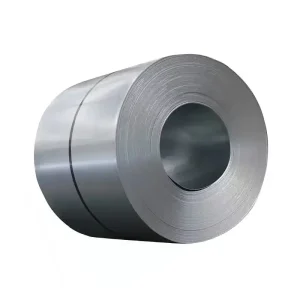
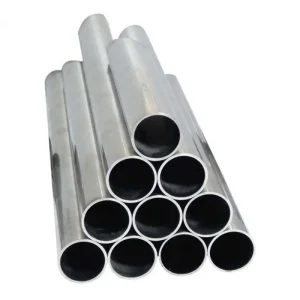
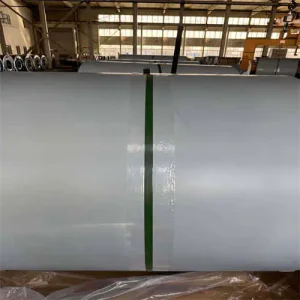
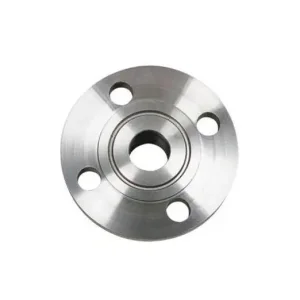
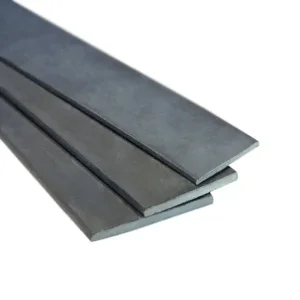
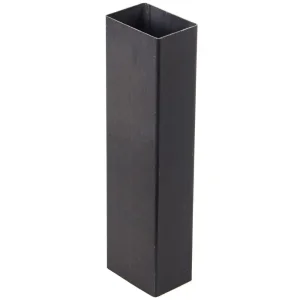
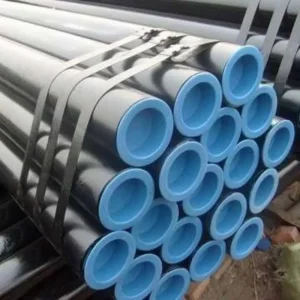
Explore our full line of raw materials, silicon steel, galvanized tubes, and structural steel profiles manufactured for international engineering applications.
Partner with a Certified Scaffolding & Structural Steel Manufacturer
Whether you are managing large-scale urban renewal projects in Istanbul, civil infrastructure along the Marmara region, or importing bulk steel materials across Eurasia, our engineering team provides mill-direct pricing, certified EN quality assurance, and end-to-end logistics support.