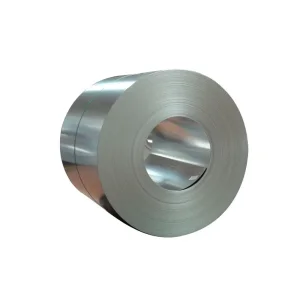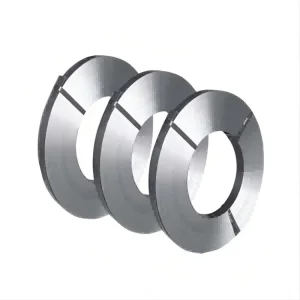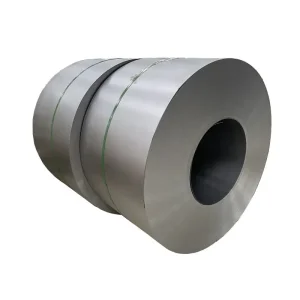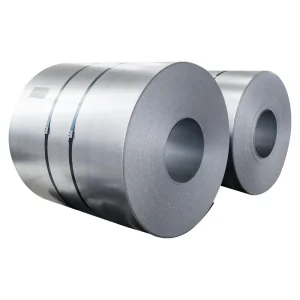
Priority Structural & Galvanized Steel Range
Direct-from-factory prime steel pipes engineered for high humidity, marine atmospheric conditions in Mombasa, and structural demands in Nairobi.
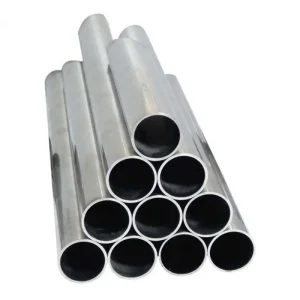
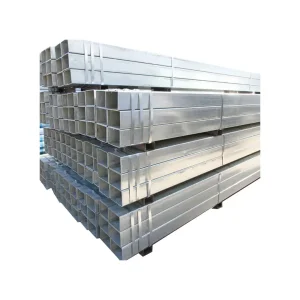
Kenya’s Infrastructure Boom & Structural Steel Demand Dynamics
Kenya stands as the economic, commercial, and logistical hub of East Africa. Driven by the government’s Vision 2030 blueprint, the Affordable Housing Program (AHP), and major capital developments across the LAPSSET Corridor (Lamu Port-South Sudan-Ethiopia Transport), demand for durable, corrosion-resistant structural steel has surged unprecedentedly.
Hot Dip Galvanized (HDG) steel pipes play a vital role in protecting critical public and industrial investments. Unlike mild carbon steel pipes that deteriorate rapidly in tropical or marine conditions, HDG steel pipes are metallurgical bonded with protective zinc layers. This provides sacrificial cathodic protection against coastal atmospheric salinity in Mombasa, seasonal humidity variations in the Lake Victoria region (Kisumu), and intense ultraviolet oxidation in the high-altitude Kenya Highlands (Nairobi, Nakuru, and Eldoret).
Key Compliance & Market Notice for Kenyan Steel Importers
All steel piping imports into Kenya must comply with standards governed by the Kenya Bureau of Standards (KEBS), including KS EAS 134 and international equivalents such as BS 1387 / EN 10255 and ASTM A53. Sourcing directly from verified Chinese manufacturing facilities equipped with automated continuous hot-dip galvanizing lines guarantees that shipments come accompanied by verifiable EN 10204 3.1 Mill Test Certificates (MTC) and mandatory Pre-Export Verification of Conformity (PVoC) certification.
Engineering Specifications & Hot Dip Galvanizing Science
Understanding the microstructural zinc-iron alloy phases that protect structural steel against micro-climatic degradation across East Africa.
Metallurgical Bonding (Gamma, Delta, Zeta, Eta Layers)
When clean steel is immersed in molten zinc at approximately 450°C (842°F), a series of zinc-iron alloy layers are formed via atomic diffusion:
- Gamma Layer (75% Zn, 25% Fe): Ultra-hard base layer providing intense mechanical adhesion.
- Delta Layer (90% Zn, 10% Fe): Ductile intermetallic structure absorbing impact shocks.
- Zeta Layer (94% Zn, 6% Fe): Harder than the base steel itself (HV 200+).
- Eta Layer (100% Zn): Pure outer zinc layer offering immediate corrosion defense.
Sacrificial Cathodic Protection
In coastal areas like Kilifi or Mombasa where chloride ions penetrate surface coatings, zinc acts as a sacrificial anode. Even if the steel pipe is scratched or cut during field assembly, zinc corrodes preferentially, sacrificing itself to prevent the underlying iron matrix from oxidation and structural failure.
Full Internal & External Zinc Coating
Unlike pre-galvanized pipes welded from pre-coated strip (which leave the internal weld seam exposed or lightly sprayed), Hot Dip Galvanized pipes are fully submerged post-welding. This guarantees complete, uniform internal wall coating essential for fluid transmission and underground structural piling.
International Engineering Standards Comparison
| Standard | Grade / Specification | Nominal Coating Weight (g/m²) | Coating Thickness (µm) | Primary Kenyan Application Segment |
|---|---|---|---|---|
| BS 1387 / EN 10255 | Class Light, Medium, Heavy | 300 – 500 g/m² | 42 – 70 µm | Water reticulation, fire-fighting mains, scaffolding. |
| ASTM A53 / A53M | Grade A & Grade B (ERW/Seamless) | ≥ 550 g/m² | ≥ 79 µm | Oil & Gas conveyance, structural columns, HVAC chillers. |
| EN 10219-1 / 2 | S235JRH, S275J0H, S355J2H | 400 – 600 g/m² | 55 – 85 µm | Heavy structural hollow sections (SHS/RHS) for commercial towers. |
| ISO 1461 / KS ISO 1461 | Batch Hot Dip Galvanizing | 390 – 610 g/m² | 55 – 85 µm | Custom fabrications, highway guardrails, solar mounting frames. |
Localized Engineering Applications Across Kenya
From high-tech agricultural irrigation in Naivasha to heavy urban infrastructure in Nairobi and marine structures in Mombasa.
1. Commercial Agriculture & Flower Farms (Naivasha, Nakuru)
Kenya is a global exporter of cut flowers and horticulture. High-zinc HDG pipes (zinc coating ≥ 350 g/m²) provide continuous resistance against acidic soil nutrients, high relative humidity, and chemical fertilizers used in automated greenhouse tunnel structures.
2. Civil Engineering & High-Rise Building Columns (Nairobi)
Square Hollow Sections (SHS 40x40 to 200x200 mm) and Rectangular Hollow Sections (RHS) act as essential load-bearing structural members, curtain wall supports, and fire protection sprinkler pipes in commercial developments across Upper Hill and Westlands.
3. Water Utilities & Municipal Transmission (Nairobi Water, WASREB)
BS 1387 Heavy and Medium class HDG round pipes with threaded and socketed (T&C) ends are extensively deployed for potable water conveyance, rural borehole piping, and municipal water treatment plants due to non-toxic zinc coating compliance.
4. Solar Energy & Renewable Off-Grid PV Racking
With Kenya leading Africa’s solar expansion, solar ground-mount structures require HDG square and C-channel steel pipes capable of enduring 25+ years of intense equatorial sunshine, temperature fluctuations, and soil corrosion without structural degradation.
5. Maritime Port & Heavy Logistics (MOMBASA Port)
Heavy structural steel pipes and piling components installed around Kipevu, Kilindini Harbor, and road bypasses require C5-M marine grade zinc coating thickness (≥ 85 µm / 610 g/m²) to resist constant salt fog spraying.
6. Security Fencing, Perimeter Protection & Power Utilities
Galvanized round tubular fence posts, Kenya Power distribution hardware, and telecommunication tower framing utilize high-tensile ERW HDG pipes for maximum security and structural longevity.
Why Partnering Direct with Tianjin Steel Manufacturing Hubs Wins
Eliminating middleman trader markups while securing guaranteed metallurgical consistency, rapid production scheduling, and direct vessel shipping to Mombasa.
1. Direct Mill Economics & Scalability
By bypassing regional stocking distributors, East African procurement managers achieve a 12% to 22% reduction in landed steel costs. Operating 8 automated high-frequency welded (HFW) pipe lines with a monthly output exceeding 100,000 metric tons, our Tianjin facility offers unmatched economies of scale.
- Direct procurement of prime hot-rolled coils from major state-owned steel mills.
- Custom length slitting (e.g., exact 5.8m for 20ft containers, 11.8m/12m for 40ft containers).
- Competitive containerized and breakbulk ocean freight rates from Tianjin Port to Port of Mombasa.
2. Rigorous Quality Assurance & Inspection Protocol
Every batch of steel pipe shipped to Nairobi, Mombasa, or international ports undergoes a strict multi-tier Quality Assurance regime to ensure zero defect delivery:
- Spectrographic Chemical Analysis: Verifying exact C, Mn, Si, P, S elemental content.
- Hydrostatic Testing: 100% pressure tested up to 50 Bar (725 PSI) for fluid-carrying lines.
- Ultrasonic & Eddy Current Weld Inspection: Guaranteeing 100% longitudinal weld seam integrity.
- Magnetic Zinc Coating Thickness Gauging: Ensuring uniform micron distribution across full length.
- SGS / Bureau Veritas / Intertek Verification: Full support for third-party pre-shipment inspections.
KEBS PVoC Sourcing & Logistics Guide for Kenyan Importers
A step-by-step compliance checklist ensuring smooth customs clearance at Mombasa Port and Nairobi Inland Container Depot (ICD Embakasi).
Step 1: Technical Spec & IDF Application
Define exact outer diameter (OD), wall thickness (WT), standard (BS 1387 / ASTM A53), and zinc coating weight ($g/m^2$). Apply for an Import Declaration Form (IDF) via the Kenya TradeNet System (KNSL).
Step 2: Pre-Export Inspection (PVoC / CoC)
Under KEBS regulations, imported goods must undergo inspection in the country of origin. Our factory coordinates directly with authorized inspection agencies (SGS, Intertek, Cotecna) to inspect steel pipes, perform chemical/tensile tests, and issue the mandatory Certificate of Conformity (CoC) before vessel loading.
Step 3: Seaworthy Packaging & Shipping
Pipes are bound in hexagonal seaworthy bundles, wrapped with anti-rust PVC/moisture-proof paper, and fitted with plastic end caps. Shipped via direct container lines (Maersk, MSC, COSCO) from Tianjin to Mombasa within 22–28 days transit time.
Emerging Technology Trends in Steel Pipe Manufacturing
How technical advancements in zinc alloy coatings and green steel production are shaping East Africa’s infrastructure future.
Zinc-Aluminum-Magnesium (ZAM) Coatings
The steel industry is seeing rapid adoption of ZAM alloy coated pipes. Offering up to 3x to 5x superior corrosion protection compared to traditional pure zinc galvanized coatings in severe chemical or coastal environments, ZAM coated hollow sections represent the ultimate choice for utility-scale solar farms and heavy industrial processing facilities in East Africa.
Automated High-Frequency Induction Welding (HFW)
Modern HFW lines equipped with real-time automatic seam tracking and online heat treatment eliminate heat-affected zone (HAZ) embrittlement. This ensures that when galvanized pipes undergo secondary processing—such as bending, threading, or flanging—the weld seam maintains 100% structural ductility without micro-cracking.
Frequently Asked Questions (FAQ) for Kenyan Buyers
Clear, authoritative answers regarding engineering standards, customs compliance, lead times, and factory capabilities.
What is the difference between Pre-Galvanized and Hot-Dip Galvanized (HDG) steel pipes?
Pre-galvanized steel pipes are manufactured from steel coils that have already been zinc-coated prior to pipe forming and welding. They feature a smooth surface and a lighter zinc layer (typically 60–120 g/m²), making them suitable for indoor furniture, light agricultural framing, and dry environments.
Hot-Dip Galvanized (HDG) pipes are fully welded from raw carbon steel first, then completely submerged into a bath of molten zinc at ~450°C. This process coats both the outer and inner walls with a thick, metallurgical-bonded zinc layer (300–600+ g/m²). HDG pipes are required for outdoor structural applications, high-humidity flower farms, municipal water lines, and coastal construction in Kenya.
Are your steel pipes fully compliant with Kenya Bureau of Standards (KEBS)?
Yes. All our steel pipe exports destined for Kenya conform fully to international standards recognized by KEBS, including BS 1387 / EN 10255, ASTM A53, EN 10219, and KS ISO 1461. We supply 3.1 Mill Test Certificates (MTC) and facilitate Pre-Export Verification of Conformity (PVoC) inspection via authorized agencies like SGS or Intertek to issue the mandatory Certificate of Conformity (CoC).
What is the typical shipping lead time from Tianjin Port to Port of Mombasa?
Production lead time at our factory typically ranges from 15 to 25 days depending on total order tonnage and custom processing (threading, grooving, special coating). Direct vessel transit from Tianjin Port to Port of Mombasa takes approximately 22 to 28 days. In total, buyers in Nairobi or Mombasa can expect delivery within 40 to 50 days from order confirmation.
Can you supply specific pipe end finishes for plumbing and structural joining?
Yes, we offer multiple pipe end finishing services directly in-house:
- Plain Ends (PE): Square cut and deburred for field welding.
- Threaded and Coupled (T&C): NPT or BSPT male threads on both ends with a protective coupling on one end and a PVC cap on the other (standard for BS 1387 water pipes).
- Grooved Ends: Roll-grooved for rapid Victaulic flexible mechanical couplings.
- Beveled Ends (BE): 30° / 37.5° beveling for high-pressure butt welding.
What container loading strategies do you use to maximize freight cost savings?
Freight optimization is critical for East African importers. We offer custom pipe slitting to exact lengths (e.g., 5.8m for 20ft containers and 11.8m/12m for 40ft High Cube containers). Additionally, we implement telescopic loading (nesting)—placing smaller diameter pipes inside larger diameter pipes—to maximize weight density and minimize overall freight cost per metric ton.
What is your Minimum Order Quantity (MOQ) for custom zinc coating orders?
For standard stocked section sizes, our MOQ starts at 5 to 10 metric tons per size. For customized heavy zinc coating specifications (e.g., 500–600 g/m²) or non-standard wall thicknesses, our MOQ is typically 10 to 20 metric tons. We also accept mixed-size container loads for trial orders to support new project developments in Kenya.
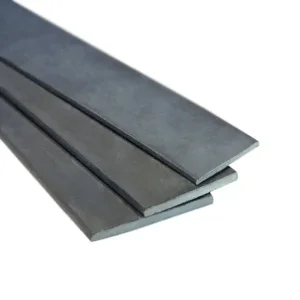
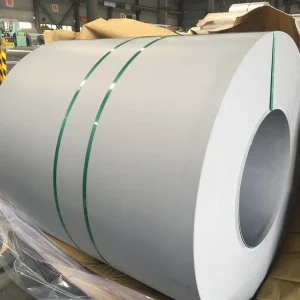
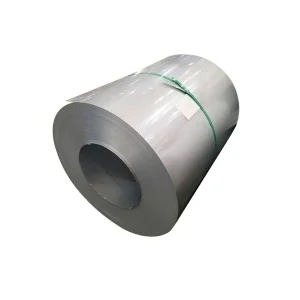
Comprehensive Steel Coils, Plates & Structural Sections
Explore our complete mill-direct steel portfolio designed for East African industrial manufacturers, stockists, and structural fabricators.