
Featured Steel Solutions for Bulgarian Industrial Tenders
High-precision manufactured tubular and flat steel stock tested to rigorous EU structural standards for immediate supply across Bulgaria.
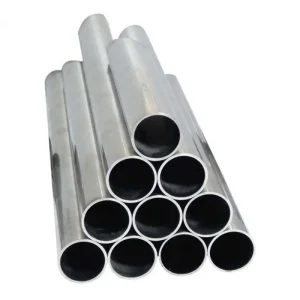
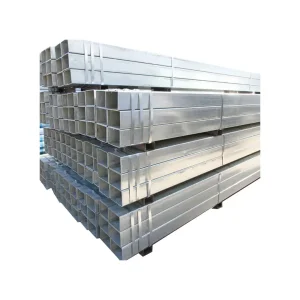
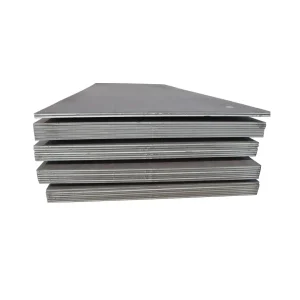
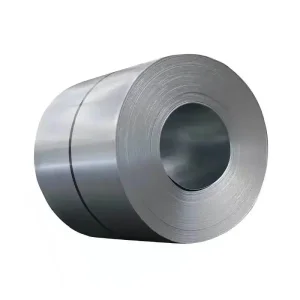
Strategic Industrial & Infrastructure Overview: Hot-Dip Galvanized Steel Pipes in Bulgaria
Bulgaria stands as a vital geopolitical and logistics hub within Southeastern Europe, acting as a crucial industrial bridge connecting the European Union with Eastern Mediterranean and Black Sea supply lines.
With massive national investments channeled into modernizing regional transport networks—such as the Hemus Motorway and the Struma Highway—alongside extensive updates to municipal water networks under the EU Structural Funds framework, demand for robust, long-lasting structural materials has surged. Among these essential materials, Hot-Dip Galvanized (HDG) Steel Pipe occupies a central position across Bulgarian civil construction, heavy engineering, agricultural automation, and renewable energy sectors.
Bulgaria’s diverse geographic exposure—ranging from humid maritime atmospheric conditions along the Black Sea coast (Varna and Burgas) to aggressive sub-zero winter freeze-thaw cycles across the Balkan Mountains (Stara Planina) and intensive agricultural zones in the Danubian Plain—requires steel infrastructure with superior corrosion protection. Unprotected or sub-standard steel tubes suffer from rapid oxidation, leading to catastrophic structural degradation. Advanced hot-dip galvanizing technology provides a metallurgical bond between steel and zinc, creating multi-layered iron-zinc alloy phases that deliver multi-decadal sacrificial protection.
Black Sea Maritime Resistance
Specially formulated HDG layers resist atmospheric salinity and chloride-induced pitting along coastal facilities in Varna and Burgas (C4/C5 marine corrosion classes).
50+ Year Lifecycle Longevity
High zinc coating mass (up to 85 µm / 600 g/m²) ensures complete cathodic protection, drastically reducing long-term lifecycle maintenance costs for public utility projects.
Full EU Compliance (EN 10240 / EN 10219)
All products supplied to Bulgarian contractors come with comprehensive Mill Test Certificates (MTC EN 10204 3.1), CE Marking, and guaranteed chemical traceability.
Metallurgical Foundations of Hot-Dip Galvanized Steel Pipes
Understanding the intermetallic phase transformation during molten zinc immersion (445°C - 460°C) for maximum mechanical integrity.
The Science of Intermetallic Phase Layers
Hot-dip galvanizing is not merely an external coating process; it is a metallurgical reaction between clean molten zinc and parent carbon steel. When seamless or High-Frequency Welded (HFW/ERW) steel pipes are fully submerged into a zinc bath maintained at approximately 450°C, a series of iron-zinc alloy layers are formed:
- Gamma Layer (Γ): Thin inner phase (~75% Zn, 25% Fe) adjacent to base steel, delivering strong atomic bonding.
- Delta Layer (δ): Compact layer (~90% Zn, 10% Fe) providing high ductility and shock resistance.
- Zeta Layer (ζ): Columnar crystal structure (~94% Zn, 6% Fe) with higher hardness than the parent steel itself, giving outstanding scratch and abrasion resistance.
- Eta Layer (η): Outer layer of 100% pure molten zinc providing immediate ductile cathodic defense against environmental exposure.
| Parameter | Standard Specification | Bulgaria Project Metric |
|---|---|---|
| Manufacturing Norms | EN 10240, EN 10219, ASTM A53 | Strict CE / EU Structural Mandate |
| Steel Grades | S235JR, S275J2H, S355J2H, Grade B | High Yield & Impact Strength (-20°C) |
| Zinc Coating Weight | 300 g/m² to 600 g/m² (42µm - 85µm) | Customized for Inland vs Coastal Sites |
| End Treatments | Plain End, Beveled, Threaded & Coupled | ISO 7-1 / NPT Threading for Utilities |
| Hydrostatic Test | 100% Factory Pressure Tested (up to 70 bar) | Zero Leakage Guarantee for Fluids |
Localized Application Scenarios Across Bulgarian Sectors
Customized steel piping solutions configured for regional geographic, climatic, and industrial demands.
1. Agri-Tech & Greenhouse Complex Networks
Bulgaria's agricultural heartlands in Dobrich, Plovdiv, and the Upper Thracian Plain require climate-controlled high-span greenhouses. High-zinc pre-galvanized and hot-dip galvanized round and square tubes are utilized for primary structural frames, irrigation manifolds, and heating loops, resisting high indoor humidity and fertilizer corrosion.
2. Utility-Scale Photovoltaic (PV) Solar Framing
Driven by EU green transition goals, solar developments across Haskovo, Burgas, and Stara Zagora utilize driven pile posts and torque tubes manufactured from hot-dip galvanized square and rectangular hollow sections (SHS/RHS) to support ground-mounted solar arrays facing high wind loads.
3. Municipal Water & Fluid Conveyance
Piping replacement initiatives in Sofia, Ruse, and Varna employ EN 10240 certified hot-dip galvanized ERW round pipes for potable water distribution, industrial fire protection systems, and wastewater treatment plants requiring non-toxic, lead-free internal zinc coatings.
Global Supply Chain Engineering & EU CBAM Compliance
Proactive alignment with European Union Carbon Border Adjustment Mechanism (CBAM) regulations and streamlined Black Sea & Danube multimodal logistics.
EU CBAM Carbon Accounting Transparency
As the European Union implements its Carbon Border Adjustment Mechanism (CBAM), importers in Bulgaria must report embedded emissions for steel structural components. As a direct manufacturer, we provide verified EPD (Environmental Product Declarations) and precise Scope 1, 2, and 3 embedded emissions documentation with every shipment, mitigating regulatory risk for EU buyers.
Multimodal Port & River Logistics
Our supply chain operations offer dedicated maritime shipping direct to Bulgaria’s key logistics arteries:
- Port of Varna & Port of Burgas: Direct breakbulk and containerized vessel shipping options for bulk structural orders.
- Danube River Transportation (Port of Ruse): Cost-effective inland barge transport servicing northern industrial parks.
Direct Factory Purchasing Benefits
Cost Elimination
Direct factory pricing removes trading house surcharges, reducing landed cost per metric ton by up to 15-22%.
Custom Size Tooling
Tailored OD, wall thickness, and precise cut-to-length tolerances (±0.5mm) minimize job-site scrap in Bulgaria.
Seaworthy Protective Packaging
Anti-corrosion VCI plastic wrapping, heavy steel strapping, and wooden end-caps prevent white rust during transit.
Technology Roadmap & Future Outlook (2025 - 2035)
Innovations in corrosion science, automated dipping precision, and green manufacturing integration.
Zinc-Aluminum-Magnesium (ZAM) Hybrids
Introduction of next-generation Zn-Al-Mg coatings offering 3x self-healing protection on sheared edges, targeted for extreme solar structural environments across Eastern Europe.
Automated AI Bath Monitoring
Implementation of real-time computer vision and laser ultrasonic thickness measuring to guarantee exact zinc layer uniformity and zero non-metallic inclusions.
Zero-Emission Hydrogen Steel Base
Transitioning pipe substrate manufacturing to Green Hydrogen Direct Reduced Iron (DRI) steel sources, aligning 100% with the EU's 2050 Net-Zero target.
Frequently Asked Questions for Bulgarian Steel Importers
Expert technical and commercial guidance addressing common procurement queries.
The primary European specification is EN 10240 (Quality Coating A.1 or B.1), which defines the chemical purity of the zinc layer (lead content < 0.01%) and hydrostatic testing requirements. We supply certified EN 10240 compliant pipes suited for public utility systems.
White rust (zinc hydroxide) occurs when fresh galvanized pipes are exposed to stagnant moisture and lack of airflow. We apply an eco-friendly chromate-free passivation sealant treatment immediately after dipping, combined with air-gap bundling and VCI waterproof wrapping.
Yes. Every export lot is issued a MTC EN 10204 3.1 detailing heat numbers, chemical ladle analysis, yield/tensile mechanical testing, zinc coating mass measurements, and hydrostatic pressure test results. Third-party inspections by SGS or TÜV are welcomed.
Standard production cycles take 15-25 days depending on section dimensions and total tonnage. Transit time via direct container or breakbulk vessel to Port of Varna or Port of Burgas typically averages 22-30 maritime transit days.
Pre-galvanized pipes are formed from strip steel that is zinc-coated prior to roll forming (coating thickness typically 100-200 g/m²). Hot-dip galvanized pipes are fully immersed into molten zinc after welding, coating both inner and outer walls continuously with up to 600 g/m² zinc for superior outdoor service life.
Yes, we provide custom precision cutting from 3.0 meters up to 12.0 meters, along with custom hole punching, end-swagging, and beveling to simplify on-site assembly for EPC contractors.
Complete Structural & Coated Steel Product Portfolio
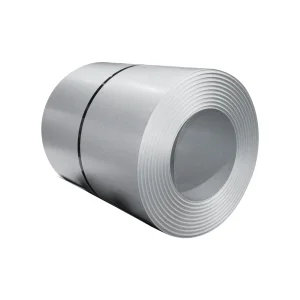
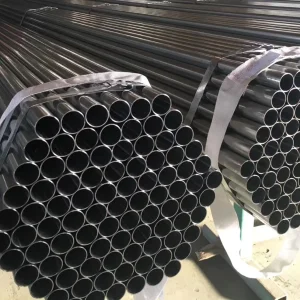
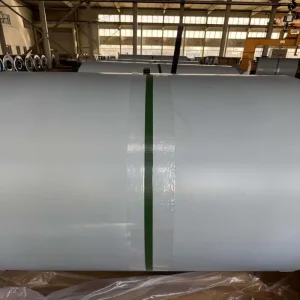
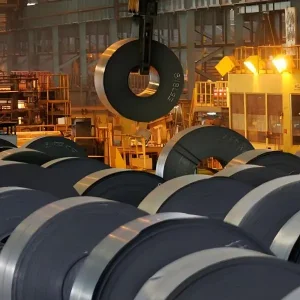
Explore our extended catalog of high-grade steel sheets, coils, carbon steel pipes, and structural profiles.
Partner with a Premier Hot-Dip Galvanized Steel Manufacturer
Request custom mill quotes, technical datasheets, CBAM reports, or MTC documentation for your engineering projects in Bulgaria today.