
Anti-Corrosive Coated Steel & Structural Products
High-grade steel solutions manufactured to ISO 12944 and ASTM compliance standards for demanding atmospheric exposures.
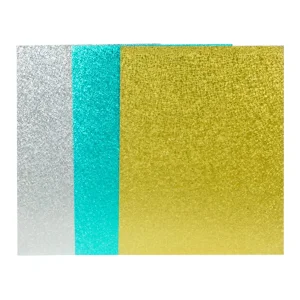
High-Quality Galvalume Aluzinc Zinc Aluminum Coating Roofing Sheets
View Specifications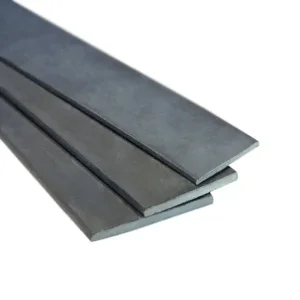
Wholesale China Steel Flat Bar Suppliers - Carbon & Galvanized Rolled Products
View Specifications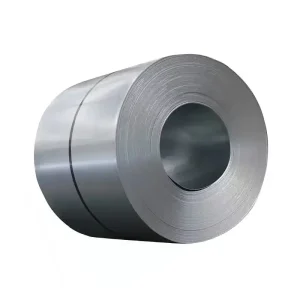
Non-Oriented Silicon Steel Coil CRNGO M310 M350 M470 M600 M800
View Specifications
Wholesale CRNGO Silicon Steel Coil M310-M800 Non-Grain Oriented Electrical Steel
View Specifications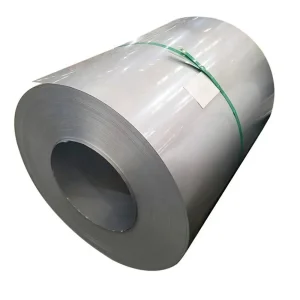
8K Cold Rolled Stainless Steel Coil 201 304 316 430 2205 904L
View Specifications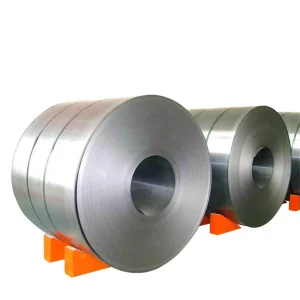
Cold Rolled High Strength Steel Sheets for Extra Deep Drawing Quality
View Specifications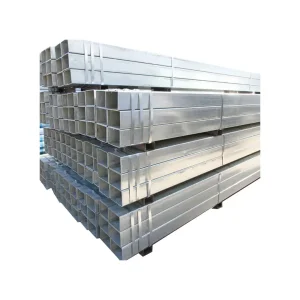
40x40 Tube SHS Hot Dip Galvanized Square Steel Pipe for Construction
View Specifications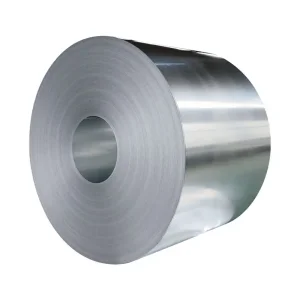
DX53D DX54D Aluminized Silicon Coating Coils for Food Processing Trays
View SpecificationsThe Engineering Science of Corrosion: How Manufacturers Prevent Rusting
Understanding iron oxidation kinetics, sacrificial anodic protection, and barrier film formation in industrial metallic materials.
Thermodynamic Drive & Oxidation
Iron ($Fe$) naturally seeks its lowest thermodynamic energy state by reacting with atmospheric oxygen ($O_2$) and moisture ($H_2O$) to form hydrated ferric oxides ($Fe_2O_3 \cdot nH_2O$). Without intervention, anodic dissolution ($Fe \rightarrow Fe^{2+} + 2e^-$) causes progressive structural section loss.
Sacrificial Galvanic Protection
Applying zinc ($Zn$) creates a protective galvanic cell. Zinc possesses a lower standard reduction potential ($-0.76V$) than iron ($-0.44V$), sacrificing itself to protect the underlying steel substrate even if small scratches or cut edges expose bare metal to the environment.
Passive Barrier Passivation
Modern alloys utilize aluminum ($Al$) and magnesium ($Mg$) additions. Aluminum forms an impermeable insoluble alumina ($Al_2O_3$) barrier film, while magnesium stabilizes basic zinc salts (Simonkolleite), drastically slowing down secondary atmospheric corrosion rates.
Technical Insight for Procurement Directors: The life expectancy of galvanized steel is directly proportional to its zinc coating thickness ($g/m^2$). In industrial atmospheres (C3 category), a Z275 coating ($275g/m^2$ dual-side) provides over 25 years of maintenance-free service life by maintaining a steady zinc degradation rate under $1.3 \mu m/year$.
| Coating / Alloy Class | Chemical Composition | Sacrificial Protection | Salt Spray Resistance (ASTM B117) | Primary Industrial Application |
|---|---|---|---|---|
| Hot-Dip Galvanized (HDG) | 99% Pure Zinc ($Zn$) | High (Cathodic) | 300 - 500 Hours | Structural Pipes, SHS/RHS, Scaffolding |
| Galvalume (Aluzinc) | 55% Al, 43.4% Zn, 1.6% Si | Moderate / Barrier Dual | 800 - 1,200 Hours | Corrugated Roofing, Exterior Cladding |
| Zinc-Aluminum-Magnesium (ZAM) | 3% Mg, 11% Al, Bal. Zn | Self-Healing Cut Edges | 1,500 - 2,500 Hours | Solar PV Mounts, Highway Barriers |
| Austenitic Stainless Steel | 18% Cr, 8% Ni (304/316) | Inherent Chromium Oxide | 2,000+ Hours | Chemical Tanks, Marine Fittings, Flanges |
Macro-Industry Anti-Corrosion Solutions & Application Vectors
Tailored material science strategies engineered to solve severe environmental oxidation challenges across major global sectors.
1. Marine & Coastal Engineering (C5-M)
Offshore structures, dock pilings, and coastal piping face aggressive chloride ion penetration. Suppliers overcome this by utilizing Duplex Stainless Steel (2205) or hot-dip galvanizing with thick post-passivation epoxy coatings, preventing crevice and pitting corrosion in high-salinity splash zones.
2. Agricultural & Livestock Housing
Greenhouses and animal confinement units suffer from high humidity, acidic condensation, and ammonia fumes. High-zinc pre-galvanized SHS/RHS tubes and Galvannealed (ZF60/ZF275) coils deliver uniform internal and external wall protection, preventing localized weld seam failure.
3. Solar PV Mounts & Clean Energy Infrastructure
Ground-mounted photovoltaic racks demand 25-to-30-year operational lifetimes without maintenance. Manufacturers deploy continuous hot-dipped Zinc-Aluminum-Magnesium (ZAM) rolled steel profiles. ZAM's self-healing properties migrate across sheared edges during field punching and cutting.
4. Automotive & High-Strength Stamping
Deep-drawing auto body components require flawless surface finish and weldability. Manufacturers utilize Cold Rolled Extra Deep Drawing (EDDQ) steel combined with galvannealing (iron-zinc alloy phase), facilitating exceptional paint adhesion and chip resistance.
5. Electrical Power Grids & Transformer Cores
High-voltage transformers and EV motors demand protection against electromagnetic loss and atmospheric rust. CRNGO / CRGO Electrical Silicon Steel is coated with inorganic C-5 insulating varnish, combining micro-thin dielectric insulation with anti-rust sealing.
6. Architectural Cladding & Roofing Enclosures
Pre-painted galvanized (PPGI) and Galvalume (PPGL) sheets incorporate multi-layer fluorocarbon (PVDF) or High-Durable Polyester (HDP) topcoats over chromate-free primers, offering extreme UV resistance and preventing chalking and peeling for over 30 years.
Technical Roadmap & Future Outlook in Anti-Corrosion Manufacturing
How next-generation nano-engineering, self-healing inhibitors, and eco-friendly chemistry are transforming wholesale steel production.
1. Nano-Composite & Graphene-Enhanced Zinc Coatings
Integrating functionalized graphene nanoplatelets into zinc baths forms a labyrinthine tortuous barrier pathway. Oxygen and electrolyte molecules must navigate a complex physical maze, extending corrosion breakthrough times by over 300% while reducing total zinc weight requirements ($g/m^2$).
2. Smart Micro-Encapsulated Self-Healing Systems
Future-ready anti-rust primers incorporate pH-responsive micro-capsules containing green corrosion inhibitors (such as cerium nitrates or organic benzotriazoles). When mechanical scratching breaches the coating, local pH changes rupture the micro-capsules, automatically sealing the damage within minutes.
3. Cr6+-Free Environmental Passivation Technology
In compliance with global environmental mandates (EU REACH & RoHS), top-tier mills have eliminated hexavalent chromium ($Cr^{6+}$). Advanced titanium-zirconium organic silane passivation delivers equivalent salt spray performance without generating toxic hazardous waste streams.
4. AI-Monitored Continuous Galvanizing Lines (CGL)
Industry 4.0 smart sensors utilize laser-diffraction thickness gauges and thermal imaging to dynamically adjust air-knife wiping pressures in real time. This ensures coating weight uniformities down to $\pm 1.5 g/m^2$ across high-speed coil production lines operating at 200 meters per minute.
China Industry 4.0: Supply Chain Resilience & Tianjin Manufacturing Advantage
Leveraging Tianjin's integrated steel industrial cluster for direct mill pricing, rapid scale, and uncompromised quality assurance.
Tianjin Steel Hub Strategic Synergy
Located in Jinghai Development Area, Tianjin, our production infrastructure benefits from immediate access to prime iron ore supply, upstream steel mills, and automated hot-dip galvanizing lines. Proximity to Tianjin Port reduces inland freight costs and ocean transport lead times.
100,000 Ton Monthly Production Capacity
Operating 8 high-frequency welded pipe lines, continuous slitting mills, and hot-dip zinc dipping baths, our 66,700 m² facility delivers over 100,000 metric tons monthly. Massive scale guarantees stable pricing and eliminates intermediary trader markups.
In-House Quality Testing & Traceability
Every batch undergoes rigorous quality control: X-ray fluorescence coating mass testing, hydrostatic pressure tests up to 50 bar, eddy-current weld seam defect detection, and mechanical tensile/flattening verifications prior to seaworthy packaging.
Localization Support, International Standards & Compliance
Rigorous alignment with international architectural, structural, and environmental engineering benchmarks.
ASTM Standards
Fully compliant with ASTM A53 (seamless/welded steel pipe), ASTM A500 (cold-formed SHS/RHS), and ASTM A653 / A792 for hot-dip galvanized and Galvalume steel sheet products.
EN & BS Specifications
Supplied to European Norms including EN 10219 / EN 10210 (structural hollow sections), EN 10346 (continuously hot-dip coated steel), and BS 1387 for threaded water/gas lines.
ISO 12944 Environmental Classification
Material specifications mapped directly to ISO 12944-2 atmospheric corrosivity categories, ranging from C1 (Urban/Indoor) up to C5-M (Marine/Offshore) and CX (Extreme Industrial Environment).
Mill Test Certificates & Audit
All shipments are accompanied by EN 10204 3.1 Mill Test Certificates (MTC). Third-party inspections by SGS, TÜV, BV, or Intertek are fully supported upon request prior to vessel loading.
Global Enterprise Procurement Strategies & TCO Analysis
Balancing initial mill purchasing costs with long-term durability, seaworthy logistics, and risk mitigation.
Total Cost of Ownership (TCO) Economics
While bare carbon steel has a lower upfront cost, premature rust failure leads to catastrophic replacement, labor, and shutdown expenses. Upgrading to a Z275 Galvanized or Galvalume coating adds under 12% to initial material expenditure while extending maintenance-free asset lifespan by 300% to 500%, drastically reducing long-term TCO.
Transoceanic VCI Anti-Rust Export Packaging
Salt fog and high humidity during ocean transit can induce white rust (wet storage stain). We utilize Volatile Corrosion Inhibitor (VCI) paper, waterproof polyethylene inner wrap, galvanized metal edge protectors, and heavy-duty steel strapping to guarantee pristine coil and pipe arrival at destination ports.
Wholesale Structural & Special Coated Steel Portfolio
Additional factory-direct supply lines covering hardware, precision tubing, structural sections, and special alloys.
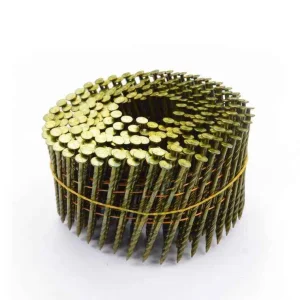
Precision 15 Degree Frame Coil Nails with Copper Plated Welding Wire
View Specifications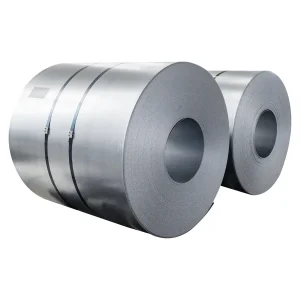
Galvannealed Steel Coil ZF60 ZF275 Zinc Iron Alloy DC51D Dx51D
View Specifications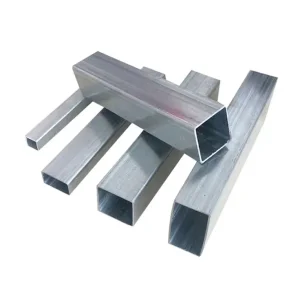
Pre-Galvanized Steel Tube 20*20 SHS RHS Zinc Coated Rectangular Section
View Specifications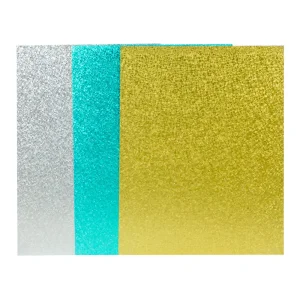
China Galvalume Aluzinc Roofing Sheets - Durable Metal Panels
View Specifications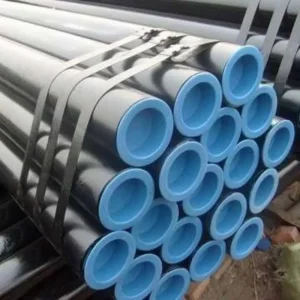
High-Quality Seamless Carbon Steel Pipe for Construction
View Specifications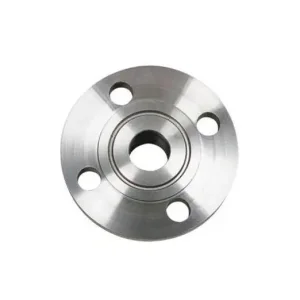
Slip on Plate Flanges Flat Plain Welding Carbon & Stainless Steel
View Specifications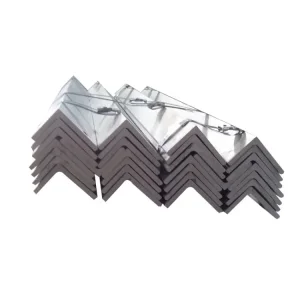
Hot Rolled Steel Angle Iron Beam Q195 Q215 for Structural Applications
View Specifications
Aluzinc Galvalume Roofing Sheets - Durable Zinc Aluminum Coated Steel
View SpecificationsFrequently Asked Questions (Q&A) for Global Steel Procurement
Expert answers regarding corrosion performance, material selection, trial orders, and mill certification.
How do wholesale steel manufacturers prevent rusting during long sea voyages?
Manufacturers deploy three-tier transit protection: 1) Chemical passivation or oiling (anti-rust oil); 2) VCI (Volatile Corrosion Inhibitor) paper wrapping that emits corrosion-inhibiting vapor inside the package; 3) Waterproof plastic lining sealed with steel edge protectors and metal strapping to block humid ocean air.
What is the difference between Pre-Galvanized and Hot-Dip Galvanized steel pipe?
Pre-galvanized pipe is formed from steel strip that is already galvanized ($60-120g/m^2$ zinc), offering a smooth aesthetic ideal for indoor tubing, furniture, and light fencing. Hot-dip galvanized pipe is dipped into molten zinc ($300-600g/m^2$) after welding, covering both interior and exterior surfaces with a much thicker zinc layer suited for outdoor, underground, and water conveyance applications.
How does Zinc-Aluminum-Magnesium (ZAM) self-heal sheared edges?
When ZAM coated steel is cut or punched, rainwater reacts with the coating to dissolve magnesium and aluminum ions. These ions flow over the exposed cut steel edge to form a dense, tightly adhering precipitate called Simonkolleite ($Zn_5(OH)_8Cl_2 \cdot H_2O$). This fine crystalline layer completely seals the cut bare edge from further rusting.
What is white rust (wet storage stain) and how can it be prevented?
White rust is zinc hydroxide formed when freshly galvanized steel is stored in tightly bound bundles with trapped moisture and restricted airflow. It is prevented by applying chromate-free passivation films, storing bundles under cover elevated off the ground, and ensuring moisture barrier VCI packaging during shipping.
Can buyers request small trial orders before placing high-volume contracts?
Yes. We accommodate trial orders and sample testing batches prior to long-term procurement contracts. This enables buyer engineering teams to perform spectral chemistry, mechanical tensile, hydrostatic, and salt spray verifications in local accredited laboratories.