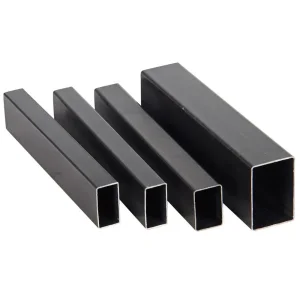
Prime Steel Coils, Plates & Industrial Structural Offerings
Explore mill-direct verified steel supply solutions optimized for drawing quality, high structural yield strength, and surface integrity.
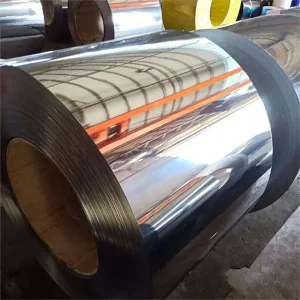
High-Quality China Electrolytic Tinplate (ETP) & TFS Tin Clad Steel Suppliers
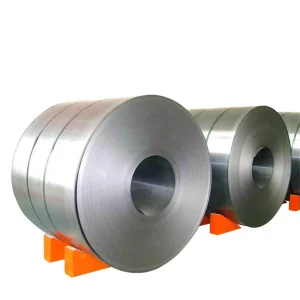
Wholesale High Strength Cold Rolled Steel Sheets for Extra Deep Drawing Quality
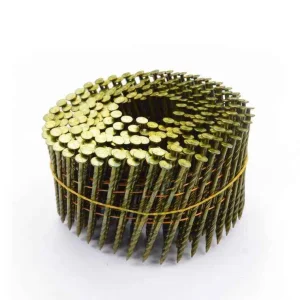
High-Quality High Precision 15° Coil Nails with Copper Plated Wire
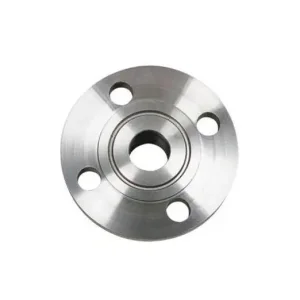
Wholesale China Suppliers Factory Slip on Plate Flanges - Flat Plain Welding Carbon Steel
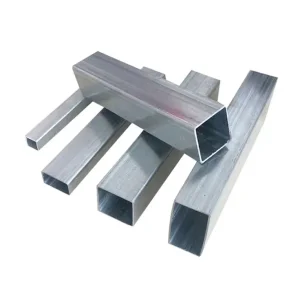
High-Quality Pre-Galvanized Steel Tube 20*20 SHS RHS - Zinc Coated Hollow Sections
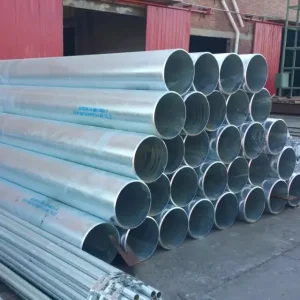
Wholesale High Strength Spiral Steel Pipe A53 A106GR.B Pressure Resistance Solutions
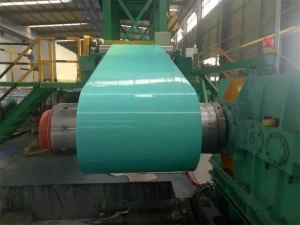
Wholesale China PPGI PPGL Galvanized Corrugated Metal Roofing Sheets - G550 Steel Plate
Wholesale High Strength Cold Rolled Steel Sheets for Extra Deep Drawing Quality
Executive Sourcing Summary: HRPO Steel Dynamics
Hot Rolled Pickled & Oiled (HRPO) steel represents one of the most cost-efficient structural materials bridging raw hot-rolled carbon steel and refined cold-rolled sheet products.
In modern industrial manufacturing, procurement executives and structural engineers face a persistent dilemma: hot rolled steel (HR) offers high strength at an attractive cost point but carries abrasive iron oxide mill scale ($\text{Fe}_2\text{O}_3$, $\text{Fe}_3\text{O}_4$, and $\text{FeO}$), while cold rolled steel (CR) provides superior surface finish and tight tolerances but comes at a steep price premium. Hot Rolled Pickled & Oiled (HRPO) steel bridges this gap perfectly.
By subjecting continuous hot-rolled strip to a controlled hydrochloric or sulfuric acid bath (Continuous Pickling Line), suppliers remove abrasive scale entirely. Subsequent electrostatic application of a rust-inhibitive oil film yields a smooth, clean surface ideal for laser cutting, precision stamping, welding, and direct powder coating. Sourcing directly from certified wholesale China suppliers and integrated steel mills unlocks massive Total Cost of Ownership (TCO) reductions for global OEMs.
Metallurgical Engineering & Acid Pickling Line Chemistry
An engineering deep-dive into how mill scale is chemically dissolved and how skin-pass rolling delivers precise mechanical properties.
1. Oxide Scale Formation & Removal
During hot rolling at temperatures exceeding 800°C (1472°F), carbon steel reacts with atmospheric oxygen, forming a three-layer oxide scale comprising Hematite ($\text{Fe}_2\text{O}_3$), Magnetite ($\text{Fe}_3\text{O}_4$), and Wüstite ($\text{FeO}$). In the continuous pickling line, heated hydrochloric acid ($\text{HCl}$, 15-20% concentration at 75-85°C) chemically reacts with these iron oxides, dissolving the scale completely without attacking the underlying base metal.
2. Tension Leveling & Skin-Pass Mill
Following acid rinsing and neutralization, high-end factories run the pickled coil through an inline tension leveller and skin-pass temper mill. Applying a slight cold reduction (0.5% to 1.5%) eliminates yield point elongation (Lüders bands), Fluting defects, and improves sheet flatness. This guarantees superior drawability and predictable springback during cold stamping operations.
3. Electrostatic Oiling Protection
Freshly pickled, un-scaled steel is highly susceptible to atmospheric oxidation (flash rust). Direct factory suppliers apply an electrostatic oiler to deposit a uniform, micro-thin film of rust-preventive oil (typically 1.0 to 2.5 $\text{g/m}^2$). This coating provides up to 6 months of transit rust protection while remaining fully compatible with commercial degreasing baths used in automotive wash lines.
| Material Feature / Parameter | Hot Rolled (HR) Steel | Hot Rolled Pickled & Oiled (HRPO) | Cold Rolled (CR) Steel |
|---|---|---|---|
| Surface Condition | Dark grey oxide scale, rough texture | Scale-free, smooth metallic lustre | Silky smooth, bright metallic finish |
| Surface Roughness ($R_a$) | 3.5 – 6.0 µm | 0.8 – 1.8 µm | 0.4 – 1.2 µm |
| Thickness Range | 1.5 mm – 25.0 mm+ | 1.2 mm – 10.0 mm | 0.3 mm – 3.0 mm |
| Laser Cutting Speed | Slow (scale causes beam reflection/spatter) | Fast (15-25% faster than HR) | Ultra-Fast (optimal beam focus) |
| Tooling & Die Wear | High (scale acts as an abrasive) | Low (protects stamping dies) | Very Low (minimal die friction) |
| Relative Cost Factor | 1.0x (Baseline) | 1.10x – 1.18x | 1.40x – 1.65x |
Global Enterprise Procurement Needs & Intent Analysis
Why leading Tier-1 procurement teams and OEMs prioritize direct wholesale factory partnerships for HRPO carbon steel coils and cut-to-length sheets.
Large-scale industrial procurement of hot rolled pickled steel goes beyond unit price per metric ton. Strategic buyers look at total manufacturing throughput, scrap rates, tool longevity, and supply chain reliability. Un-pickled steel forces downstream fabricators to invest in costly in-house shot blasting or chemical washing facilities, adding significant capital expenditure and environmental compliance headaches.
Tooling & Stamping Die Preservation
Iron oxide scale has a Mohs hardness of approximately 6, acting essentially like sandpaper against expensive carbide stamping tools and roll-forming dies. By shifting to HRPO steel, factory buyers extend stamping die lifespan by up to 300%, drastically reducing tool maintenance and machine downtime.
Precision Laser Cutting Efficiency
In modern fiber laser cutting centers, surface mill scale causes heat trapping, beam scattering, and severe dross formation on the underside of cut parts. HRPO steel enables smooth, high-velocity laser cutting with clean edges that require zero manual deburring before robotic welding.
Direct Paint & Coating Adhesion
Paint applied over hot rolled mill scale eventually flakes off as the scale breaks away from the base substrate due to mechanical stress or thermal expansion. HRPO steel offers an ideal micro-anchoring surface roughness ($R_a$ 1.2-1.6 µm) for direct powder coating and e-coating systems.
Common Steel Grades & Material Equivalents Matrix
| Steel Designation / Category | EN Standard (EN 10111 / EN 10149) | ASTM Standard (ASTM A1011) | JIS Standard (JIS G3131) | Primary Mechanical Property |
|---|---|---|---|---|
| Commercial / Stamping Quality | DD11 / DD12 | ASTM A1011 CS Type B | SPHC / SPHD | Yield Strength: 170 – 300 MPa |
| Deep Drawing Quality (DDQ) | DD13 / DD14 | ASTM A1011 DS Type B | SPHE / SPHF | Elongation ($A_{80}$): > 38% |
| Structural Carbon Steel | S235JR / S275JR | ASTM A1011 SS Grade 36 | SS400 | Yield Strength: ≥ 235 MPa |
| High Yield Structural (HSLA) | S355MC / S420MC | ASTM A1011 HSLAS Grade 50 | SAPH440 / SPFH590 | Yield Strength: ≥ 355 – 420 MPa |
| Ultra-High Strength Fine Grain | S700MC | ASTM A1011 HSLAS-F Grade 80 | Custom Mill Spec | Yield Strength: ≥ 700 MPa |
China Factory Supply Chain & Ecosystem Strategic Advantages
How integrated manufacturing hubs in Tianjin and Hebei leverage massive scale, state-of-the-art Continuous Pickling Lines (CPL), and port proximity.
China remains the undisputed epicenter of global steel production, accounting for over 50% of crude steel worldwide. However, for wholesale buyers, the competitive advantage lies not just in raw volume, but in the advanced technological integration of specialized industrial clusters—such as those surrounding Tianjin and Hebei Province.
Upstream Blast Furnace Integration
Direct access to molten iron and modern continuous casters ensures strict chemical purity, keeping tramp elements (P, S, N) extremely low for flawless weldability.
Continuous Automated Pickling (CPL)
Advanced fully closed-loop acid pickling lines utilize automated temperature control, turbulent acid jetting, and acid regeneration units for consistent surface finish.
Custom Slitting & Cut-To-Length
High-precision slitting heads cut narrow strips down to 30mm width, while automated rotary shears supply sheet leveling with tight length tolerances (±0.5mm).
Seaworthy Export Logistics
Proximity to Xingang (Tianjin Port) enables seamless ocean container loading, bulk vessel shipping, and specialized anti-humidity packaging.
Total Cost of Ownership (TCO) Optimization for Global Importers
When purchasing from established China HRPO steel manufacturers, enterprise buyers gain access to dynamic pricing structures that reflect raw iron ore movements in real-time. Paired with flexible Minimum Order Quantities (MOQ) for trial orders and specialized slitting configurations, overseas factories can optimize cash flow while securing consistent material supply for just-in-time (JIT) production schedules.
Localized Application Scenarios & Engineering Case Use
From automotive EV chassis subframes to heavy yellow-goods machinery and solar racking components.
Automotive Stamping & EV Structural Components
HRPO steel in S355MC, SAPH440, and DD13 grades is extensively specified for automotive control arms, suspension linkages, clutch brackets, truck wheel rims, and electric vehicle battery tray enclosures. Scale-free surface ensures robust seam welding and automated robot handling.
Heavy Machinery, Cranes & Yellow Goods
Heavy-gauge HRPO wide plates (4.0mm to 10.0mm) are used in manufacturing excavator booms, telescopic crane arms, agricultural plow frames, and chassis brackets. High-yield HSLA grades (S500MC / S700MC) allow significant structural lightweighting without sacrificing payload strength.
HVAC, Solar Mounting & Structural Tubing
Precision roll-formers utilize HRPO slit coils to produce rectangular and square structural hollow sections (SHS/RHS) and C/Z solar tracker purlins. The smooth finish allows direct post-galvanizing or electrostatic powder painting for outdoor corrosion protection.
Localization Support & Regulatory Compliance Framework
Mitigating cross-border trade risks through certified mill test certificates, environmental compliance, and specialized packaging.
Navigating international steel trade requires strict compliance with global technical standards, regional environmental directives, and rigorous quality assurance protocols. Reliable China wholesale exporters adhere to the following framework:
Mill Test Certificates (EN 10204 3.1)
Every shipped heat or batch is accompanied by a certified EN 10204 3.1 Mill Test Certificate (MTC) detailing chemical ladle analysis (C, Si, Mn, P, S, Al, Nb, V, Ti), tensile strength ($R_m$), yield point ($R_{eH}$), elongation percentage, and impact test energy ($J$) at specified temperatures.
REACH & RoHS Environmental Compliance
Process oils used in electrostatic oiling comply strictly with European REACH regulations and RoHS directives. Rust inhibitors are free from heavy metals, toxic solvents, or banned chemical compounds, ensuring safe worker handling and unhindered customs clearance into Europe and North America.
Seaworthy VCI Rust-Proof Packaging
To withstand multi-week ocean transit through high-humidity tropical zones, pickled coils are wrapped in heavy-duty VCI (Vapor Corrosion Inhibitor) plastic film, inner and outer steel edge protectors, corrugated metal circumferential jackets, and strapped to wood/steel skids.
Industry Trends & Future Technological Evolution
Key advancements shaping the future of hot rolled pickled steel manufacturing, including eco-friendly dry pickling and green steel decarbonization.
1. Eco Pickled Surface (EPS) & Dry Pickling
Next-generation steel mills are adopting mechanical slurry-blasting technologies known as Eco Pickled Surface (EPS). EPS removes mill scale using recirculated steel grit and water, eliminating hazardous acid waste streams entirely while producing a highly consistent, rust-resistant matte finish that requires no oiling.
2. Ultra-High Strength HSLA Lightweighting
Driven by vehicle electrification and carbon reduction mandates, steelmakers are pushing thermomechanically rolled HSLA pickled steels up to yield strengths of 900 MPa and 1100 MPa. These advanced grades allow structural engineers to reduce sheet gauge thickness while maintaining crash safety ratings.
3. Hydrogen-Based Green Steelmaking
Major steel groups in China are transitioning to Direct Reduced Iron (DRI) powered by green hydrogen fuel. Combining low-carbon steelmaking with energy-efficient pickling lines allows global enterprise buyers to meet Scope 3 carbon reduction targets without compromising material performance.
Frequently Asked Questions (Technical & Procurement Q&A)
Clear, authoritative answers to critical engineering, purchasing, and logistics questions concerning Wholesale HRPO Steel products.
Additional Factory Steel Products & Coated Solutions
Complete your sourcing inventory with mill-direct galvanized, electro-galvanized, stainless, and hollow structural section steel products.
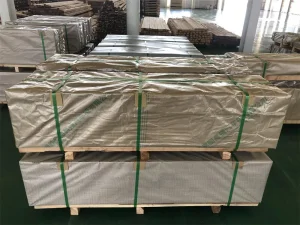
High-Quality China Electro-Galvanized Steel Plate SECC/SECD/SECE 20/20 Coating
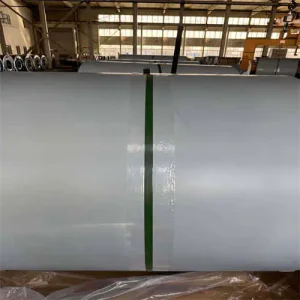
Wholesale China Suppliers Factory - SECC Electrical Galvanized Steel Coils for Door Gates
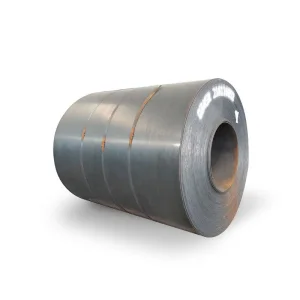
High-Quality Hot Rolled Pickled & Oiled (HRPO) Steel Heavy Gauge Wide Plate Finish
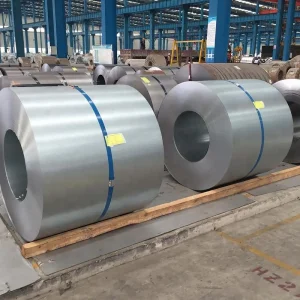
High-Quality China Suppliers of Galvanized Steel Coils for Construction & Industry
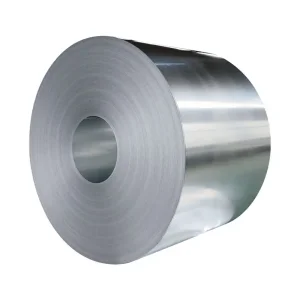
Wholesale China DX53D DX54D Aluminized Silicon Coating Coils Suppliers Factory
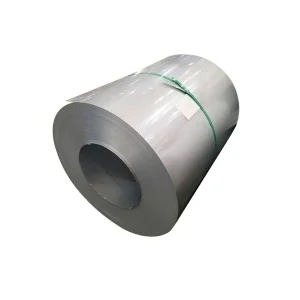
High-Quality China Factory Suppliers of 2B BA No.1 Cold Rolled Stainless Steel Coil
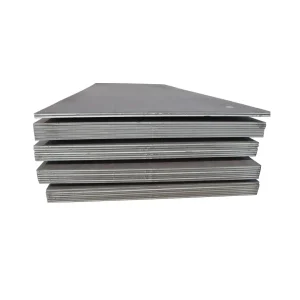
High-Quality Q235 Q195 Q345 ST S355 Hot Rolled Carbon Steel Plates Factory