
Featured Industrial Steel & Metal Packaging Supplies
Explore our certified mill-direct raw materials, prime tinplate, coated steel coils, and structural steel solutions manufactured to stringent international food-grade and structural standards.
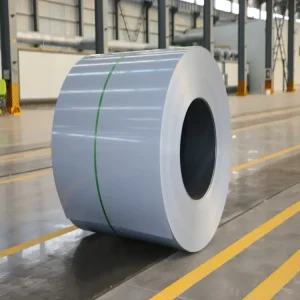


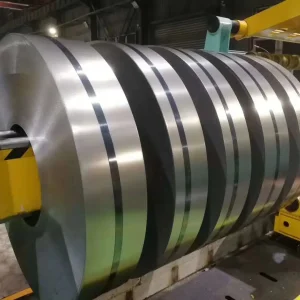
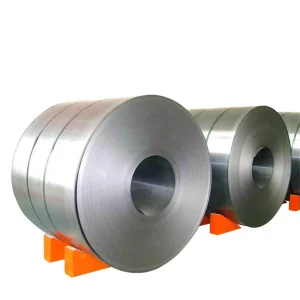

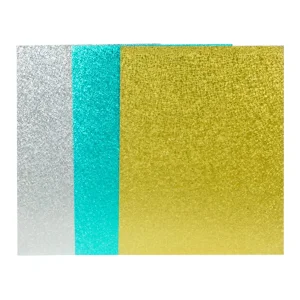
Metallurgical Precision & Food-Grade Electrolytic Tinplate (ETP) Specification
Demystifying food-grade tinplate chemistry, coating mass distribution, mechanical temper grades, and passivated barrier coatings required for long-shelf-life sanitary cans.
In modern rigid packaging engineering, Electrolytic Tinplate (ETP) represents one of the most technically demanding flat-rolled carbon steel products. Consisting of a cold-rolled low-carbon steel substrate electroplated with microscopic layers of pure elemental tin ($Sn$), food-grade tinplate acts as an impenetrable barrier against oxygen, ambient humidity, light, and microbiological contaminants. Achieving compliance with global food safety authorities—including the U.S. Food and Drug Administration (FDA 21 CFR 175.300), European Regulation (EU No 10/2011 & EC 1935/2004), and China GB 4806.9-2023—requires comprehensive metallurgical control throughout cold reduction, continuous annealing, reflow tin melting, and chemical passivation.
Substrate Steel Chemistry & Grades
Our food-grade tinplate utilizes high-purity, continuous-cast base steels including MR type (low residual elements for general food cans), L type (strictly limited trace elements for corrosive acidic fruits), and D type (aluminum-killed deep drawing steel for 2-piece seamless cans).
Coating Mass & Differential Plating
Equipped with state-of-the-art continuous electrolytic plating lines, we supply equal coating weight (e.g., 2.8/2.8 g/m²) and differential coating weight options (e.g., 5.6/2.8 g/m²). Differential coatings optimize cost for cans requiring high internal chemical resistance and moderate external exposure.
Passivation & Surface Topography
To prevent oxidation and tin oxide growth during storage and retort processing, tinplate sheets undergo chemical passivation (311 chromate treatment or next-generation Chromium-Free Titanium-based passivation). Finishes include Bright (reflowed mirror finish), Stone, Matte, and Silver.
Technical Specification & Temper Standard Breakdown
| Classification | Temper Grade | Hardness (HR30T) | Tensile Yield (MPa) | Primary Food Packaging Applications |
|---|---|---|---|---|
| Single Reduced (SR) | T1 (TH230) | 49 ± 3 | ~230 | Extra deep drawing, nozzle components, complex closures |
| Single Reduced (SR) | T2 (TH275) | 53 ± 3 | ~275 | Deep drawing bodies, screw caps, soft drink closures |
| Single Reduced (SR) | T3 (TH330) | 57 ± 3 | ~330 | 3-Piece general food can bodies, aerosol can bodies, ends |
| Single Reduced (SR) | T4 (TH380) | 61 ± 3 | ~380 | Stiff sanitary can bodies, food ends, crown caps |
| Single Reduced (SR) | T5 (TH415) | 65 ± 3 | ~415 | High pressure resistance can bodies, large square oil cans |
| Double Reduced (DR) | DR7 (TH520) | 73 ± 3 | ~520 | Ultra-thin down-gauged round can bodies, light-weight ends |
| Double Reduced (DR) | DR8 (TH550) | 76 ± 3 | ~550 | High strength, thin-wall food can bodies, easy-open ends (EOE) |
| Double Reduced (DR) | DR9 (TH620) | 80 ± 3 | ~620 | Extreme stiffness applications, ultra-light aerosol and food bottoms |
Why Global Brands Source Food-Grade Tinplate from Leading Chinese Factories
Consolidating raw material purity, state-of-the-art cold rolling technology, and integrated lacquer coating capabilities into an unmatchable value proposition.
Fully Integrated Supply Chain Infrastructure
China’s premier steel manufacturers operate fully integrated production clusters. From direct iron ore reduction to continuous casting, 5-stand tandem cold reduction mills, continuous annealing lines (CAL), and electro-tinning lines (ETL), full traceability and tight tolerance control (±0.005mm) are standard across batch outputs.
Advanced Coating & Printing Technologies
Modern Chinese factories feature multi-color high-speed offset printing presses and precision lacquering lines directly integrated with tinplate processing. Inner lacquers—such as BPA-Non Intent (BPA-NI) epoxies, organosols, phenolic resins, and gold/clear enamels—are cured in computer-controlled thermal tunnels to ensure zero migration and maximum retort resistance.
Unrivaled Down-Gauging & Cost Efficiency
Through continuous investments in Double Reduced (DR) rolling mills, Chinese factories lead the global shift toward ultra-thin tinplate packaging (down to 0.13mm - 0.17mm). This allows international can makers to cut raw material mass by up to 20% per container without sacrificing axial load strength or internal pressure capacity.
Macro Trends Shaping the Food-Grade Tinplate Packaging Industry
From non-bisphenol lacquers to circular economy mandates, examine the regulatory and environmental drivers accelerating tinplate adoption globally.
1. Rapid Transition to BPA-NI Lacquers
Regulatory bans on Bisphenol A (BPA) across the European Union, California (Prop 65), and major Asian markets have made BPA-NI (BPA Non-Intent) internal coatings mandatory. Modern food-grade tinplate suppliers utilize polyester, modified acrylic, and vinyl-based lacquers that maintain acid resistance for aggressive foods like tomatoes, citrus, and sulfur-rich seafood without compromising consumer health.
2. Decarbonization & Circular Economy Superiority
Tinplate metal packaging boasts a closed-loop recycling rate exceeding 80% in many developed economies—substantially outperforming single-use plastics and flexible multi-layer laminates. Magnetic sorting at recycling facilities makes steel recovery effortless, drastically reducing carbon emissions during re-smelting compared to primary steelmaking.
3. Compliance with EU REACH & Chromium-Free Passivation
With the EU REACH framework phasing out hexavalent chromium ($Cr^{6+}$) in industrial processing, tinplate mills have introduced revolutionary Chromium-Free Passivation (CFP) coatings. Utilizing titanium and zirconium oxide conversion films, CFP tinplate matches traditional 311 chromate passivation in paint adhesion, shelf-life performance, and rust prevention during sea transit.
Targeted Tinplate Solutions across Food & Beverage Sectors
Tailored surface finishes, temper ratings, and lacquer combinations engineered specifically for demanding food processing environments.
3-Piece Processed Food Cans
Suitable Grades: SR T3, T4 / DR8 | Coating: 2.8/2.8 or 5.6/2.8 g/m²
Designed for high-speed cylinder body welding. Excellent resistance to high-temperature steam sterilization (retort at 121°C for 60+ mins). Perfect for canned vegetables, fruits, ready meals, and soup cans.
2-Piece DRD & DI Seamless Cans
Suitable Grades: Deep Drawing Steel D Grade, SR T1, T2
Formed via Draw & Redraw (DRD) or Drawing & Ironing (DI). Eliminates body side-seams completely, providing 100% leak-proof reliability for canned tuna, sardine, meat, and shallow oval containers.
Milk Powder & Infant Formula Cans
Suitable Grades: Bright Surface Finish, SR T3 / DR8
Requires absolute hermetic sealing, zero pinhole defects, and clean surface cosmetics to support high-definition lithographic brand printing and easy-open peel-off foil membranes.
Edible Oils, Ghee & Beverage Closures
Suitable Grades: SR T3, T4, T5 | TFS (ECCS) Alternatives
Rigid rectangular/square oil cans (1L to 18L capacity) and precision-stamped crown caps, twist-off lug caps, and aluminum-steel hybrid closures designed to resist grease migration and atmospheric oxidation.
Enterprise Sourcing Protocol & Quality Assurance Checklist
A systematic verification matrix for international procurement directors, packaging engineers, and QA auditors sourcing commercial food-grade tinplate.
Key Verification Criteria
• Thickness Tolerance: Verify strict compliance within ±0.005mm using continuous laser line gauges.
• Tin Coating Weight Verification: Execute X-ray Fluorescence (XRF) or wet chemical titration tests per ISO 11949.
• Pinhole Detection: Ensure 100% online optical pinhole detection to guarantee zero micro-porosity in thin-gauge coils (<0.20mm).
• Fe-Sn Alloy Layer Control: Check reflow quality to ensure a robust iron-tin alloy layer ($FeSn_2$) that prevents subsurface corrosion.
Seaworthy Export Packaging Specification
To prevent rust, water stain, and physical edge crimping during long-distance ocean shipping, all tinplate sheets and coils are protected via:
1. Anti-rust VCI (Vapor Corrosion Inhibitor) paper wrapping.
2. High-density polyethylene (HDPE) plastic barrier film.
3. Galvanized steel outer protective corner covers & steel strapping.
4. Heavy-duty wooden skids / pallets oriented for forklift handling (Max 3.5 - 5.0 MT coil weight).
Electrolytic Tinplate (ETP) vs. Tin-Free Steel (TFS / ECCS) vs. Aluminum
Selecting the optimal metallic substrate based on cost, chemical resistance, formability, and processability.
| Performance Parameter | Electrolytic Tinplate (ETP) | Tin-Free Steel (TFS / ECCS) | Aluminum Alloy (3004 / 5052) |
|---|---|---|---|
| Metallic Coating | Pure Electrolytic Tin ($Sn$) | Metallic Chromium + Chromium Oxide ($Cr / CrO_x$) | None (Solid Aluminum Alloy) |
| Weldability | Excellent (High-speed resistance welding) | Poor (Requires edge grinding for welding) | Not weldable on standard can lines |
| Solderability & Joining | Superior soldering & seam joining | Bonding via organic adhesive / cement only | Mechanical seaming / laser welding |
| Lacquer / Paint Adhesion | Very Good (Requires passivation) | Exceptional (Superior oxide film bonding) | Good (Requires pretreatment) |
| Acid Corrosion Resistance | Outstanding (Sacrificial Sn protection) | Moderate (100% dependent on lacquer film integrity) | High (Requires specialized organic linings) |
| Relative Raw Material Cost | Moderate / High Value | Economical (~10-15% cheaper than ETP) | Highest (Volatile LME pricing) |
| Primary Applications | 3-Piece food cans, beverage bodies, milk powder, aerosol | Can ends, drawn bottoms, crown caps, shallow DRD cans | 2-Piece beverage cans, easy-open ends, foil caps |
Complete Factory Raw Material & Steel Product Portfolio
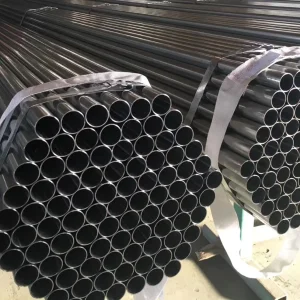
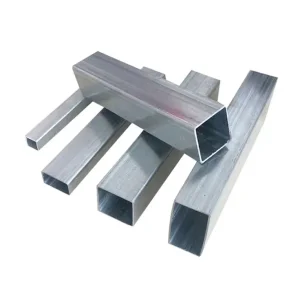
Review our complementary steel supplies, electrical silicon coils, galvanized pipes, and industrial structural steel offerings.
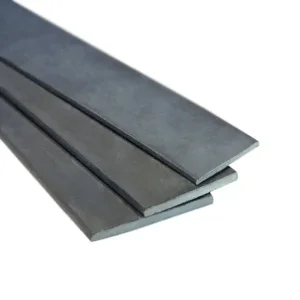

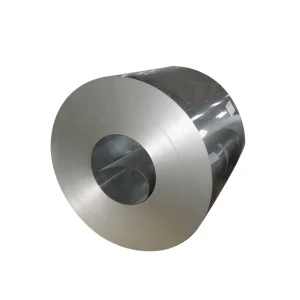
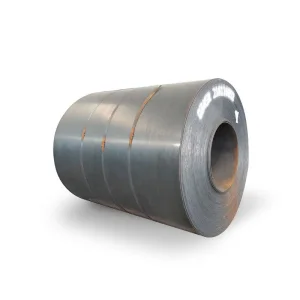
Technical & Sourcing Frequently Asked Questions
Expert answers to critical technical questions regarding food-grade tinplate chemistry, coating selections, storage guidelines, and factory order specifications.
What fundamentally defines "Food Grade" Tinplate compared to standard commercial tinplate?
Food-grade tinplate strictly complies with international food contact chemical safety standards (e.g., FDA 21 CFR 175.300, EU 10/2011, GB 4806.9). Key differences include: (1) Base steel purity with tight restrictions on heavy metals like lead ($Pb$), arsenic ($As$), and cadmium ($Cd$); (2) 99.90% pure tin anode raw material; (3) Application of non-toxic food-contact lacquers (such as BPA-NI or specialized epoxy-phenolic resins); and (4) Strict cleanroom manufacturing environments guaranteeing zero oil contamination or metallic dust inclusions.
How do I choose between Single Reduced (SR) and Double Reduced (DR) tinplate temper grades?
Single Reduced (SR) tinplate (Tempers T1 to T5) undergoes cold rolling followed by annealing and a light skin pass. It offers high ductility, excellent formability, and is ideal for deep-drawn components, complex end profiles, and general 3-piece bodies. Double Reduced (DR) tinplate (Tempers DR7 to DR9) undergoes a second substantial cold reduction after annealing. This creates significantly higher yield strength and stiffness, permitting down-gauging (thinner walls) for cylindrical can bodies and flat sanitary ends while maintaining vacuum collapse resistance.
What is Differential Coating and why is it beneficial for food cans?
Differential coating refers to applying different thicknesses of tin electroplate on either side of the steel sheet (for example, 5.6 g/m² on one side and 2.8 g/m² on the other, designated as 5.6/2.8). This allows can makers to place the heavier tin layer inside the container where aggressive food acids demand superior chemical barrier protection, while using a lighter, more economical tin layer on the outside where ambient humidity exposure is moderate. The heavier side is marked with continuous line indicators during production to prevent coil orientation errors during can fabrication.
What causes Sulfur Staining in canned protein products, and how is it prevented?
Sulfur staining occurs when sulfur-containing proteins in foods like meat, fish, seafood, and corn break down during high-temperature retort sterilization (121°C+), releasing hydrogen sulfide gas ($H_2S$). This gas reacts with the metallic tin or steel base to form harmless but visually unappealing brown or black stannous sulfide ($SnS$) or iron sulfide ($FeS$) stains. To prevent this, tinplate intended for sulfur-rich foods is coated with internal lacquers containing Zinc Oxide ($ZnO$) or Aluminum powder additives that bind sulfur ions into transparent compounds.
What internal lacquer options are available for acidic food processing?
For highly acidic food products (such as canned tomatoes, pineapples, pickles, and citrus fruits), we recommend: (1) BPA-NI Polyester Lacquers for modern regulatory compliance; (2) Epoxy-Phenolic Lacquers offering outstanding acid barrier properties and flexibility; or (3) Organosol Linings designed for aggressive deep drawing applications where film integrity must be preserved across extreme metal elongation.
How should food-grade tinplate coils and sheets be stored to prevent oxidation?
Tinplate materials must be stored inside a temperature-controlled, dry warehouse with relative humidity kept strictly below 60%. Pallets should be elevated off concrete floors, kept away from direct moisture or atmospheric chemical vapors, and left in their original seaworthy VCI protective packaging until immediately prior to printing or slitting. Rapid temperature fluctuations must be avoided to prevent condensation ("sweating") on the metal surface.
What surface finishes are available for Food-Grade Tinplate, and what are their typical uses?
We supply four standardized surface topographies: (1) Bright Finish: Reflowed tin surface providing a smooth, mirror-like luster ideal for high-gloss lithographic printing; (2) Stone Finish: Special polished ground roll pattern that minimizes surface scratches during high-speed handling; (3) Matte Finish: Non-reflowed dull matte surface providing smooth, uniform lacquering performance; and (4) Silver Finish: Rough shot-blasted pattern for specialized artistic metal packaging.
What is Tin-Free Steel (TFS/ECCS) and can it replace Electrolytic Tinplate?
Tin-Free Steel (TFS), also known as Electrolytic Chromium Coated Steel (ECCS), features a microscopic coating of metallic chromium and chromium oxide instead of tin. TFS offers superior lacquer adhesion and is approximately 10-15% less expensive than ETP. However, because TFS cannot be resistance-welded on standard 3-piece can body lines, it is primarily used for 2-piece drawn bottoms, easy-open ends (EOE), crown corks, and screw caps rather than welded 3-piece can bodies.
What custom dimensions, cut-to-length, and slitting services do Chinese factories provide?
Leading factories offer comprehensive coil slitting and sheet scroll-cutting services. Scroll-cut sheets (zigzag edges tailored to round can end stamping) optimize material yield, reducing metal scrap by 3% to 5% during high-speed stamping. Precision width slitting down to ±0.1mm is available for narrow coil strip feeding.
What documentation is supplied with export shipments to verify food-grade compliance?
Every commercial shipment includes an official Mill Test Certificate (MTC) conforming to EN 10204 3.1. The MTC certifies chemical composition, mechanical hardness testing, tin coating weight analysis ($g/m²$), surface passivated film metrics, mechanical temper values, and compliance statements for FDA, EU, and ISO 22000 quality food safety standards. Third-party inspection reports (SGS, BV, Intertek) can be provided upon request.