
Primary Structural & Industrial Steel Pipe Solutions
Engineered to strict international standards (ASTM, EN, BS, JIS) with rigorous quality validation.
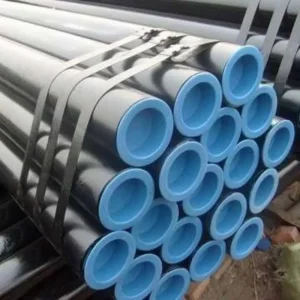
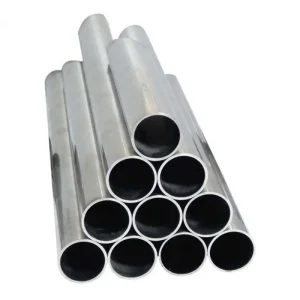
The Global Industrial Landscape of Tubular Steel Engineering
Analyzing structural shifts, metallurgical standards, and supply chain demands across modern energy, infrastructure, and manufacturing ecosystems.
The global steel tube and pipe market represents the backbone of modern industrial infrastructure, fluid transportation, energy generation, and architectural engineering. Valued at over USD 90 billion globally and projected to sustain steady compound annual growth driven by urbanization, renewable energy transitions, and industrial modernization, tubular steel products serve as essential structural elements. Demand patterns have evolved significantly from standard carbon steel conduit purchasing toward highly specialized, high-yield, corrosion-resistant, and dimensionally tight tubular solutions.
Modern engineering projects—ranging from high-pressure hydrogen pipeline networks and deep-sea offshore platforms to high-rise building frames utilizing Structural Hollow Sections (SHS/RHS)—demand absolute metallurgical consistency. In response to increasing environmental exposure, chemical aggression, and mechanical fatigue, global procurement standards have tightened under specifications such as ASTM A500, EN 10219, API 5L PSL2, and ISO 3183. Today’s industrial procurement teams are tasked not only with sourcing compliant physical pipe products, but also with securing full supply-chain traceability, certified Mill Test Certificates (MTC EN 10204 3.1/3.2), and optimized lifecycle cost structures.
The Tianjin Manufacturing Advantage: Efficiency & Quality Synergy
How integrated steel supply chains, automated high-frequency welding, and continuous dipping lines yield unrivaled cost-per-ton value.
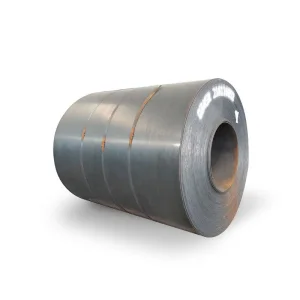
Upstream Coil Integration
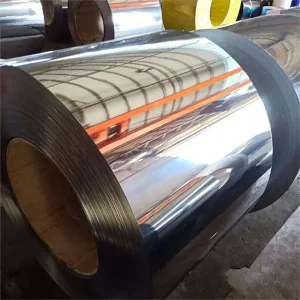
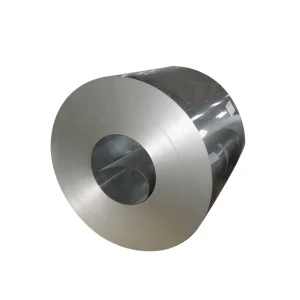
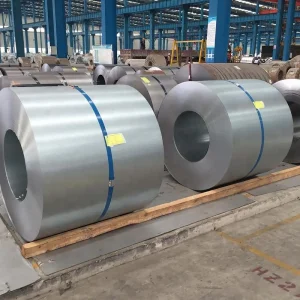
Direct integration with premier primary steelmakers (BaoSteel, Shougang, HBIS) allows mill-direct procurement of hot-rolled and cold-rolled coil stock, ensuring flawless chemistry control and reduced raw material lead times.
High-Frequency Welding (HFW)
Utilizing state-of-the-art solid-state High-Frequency Resistance Welding (HFW) lines with automated inner seam (bead) trimming and inline ultrasonic testing (UT) guarantees weld seam strength matching parent metal.
Precision Galvanizing Control
Fully automated hot-dip dipping kettles maintain precise molten zinc temperatures, forming smooth, metallurgically bonded Fe-Zn alloy layers that pass rigorous ASTM B117 salt spray corrosion endurance trials.
Technical Benchmark: Pipe Manufacturing Processes & Metallurgical Specs
Selecting the optimal steel pipe standard requires understanding the mechanical performance, dimensional tolerances, and coating mechanics governing different manufacturing methodologies. Below is an engineering comparison matrix for technical procurement decisions:
| Manufacturing Process | Common Standards | Size Range (OD) | Wall Thickness (WT) | Primary Industrial Utility |
|---|---|---|---|---|
| ERW / HFW (Electric Resistance) | ASTM A53, EN 10219, GB/T 3091 | 21.3mm - 610mm (1/2" to 24") | 1.2mm - 22mm | Structural framing, scaffolding, water conveyance, low-pressure gas line pipe. |
| Seamless (Hot Rolled / Cold Drawn) | ASTM A106 Gr. B, API 5L, DIN 17175 | 10.3mm - 813mm (1/8" to 32") | 1.73mm - 60mm | High-pressure boilers, thermal power generation, hydraulic lines, oil & gas OCTG. |
| SSAW / HSAW (Spiral Welded) | API 5L PSL1/PSL2, ASTM A252 | 219mm - 3048mm (8" to 120") | 5.0mm - 25.4mm | Cross-country oil/water transmission lines, structural piling, marine foundation caissons. |
| Pre-Galvanized (Gi Tube) | ASTM A500, BS 1387, EN 10255 | 15mm x 15mm to 150mm x 150mm | 0.6mm - 4.5mm | Agricultural greenhouses, solar mounting trackers, electrical conduit, metal fencing. |
| Galvannealed (Zinc-Iron Alloy) | JIS G3302, ASTM A653, DC51D+ZF | Coil / Formed Sheet/Tube | 0.4mm - 3.2mm | Automotive stamped body components, high-paintability OEM enclosures, HVAC units. |
Galvanization Chemistry & Corrosion Resistance Dynamics
The protective capability of galvanized steel pipe depends primarily on coating thickness and micro-structural adhesion. In Hot-Dip Galvanizing (HDG), pre-cleaned structural steel is immersed in molten zinc at approximately 450°C (842°F). A series of zinc-iron alloy layers (Gamma, Delta, Zeta) form beneath an outer layer of pure zinc (Eta). This metallurgical bond provides dual protection:
- Barrier Protection: Seals the underlying carbon steel from moisture, oxygen, and atmospheric pollutants.
- Galvanic (Cathodic) Protection: Zinc acts as a sacrificial anode, corroding preferentially to protect exposed steel at cuts, drill holes, or surface scratches.
Localized Application Scenarios & Engineering Integrations
Tailored tube and coil solutions optimized for severe environmental stressors and demanding operational conditions.
Modern Agriculture & Greenhouses
High-zinc hot-dip galvanized round and oval pipes provide superior anti-corrosion performance in humid, chemical-laden agricultural microclimates. Prevents structural degradation from fertilizers and pesticide sprays.
Architectural Structural Hollow Sections
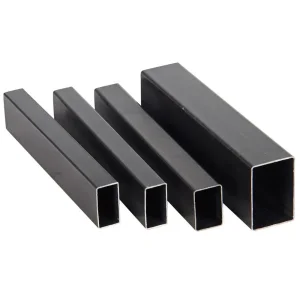
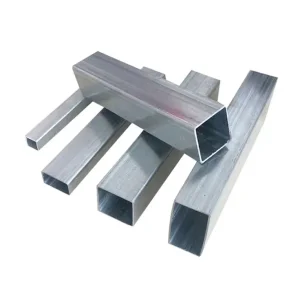
Square (SHS) and Rectangular (RHS) tubing produced to ASTM A500 Grade B/C offer high torsional stiffness and clean geometry for airport terminal frames, stadium trusses, and industrial warehouse columns.
Energy Infrastructure & Fluid Lines
API 5L PSL2 line pipes and seamless carbon steel tubes are engineered to withstand high burst pressures, thermal stress, and sour gas environments (H2S), ensuring safe hydrocarbon and water transmission.
Precision Automotive & Electrical OEMs
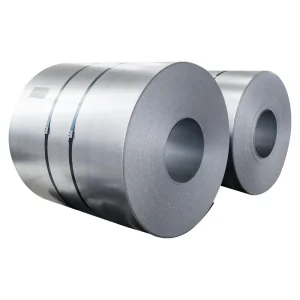
Cold-rolled electro-galvanized (SECC/SECD) and Galvannealed (ZF275) steel coils deliver ultra-flat tolerances and exceptional weldability for appliance panels, electrical motor stampings, and automotive chassis parts.
Future Trajectories: Sustainable Decarbonization & Next-Gen Steel Alloys
The global steel tube manufacturing sector is undergoing a fundamental transformation driven by decarbonization mandates, environmental compliance targets (such as the EU Carbon Border Adjustment Mechanism - CBAM), and the push toward green building certifications (LEED, BREEAM). Leading Chinese manufacturers are investing heavily in low-carbon steelmaking technologies and ultra-durable alloy systems.
EAF & Hydrogen-DRI Steelmaking
Shifting from traditional Blast Furnace (BF-BOF) routes to Electric Arc Furnaces (EAF) utilizing direct reduced iron (DRI) powered by green hydrogen reduces embedded carbon emissions per ton of steel pipe by up to 60%.
Zinc-Aluminum-Magnesium Coatings
Zn-Al-Mg coated steel tube products provide up to 5 times the self-healing cut-edge corrosion resistance of standard GI pipe, making them the preferred material for solar PV mounting structures in saline coastal regions.
Digital Traceability & Smart QC
Implementation of RFID and QR-code tracking etched directly onto pipe surfaces enables instantaneous verification of heat numbers, chemical composition, wall thickness logs, and original mill certificates by site engineers.
Global Sourcing Strategy: Risk Mitigation for Overseas Buyers
Procuring large quantities of structural and fluid steel pipe directly from international suppliers requires careful evaluation of manufacturing capability, quality control protocols, and shipping logistics. Buyers can mitigate procurement risks through key technical and commercial steps:
- Mill Test Certificate Verification (EN 10204 3.1): Ensure every shipment is accompanied by original mill test documents detailing heat numbers, chemical ladle analysis (C, Mn, P, S, Si), tensile yield strength, elongation, and hydrostatic test results.
- Third-Party Quality Audits: Request independent inspection before dispatch (via SGS, Bureau Veritas, or TÜV) to verify dimensional tolerances (OD, WT, Length straightness), coating thickness (galvanizing gauge in microns), and non-destructive eddy-current or ultrasonic weld testing.
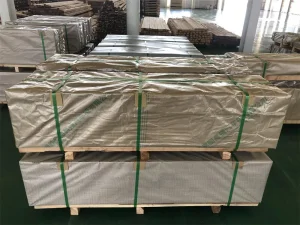
- Seaworthy Export Packaging Protocols: Steel pipe bundles must be secured with heavy-duty steel strapping, protective plastic end-caps to preserve thread integrity, anti-rust oiled paper wrappings, and wooden dunnage to prevent moisture ingress and mechanical abrasion during oceanic transport.
Extended Steel Product Catalog
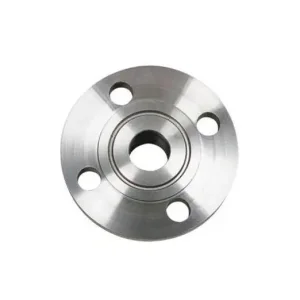
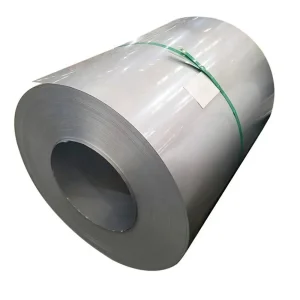
Precision-rolled coils, structural plates, pipe flanges, and custom cold-formed steel solutions.
Frequently Asked Questions: Sourcing Steel Pipe & Tube
Expert responses to critical engineering, manufacturing, and international procurement queries.
What is the key technical difference between Pre-Galvanized and Hot-Dip Galvanized (HDG) steel pipe?
How is theoretical weight calculated for carbon steel pipe?
Weight (kg/m) = 0.02466 × t × (D - t)
Where D represents the Outer Diameter (OD) in millimeters, and t represents the nominal Wall Thickness (WT) in millimeters. For square hollow sections (SHS), the formula is: Weight (kg/m) = 0.0157 × t × (A - t), where A is the side length in mm.