
Featured HRPO Steel & Structural Products
Explore our export-grade hot rolled pickled & oiled coils, heavy plates, structural beams, and coated tubular products manufactured to global quality standards.
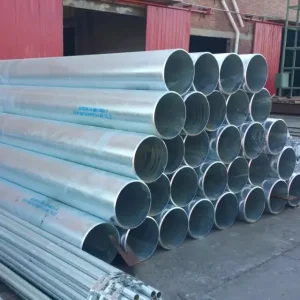
High-Quality High Strength Spiral Steel Pipe A53 A106GR.B Supplier
View Product Specifications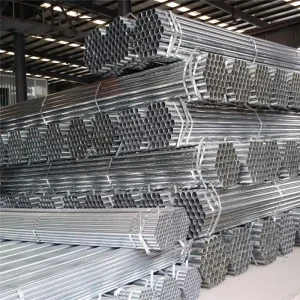
Wholesale Thick-Wall Pre-Galvanized Steel Pipe for Greenhouse
View Product Specifications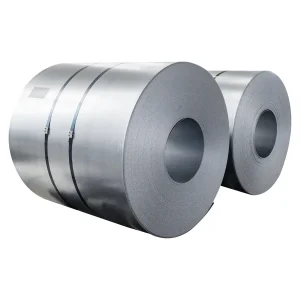
Zinc Iron Alloy DC51D Dx51d ZF60 ZF275 Galvannealed Coil
View Product Specifications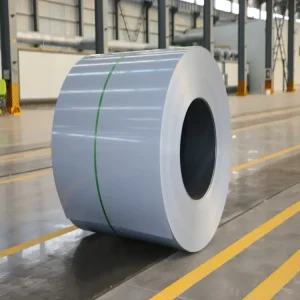
G550 PPGI PPGL Galvanized Corrugated Metal Roofing Sheets
View Product Specifications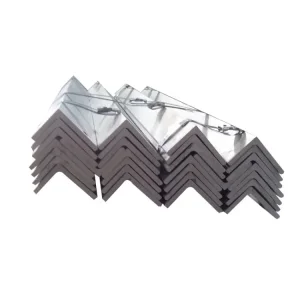
Hot Rolled Q195 Q215 Steel Angle Iron Beam for Structural Use
View Product Specifications
High-Quality Thick-Wall Pre Galvanized Steel Pipe Structure
View Product Specifications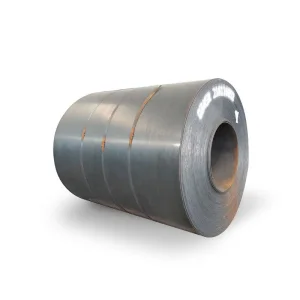
Hot Rolled Pickled & Oiled (HRPO) Heavy Gauge Steel Plate
View Product Specifications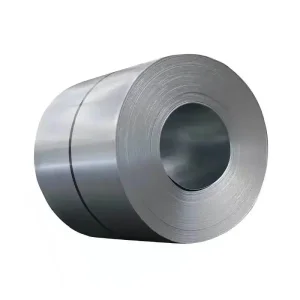
Non-Grain Oriented Silicon Steel Coil M310 M350 M470 M800
View Product SpecificationsComprehensive Industry White Paper: Metallurgical & Commercial Benchmark of HRPO Steel
An authoritative technical evaluation of Hot Rolled Pickled & Oiled (HRPO) steel coils, plates, and structural components for global procurement officers and design engineers.
Hot Rolled Pickled and Oiled (HRPO) steel represents a critical midstream metallurgical material bridging the structural economy of standard hot-rolled carbon steel with the pristine surface characteristics of cold-rolled steel. By subjecting hot-rolled coils to a continuous hydrochloric acid bath, steel manufacturers eliminate iron oxide scale (Fe₂O₃, Fe₃O₄, and FeO) formed during high-temperature rolling. This chemical descaling is immediately followed by electrostatic application of rust-preventative oil, creating a clean, workable substrate optimized for precision stamping, laser cutting, welding, and direct powder coating.
Information Gain Key Takeaway: Transitioning from conventional hot-rolled black steel to HRPO steel reduces tool wear on stamping dies by up to 35%, eliminates the expense and environmental hazard of in-house mechanical shot-blasting, and improves welding speed and weld seam integrity due to the complete removal of non-conductive oxide scale layers.
1. Global Commercial & Industrial Landscape
The global demand for Pickling and Oiling Steel is surging across key manufacturing hubs, driven by rapid automation in automotive assembly lines, expansion of agricultural infrastructure, high-density warehouse racking, and green energy equipment manufacturing. Unlike traditional hot-rolled steel—which suffers from abrasive surface scale that ruins tooling—or cold-rolled steel, which carries a premium price tag and thickness limitations, HRPO delivers an ideal cost-to-performance equilibrium.
In North America and Europe, stringent environmental regulations governing industrial chemical washing make local in-factory acid pickling financially prohibitive for small-to-medium fabricators. As a result, manufacturing enterprises increasingly rely on tier-1 foreign steel suppliers and specialized pickling factories that deliver pre-pickled, ready-to-fabricate HRPO steel coils, sheets, and processed profiles. Meanwhile, the Asia-Pacific region, led by advanced steel supply chains in China, has scaled up continuous push-pull pickling lines equipped with automated acid concentration sensors and electrostatic oilers, establishing unmatched cost efficiency and dimensional reliability for global export markets.
2. Chemical & Tribological Mechanics of Pickling & Oiling
To fully grasp why leading original equipment manufacturers (OEMs) mandate HRPO steel specifications, it is necessary to examine the microscopic interface between the acid solution and the hot-rolled scale structure:
Scale Breaker Mechanical Flexing
Hot rolled coils undergo controlled mechanical flexing through multi-roll levelers to micro-fracture the tough outer magnetite (Fe₃O₄) and hematite (Fe₂O₃) scale shell.
Hydrochloric Acid (HCl) Dissolution
Coils enter multi-stage turbulent HCl immersion tanks at 80°C–90°C. Acid penetrates scale micro-fissures to dissolve the porous inner wüstite (FeO) layer, cleanly lifting off scale flakes.
Multi-Stage Deionized Water Rinse
High-pressure rinse cascades remove remaining chloride ions and iron salts, preventing post-treatment flash rusting and preserving metallic purity.
Electrostatic Rust-Preventative Oiling
An electrostatic oil applicator deposits a uniform film of corrosion-inhibiting oil (typically 1.0 to 2.5 g/m² per side), ensuring a 3-6 month rust-free storage shelf life.
3. International Standard Specifications & Comparative Metallurgy
Procurement teams must carefully align regional grade designations when sourcing HRPO steel from international mills. The table below outlines cross-reference standards, mechanical property profiles, and typical industrial end-uses:
| Standard Region | Steel Grade | Yield Strength (MPa) | Tensile Strength (MPa) | Elongation A80 (%) | Primary Industrial Applications |
|---|---|---|---|---|---|
| EN 10111 (EU) | DD11 / DD12 | 170 – 340 | 440 Max | ≥ 28 | Deep drawing, automotive brackets, HVAC housings |
| ASTM A1011 (USA) | CS Type B / DS Type B | 200 – 310 | 380 – 480 | ≥ 30 | Stamping, unexposed auto structural, storage racks |
| JIS G3131 (Japan) | SPHC / SPHD | 225 Min | 270 Min | ≥ 31 | Chassis components, machinery frames, general bending |
| GB/T 700 (China) | Q235B / Q355B HRPO | 235 – 355 | 370 – 510 | ≥ 26 | Heavy structural plates, crane booms, pipe manufacturing |
4. Industry Trends & Technical Roadmap (2025–2035)
The manufacturing sector for pickling and oiling steel is experiencing significant technological transformations designed to enhance sustainability, surface performance, and downstream process integration:
Closed-Loop Acid Regeneration Systems
Modern steel factories operate spray-roaster and fluid-bed roasting units that recover up to 99.5% of spent Hydrochloric Acid (HCl), virtually eliminating hazardous chemical discharge and slashing production costs.
Eco-Friendly Bio-Based & Dry Lubricant Oils
To reduce degreasing costs for automotive paint shops, mills are transitioning from heavy mineral oils to water-washable synthetic bio-oils and dry-film lubricants that provide dual corrosion protection and press friction control.
Advanced High-Strength HRPO (AHSS)
Development of Pickled & Oiled Dual-Phase (DP590/DP780) and Complex-Phase (CP) steel grades allows heavy equipment manufacturers to lightweight structural frames without sacrificing tensile yield resilience.
5. Macro Industry Solutions & Supply Chain Optimization
When purchasing HRPO steel coils, plates, or hollow sections from overseas mills, procurement teams must implement robust quality assurance protocols. Key criteria for verifying supplier capability include:
- Surface Roughness Control (Ra & Rz): Ensuring controlled roughness parameters (typically Ra 0.8–1.6 µm) via skin-pass rolling to optimize paint adhesion while maintaining anti-galling lubrication during stamping.
- Oil Weight Consistency: Verifying electrostatic oiling weights using infrared oil thickness meters across the coil width to prevent dry spots (which rust) or excess pooling (which slips in coil feeders).
- Mill Test Certification (EN 10204 3.1): Demanding complete chemical heat analysis (C, Mn, P, S, Si, Al) and mechanical test verification (yield, tensile, impact energy at low temperatures).
- Seaworthy Export Packaging: Requiring anti-rust VCI (Vapor Corrosion Inhibitor) paper wrapping, outer steel protective sleeves, radial and circumferential steel strapping, and heavy-duty wooden skids for ocean freight.
Technical Procurement Q&A: HRPO Steel Solutions
Expert insights answering critical engineering, metallurgical, and logistics questions raised by international buyers.
What is the main difference between Hot Rolled Pickled & Oiled (HRPO) steel and Cold Rolled (CR) steel?
Why choose HRPO steel over standard Black Hot Rolled steel for stamping and fabrication?
How long does the rust-preventative oil protect HRPO steel during ocean shipping and storage?
Can HRPO steel be directly welded and painted upon delivery?
What thickness tolerances and width specifications can your factory supply for HRPO steel?
How does your factory prevent hydrogen embrittlement during acid pickling of high-strength HRPO grades?
Additional Steel Coils, Plates & Processed Pipe Inventory
Browse our expanded portfolio of square tubing, structural plates, galvalume coils, flat bars, and specialized electrical steel for global industrial projects.
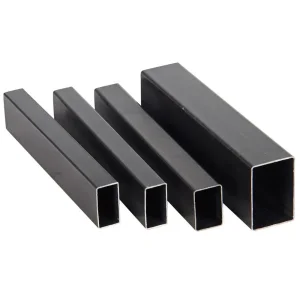
50x50mm 4x4 Square Tubing for Durable Steel Fence Posts
View Product Specifications
Precision Steel Processing Parts & Hot Rolled Structural Angles
View Product Specifications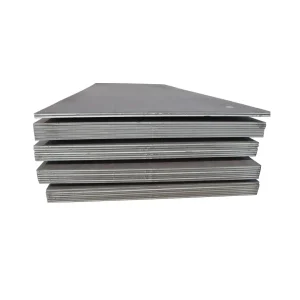
Hot Rolled Carbon Steel Plates Q235 Q345 S355 Direct Mill Supply
View Product Specifications
Galvannealed Steel Coil ZF60 ZF275 for Welding & Painting
View Product Specifications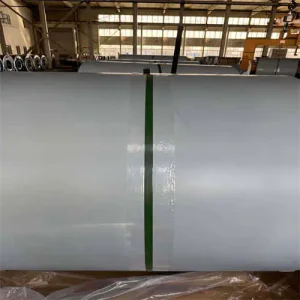
SECC Electro-Galvanized Steel Coils for Enclosures & Gates
View Product Specifications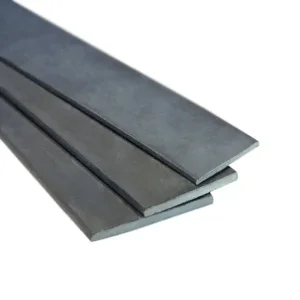
Carbon & Galvanized Flat Rolled Steel Bars for Structural Use
View Product Specifications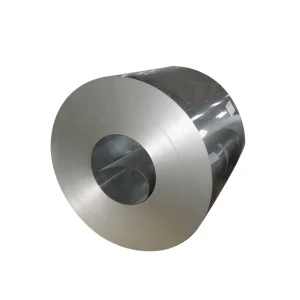
ASTM A653 DX51D Z275 Hot Dipped Zinc Coated GI Coil & Sheet
View Product Specifications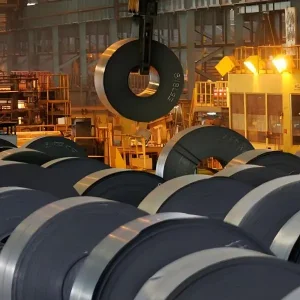
High-Quality Hot Rolled Pickled and Oiled (HRPO) Steel Coils
View Product SpecificationsReady to Optimize Your HRPO Steel Procurement?
Connect directly with our metallurgical engineering and global logistics teams. Request custom chemical heat analysis, dimension tolerances, mill test certificates (MTC), or competitive mill-direct quotation for your next manufacturing run.