
Industrial Steel Products & Structural Solutions
Comprehensive Analysis: High-Quality Laminated Steel Ecosystem
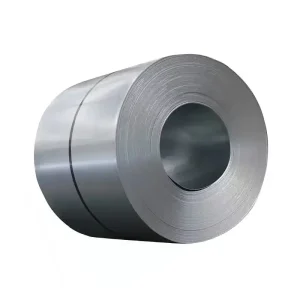
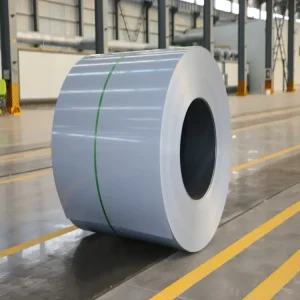
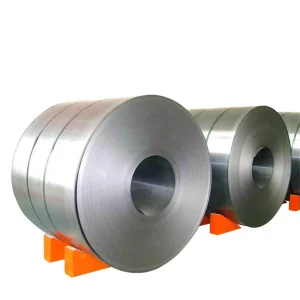
In the modern industrial metallurgical landscape, selecting a qualified high-quality laminated steel distributor supplier & factory network is a decisive strategic lever for global Original Equipment Manufacturers (OEMs), engineering contractors, and regional steel stockists. Laminated steel—engineered by permanently bonding organic thermoplastic films (such as PET, PVC, PVDF, or Polypropylene) or inorganic protective metal layers onto cold-rolled, electro-galvanized, or hot-dip galvanized steel substrates—represents the pinnacle of functional surface technology.
Unlike traditional liquid spray-painted or batch-galvanized materials, modern film-laminated and metal-clad coil products eliminate volatile organic compound (VOC) emissions during downstream fabrication while providing unrivaled barrier protection against corrosion, chemical degradation, physical abrasion, and deep-drawing stress. As global industries accelerate toward decarbonization, lightweight design, and extended product lifecycles, sourcing laminated and specialty coated steel from integrated Chinese production hubs offers verified technical and economical competitive advantages.
| Performance Parameter | Film Laminated Steel (PET/PVDF) | Traditional Pre-Painted Steel (PPGI) | Batch Hot-Dip Galvanized |
|---|---|---|---|
| Corrosion Resistance (Salt Spray Test) | 1,500 – 3,000 Hours (Zero blistering) | 500 – 1,000 Hours | 800 – 1,200 Hours |
| Deep Drawing & Formability | Exceptional (Film elongates without micro-cracking) | Moderate (Risk of paint micro-fractures) | Limited (Flaking of brittle zinc-iron layers) |
| Environmental Impact (Downstream) | Zero VOC emission, 100% recyclable bond | Curing emits residual VOCs | High energy consumption in dipping tanks |
| Scratch & Chemical Endurance | High hardness (Up to 3H-5H pencil equivalent) | Standard (1H-2H) | Prone to surface oxidation and staining |
Strategic Advantages of Partnering with Chinese Laminated Steel Mills
Fully Integrated Supply Chains
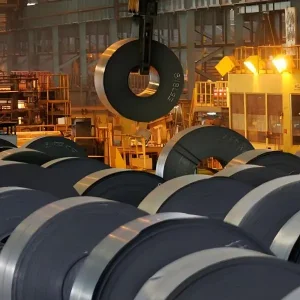
Chinese factories leverage end-to-end operational synergy—from raw iron ore processing and continuous casting to high-precision cold reduction mills and automated high-speed thermal lamination lines. This guarantees tight metallurgical control over chemical composition and coil mechanical properties.
AI-Powered Automated Quality Inspection
Leading Chinese mills integrate online optical surface defect inspection systems, laser thickness gauges, and automated tension leveling units. Every millimeter of the laminated steel coil is scanned for micro-pinholes, delamination, and thickness variance before automated slitting.
Unrivaled Economies of Scale & TCO
With monthly outputs exceeding 100,000 metric tons per facility, Chinese manufacturing hubs provide global distributors with unparalleled pricing competitiveness, reducing Total Cost of Ownership (TCO) while offering customized order quantities for niche industrial applications.
Quantitative Milestones in Laminated Steel Distribution
Industry Trends Shaping the Future of Laminated Steel
The global steel industry is undergoing a paradigm shift driven by stringent decarbonization targets, digital supply chain traceability, and demands for hyper-functional surface characteristics. Laminated steel distributors must adapt to several core emerging trends:
1. Transition to Eco-Friendly Organic Film Lamination
Regulatory frameworks such as Europe's REACH, RoHS, and Carbon Border Adjustment Mechanism (CBAM) are squeezing out traditional solvent-based wet painting techniques. Thermoplastic film lamination (using bio-based PET and polyolefin films) produces zero hazardous solvent runoff, drastically reduces energy usage during coil curing, and aligns with circular economy goals.
2. High-Frequency Electromagnetic & Electrical Silicon Laminations
With the global surge in Electric Vehicle (EV) powertrains, smart electrical grids, and renewable energy storage, demand for non-oriented (CRNGO) and grain-oriented (CRGO) electrical steel laminations is expanding exponentially. Precision insulated lamination reduces eddy current losses and optimizes energy conversion efficiency in high-rpm motors and transformers.
3. Multi-Layer Functional Nano-Coatings
Advanced Chinese suppliers are now deploying multi-layer functional laminate structures integrating anti-microbial silver ion films for medical cleanrooms, anti-graffiti coatings for public infrastructure, and self-healing polyurethane outer layers that repair superficial scratches under environmental heat.
4. Smart Supply Chain Traceability & IoT Coil Tracking
Distributors and tier-1 buyers now require complete digital traceability. Modern coils leave China factories stamped with unique QR-codes and RFID micro-tags linking directly to digital Mill Test Reports (MTRs), chemical heat analysis, and real-time shipment status.
Localized Application Scenarios & Sector Solutions
Building & Architectural Enclosures
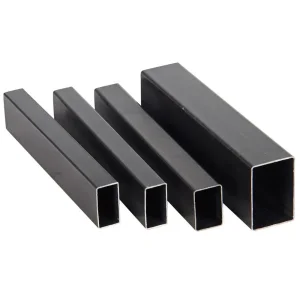
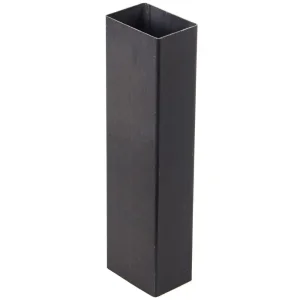
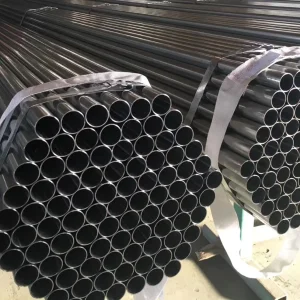
Laminated structural steel, corrugated PPGI sheets, and square tubing (such as 50x50mm structural hollow sections) serve as lightweight, ultra-durable components for airport terminal roofs, cleanroom partition walls, and high-salinity coastal construction.
Home Appliances & Consumer Electronics
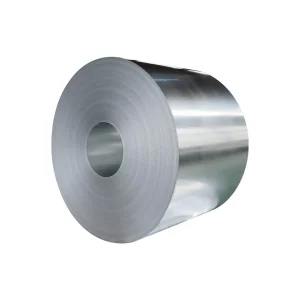
Fingerprint-resistant VCM (Vinyl Coated Metal) and PEM (Polyester Coated Metal) steel coils are extensively utilized by global home appliance brands for premium refrigerator side-panels, washing machine side drums, and microwave interior cavities requiring high thermal stability.
Automotive & Transportation Lightweighting
Cold-rolled high-strength laminated steel sheets and custom sound-dampening sandwich laminated steel panels (Steel-Polymer-Steel) reduce vehicle cabin Noise, Vibration, and Harshness (NVH) while decreasing structural frame weight in modern commercial fleets.
Electrical Power & Transformer Cores
Precision-slitting non-oriented CRNGO silicon steel coils (grades M310 to M800) provides high magnetic permeability and ultra-low core loss essential for industrial electric motors, power generators, and grid distribution transformers.
Food Packaging & Sanitary Containers
Electrolytic Tinplate (ETP) and TFS (Tin-Free Steel) laminated with food-grade BPA-free polyolefin film enable high-speed deep-drawing of food cans, aerosol containers, and crown closures with total resistance to organic acid corrosion.
Industrial Cookware & Bakery Tray Fabrication
Aluminized silicon coating coils (DX53D, DX54D) offer superior heat reflectivity and thermal non-stick performance, supporting high-volume commercial bakery equipment and heat-exchanger sub-assemblies.
Global Enterprise Procurement: Standard Operating Framework
When enterprise procurement leaders and international distributors evaluate a laminated steel manufacturer in China, adhering to a rigorous metallurgical quality verification matrix is vital to mitigate overseas sourcing risks. Modern international procurement standards demand verification across four structural pillars:
1. Substrate Mechanical Specification & Tolerance Assurance
Ensure that substrate specifications meet explicit international standards (ASTM A653, EN 10346, JIS G3302, or GB/T 2521). Standard drawing grades (DX51D) suffice for simple forming, but complex deep drawing calls for deep-drawing quality steel (DX53D, DX54D, or EDDQ). Thickness tolerances must be held within $\pm 0.02\text{mm}$ across both width and longitudinal profile.
2. Interfacial Adhesion Energy & Film Bonding Integrity
Delamination under mechanical deformation is the primary failure mode of poor-quality laminated coil. Certified factories conduct 180-degree T-bend tests (achieving 0T–1T without polymer separation), Cross-Hatch Adhesion testing (ISO 2409 / ASTM D3359 rating 5B), and Erichsen cupping tests to guarantee the film-steel chemical bond holds under extreme stamping loads.
3. Seaworthy Packaging & Ocean Freight Protection
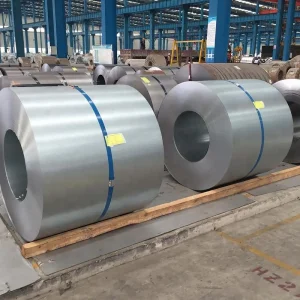
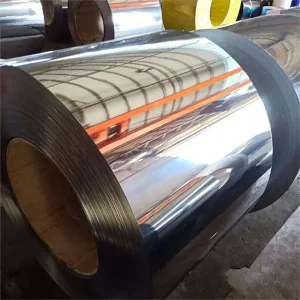
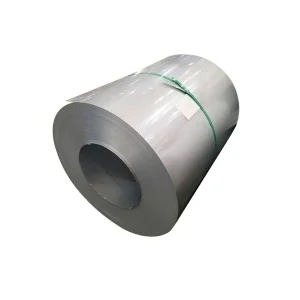
Long ocean transits across humid marine routes require heavy-duty seaworthy packaging. Standard factory export protocol requires inner plastic vapor-corrosion-inhibitor (VCI) film wrap, galvanized steel outer eye rings, heavy corrugated steel circumference guards, minimum 4 steel radial straps, and ocean-treated wooden skids capable of supporting 5–10 metric ton master coils.
4. Third-Party Quality Audit & Mill Test Certificate (MTR) Compliance
Leading Chinese factory partners supply complete EN 10204 3.1 or 3.2 Mill Test Certificates detailing cast ladle chemical composition, tensile yield strength, elongation percentages, zinc coating mass ($g/m^2$), and film gauge ($\mu m$). Third-party pre-shipment inspections by SGS, BV, or Intertek are readily accommodated.
Frequently Asked Questions (Sourcing & Metallurgy Insights)
Complete Specialty Steel Product Portfolio
Partner with China's Leading Steel Distributor Network
Looking for custom coil slit widths, special film lamination, or guaranteed mill certificates? Our engineering sales team delivers technical RFQ responses within 24 hours.