
Certified Engineering Steel Grade Inventory
-
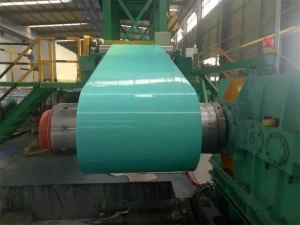
Wholesale China PPGI PPGL Galvanized Corrugated Metal Roofing Sheets - G550 Steel Plate
View Specifications -
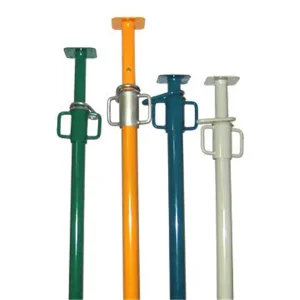
Wholesale China Heavy Duty Telescopic Prop Formwork Scaffolding for Construction
View Specifications -
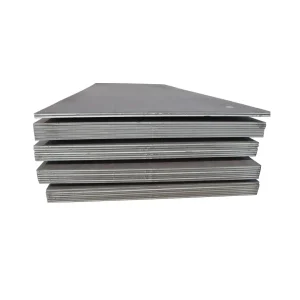
Hot Rolled Carbon Steel Plates Q235 Q195 Q345 ST S355 for Industrial Applications
View Specifications -
High-Quality Hot Rolled Carbon Steel Plates & Steel Strips Q235 Q195 Q345
View Specifications -
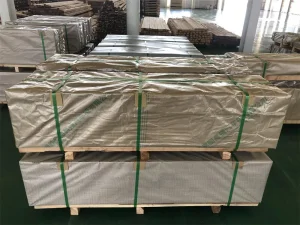
SECC/SECD/SECE 20/20 Electro-Galvanized Steel Plate with Superior Coating
View Specifications -
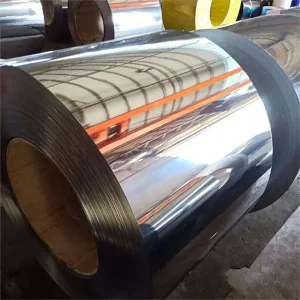
Electrolytic Tinplate (ETP) & TFS Tin Clad Steel for Industrial Packaging
View Specifications -
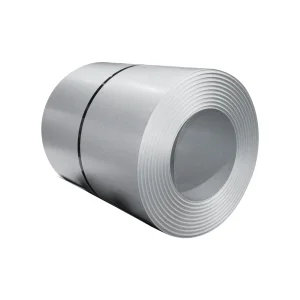
275g Zinc Aluminum Magnesium Coated Steel Sheet for Solar Mounting Structures
View Specifications -
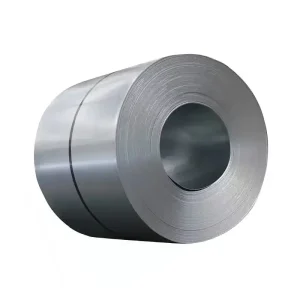
CRNGO Non-Oriented Silicon Steel Coils M310 M350 M470 M600 M800
View Specifications
Executive Summary: The Technical Evolution of HRPO Steel Sheets
In modern metallurgy and industrial manufacturing, Hot Rolled Pickled and Oiled (HRPO) Steel Sheet represents a critical bridge between standard hot-rolled carbon steel and premium cold-rolled steel. By chemically removing the abrasive iron oxide mill scale via continuous hydrochloric acid bath immersion and applying an electrostatic rust-inhibitive oil layer, HRPO sheet delivers superior surface cleanliness, tight dimensional tolerances, and enhanced tool life for deep drawing, stamping, and structural fabrication.
Engineers and global procurement managers increasingly specify HRPO steel sheets to optimize cost-to-performance ratios. Compared to traditional cold-rolled steel (CR), HRPO provides comparable structural strength and surface consistency for automotive chassis, HVAC components, and heavy equipment enclosures while achieving material cost savings of up to 18% to 25%.
Macro Industry Solutions: Manufacturing Process Blueprint
The manufacturing process of high-grade Hot Rolled Pickled and Oiled sheets demands strict metallurgical control over temperature, chemical bath concentrations, and mechanical tension. Leading manufacturers utilize Continuous Pickling Lines (CPL) combined with automated electrostatic oilers to guarantee uniform quality across thousands of metric tons.
1. Hydrochloric Acid Pickling
The hot-rolled steel strip passes through multi-stage hydrochloric acid (HCl) baths at temperatures between 75°C and 85°C. This chemical reaction completely dissolves magnetite (Fe3O4), hematite (Fe2O3), and wüstite (FeO) scale layers without attacking the base steel matrix.
2. High-Pressure Rinsing & Drying
Deionized water jet rinses remove all residual chlorides and acid salts to prevent flash rust. High-velocity warm air knives dry the steel surface rapidly, achieving an immaculate, chemically clean steel substrate ready for oil application.
3. Electrostatic Oiling System
Controlled electrostatic oil mist blades apply a uniform coat of neutral, non-corrosive rust preventive oil (typically 500 mg/m² to 2500 mg/m²). This protective film ensures up to 6 months of indoor corrosion resistance while functioning as a stamping lubricant.
Global Commercial & Industrial Status
The global market demand for Hot Rolled Pickled and Oiled sheets is experiencing steady growth, driven by expansion in the automotive structural assembly sector, solar mounting system manufacturing, and industrial rack fabrication. According to recent supply chain data, global consumption of HRPO steel has surpassed 45 million metric tons annually.
Automotive Industry
Automotive Tier-1 suppliers utilize HRPO grades such as SPHC, SPHD, and high-strength low-alloy (HSLA) pickled steels (e.g., S355MC, S420MC) for control arms, truck frame crossmembers, wheel rims, and seat tracks where precision stamping is essential.
Heavy Machinery & Cranes
For agricultural machinery, excavator boom reinforcements, and forklift frames, HRPO offers clean surfaces free of mill scale pits, ensuring flawless robotic arc welding and superior paint/powder-coating adhesion without extensive pre-sandblasting.
Building Infrastructure & HVAC
HVAC fan housings, compressor mounting plates, cable trays, and structural C/Z purlins rely on pickled sheets for enhanced formability and laser-cutting speed. Clean edges extend laser cutting nozzle longevity by up to 300% compared to scaled hot-rolled plates.
International Standard & Grade Technical Benchmark
To ensure global compliance across engineering projects, reputable HRPO sheet manufacturers produce steel according to international standards including ASTM, EN, JIS, and GB. Below is the technical equivalence and mechanical benchmark table for structural and deep-drawing HRPO grades.
| Standard | Grade designation | Yield Strength (MPa) | Tensile Strength (MPa) | Elongation (%) min | Primary Application |
|---|---|---|---|---|---|
| JIS G3131 | SPHC / SPHD / SPHE | 175 – 280 | 270 – 440 | 31 – 40 | Commercial stamping & deep drawing |
| EN 10111 | DD11 / DD12 / DD13 / DD14 | 170 – 290 | 440 max | 23 – 38 | Precision automotive components |
| ASTM A1011 | CS Type B / DS Type B / HSLAS | 205 – 380 | 340 – 520 | 22 – 30 | Structural framing & heavy machinery |
| EN 10149-2 | S355MC / S420MC / S500MC | 355 – 500 | 430 – 670 | 14 – 19 | High-strength structural chassis parts |
| GB/T 710 | 08F / 10# / Q235B / Q355B | 215 – 355 | 375 – 510 | 20 – 31 | General industrial fabrication |
Localized Application Scenarios & Engineering Case Studies
Scenario A: Precision Laser Cutting & CNC Stamping
A major European industrial enclosure manufacturer shifted procurement from unpickled hot-rolled sheet to certified HRPO (DD11 grade). The absence of hard iron oxide scale eliminated cutter head collisions and nozzle clogging, resulting in a 35% increase in daily cut length and extending fiber laser protective glass service life from 70 hours to over 300 hours.
Scenario B: Deep Drawn Automotive Stamping Dies
An North American Tier-1 automotive press shop producing shock absorber mounting brackets faced micro-cracking and premature die wear using black hot-rolled steel. Switching to HRPO SPHD grade with a controlled 1500 mg/m² oil film decreased friction during multi-stage progressive die stamping, lowering part reject rates from 4.2% to less than 0.15%.
Localization Support, Quality Assurance & Global Compliance
Sourcing HRPO steel sheets globally requires stringent verification of chemical composition, mechanical properties, and environmental standards. Leading suppliers implement full-spectrum Quality Assurance (QA) protocols from liquid steel ladle refining to container vessel loading.
Certifications & Traceability
Suppliers must provide authentic EN 10204 3.1 Mill Test Certificates (MTC) with every coil or bundle heat number. Quality management systems should conform to ISO 9001:2015 and automotive quality standard IATF 16949.
Environmental & Chemical Compliance
Rust preventive oils used in HRPO processing must strictly comply with EU REACH directives, RoHS regulations, and heavy metal restrictions (Lead, Cadmium, Mercury, Hexavalent Chromium free) to facilitate smooth customs clearance in regulated global markets.
Packaging & Export Logistics
To withstand transoceanic transit humidity, HRPO sheets are wrapped with anti-rust VCI paper, outer heavy-duty corrugated steel wrapping, edge protectors, and secured on fumigated wooden skids or steel cradles.
Technical Roadmap & Future Outlook (2025–2030)
The steel pickling industry is undergoing rapid technological transformation focused on decarbonization, artificial intelligence quality control, and zero-discharge environmental systems.
AI Vision Surface Defect Scanning
Next-generation pickling lines integrate high-speed line-scan CCD camera systems powered by deep learning models. These systems identify pinholes, unpickled scale streaks, and oil unevenness at line speeds exceeding 300 m/min with 99.8% detection accuracy.
Closed-Loop Acid Regeneration
Modern steel mills are deploying 100% closed-loop Hydrochloric Acid Regeneration Plants (ARP). Waste pickling liquor (FeCl2) is roasted to recover pure HCl gas for reuse, while iron oxide byproduct is refined into high-grade ferrite powder for magnetic energy storage components.
Dry-Lube Bio-Coating Films
To reduce wash-off cleaning steps at end-user facilities, manufacturers are introducing dry, transparent polymer lubricating films that replace traditional oiling, providing corrosion prevention alongside dry-film stamping lubrication.
Frequently Asked Questions (Technical & Procurement Q&A)
HRPO steel is hot-rolled steel that has been acid-cleaned to remove surface scale and oiled for protection, maintaining hot-rolled mechanical properties and thickness ranges (1.5mm to 10mm+). Cold Rolled (CR) steel undergoes further room-temperature strain hardening and cold reduction, offering tighter thickness tolerances (typically 0.3mm to 3.0mm) and a smoother surface finish. HRPO provides a cost-effective alternative to CR when thickness exceeds 1.5mm and extreme cold-work hardness is not required.
Under standard indoor warehouse storage conditions (temperature-controlled, relative humidity < 60%, sealed original VCI packaging), standard oiling (1000–1500 mg/m²) provides effective corrosion protection for 3 to 6 months. For transoceanic shipping or humid tropical destinations, heavy oiling (up to 2500 mg/m²) or dry-film VCI preservation is recommended.
HRPO sheets can be directly arc-welded or laser-welded without surface sanding because the oxide scale has been removed. However, prior to painting, powder coating, or electroplating, the protective oil film must be removed using a standard alkaline degreasing wash to ensure maximum coating adhesion.
High-precision pickling mills operating continuous tension levellers achieve thickness tolerances according to EN 10051 Class A/B or ASTM A568 standards (e.g., ±0.12mm for 3.0mm nominal thickness) and flat width tolerances within 0 to +5mm after edge trimming.
Complete Flat & Structural Steel Product Catalog
-
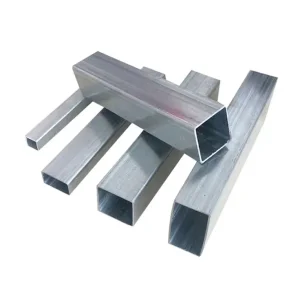
Pre-Galvanized Square Steel Tube 20*20 SHS RHS Zinc Coated Hollow Section
View Specifications -
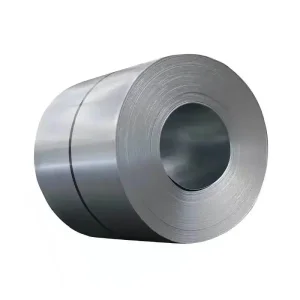
Non-Grain Oriented Silicon Steel Coil CRNGO M310 M350 M470 M600 M800
View Specifications -
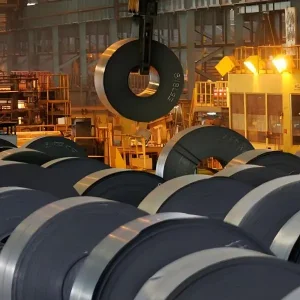
Wholesale HRPO Steel Coils - Premium Hot Rolled Pickled and Oiled Steel
View Specifications -
High-Quality Q235 Q195 Q345 ST S355 Hot Rolled Carbon Steel Plates
View Specifications -
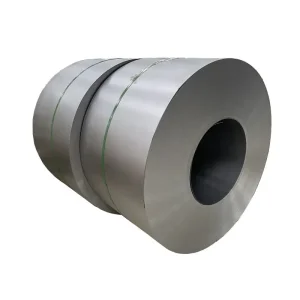
High Strength Cold Rolled Steel Sheets for Deep Drawing Applications
View Specifications -
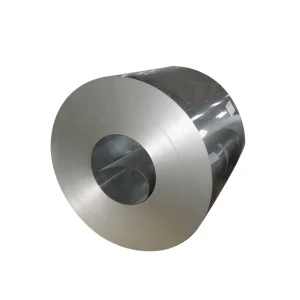
Customized ASTM A653 DX51D Z275 Hot Dipped Galvanized Steel Coils
View Specifications -
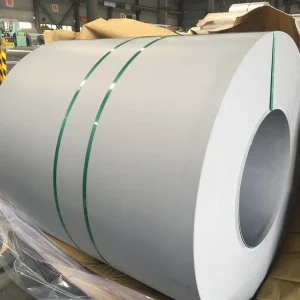
Electro-Galvanized Steel Plate SECC/SECD/SECE 20/20 Coating Grade
View Specifications -
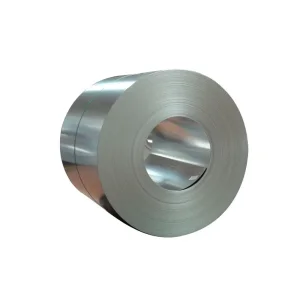
Customized Hot Dipped Zinc Coated GI Sheets - ASTM A653 DX51D
View Specifications