
Featured Galvanized & Alloy Steel Coils
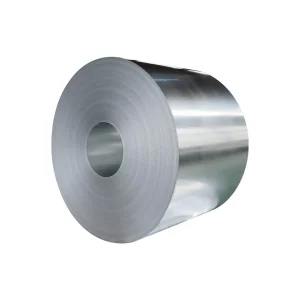
Mill-direct catalog featuring high-zinc, zinc-iron alloy, electrical silicon, and specialty structural steel coils certified to ASTM, EN, and JIS global standards.
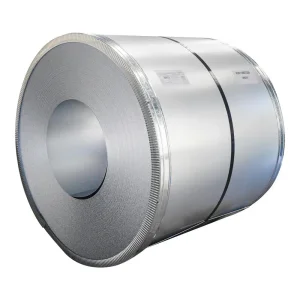
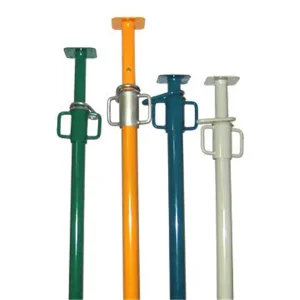
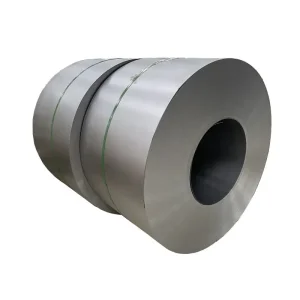
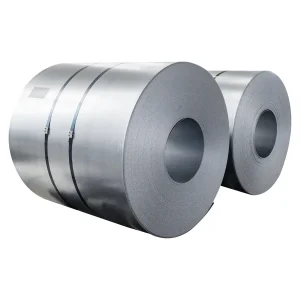
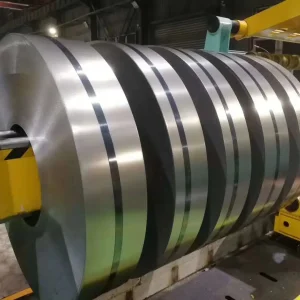
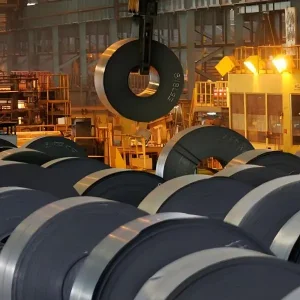
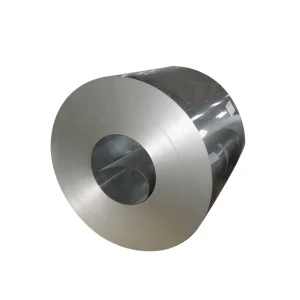
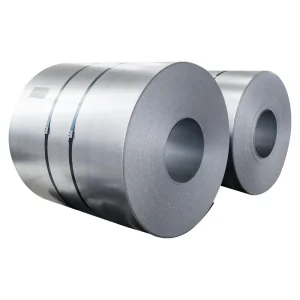
1. Global Galvanized Steel Coil Market Dynamics
Analyzing global demand trajectories, industrial specifications, and critical supply metrics across modern manufacturing sectors.
Global Infrastructure Demand
The worldwide galvanized steel coil market exceeds 180 million metric tons annually. Demand is accelerated by massive structural transformations in renewable energy infrastructure, modular building construction, and expanding transportation networks across North America, Europe, and Asia-Pacific.
Corrosion Resistance Engineering
Industrial users require extended lifetime performance under aggressive environmental conditions. Hot-dip galvanizing (HDG) and advanced alloy systems (such as Zinc-Aluminum-Magnesium ZM/AZM) provide self-healing sacrificial anodic protection, preventing rust propagation at cut edges and punched holes.
Automotive & Appliance Evolution
Modern stamping and deep-drawing processes demand ultra-precise metallurgical properties. From Galvannealed (GI-ZF) coils for paint adhesion in automotive body panels to commercial DX51D–DX54D grades for home appliances, dimensional uniformity and zero-spangle surface perfection are mandatory.
2. Metallurgical Coating Science & Technical Specifications
Comprehensive engineering comparison of hot-dipped zinc (GI), galvannealed (GA), galvalume (GL), and zinc-aluminum-magnesium (Zn-Al-Mg) coil systems.
Technical Insight: Sacrificial Cathodic Protection Mechanism
Galvanized steel coils protect base carbon steel through dual mechanisms: a physical barrier layer and cathodic protection. Zinc acts as a sacrificial anode (Standard Reduction Potential of -0.76V vs standard hydrogen electrode), prioritizing its own oxidation over the iron base steel. In advanced Zn-Al-Mg coatings (AZM/ZM), the addition of Magnesium generates a dense, stable Simonkolleite corrosion product layer [Zn5(OH)8Cl2·H2O], delivering up to 5-10 times higher corrosion resistance in coastal and agricultural micro-environments.
| Coating System | Nominal Composition | Standard Coating Weights | Primary Industrial Advantage | Typical Standards |
|---|---|---|---|---|
| Hot-Dip Galvanized (GI) | 99% Pure Zinc (Zn) | Z60, Z120, Z180, Z275, Z600 (g/m²) | Versatile sacrificial protection, economical, excellent roll-forming | ASTM A653 / EN 10346 / JIS G3302 |
| Galvannealed (GA / ZF) | 8-12% Iron (Fe), Rest Zinc | ZF60, ZF100, ZF180, ZF275 (g/m²) | Superior spot welding performance, outstanding paint adhesion surface | EN 10346 (DX51D+ZF) / ASTM A653 |
| Galvalume (GL / AZ) | 55% Al, 43.4% Zn, 1.6% Si | AZ90, AZ150, AZ180 (g/m²) | High thermal reflectivity, superior high-temperature oxidation resistance | ASTM A792 / EN 10346 (S350GD+AZ) |
| Zinc-Al-Mg (ZM / AZM) | Zn + 1.5-3% Al + 1.5-3% Mg | ZM120, ZM275, ZM430 (g/m²) | Self-healing cut-edge protection, extreme salt spray test performance (>3000h) | EN 10346 (ZM) / ISO 19829 |
Forming & Deep-Drawing Grades
Our steel coil manufacturing lines accommodate full hardness ranges: from commercial forming grades (DX51D / CS Type B) to extra deep-drawing quality (DX53D / DX54D / EDDQ) and high-yield structural steels (S280GD, S350GD, S550GD / ASTM Grade 80). Yield strengths are precisely tuned via continuous hydrogen-nitrogen atmosphere annealing furnaces.
Spangle Engineering & Surface Topography
Substrate aesthetic and post-painting requirements dictate surface spangle control. We supply Regular Spangle (classic crystalline cooling pattern), Minimized Spangle (forced mist cooling), and Zero Spangle / Extra Smooth (skin-passed CGL lines), guaranteeing Ra roughness values tailored for automated automotive or appliance paint lines.
3. China Factory Efficiency & Supply Chain Superiority
Why Tier-1 Chinese steel manufacturing hubs deliver unprecedented scale, cost-performance efficiency, and delivery precision to global procurement managers.
Vertical Raw Material Integration
Situated in northern China's steel industrial epicenter (Tianjin / Hebei hub), our continuous galvanizing lines (CGL) benefit from direct molten iron hot-rolling integration. Sourcing prime hot-rolled coil (HRC) substrates from world-class steelmaking complexes reduces thermal energy losses, minimizes transport lead times, and enforces strict chemical purity (P < 0.020%, S < 0.010%).
Automated CGL Coating Control
Our CGL facilities feature online X-ray fluorescence (XRF) zinc gauge monitoring paired with dynamic automated air knife gas wiping. This guarantees dual-side zinc coating tolerances within ±2g/m², preventing micro-thickness variations and ensuring consistent cross-width weight distribution even at line speeds exceeding 180 meters per minute.
Seaport Logistics & Packaging
Proximity to Xingang / Tianjin Port enables rapid ocean vessel loading and container consolidation. Every steel coil undergoes export-grade seaworthy packaging: heavy-duty anti-rust VCI paper wrapping, inner and outer steel protective caps, galvanized steel eye straps, and solid wood or steel palletizing designed for harsh ocean freight transit.
4. Sector-Specific & Localized Application Scenarios
How specialized galvanized coil grades empower solar engineering, automotive stamping, HVAC framing, and agricultural infrastructure.
Solar Photovoltaic Racking
Ground-mounted solar farms and tracker systems require high-strength structural materials capable of enduring 25+ year outdoor exposure. High-zinc (Z275/Z600) and Zinc-Aluminum-Magnesium (ZM275/ZM430) steel coils engineered into C/U/Z purlins deliver self-healing corrosion protection at cut edges without requiring secondary dip-galvanizing operations post-fabrication.
Automotive Body & Structural Parts
Automotive OEMs rely heavily on Galvannealed (ZF60–ZF275) and Deep Drawing Cold Rolled Coils (DC53D, DC54D). The integrated Zn-Fe alloy surface provides exceptional electrical resistance welding performance, zero micro-cracking during complex stamping, and ultra-smooth electrodeposition (ED) primer coating reception.
HVAC & Architectural Envelopes
Spiral ducting, air-handling units, cable trays, and commercial roofing profiles utilize lock-forming quality (LFQ) GI coils. Minimum spangle GI coils coated with chromate passivation or anti-fingerprint (AFP) acrylic sealing preserve surface aesthetics and prevent wet-storage white rust formation during transit and job-site storage.
Agricultural Greenhouses & Silos
Greenhouse structural tubing, livestock partition framing, and grain storage silos face aggressive ammonia vapor and high humidity. Ultra-heavy zinc galvanized coils (Z350–Z600) and aluminized silicon coils provide specialized resistance to chemical degradation and cyclic thermal expansion.
5. Global B2B Sourcing Strategy & Quality Verification
Rigorous quality control frameworks and testing protocols to eliminate buyer sourcing risk and verify international compliance.
Mill Test Certificate (MTC) EN 10204 3.1
Every steel coil dispatch is accompanied by an authenticated Mill Test Certificate. MTCs verify heat-number traceability, ladle chemical analysis (C, Mn, P, S, Si, Cr, Ni, Cu, Al), and destructive mechanical test results (Yield Strength, Tensile Strength, Elongation percentage, and n/r values).
Salt Spray Testing (SST) ASTM B117
Our quality assurance laboratory conducts accelerated corrosion testing in neutral salt spray (NSS) environments. Standard Z275 GI coils undergo >720 hours before first red rust appearance, while ZM275 Zn-Al-Mg samples exceed 3,000 continuous hours without red rust corrosion failure.
Third-Party Inspection Integrity
We welcome third-party international inspection agencies (SGS, Bureau Veritas, Intertek, TUV) for pre-shipment verification. Inspectors perform non-destructive digital micrometer thickness checks, magnetic coating gauge tests, bend tests (180° zero-T bend), and bundle weight scale verifications.
6. Future Trends: Decarbonization & Next-Gen Coatings
Pioneering green steel manufacturing, hydrogen-reduced metallurgy, and eco-friendly chromate-free passivations.
Green Steel & EAF Production
In response to global carbon border adjustment mechanisms (such as EU CBAM), our mills are transitioning toward Electric Arc Furnace (EAF) steelmaking powered by renewable energy and Direct Reduced Iron (DRI). This reduces Scope 1 and Scope 2 embodied carbon footprints by up to 60% compared to traditional Blast Furnace-Basic Oxygen Furnace (BF-BOF) routes.
REACH & RoHS Compliant Chemical Passivations
Eliminating hexavalent chromium (Cr6+) is essential for global environmental compliance. Our production lines supply 100% RoHS-compliant trivalent chromium passivations, organic bio-based sealants, and anti-fingerprint (AFP) coatings that eliminate hazardous chemical leaching during coil handling and processing.
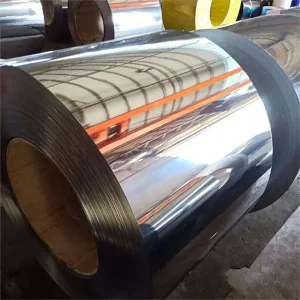
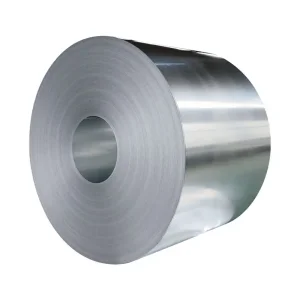
Complete Steel Product Portfolio
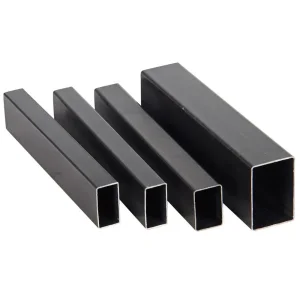
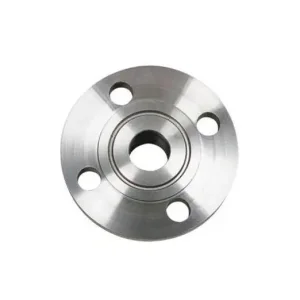
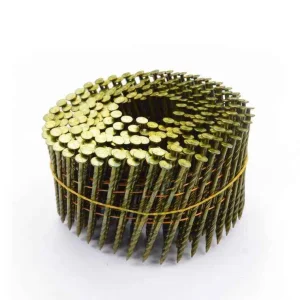
Explore our extended line of scaffolding, structural pipes, electrical silicon steel coils, tinplate, and specialty alloy sheets.
7. Technical Procurement & Engineering FAQ
Expert insights and direct technical answers to common questions encountered by global procurement managers and structural engineers.