
Primary Flat-Rolled & Tubular Product Portfolio
High-precision mill-direct steel solutions manufactured under strict ASTM, EN, and JIS Quality Standard Controls.
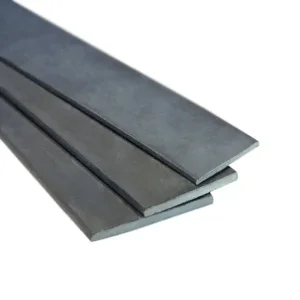
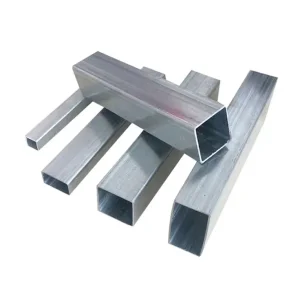
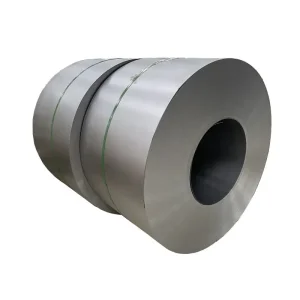
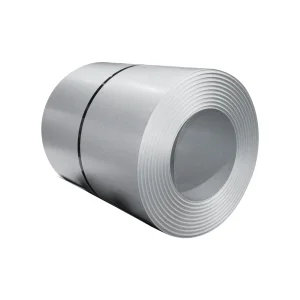
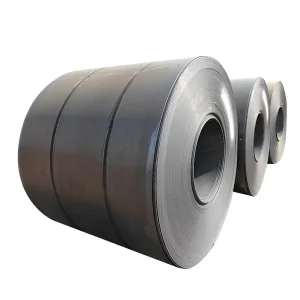
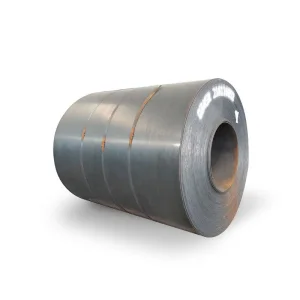
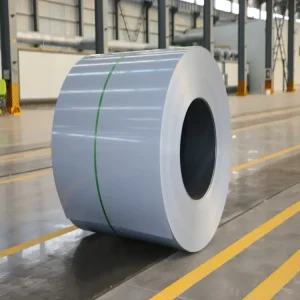
G90 Galvanized Sheet Metal: Metallurgical Fundamentals & Engineering Standards
An authoritative evaluation of coating mass density, galvanic corrosion mechanics, and structural grade steel sheet production.
Understanding G90 Coating Mass Specifications
In the global steel processing industry, the designator G90 represents a critical benchmark defined under ASTM A653 / ASTM A653M (Standard Specification for Steel Sheet, Zinc-Coated or Zinc-Iron Alloy-Coated by the Hot-Dip Process). The numerical designation "90" denotes a minimum triple-spot test total coating weight of 0.90 ounces per square foot (oz/ft²) measured across both sides of the sheet. In the Metric Standard System (SI), G90 corresponds precisely to Z275, signifying a nominal coating mass of 275 grams per square meter (g/m²).
This continuous hot-dip zinc coating yields an average thickness of approximately 0.80 mils (20 microns) per side. The microstructural composition provides dual-action corrosion protection: an physical barrier preventing moisture and atmospheric oxygen from attacking the underlying carbon steel substrate, alongside active cathodic (sacrificial) protection where zinc preferentially corrodes at cut edges and scratches.
Microstructural Layers & Alloy Phase Mechanics
When cold-rolled carbon steel coils pass through a molten zinc bath maintained precisely at 450°C to 460°C (842°F to 860°F), a metallurgical diffusion reaction takes place, forming distinct zinc-iron intermetallic alloy phases:
- Gamma (Γ) Phase: Fe₃Zn₁₀ composition adjacent to the steel substrate (75% Zn, 25% Fe, hard and brittle).
- Delta (δ) Phase: FeZn₁₀ composition with a hexagonal structure providing structural ductility.
- Zeta (ζ) Phase: FeZn₁₃ composition consisting of monoclinic columnar crystals.
- Eta (η) Phase: 100% outer pure zinc layer providing extreme ductility and smooth visual appearance.
Global Enterprise Procurement Demand & Intent Mining
Mapping multi-regional sourcing requirements for G90 galvanized sheet metal across major industrial verticals.
North American HVAC & Structural OEM
In North America (US, Canada, Mexico), purchasing managers actively search for ASTM A653 G90 sheet metal with zero-spangle, tension-leveled specifications. Primary intent centers on high-volume commercial ductwork, fire dampers, and metal building purlins requiring strict compliance with SMACNA (Sheet Metal and Air Conditioning Contractors' National Association) guidelines.
European Utility-Scale Solar PV Infrastructure
European buyers operating under EN 10346 Z275 / Z350 directives require specialized high-yield structural grades (e.g., S350GD, S550GD). Intent is driven by ground-mounted solar PV tracker systems, torque tubes, and structural brackets engineered to withstand agricultural microclimates and aggressive soil chemistry over 25-year operational lifespans.
Automotive & Heavy Transportation OEM
Tier-1 automotive suppliers source deep-drawing quality G90 sheet metal (ASTM A653 DDS / EDDS, DX54D+Z). The intent focuses on underbody structural reinforcement, cross-members, and wheel arch liners demanding zero surface defects, uniform zinc adherence during high-speed press stamping, and superior spot-welding performance.
| Standard | Coating Designation | Min. Mass Total Both Sides | Equivalent Thickness | Primary Industrial Application |
|---|---|---|---|---|
| ASTM A653 | G90 | 0.90 oz/ft² (275 g/m²) | 20 µm / side | Exterior Structural, Solar PV, Commercial HVAC |
| EN 10346 | Z275 | 275 g/m² | 20 µm / side | Eurocode Building Framing, Agricultural Silos |
| JIS G3302 | Z27 | 275 g/m² | 20 µm / side | Asian Automotive Sub-assemblies & Appliances |
| GB/T 2518 | Z275 | 275 g/m² | 20 µm / side | Heavy Industrial Enclosures & Infrastructure |
Macro Structural Solutions & System Integration
Tailored technical solutions engineered to overcome environmental stress, thermal expansion, and mechanical fatigue.
1. High-Corrosion HVAC Air Handling & Duct Systems
HVAC systems installed in coastal zones or industrial processing plants face severe internal condensation and external air pollutants. G90 galvanized sheet metal engineered with a Chromate-Free Chemical Passivation (RoHS Compliant) and dry-oiled finish prevents white rust (wet storage stain) during transport while offering a clean, paintable surface for architectural ductwork.
2. Solar Mounting Trackers & Structural C/Z Purlins
Solar power farms are frequently constructed in desert or semi-arid environments where high wind-shear loads and abrasive sandstorms quickly erode thinner coatings. Utilizing high-yield structural G90 steel (Grade 50 / Grade 80 / S350GD) guarantees elevated tensile strength (up to 550 MPa) paired with heavy zinc protection, eliminating structural maintenance for decades.
3. Agricultural Storage Silos & Grain Handling Equipment
Grain silos and livestock housing experience continuous organic acid exposure and high humidity. G90 corrugated sheets engineered with zero-spangle morphology ensure smooth material flow along grain walls, preventing physical abrasion from scratching through the protective sacrificial zinc layer.
4. Electrical Control Cabinets & NEMA/IP Enclosures
Outdoor electrical distribution boxes require high dimensional tolerance sheet metal with superior laser-cutting and CNC bending capabilities. High-quality G90 galvanized steel exhibits minimal flaking or peeling during tight 180-degree radius bends, maintaining seamless galvanic defense along critical enclosure seams.
G90 Manufacturing Metallurgy & Process Technology
State-of-the-art continuous galvanizing lines (CGL) integrating closed-loop automated X-ray gauge controls.
Electrolytic Cleaning
Full removal of residual rolling oils and iron fine particles via alkaline dip and electrolytic degreasing tanks.
NOF Annealing
Non-Oxidizing Furnace (NOF) recrystallization annealing under controlled H₂/N₂ protective atmospheres.
Air-Knife Wiping
High-precision nitrogen air knives maintain closed-loop control of 0.90 oz/ft² coating weight with ±2g/m² precision.
Skin-Pass & Tension
Four-high skin pass rolling eliminates yield point elongation, ensuring extra smooth surface finish for painting.
Global Commercial Landscape & Supply Chain Resilience
Navigating raw material price dynamics, anti-dumping compliance, and green galvanizing decarbonization trends.
Raw Material Indexing & Cost Factors
The commercial valuation of G90 galvanized sheet metal is intricately tied to hot-rolled coil (HRC) spot prices on the London Metal Exchange (LME) and global zinc ingot prices. Because G90 requires 50% more zinc mass per ton than standard G40 coils, procurement teams must monitor the zinc price index closely to optimize purchasing contracts and hedge against price volatility.
Decarbonization & Green Steel Transition
Leading enterprise mills are rapidly adopting direct reduced iron (DRI) hydrogen furnace routes and green electricity in continuous galvanizing lines. Purchasing G90 sheet metal with verified low-carbon footprint documentation (EPD - Environmental Product Declarations) is becoming a mandatory requirement for LEED-certified commercial construction projects across Europe and North America.
Strict Compliance, Testing & Export Logistics Support
Rigorous mill test certification (MTC) and seaworthy packaging engineered for long-distance maritime shipping.
EN 10204 3.1 MTC Traceability
Every master coil order is accompanied by a certified Mill Test Certificate detailing ladle chemical composition (C, Mn, P, S, Si, Al), mechanical yield/tensile strength, elongation values, and triple-spot zinc coating mass verification.
Third-Party Independent Testing
Full support for buyer-nominated third-party inspection agencies including SGS, BV (Bureau Veritas), TÜV, or Intertek to perform salt spray testing (ASTM B117), bend tests, and coating weight magnetic gauge audits prior to vessel loading.
Heavy-Duty Export Packaging
Standard seaworthy packaging includes waterproof VCI (Vapor Corrosion Inhibitor) paper lining, inner and outer steel metal protective rings, side guard corner protectors, and heavy-duty steel strapping anchored to wooden pallets.
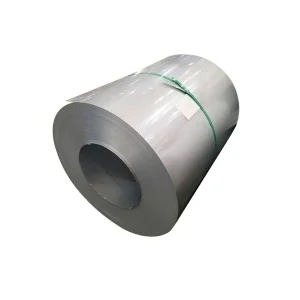
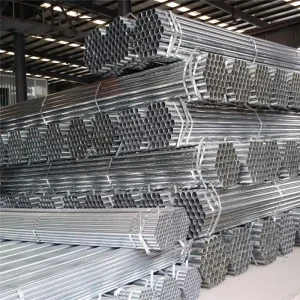
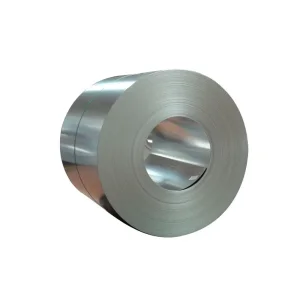
Specialized Coated Coils, Tubes & Structural Solutions
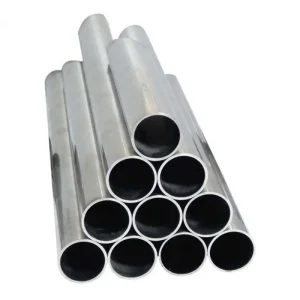
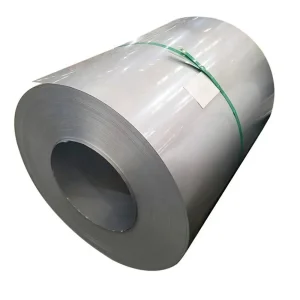
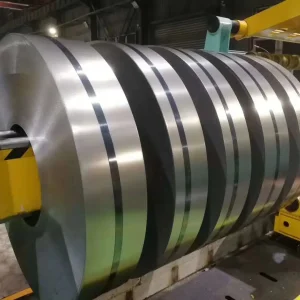
Discover our complete selection of stainless steel, silicon steel, electrogalvanized, and zinc-aluminum-magnesium products.
Frequently Asked Questions (Technical & Commercial Sourcing)
Clear metallurgical and procurement guidance for engineers, buyers, and supply chain directors.
1. What is the exact difference between G90 and G60 galvanized coating weights?
The core distinction lies in zinc thickness and expected atmospheric corrosion resistance. G90 provides a minimum triple-spot coating weight of 0.90 oz/ft² (275 g/m² total both sides), yielding approximately 0.80 mils (20 µm) thickness per side. In contrast, G60 provides 0.60 oz/ft² (180 g/m²), or approximately 0.50 mils (13 µm) per side. G90 provides roughly 35% to 50% longer operational corrosion resistance, making it mandatory for exterior structural framing, agricultural silos, and solar PV mounts.
2. What mechanical steel grades can be combined with a G90 hot-dip coating?
ASTM A653 allows G90 coatings to be applied to a broad spectrum of base metal chemistries, including:
- CS Type A, B, C: Commercial Steel for basic bending and forming.
- FS Type A & B: Forming Steel for moderate drawing requirements.
- DDS & EDDS: Deep Drawing and Extra Deep Drawing Steel for severe automotive pressings.
- SS (Structural Steel Grades): Grade 33 (230), Grade 37 (255), Grade 40 (275), Grade 50 (340), and Grade 80 (550) for load-bearing building members.
3. How does G90 compare against Galvalume (AZ150 / 55% Al-Zn) steel sheet?
While Galvalume (AZ150) offers superior general barrier corrosion protection in dry or rural flat roofing applications, G90 galvanized sheet metal performs significantly better in alkaline (high pH) environments, concrete-contact applications, and livestock facilities containing high ammonia levels. Additionally, pure zinc in G90 offers superior cut-edge sacrificial protection compared to aluminum-zinc alloys.
4. What surface treatments are recommended for G90 sheets prior to painting?
To ensure maximum paint adhesion over a G90 zinc substrate, specifiers should request a Chromate-Free Chemical Conversion / Passivation Layer or a Phosphatized Surface Finish. If painting directly in the field, the surface must be thoroughly cleaned with alkaline solutions to remove anti-corrosion mill oils, followed by an etching primer formulated specifically for non-ferrous zinc surfaces.
5. Why is Zero Spangle (Minimised Spangle) preferred over Regular Spangle for G90?
Regular spangle contains large, visible zinc crystal feather patterns caused by trace alloying elements (like lead or antimony) during cooling. Modern manufacturing emphasizes Zero Spangle using ultra-pure zinc baths. Zero spangle eliminates micro-surface height variations, ensuring that post-applied powder coatings or liquid paints exhibit a flawless, mirror-smooth aesthetic without crystal print-through.
6. How is cut-edge corrosion prevented when slitting or shearing G90 sheet metal?
When G90 sheet metal is sheared or punched, the raw carbon steel core is exposed at the cut edge. However, due to galvanic action, the adjacent zinc coating acts as a sacrifical anode. Zinc ions dissolve and migrate across the cut edge face, forming a protective zinc hydroxychloride layer that seals the bare steel edge against progressive rust creep.
7. What standard sheet thicknesses and width ranges are manufactured in G90?
G90 sheet metal is typically produced in nominal thicknesses ranging from 10 Gauge (0.1345 in / 3.42 mm) down to 30 Gauge (0.0120 in / 0.30 mm). Standard master coil width options include 1000 mm, 1219 mm (4 Feet), 1250 mm, and 1500 mm, with custom precision strip slitting capabilities down to 30 mm widths.
8. What is wet storage stain (white rust) and how is it prevented in ocean freight?
White rust occurs when tightly packed galvanized sheets trap moisture in stagnant, oxygen-starved environments during sea transit, forming white zinc hydroxide powder. We prevent white rust through three protective barriers: 1) RoHS-compliant chemical passivation, 2) electrostatic light oiling, and 3) heavy vacuum-sealed VCI moisture-proof export wrapping.
Request Mill-Direct G90 Galvanized Sheet Quotation
Partner with a world-class certified manufacturer. Get instant technical consultation, customized coil slitting specs, and FOB/CIF pricing schedules.