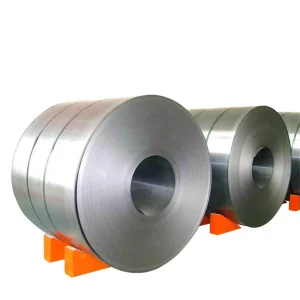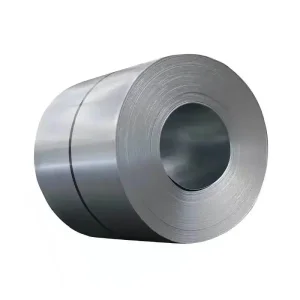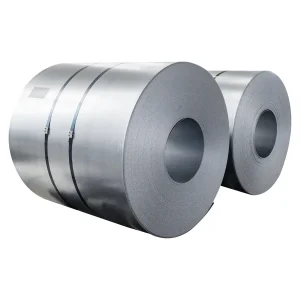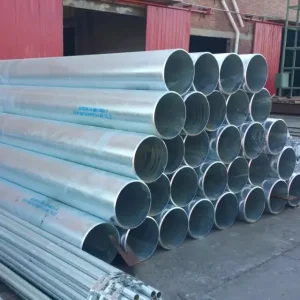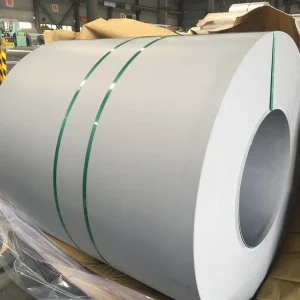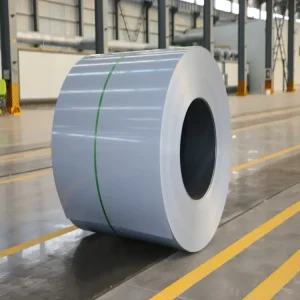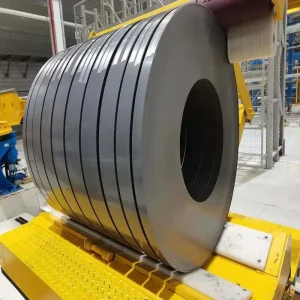
Featured Mill-Direct Steel Coils & Structural Products
Direct factory sourcing portfolio offering engineered steel solutions, high-zinc coatings, electrical silicon steel, and precision structural sections compliant with international ASTM, EN, and JIS standards.
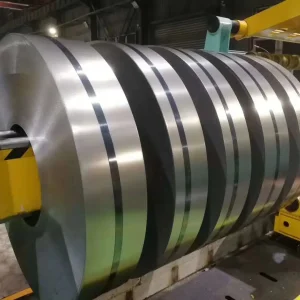
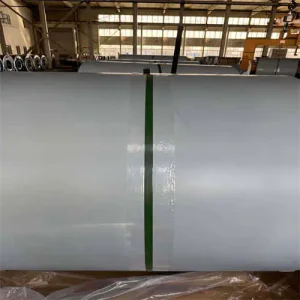
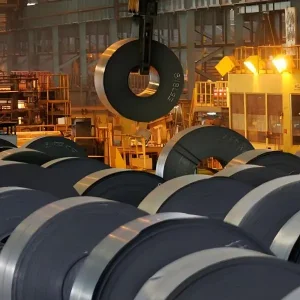
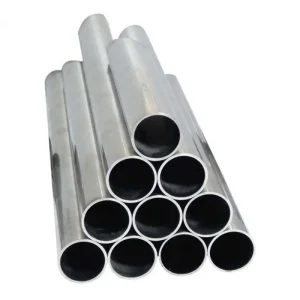
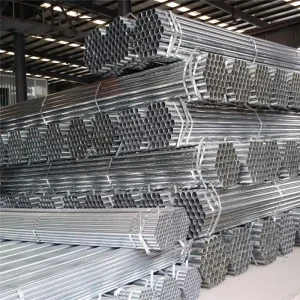
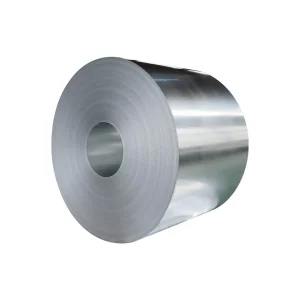
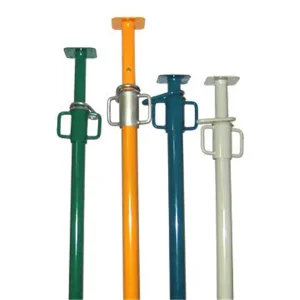
1. Technical Metallurgy of 275g/m² (Z275/G90) Zinc Coating Engineering
In modern structural engineering, industrial roofing, and heavy fabrication, the coating mass of hot-dip galvanized steel serves as the definitive indicator of service longevity. A 275g GI sheet (designated as Z275 under EN 10346 or G90 under ASTM A653) specifies a total triple-spot minimum check of 275 grams per square meter applied across both sides of the sheet. This equates to approximately 20 micrometers (μm) of pure zinc protection per surface side, providing a dual mechanism of galvanic sacrificial protection and physical barrier defense against hostile atmospheric conditions.
Microstructural Phase Formation
During the continuous hot-dip galvanizing process (CGL), molten zinc at 450°C reacts with the iron substrate through interdiffusion, creating distinct zinc-iron alloy micro-layers:
- Gamma (Γ) Phase: Thin, hard intermetallic interface (75% Zn, 25% Fe) ensuring base adhesion.
- Delta (δ) Phase: Ductile layer (90% Zn, 10% Fe) mitigating stress cracking during deep drawing.
- Zeta (ζ) Phase: Monoclinic crystal layer (94% Zn, 6% Fe) enhancing impact toughness.
- Eta (η) Surface: 100% pure metallic zinc layer providing immediate atmospheric resistance.
Corrosion Kinetics & Salt Spray
Under ISO 9223 atmospheric corrosion classifications (C1 through C5 environments), Z275 galvanized coatings exhibit deterministic corrosion rates. In neutral marine and industrial urban atmospheres, Z275 provides over 25+ years of zero-maintenance structural integrity.
Laboratory accelerated Salt Spray Testing (ASTM B117) demonstrates that high-quality 275g GI sheets sustain over 1,000 continuous hours prior to initial 5% red rust emergence when coupled with trivalent chromium-free chemical passivation and anti-fingerprint resin sealants.
Formability & Surface Spangle Control
Achieving a Z275 coating without sacrificing mechanical formability requires precise steel substrate chemistry (low carbon, low silicon, aluminum killed steel like DX51D, DX52D, DX53D, or high-strength S350GD).
Modern factories deploy lead-free zinc bath chemistries (<0.01% Pb) combined with nitrogen-blown air knives to achieve Zero Spangle (Minimized Spangle) finishes. This ensures optimal surface smoothness for immediate electrostatic powder coating or post-painting coil applications.
Coating Performance & Specification Comparison
| Specification Standard | Coating Designation | Total Both-Side Weight (g/m²) | Nominal Thickness (μm per side) | Expected Outdoor Lifespan (C3 Environment) | Primary Target Application |
|---|---|---|---|---|---|
| EN 10346 | Z100 / Z140 | 100 – 140 g/m² | 7 – 10 μm | 5 – 8 Years | Indoor HVAC, ducting, appliance backing |
| EN 10346 / ASTM A653 | Z180 / G60 | 180 g/m² | 13 μm | 12 – 15 Years | Light structural framing, residential purlins |
| EN 10346 / ASTM A653 | Z275 / G90 | 275 g/m² | 20 μm | 25+ Years | Industrial roofing, solar PV mounts, agriculture |
| EN 10346 / ASTM A653 | Z350 / G115 | 350 g/m² | 25 μm | 35+ Years | Heavy marine infrastructure, highway guardrails |
2. China Industry 4.0: Supply Chain Resilience & Factory Efficiency
China's steel manufacturing ecosystem—centered in regional clusters like Tianjin and Hebei—delivers unmatched structural efficiencies through vertical integration, smart factory automation, and seamless maritime logistical networks. Modern 275g GI sheet manufacturing mills operate state-of-the-art Continuous Galvanizing Lines (CGL) capable of producing high-tonnage output with micron-level coating uniformity.
Closed-Loop Air Knife & Gauge Automation
Next-generation CGL plants utilize automated X-ray fluorescence (XRF) and laser thickness gauges installed immediately downstream of the zinc pot. These sensors stream real-time data to closed-loop pneumatic air-knife control systems. By adjusting knife distance, angle, and high-pressure nitrogen gas velocity in millisecond intervals, the factory guarantees that zinc mass remains stable across the entire coil width (up to 1500mm) without edge-thickening anomalies.
Upstream Raw Material Integration
Leading Chinese factory operations maintain direct hot-rolled coil (HRC) supply channels from premier state-tier steelworks such as Baosteel and HBIS. Standardized procurement of clean, low-carbon hot strip ensures consistent chemical purity, uniform mechanical yield strength, and freedom from non-metallic inclusions—vital for maintaining consistent deep drawing and tension leveling results.
Tianjin Port Logistics Synergy
Located near Tianjin Xingang Port, Tier-1 factories optimize ocean freight lead times and minimize inland transportation costs. Automated warehousing and moisture-monitored staging prevent atmospheric degradation prior to ocean transit, providing rapid vessel loading capability for global bulk and containerized dispatches.
3. Macro Industry Solutions & Application Engineering
The structural versatility and anti-corrosive robustness of 275g GI sheets make them an essential material choice across high-demand industrial sectors. Engineering design teams specify Z275/G90 sheet and coil to ensure severe environmental durability and mechanical dependability.
Solar Photovoltaic (PV) Mounting Structures
Solar tracking systems and ground-mounted PV frames are continuously subjected to wind shear, soil moisture, and atmospheric condensation. Specifying high-tensile S350GD / S550GD + Z275 cold-formed roll profiles (C/Z purlins, brackets) ensures the structural skeleton lasts the full 25-year operational lifecycle of solar modules without structural degradation.
Agricultural & Commercial Greenhouses
Commercial greenhouse environments present harsh microclimates featuring high relative humidity, elevated temperatures, and chemical vapor exposure from agricultural fertilizers. High-zinc 275g GI sheets and pre-galvanized structural tubes resist white rust and chemical pitting far longer than light-coated alternatives.
HVAC, Cable Trays & Structural Decking
For commercial building infrastructure, Z275 galvanized sheet steel complies with stringent international SMACNA ductwork and fire-safety standards. It delivers excellent lock-seaming quality, preventing zinc flaking along tight 90-degree bends during automated duct fabrication.
Automotive & Heavy Electrical Enclosures
In electrical distribution cabinets and stamped automotive structural sub-assemblies, DX53D+Z275 and DX54D+Z275 deep-drawing grades allow intricate stamping without micro-cracking the protective coating layer. This maintains complete galvanic protection along complex drawn geometry.
4. Global Procurement Strategy & Export Packaging Excellence
For global steel buyers, EPC contractors, and steel service centers, procuring Z275 GI sheets involves evaluating Total Cost of Ownership (TCO), material defect mitigation, and maritime transit packaging integrity. Implementing structured quality verification protocols ensures seamless factory-to-site delivery.
Sea-Freight Packaging Specification
Ocean transportation exposes steel cargo to extreme temperature fluctuations and high humidity, which can lead to moisture condensation and wet storage stain (white rust). Mill-direct export packaging protocols require multi-layer barrier wrapping:
- VCI Inhibitor Paper: Inner layer impregnated with Vapor Corrosion Inhibitors.
- HDPE Plastic Envelope: Waterproof polymer sealing against sea-air ingress.
- Galvanized Outer Shield: Heavy-gauge outer steel shell and side metal corner protectors.
- High-Tensile Steel Strapping: Minimum 4 radial and 3 circumferential bands over wooden skids.
Third-Party Inspection & Batch Acceptance
Global procurement teams mandate rigorous Quality Assurance testing prior to port dispatch. Standard batch inspection protocols performed by independent authorities (SGS, TÜV, Intertek) encompass:
- Coating Mass Test: Magnetic gauge and chemical weigh-strip-weigh method (ISO 1460).
- Mechanical Tensile & Elongation: Verification of Yield (ReH), Tensile (Rm), and A80 elongation.
- Adhesion Testing: 180° bend test (0T/1T/2T) confirming zero zinc flaking.
5. Localized Support, Regulatory Compliance & Standards Matrix
Achieving regulatory compliance across diverse international construction codes requires strict adherence to regional metallurgical standards. Factory Mill Test Certificates (MTC EN 10204 3.1) must provide complete chemical heat analysis and mechanical test data to satisfy project engineering specifications.
| Region / Market | Governing Standard | Steel Grade Equivalent | Zinc Coating Equivalence | Compliance Certification |
|---|---|---|---|---|
| European Union (EU) | EN 10346 / EN 10143 | DX51D, DX52D, S280GD, S350GD | Z275 (275 g/m²) | CE Marking, REACH, RoHS Compliant |
| North America (USA/Canada) | ASTM A653 / A653M | CS Type A/B, SS Grade 33/50 | G90 (0.90 oz/ft²) | ASTM Specifications, ISO 9001:2015 |
| Japan & Southeast Asia | JIS G3302 | SGCC, SGCD1, SGC340, SGC490 | Z27 (270 g/m²) | JIS Mark Certified, ISO 14001 |
| International / China | GB/T 2518 / ISO 3575 | Q195, Q235, Q355, DX51D+Z | Z275 | Mill Test Certificate EN 10204 3.1 |
6. Technical Roadmap: Next-Gen Green Galvanizing & AI Metallurgy
The global steel industry is undergoing a transformative transition toward carbon neutrality and advanced alloy coatings. Factory R&D roadmaps focus on integrating eco-friendly manufacturing technologies and AI-driven coating precision.
Low-Carbon Green Steel Hydrogen Production
Leading factories are transitioning upstream substrate production toward Direct Reduced Iron (DRI) powered by green hydrogen combined with Electric Arc Furnace (EAF) steelmaking. This process reduces the embedded carbon footprint of 275g GI sheets by up to 60%, aiding global builders in achieving LEED and BREEAM green building credentials.
Zinc-Aluminum-Magnesium (ZAM) Evolution
While traditional Z275 pure zinc coatings remain an industry staple, next-generation Zinc-Aluminum-Magnesium (Zn-Al-Mg) alloy coatings are gaining significant traction. Incorporating 1.5% to 3% Magnesium forms a self-healing simonkolleite film over cut edges, delivering enhanced corrosion resistance at lower overall coating weights.
AI-Driven Predictive Quality Control
Machine learning models trained on historical continuous galvanizing line parameters analyze thermal bath dynamics, strip tension, and cooling speeds in real time. Predictive AI algorithms instantly eliminate coating weight deviations, ensuring consistent batch quality.
7. Technical & Procurement FAQ: 275g GI Sheets
Direct engineering and commercial answers to frequently asked procurement questions regarding Z275/G90 hot-dip galvanized steel sheet and coil sourcing.
Z275 and G90 are equivalent zinc coating mass designations from different international standards systems. Z275 is defined under European standard EN 10346 and specifies 275 grams of zinc per square meter total (both sides combined). G90 is defined under American standard ASTM A653 and specifies 0.90 ounces of zinc per square foot total (both sides combined). Both represent approximately 20 micrometers (μm) of zinc film thickness per side, offering identical atmospheric corrosion protection.
Grade selection depends on your structural and fabrication requirements. For general roll-forming, profile bending, and standard roofing, select commercial bending grade DX51D+Z275 or CS Type B. For moderate drawing or stamping, select DX52D+Z275. For severe deep drawing, specify DX53D+Z275 or DX54D+Z275. For load-bearing structural applications such as solar purlins and building framing, specify structural grades with guaranteed yield strength, such as S280GD, S350GD, or S550GD+Z275.
To prevent zinc oxidation (white rust) during sea transit, order sheets or coils with Environmentally Friendly Trivalent Chromate Passivation (Cr3+) or Chromate-Free Chemical Passivation combined with light anti-rust oiling. For high-end architectural or painted applications, specifying an Anti-Fingerprint (AFP) acrylic resin coating provides an organic barrier against moisture, finger oils, and mild acids.
Yes, 275g GI sheets can be joined using spot welding, MIG, and TIG resistance welding methods. However, high-temperature welding vaporizes the zinc coating immediately adjacent to the weld seam. To maintain complete corrosion resistance, the heat-affected weld zone must be cleaned of slag and recoated with a high-zinc-rich cold galvanizing compound or thermal zinc spray (metallizing) compliant with ASTM A780 standards.
Extended Factory Catalog: Coated Coils & Structural Components
Explore our comprehensive industrial inventory including high-strength cold rolled sheets, galvannealed zinc-iron alloys, silicon steel coils, and structural scaffolding assemblies engineered for export.