
China Best Slit Coil Supplier for Global Buyers?

Time:2026-11-20 Author:Henry
0%

Choosing a China-based Slit Coil supplier involves more than comparing prices. Buyers need dependable dimensions, consistent steel grades, clear documentation, and delivery schedules they can verify. The World Steel Association’s World Steel in Figures 2024 reports that China produced approximately 1,019 million tonnes of crude steel in 2023, out of a global total of about 1,892 million tonnes. That scale supports a broad manufacturing base, but it does not guarantee that every processor meets a buyer’s requirements.

The distinction matters. Crude steel output is not the same as slit-coil processing quality. For procurement teams, practical checks include specified width and thickness tolerances, edge condition, coil weight, packaging, and batch traceability. Ask for mill test certificates and inspection records tied to the actual shipment, not just a general company brochure. Where appropriate, confirm how the supplier handles sample approval, production changes, and claims.

Industry data helps frame the market, not rank individual vendors. A supplier’s equipment, inspection process, and export experience still require direct assessment. Details matter. Before placing an order, compare quotations against the same grade, dimensions, tolerances, and delivery terms. Also check whether the supplier can explain its quality controls in specific, documented steps. A polished website is not evidence of consistent performance. Nor is a low quote proof of poor quality; it simply needs careful verification. This guide examines how global buyers can assess Chinese Slit Coil suppliers using measurable criteria, credible records, and realistic expectations. No single checklist removes all risk, and some differences only emerge after production begins.
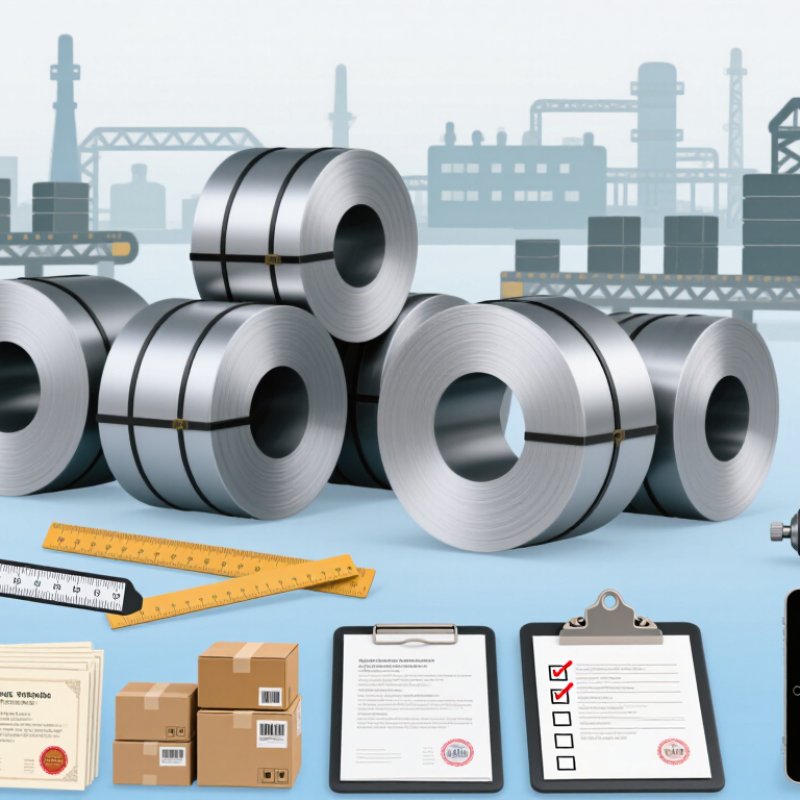
China Best Slit Coil Supplier for Global Buyers?

What Slit Coil Is and How It Is Used

China Best Slit Coil Supplier for Global Buyers?
What Slit Coil Is and How It Is Used

Slit coil is a wide metal coil cut lengthwise into narrower strips. A slitting line unwinds the parent coil, passes it through rotary knives, then recoils each strip. The result is easier to feed into equipment that needs a specific width. Common materials include carbon steel, stainless steel, and aluminum. Width, thickness, edge quality, and coil weight all affect whether a strip runs smoothly. Small differences matter.

Manufacturers use slit coil for tube and pipe forming, roll forming, stamping, and metal framing. For example, a narrow strip may enter a tube mill and emerge as welded tubing. Another may be roll-formed into a channel or roofing profile. Buyers should confirm the material grade, thickness tolerance, slit width, inner diameter, and packaging before ordering. Application requirements vary. A coil that looks suitable on paper can still cause line stoppages if its edges are rough or its camber is excessive.

Tips: Share a drawing or sample dimensions with the supplier, not only a target width. Ask how burr height and width tolerance are measured. Check the coil’s inner diameter, outside diameter, and maximum weight against your decoiler. A trial coil can reveal handling problems that specifications may miss.

How Slit Coil Is Produced and Quality-Controlled

Slit coil production starts with a master coil selected for the required grade, thickness, and surface condition. Operators check the incoming coil and confirm its identification before loading it onto a decoiler. The strip passes through leveling rolls, then rotating knives cut it into narrower widths.

Knife clearance and alignment matter: poor settings can leave uneven edges or excessive burrs.

Small defects matter.

The cut strips are rewound under controlled tension, with spacers separating adjacent coils. Tension that is too high can deform the edges; too little can produce loose, unstable winding.

During setup, a technician measures sample strips with calibrated instruments and checks width, thickness, and edge quality. Measurements should reflect the customer’s agreed tolerances, not a convenient machine setting.

Quality checks continue after slitting. Staff inspect the coil surface for scratches, rust, dents, and handling marks, then verify coil weight, inside diameter, and packaging. Results and material records should remain traceable to the shipment.

Sampling cannot reveal every hidden issue, so inspection frequency and process consistency both deserve attention. A perfectly clean surface is not proof of correct dimensions.

Buyers should review specifications and inspection records before shipment, especially when slit coils feed automated production lines.

What Makes a Chinese Slit Coil Supplier Reliable

A reliable Chinese slit coil supplier proves process control on the shop floor, not just through a polished quotation. Ask for a recent mill test certificate, coil heat number, and traceable slitting records. Then check whether the slit width, thickness, camber, and burr limits match your drawing. Small deviations matter. They can cause feed problems on a high-speed stamping line. World Steel Association data put China’s 2024 crude steel output at about 1,005 million tonnes. That scale offers buyers broad sourcing options, but volume alone does not guarantee consistent slit-edge quality.

Look for measurable inspection routines, calibrated gauges, documented corrective actions, and sample coils tested on your own equipment. Request evidence of thickness and width checks across the coil, not just at the head. OECD’s 2024 steelmaking-capacity report estimated global capacity at roughly 2.5 billion tonnes in 2023, a reminder that ample supply does not remove the need for careful qualification. Also review packaging: tight steel strapping, protected edges, and dry storage reduce transit damage. Ask how the supplier handles a failed inspection and replacement timing. A good answer includes records and realistic dates. I would still verify them with a trial order; even a detailed audit cannot reveal every production variation.

How Global Buyers Can Compare Suppliers and Specifications

Comparing slit coil suppliers starts with a drawing, not a price sheet. Specify the material grade, thickness, slit width, width tolerance, edge condition, and required coil inside diameter. A 0.2 mm width difference may affect a stamping line, even when the material looks identical. Ask suppliers to confirm tolerances in writing and provide an inspection report for the same specification. Check for actual measurements, not just pass-or-fail results. Small detail, big difference.

Compare minimum order quantities and lead times with your equipment and storage limits. Request packaging details, including coil orientation, moisture barriers, pallet type, and lifting points. For overseas shipments, confirm packing dimensions and document responsibilities; estimates may change when the final coil count changes. Ask how each coil is traced to its batch and how out-of-tolerance material is handled. A sample or trial run can reveal burrs, telescoping, or uneven winding before a larger order. No checklist is perfect. A common oversight is forgetting whether the receiving site can unload the specified coil weight. Compare landed cost, usable yield, communication, and corrective-action procedures together. Reliable suppliers should answer specific questions clearly and support claims with records.

How to Manage Orders, Shipping, and Import Compliance

China Best Slit Coil Supplier for Global Buyers?

Managing a slit coil order starts with a clear specification. Confirm alloy or grade, thickness, strip width, coil weight, edge condition, and acceptable tolerances in writing. Ask how coils will be secured and protected from moisture. A sample packing photo can reveal loose straps or exposed edges before dispatch. Small details matter. Keep one approved specification sheet for purchasing, production, and inspection; changing versions mid-order can cause avoidable disputes.

Tips: Request a production schedule with key dates, not just an estimated ship date. Confirm loading limits, coil orientation, and packaging requirements with your warehouse or carrier. Keep messages and revised documents together. It sounds basic, but busy teams sometimes miss a small update.

Before shipment, agree on the delivery terms, route, insurance responsibilities, and who prepares each shipping document. Check the commercial invoice, packing list, and transport document against the order details. Import rules and document requirements vary by destination, so confirm tariff classification, duties, and any required certificates with a qualified customs broker or relevant authority. Build in time for document corrections. Even a careful plan can overlook a local requirement, and discovering that at the port is costly.

FAQS

What happens during slit coil production?

A master coil is checked for grade, thickness, and surface condition. Rotating knives cut the strip into narrower widths. Small defects matter.

How can knife settings affect slit coil quality?

Poor knife clearance or alignment can create uneven edges and excessive burrs. Technicians should measure sample strips with calibrated instruments.

What does winding tension change?

Excessive tension can deform coil edges. Too little may leave loose, unstable winding. It is easy to overlook this during setup.

Which inspection records should buyers request?

Ask for material certificates, coil heat numbers, slitting records, and actual width and thickness measurements. Records should trace each coil to its shipment.

What specifications should a buyer compare?

Confirm grade, thickness, slit width, width tolerance, edge condition, and inside diameter. A small width difference can disrupt a stamping line.

Why test a sample coil before a large order?

A trial on your own equipment can reveal burrs, telescoping, or uneven winding. I would still test it; paperwork cannot show every variation.

What packaging details should buyers confirm?

Ask about edge protection, moisture barriers, coil orientation, strapping, pallets, and lifting points. Dry storage helps reduce transit damage.

What practical issues can affect the final purchase decision?

Compare lead time, minimum order quantity, landed cost, and usable yield. Check whether your receiving site can unload the specified coil weight.

Conclusion

Slit Coil is steel or other metal sheet cut into narrower widths for use in products such as pipes, automotive components, appliances, and construction materials. Its performance depends on suitable base material, precise slitting, consistent dimensions, and careful inspection. A reliable supplier should demonstrate stable production capabilities, clear quality-control procedures, traceable documentation, and responsive communication, helping buyers assess whether the product meets their technical and delivery requirements.

Global buyers can compare suppliers by reviewing material grade, thickness, width tolerance, edge condition, packaging, production capacity, and inspection records. Before placing an order, confirm specifications, sample or approval requirements, lead times, and agreed quality criteria in writing. Planning shipment details, protective packaging, customs documents, and destination-country import requirements in advance can reduce delays and damage. Clear coordination throughout the purchasing process helps ensure that Slit Coil arrives in the required condition and is ready for its intended application.

Henry

Henry

Henry is a dedicated marketing professional with a profound expertise in the company's offerings. With years of experience in the industry, he possesses an impressive understanding of the market dynamics and consumer behaviors that drive success. Henry is committed to sharing his insights through......